
Theory of Everything: In Search of the Ultimate Blueprint of the Universe
The collision of two giants in physics, Einstein and quantum mechanics, leading to the ultimate unification theory.
- Key differences between the two pillars of modern physics: general relativity and quantum mechanics.
- Reasons why these theories clash in extreme situations like black holes.
- A comparison of the two leading candidates for the ‘Theory of Everything’: string theory and loop quantum gravity.
Humanity’s Long Dream Towards the Theory of Everything
The quest for the Theory of Everything (ToE) begins with the most fundamental questions that human intellectual curiosity can reach. Have you ever wondered if the laws governing the stars in the night sky are the same as those governing my hand? The history of physics has been a constant pursuit of simplicity and unity, attempting to explain complex phenomena with minimal rules.
Just as Newton unified the celestial and terrestrial realms through ‘gravity’, and Maxwell unified electricity, magnetism, and light through ’electromagnetism’, the Theory of Everything is the next logical step humanity must take. However, modern physics faces the reality of two coexistence manuals written in different languages: general relativity explaining the vast universe and quantum mechanics explaining the minuscule world.
The tragic protagonist of this drama, Albert Einstein, devoted everything in his later years to finding a unified field theory but did not achieve his dream. His unfinished dream remains a legacy and a challenge for future physicists, becoming a journey for all of us to confront the deepest mysteries of the universe.
Two Different Worlds: General Relativity and Quantum Mechanics
Modern physics is divided into two realms: the kingdom governing the vast universe and the kingdom governing the microscopic world. Each kingdom has laws that are nearly perfect in their own right, but at the boundaries of these kingdoms, those laws clash.
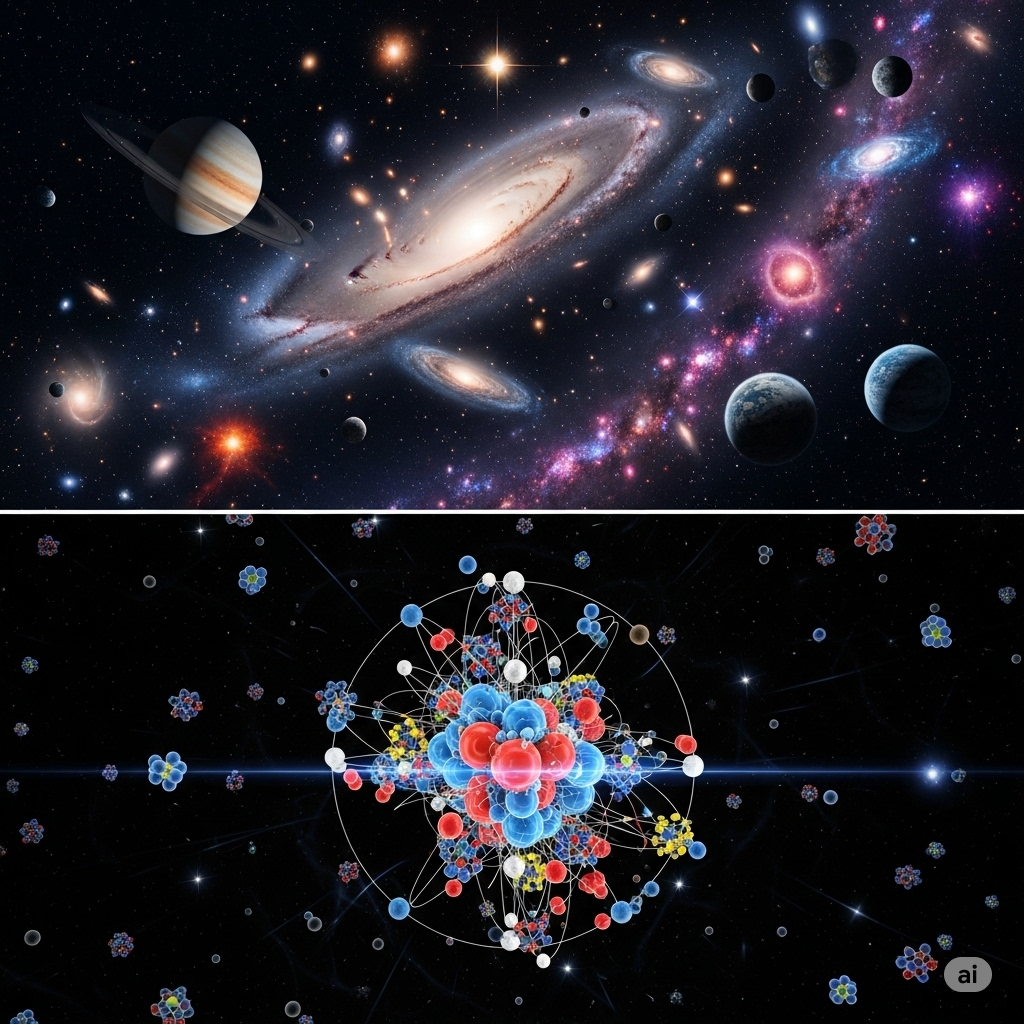
Laws of the Macroscopic World: Einstein’s General Relativity
The true essence of general relativity is ‘a theory of the geometry of reality’. In other words, gravity is not a force but a phenomenon that appears due to the curvature of spacetime itself.
Einstein combined three-dimensional space and one-dimensional time into a single four-dimensional entity called ‘spacetime’. Massive objects like the sun bend this spacetime, and the Earth simply moves along the straightest path possible in this curved spacetime. What we call ‘gravity’ is precisely this curved path itself.
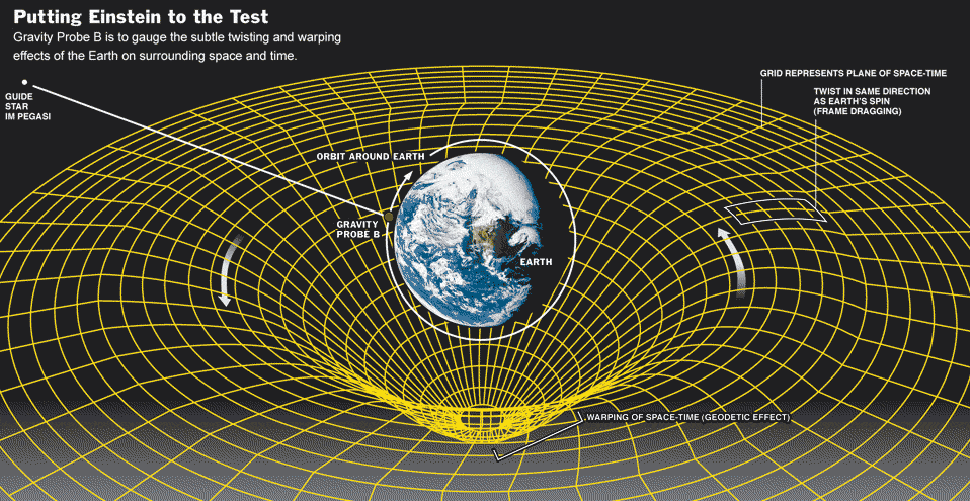
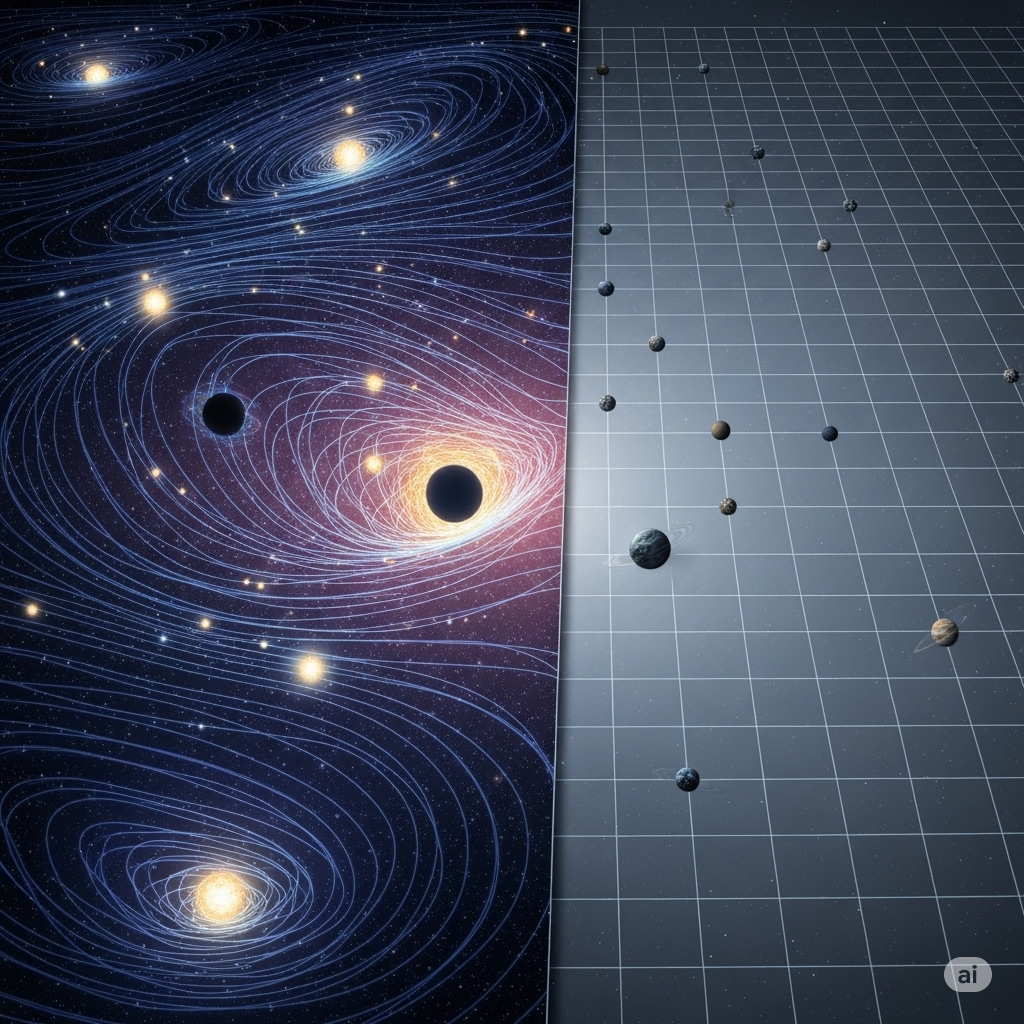
The core of this theory is that it destroys the passive ‘background’ concept that contains reality. Spacetime is not the stage on which the drama of the universe unfolds; it is the key actor that drives the flow of the drama. Matter tells spacetime how to curve, and curved spacetime tells matter how to move. This ‘background independence’ is precisely where the fundamental clash with quantum mechanics begins.
Laws of the Microscopic World: The Standard Model of Quantum Mechanics
The microscopic world is like a sophisticated orchestra called the ‘Standard Model’. The players in this orchestra are divided into fermions (matter particles), which are the ‘bricks’ of the universe, and bosons (force-carrying particles), which conduct interactions.
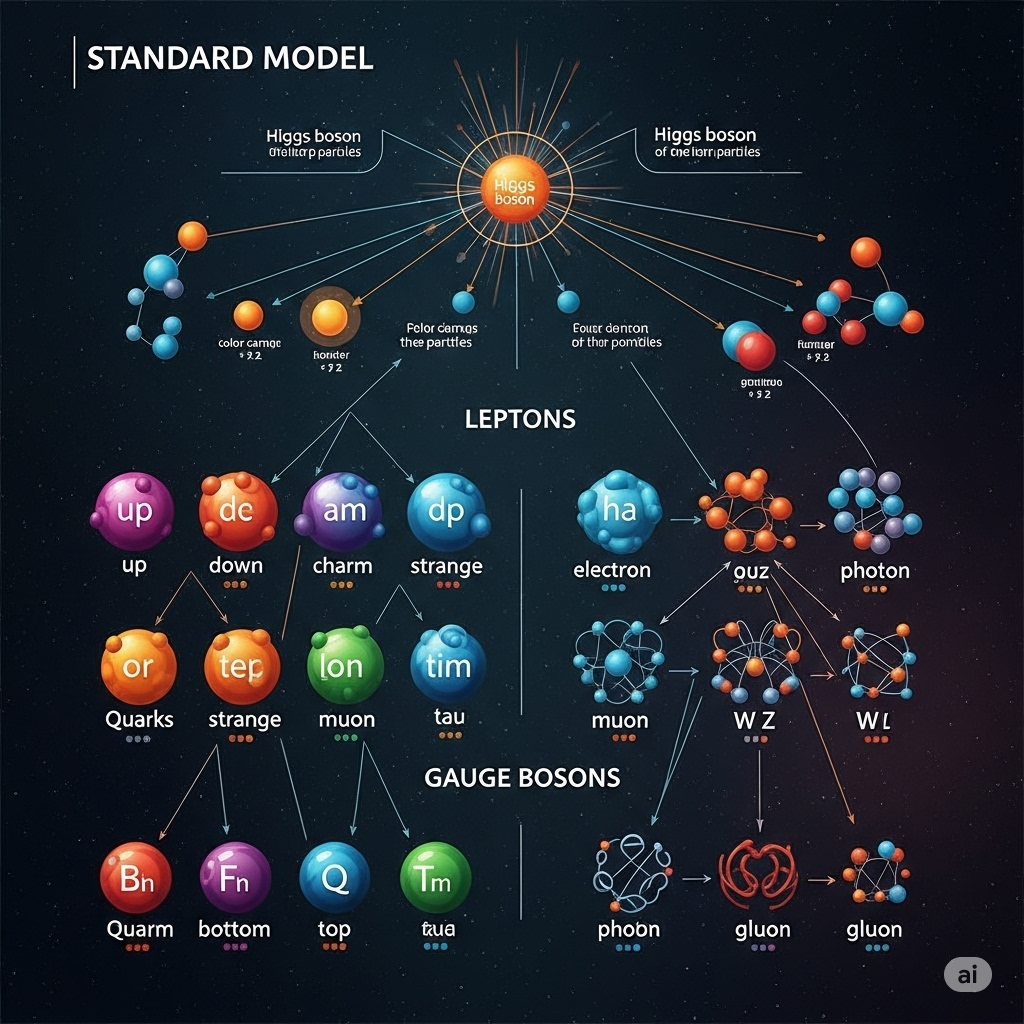
- Matter (Fermions): Composed of ‘quarks’ that make up protons and neutrons, and ’leptons’ that include electrons.
- Force (Bosons): Mediates electromagnetic force (photon), strong nuclear force (gluon), and weak nuclear force (W, Z bosons). However, the ‘graviton’ that mediates gravity remains a ’lost player’ yet to be discovered.
And the special conductor ‘Higgs boson’ gives mass to particles through the ‘Higgs field’ that permeates the universe.
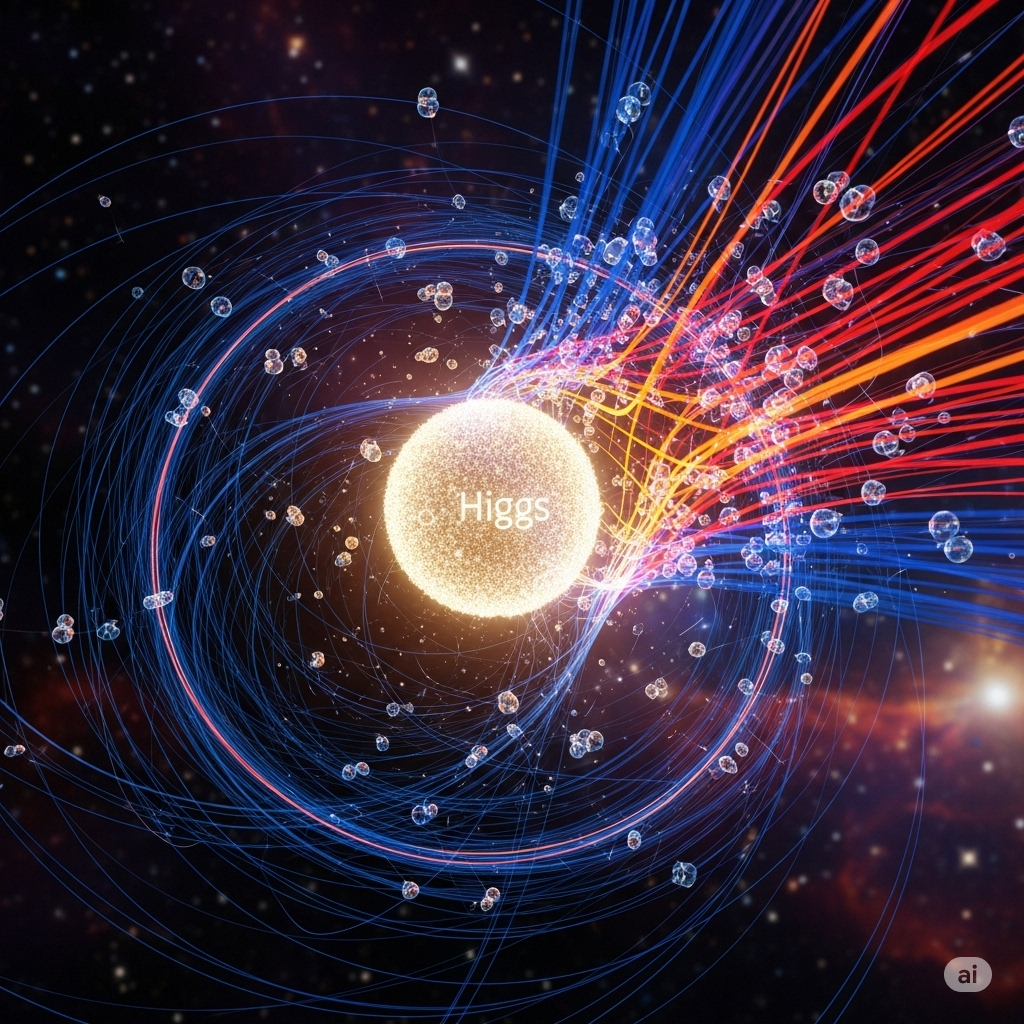
The Standard Model is a theory about ‘interactions’, not ’things’. The universe is not a collection of static objects, but a dynamic dance of fundamental fields and their interactions.
The Need for a Theory of Everything: The Collision of Giants
Both great theories have achieved dazzling success in their respective domains, but they dramatically clash at ‘singularities’ such as the center of black holes or the moment of the Big Bang. This is because it is the only place where immense gravity acts on an extremely small scale.
- Predictions of General Relativity: At singularities, the curvature of spacetime becomes infinite (∞). In physics, ‘infinity’ is a signal that the theory has broken down.
- Problems of Quantum Mechanics: The uncertainty of the quantum world cannot cope with the deterministic infinite gravity of general relativity.
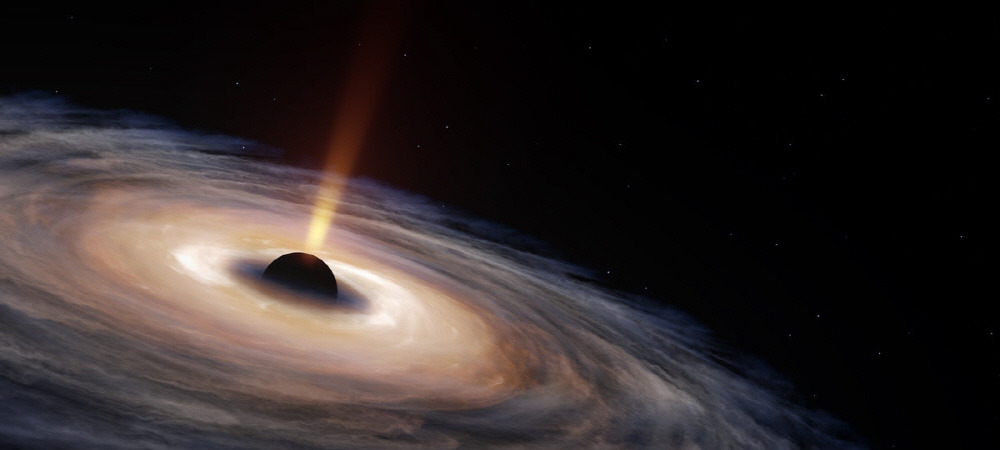
This collision marks the limits of our current theories and urgently signals the need for a new physics known as ‘quantum gravity theory’.
The Race Towards Unification: String Theory vs Loop Quantum Gravity
Physicists have developed two leading candidate theories to solve this problem.
String Theory: Everything is a Vibrating ‘String’
String Theory posits that all fundamental particles are not points but rather tiny one-dimensional energy ‘strings’ that vibrate.
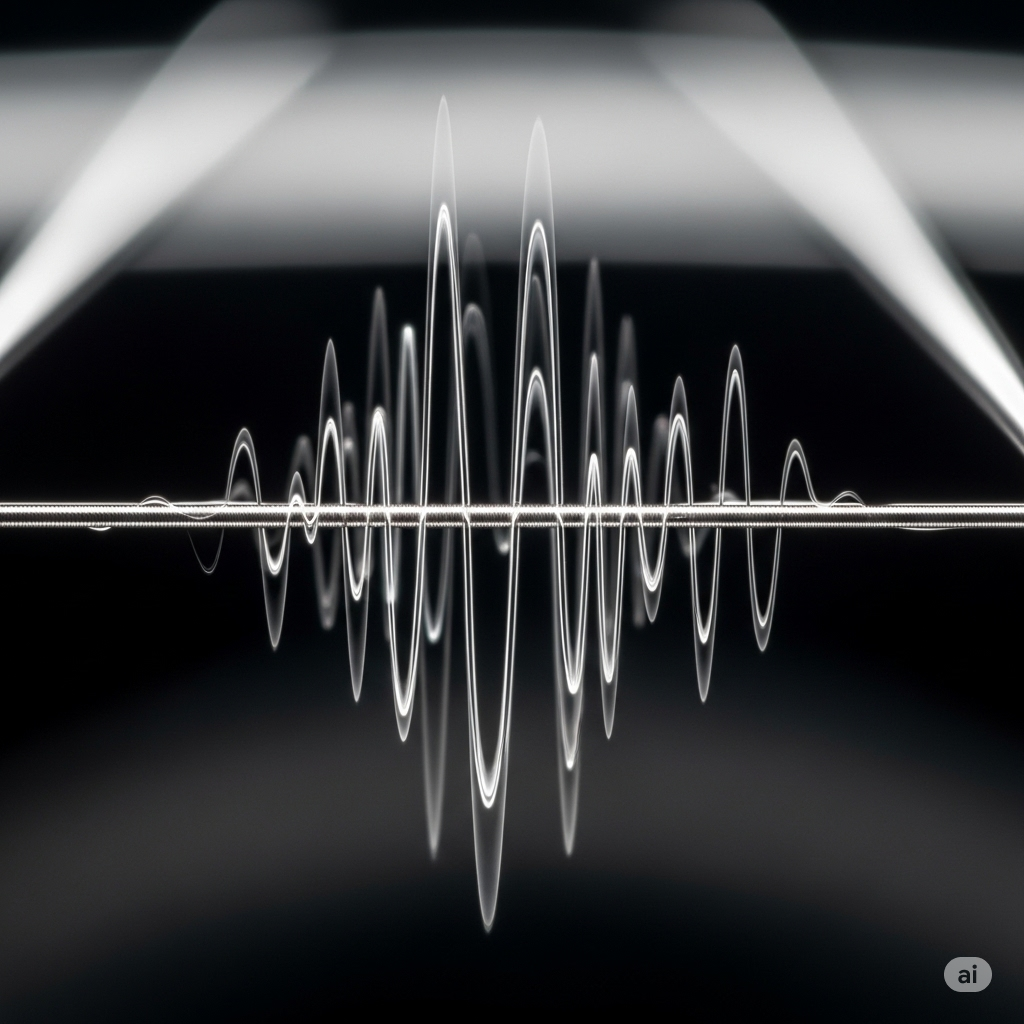
Different modes of vibration of the strings manifest as different particles such as electrons, quarks, and photons. Remarkably, a specific mode of vibration of the string exactly matches the characteristics of the ‘graviton’ that mediates gravity, naturally integrating gravity. However, a drawback of this theory is that it requires our universe to have 10 or 11 dimensions.
Loop Quantum Gravity: Space is Discrete ‘Pixels’
Loop Quantum Gravity (LQG) applies the rules of quantum mechanics to Einstein’s idea that ‘gravity is geometry’.
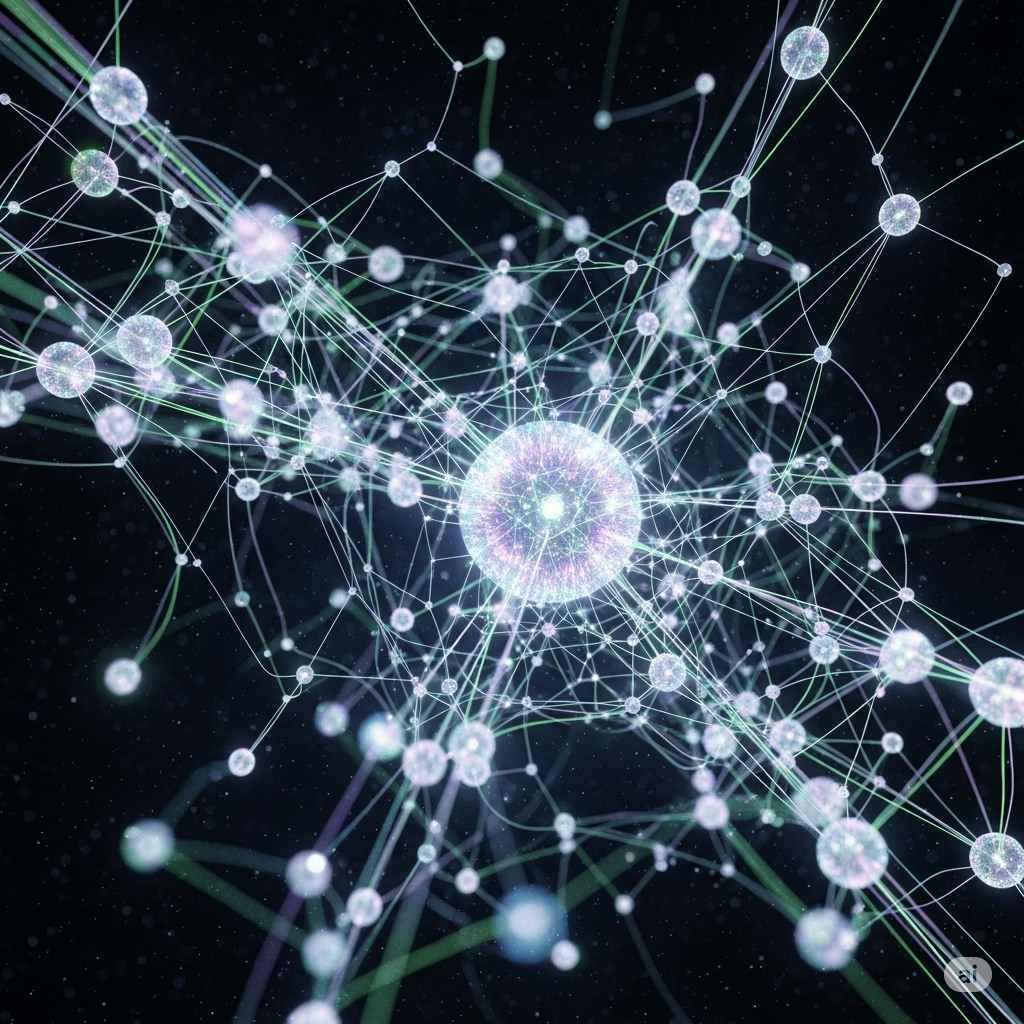
According to this theory, space is made up of discrete ‘atoms’ or ‘pixels’ that cannot be divided further. These atoms of space are connected by a web of relationships called ‘spin networks’, and this network itself defines space. This structure naturally resolves the singularity problem because it posits the existence of the smallest unit of space.
Comparison/Alternatives
A Side-by-Side Comparison of the Two Unification Theory Candidates
When I first encountered these two theories, the most confusing aspect was the fundamental difference in their perspectives on reality. The key differences between the two theories can be summarized in the following table.
| Feature | String Theory / M-Theory | Loop Quantum Gravity Theory |
|---|---|---|
| Fundamental Entity | 1-dimensional strings and higher-dimensional ‘branes’ vibrating in background spacetime | Quantized ’loops’ or ’nodes’ of spacetime volume. The network itself is spacetime. |
| Perspective on Spacetime | A passive background stage where strings move (background dependent) | A dynamic network built on fundamental relationships (background independent) |
| Required Dimensions | 10 or 11 dimensions | 4 dimensions (no extra dimensions needed) |
| Main Goal | ‘Theory of Everything’ (integrating all forces and particles from the start) | ‘Quantum Gravity Theory’ (first quantizing gravity) |
| Singularity Resolution | Avoids infinity by ‘blurring’ through string interactions | The minimum unit of space prevents infinite collapse |
| Core Challenge | Lack of verifiable predictions, too many possible universes (’landscape problem’) | Difficulty in integrating other forces/particles of the Standard Model |
Conclusion
The journey towards the Theory of Everything is humanity’s great challenge to answer the most fundamental questions of the universe. The key points of this article can be summarized in three:
- Two Divided Kingdoms: Modern physics is divided into two great theories: general relativity explaining the vast universe and quantum mechanics dealing with the microscopic world.
- The Need for Collision Points: The two theories clash in extreme environments like the center of black holes, clearly demonstrating the need for a ‘Theory of Everything’.
- Two Leading Candidates: String theory and loop quantum gravity theory are strong candidates to solve this problem, each presenting fundamentally different perspectives on reality and competing with each other.
What will be the next movement in this cosmic symphony? Please feel free to share your thoughts in the comments about which candidate you think is closest to the Theory of Everything, or if there might be entirely new possibilities!