
How Much of Your Day is Being Recorded?
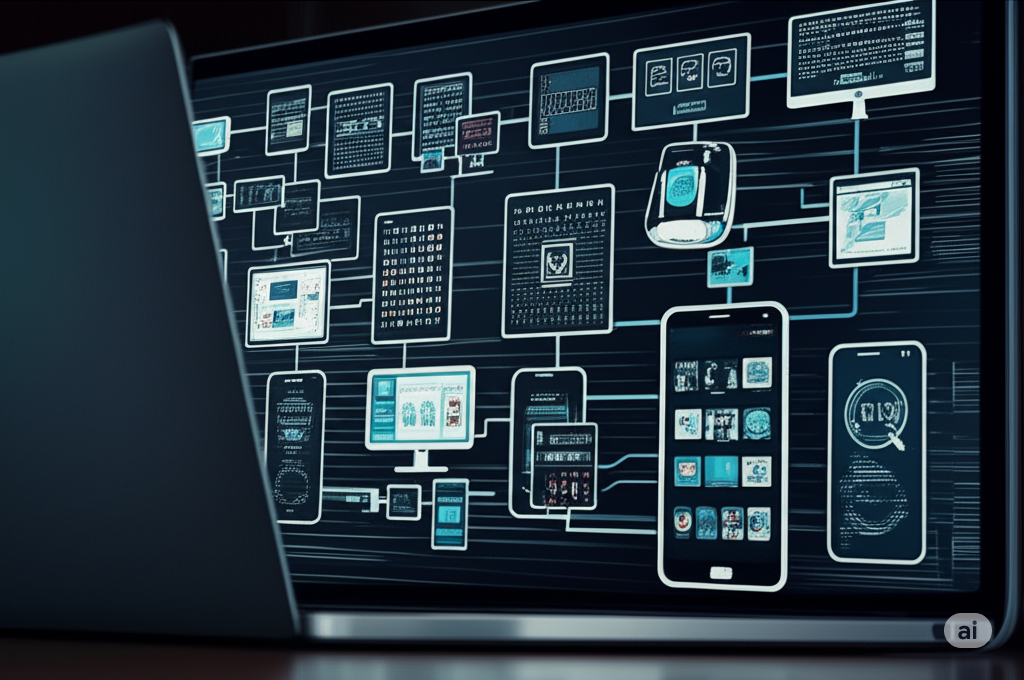
From the moment we wake up and check our messages on our smartphones, we begin our day within the network of technology. As we step outside, the CCTV in the alley captures our movements, and our travel routes are recorded as we pass through subway turnstiles. Conversations with friends over messaging apps, product lists we browse on online shopping sites, and even a single word we search for casually—all of these weave together into a vast tapestry of data.
This data sometimes makes our lives more convenient and serves as a strong shield protecting us from danger. It plays a crucial role in tracking criminals, predicting disaster situations, and reuniting missing children with their families. However, a chilling question suddenly arises: “Is it really okay for someone else to look at all these records?” In front of the double-edged sword of technology, the value of everyone’s ‘safety’ and the right to my ‘secrets’ are in a tense standoff. At the center of this tension stand IT companies, the state, and we, the individuals.
First Perspective: “How Should Good Technology Be Used?” - The Dilemma of IT Companies
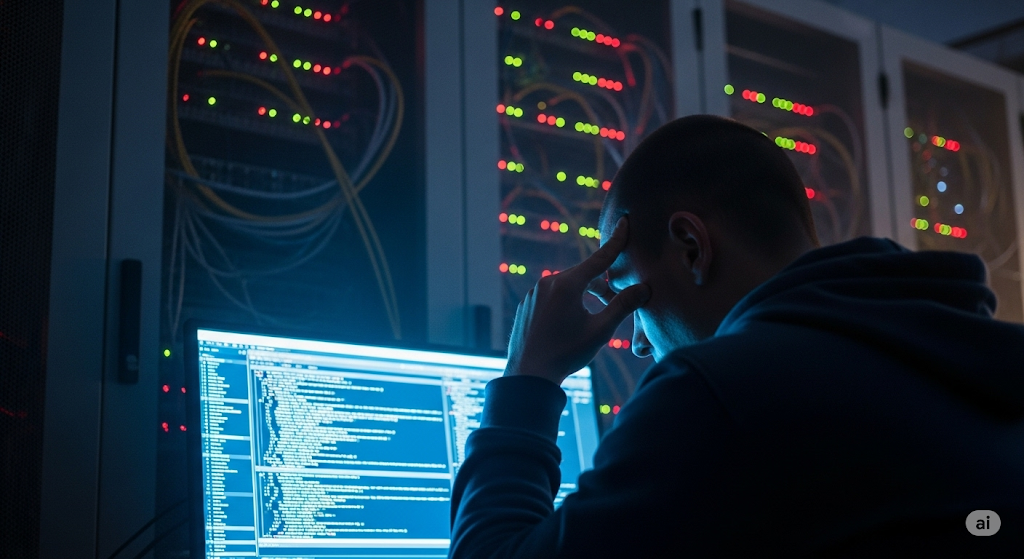
There are IT companies that started with the ideal of making the world a better place. They want to change people’s lives with innovative technology and sometimes contribute to illuminating the dark corners of society. In fact, many companies utilize their AI video analysis or big data processing technologies for public good, contributing to crime prevention and solving social issues.
However, one day, a request comes from a government agency: “We need to track a suspect who poses a threat to national security, so please provide all communication records and location information of a specific user.” The company falls into deep contemplation.
- The Promise of Trust with Users: The greatest asset of a company is the trust of its users. It has grown based on the promise, “We will protect your data safely.” The moment this promise is broken, users will turn their backs, and the very existence of the company could be jeopardized. An internal voice rises: “Protecting our customers is our top priority.”
- The Weight of Social Responsibility: What if a terrible tragedy occurs because information is not provided? They would face accusations of having the technology to prevent a disaster but remaining passive. The sense of responsibility for having good technology yet being a bystander, along with the social pressure to prevent greater risks, weighs heavily.
Ultimately, the company begins a precarious balancing act between the conflicting values of ‘user protection’ and ‘public cooperation.’ What information to provide, through what legal procedures, and to what extent? In the absence of clear social consensus and standards, the ethical dilemmas of those who possess technology can only deepen.
Second Perspective: “Where Does Protection End and Surveillance Begin?” - The State’s Difficult Homework

One of the most important duties of the state is to protect the lives and safety of its citizens. The state seeks to mobilize all possible means to protect its citizens from crime and disaster. In modern society, there are few means as powerful and efficient as ’technology.’
The state wants to install more intelligent CCTV and introduce integrated data analysis systems to predict and block risks in advance. It persuades citizens, saying, “For everyone’s safety, we must endure a little inconvenience and transparency,” and accelerates the establishment of a dense social safety net using technology.
However, the state also has the obligation to guarantee the basic rights of its citizens, namely the freedom of privacy and the right to exist anonymously.
- The Temptation of Efficient Control: There is always a realistic threat that information collected to protect citizens may deviate from its original purpose and become a tool for surveillance and control, like ‘Big Brother.’ Voices warning against the potential for abuse of power and the stigma of being a ‘potential criminal’ resonate throughout society.
- Laws and Regulations Lagging Behind Technology: Technology advances at the speed of light, but social consensus and legal standards on how to use that technology crawl at a snail’s pace. The state faces the difficult task of defining where ’legal information collection’ ends and ‘unjust invasion of privacy’ begins, navigating that precarious boundary.
Ultimately, the state bears the heavy responsibility of constantly questioning how far it can intervene in the name of ‘protection’ without infringing on the core value of ‘freedom.’
Third Perspective: “What Will I Give Up and What Will I Keep?” - Individual Choices

Now, it’s our own story. We want to enjoy the convenience and safety that technology offers. We marvel at content recommendation services that accurately target our preferences and find it hard to step out without navigation that analyzes our travel routes to show the fastest way. We also hold a vague belief that CCTV around us will protect us in dangerous situations.
However, at the same time, we do not want our trivial habits, intimate thoughts, and precious relationships to be laid bare to someone else.
- What is the Cost of Convenience? Every time we install a new app, we face numerous ‘consent’ buttons. Rather than carefully reading how our information will be collected and used, we often mindlessly click ‘agree to all’ for immediate convenience. But if the cost of that convenience is gradually giving away our private space, what choice should we make?
- “Am I Okay with Being Watched?”: We might think, “I have nothing to hide, so it doesn’t matter.” However, a society where everyone watches and is watched can intimidate us and stifle free thought and creative expression. We must each ask ourselves whether we truly want a society where all our actions are evaluated and predicted under the pretext of safety.
We are subjects who must constantly find our own answers while balancing convenience, safety, and privacy. In an era where we cannot blindly reject or accept technology, we need to become wiser and more conscious users than ever before.
Conclusion: A Promise for a New Future, ‘Digital Social Contract’
Technology is neither inherently good nor evil. It is the values and agreements of our society that determine the face of technology. It is time for IT companies, the state, and individuals to stop the zero-sum game of only asserting their own positions and seek sustainable coexistence based on trust. To this end, we must establish the principles of a ‘Digital Social Contract’ together.

1. Role of IT Companies: ‘Responsible Innovators’
As the creators of technology, companies must bear heavy social responsibilities commensurate with their immense power. Beyond pursuing profit, they must lead innovation in a direction that contributes to humanity.
- Privacy by Design: From the very first stage of planning products and services, privacy protection must be included as a core element. The principle should be to collect only the ‘minimum necessary’ for service provision, rather than collecting data ‘as much as possible.’
- Mandatory Transparency Reports: Companies should regularly and transparently disclose what types of data requests they receive from the government, how much of that data is provided, and on what legal grounds. This will serve as an effective mechanism for companies to maintain trust with users while monitoring the abuse of state power.
- Active Development of Technical Alternatives: There is a need for active investment in technologies such as ‘pseudonymized data’ that cannot identify individuals or ‘Federated Learning,’ which allows AI to learn on individual devices without sending data to a central server, capturing both privacy and data utilization.
2. Role of the State: ‘Wise Mediators’
The state should not merely remain a subject of regulation and control. It must delicately and wisely lead social discussions to find a balance that allows all citizens to enjoy the benefits of technological advancement while ensuring that basic rights are not infringed.
- Establishment of Independent Data Oversight Bodies: An independent oversight body composed of technology experts, legal professionals, and citizen representatives should be created to monitor and check whether the data collection and utilization by the government or institutions are lawful and ethical.
- Flexible Legal Frameworks for Technological Change: Rather than laws tied to specific technologies, a ’technology-neutral’ legal system should be established that can be flexibly interpreted and applied based on the principle of ‘protecting citizens’ privacy.’
- Activation of Social Public Discourse: Before introducing new technologies, the process of thoroughly discussing their potential impacts on our society and reaching social consensus should be institutionalized. A pathway must be widened for citizens to participate in policy-making processes as subjects of technology.
3. Role of Individuals: ‘Awakened Data Sovereigns’
The future shape of society ultimately depends on the choices of each one of us. We must become ‘data sovereigns’ who voice our opinions, rather than passive consumers who settle for convenience and give up our rights.
- Strengthening Digital Literacy Education: We must cultivate the ability to clearly understand and control how our data is collected and utilized, and what value it holds. This will be a core survival skill for future generations.
- Normalization of Privacy Protection Tools: Small but meaningful practices, such as using encrypted messaging apps and activating tracking prevention features in browsers, are necessary to protect our information.
- Voicing Through Solidarity and Participation: While individual power may be weak, it becomes powerful when citizens with shared intentions unite. We must actively express our opinions through civic organizations regarding corporate data policies or state surveillance laws and demand better directions.
Ultimately, technology reflects the image of our society. How we treat each other and what we consider important values will be directly projected in the mirror of technology. When responsible innovation by companies, wise mediation by the state, and proactive participation by individuals harmonize, we can truly make technology a tool for the happiness of humanity.