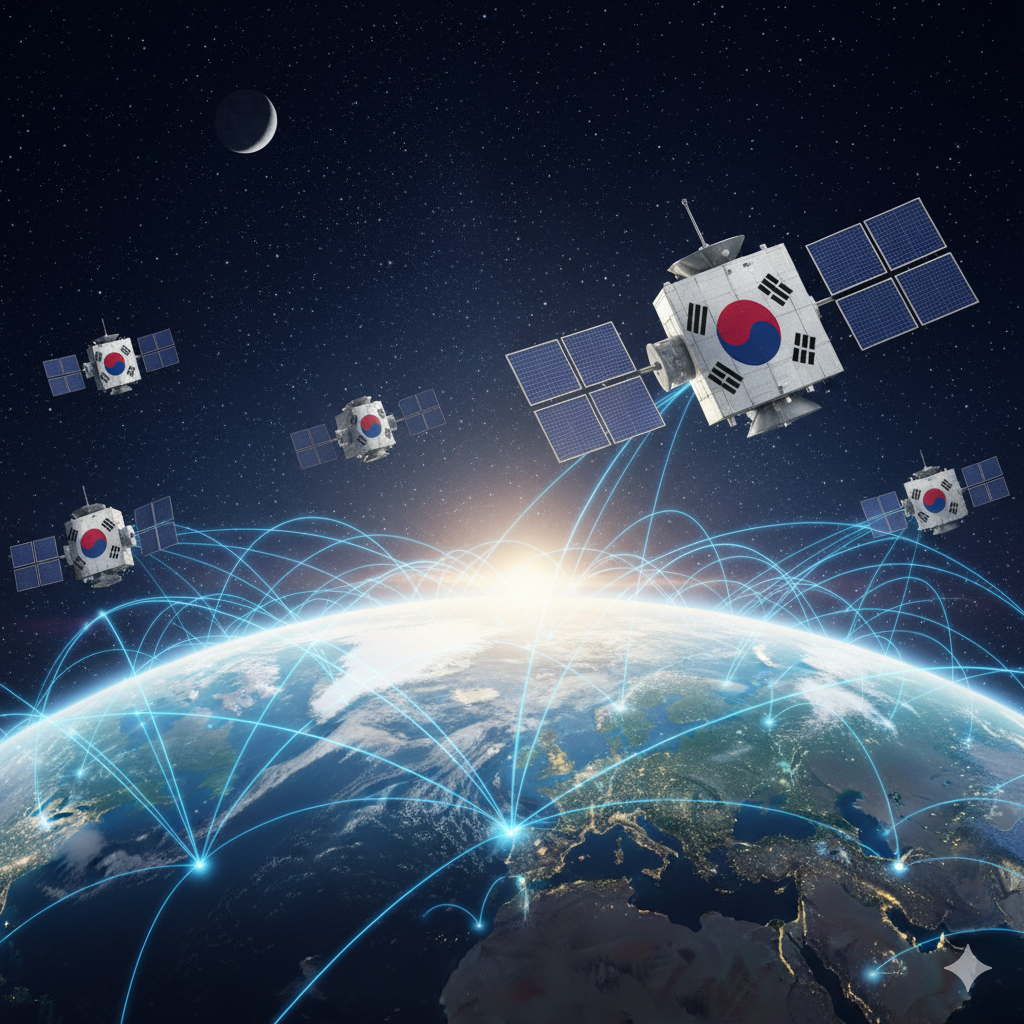
Who Holds Your Lifeline?
In a disaster scene filled only with darkness and silence, all communications on the ground have been cut off. You raise your smartphone to the sky, holding onto your last hope. Moments later, the three words ‘Connected’ appear on the screen. It is a miraculous signal sent from a small satellite orbiting far away in space.
But what if the ‘switch’ that turns that signal on and off is in the hands of a company from another country, tens of thousands of kilometers away? If that person decides to turn off the switch based on their beliefs, your lifeline is severed.
This is not just a simple imagination. In 2022, this actually happened in the skies over Ukraine, marking the beginning of an event that etched the unfamiliar term ‘orbital sovereignty’ into our minds as a matter of survival.

Part 1: The Failed Dream and the Resurrected Empire
The Ambitious Dream of an Old Giant: Iridium
In the 1990s, Motorola, the king of mobile phones, dreamed a monumental dream that would go down in human history. It was the ‘Iridium’ project. The promise was to create a world where calls could be made from anywhere on Earth, even in the middle of the Sahara Desert or over the vast Pacific Ocean. This grand plan aimed to eliminate communication shadows by weaving together 66 low-orbit satellites and was technically a perfect success.
However, this dazzling technical success ended in a disastrous commercial failure. The reason was simple: it was too expensive. In an era when rockets costing billions were launched and discarded, those costs were passed directly to consumers. No one could afford a phone that cost millions or pay thousands per minute in call charges. People opted for much cheaper terrestrial roaming services. Ultimately, Iridium went bankrupt, leaving behind the bitter lesson of the ‘curse of advanced technology.’
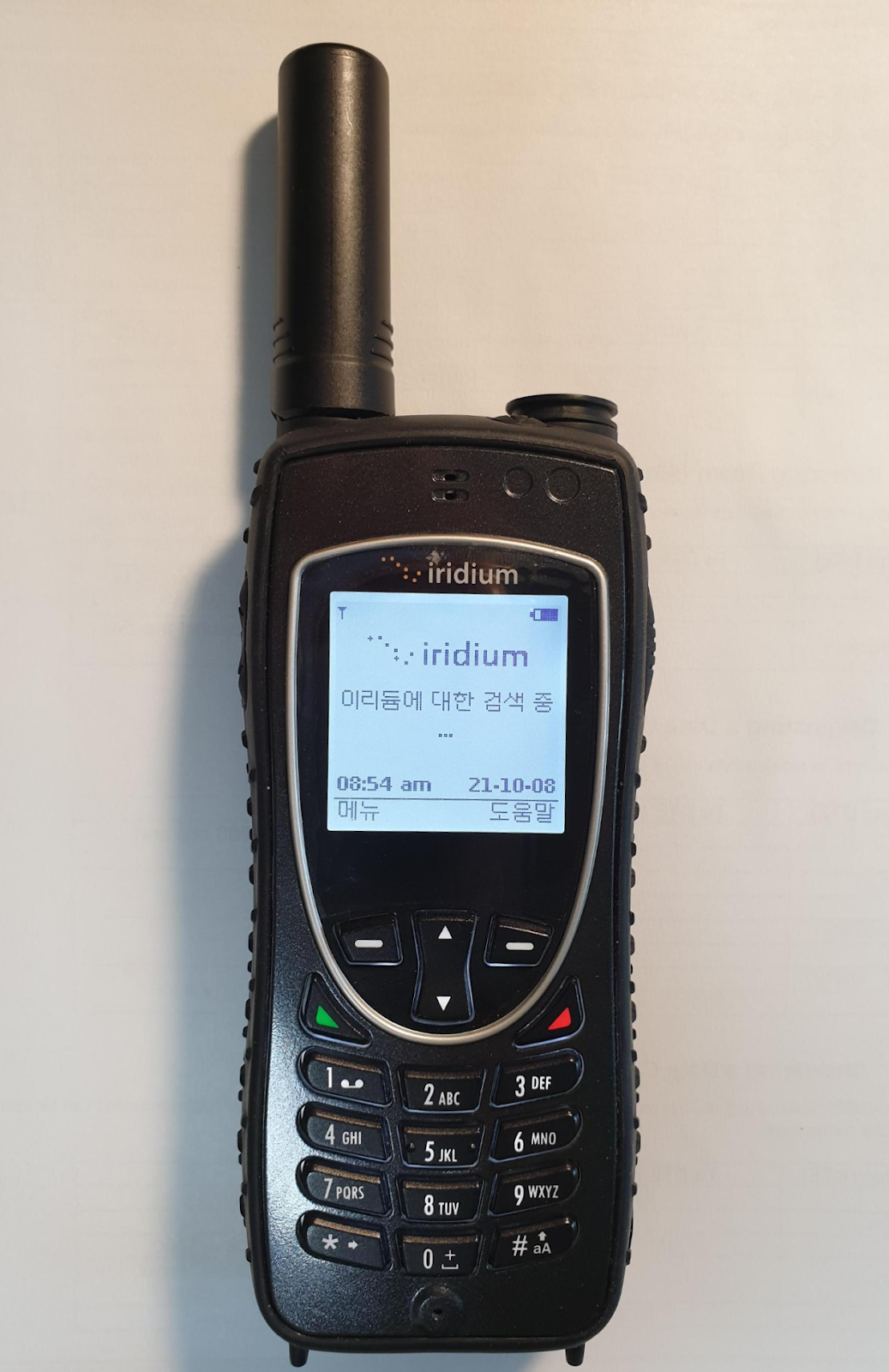
The Rescuer Who Revived the Dying Ember
When everyone thought low-orbit satellite communication was over, an unexpected rescuer appeared: the U.S. Department of Defense, the Pentagon. They recognized the strategic value of Iridium, which could operate steadfastly in the sky even when ground communications were paralyzed by war or disaster. With Pentagon support, Iridium miraculously survived, leaving an important precedent that commercial communication systems could become the heart of national security at any time.
The Hero Leading the Renaissance: Starlink
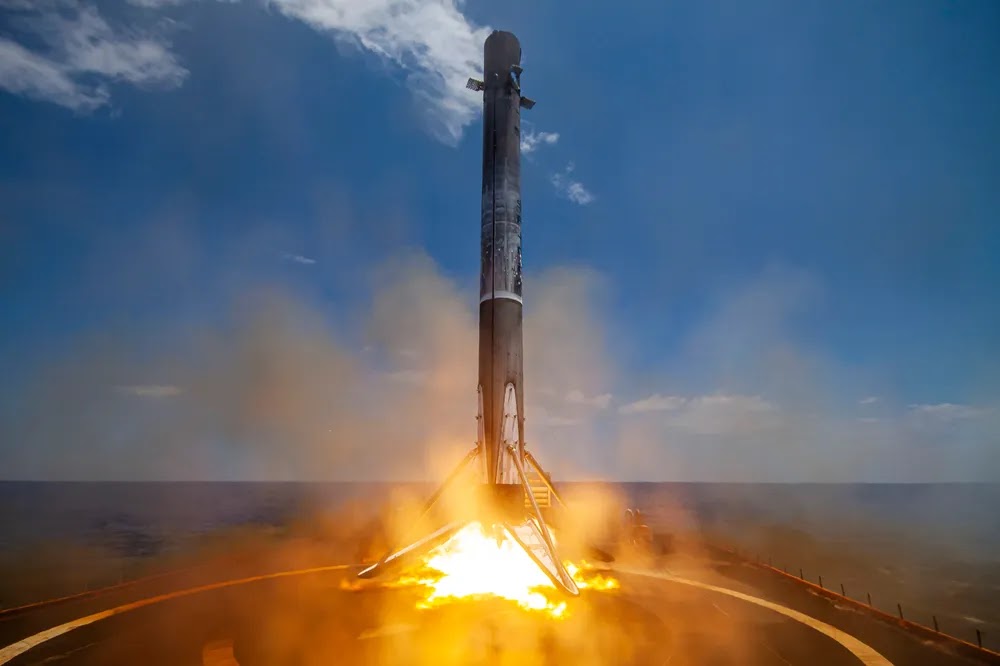
Now, 20 years later, we are witnessing the glorious revival of low-orbit satellites, a ‘Renaissance.’ At the center of this is Elon Musk’s ‘Starlink.’ What turned failure into success? The answer lies in ‘reusable rocket’ technology.
In the past, rockets worth billions that were discarded in the ocean have been successfully recovered and reused, reducing launch costs to one-tenth. With the shackles of cost removed, the ‘mega-constellation’ of thousands and tens of thousands of satellites became a reality. The moment the dream of the 1990s became the reality of the 2020s, a new space race began to determine the owners of the sky.
Part 2: The Shadow of Ukraine
Heroes of War and the Invisible Hand
In 2022, Ukraine’s communication network was reduced to ashes due to Russia’s invasion. The light that became a beacon for Ukraine, which was about to be trapped in darkness, was none other than Starlink. It connected government communications, served as the eyes of drones to attack enemies, and informed the world of the horrors of war, all through Starlink. Starlink emerged as a ‘game changer’ in modern warfare.
However, this powerful force cast a dark shadow. The ‘sky switch’ that turned the system on and off was in the hands of just one person, Elon Musk, not the Ukrainian government or its ally, the United States.
A Single Decision Changing the Battlefield
This precarious reality was revealed when Musk blocked Starlink services near the Crimean Peninsula. At that time, Ukraine was preparing a large-scale drone attack against the Russian fleet. However, Musk, who controlled communications in the operation area, refused service based on his personal judgment of not wanting to escalate the war, leading to the operation’s failure.
This incident posed a shocking question to the world: “Can the fate of a country be determined by the beliefs of a foreign corporate CEO, who is not even an ally?”
Starlink was no longer just an internet service. It became a geopolitical weapon capable of derailing a country’s military operations and a diplomatic lever. Ukraine’s ordeal left a clear lesson: under skies controlled by others, there is no true sovereignty.
Part 3: The 6G Era, Conditions for Survival
When Sky and Earth Become One
We are moving beyond 5G into the 6G era. 6G is not just about faster speeds; it marks the beginning of a ‘hyper-connected society’ where land and space are perfectly integrated into a single network. Smartphones will seamlessly switch between base stations and satellite signals, while flying taxis (UAM) and autonomous vehicles will continuously exchange road information. The key technology enabling all this is Non-Terrestrial Networks (NTN), or satellite communication.

# What If We Don’t Have Our Own Highway?
What would happen if we don’t have our own satellite network in such an era? It would be like relying on another country for both the cars running on a well-paved highway and the traffic signal control system. Not only would we have to pay exorbitant usage fees, but we would also be exposed to the risk of our transportation network being paralyzed by external hands, just like Ukraine.
Ultimately, orbital sovereignty is not a choice for technological hegemony in the 6G era; it is a necessary condition for the survival of national security and economy.
Part 4: South Korea at a Crossroads of Opportunity
So what is our reality? We have both hope and challenges.
- 🧠 Our Strengths: We possess the world’s best ICT technology and semiconductor capabilities. We have sufficient potential to lead the market for key components such as communication payloads and ground terminals, which are the ‘brains’ of satellites. Companies like Hanwha Systems and Intellian Tech are already showcasing world-class technology.
- 💪 Our Weaknesses: The most painful weakness is the lack of ‘muscle’ to launch satellites, meaning we do not have economically viable launch vehicles. The success of Nuri is a great first step, but we cannot launch thousands of satellites with a one-time-use method. Additionally, we are still a latecomer in the international competition to secure ‘frequencies and orbits,’ known as the sky’s pathways.
The Blueprint for Our Sky
The strategic ‘high ground’ of the 21st century is low-orbit space. Who occupies this high ground will determine the future of the nation. Securing ‘orbital sovereignty’ is no longer a task that can be postponed; it is a matter of survival.
To achieve this, we need a bold blueprint.
- Formation of a ‘National Low-Orbit Coalition’: We must create a ‘dream team’ that unites the capabilities of businesses and research institutes under government leadership.
- Commercialization of Reusable Launch Vehicle National Strategy: We must prioritize this as a matter of national fate, akin to semiconductors, and make long-term, stable investments.
- All-out War for ‘Orbital Real Estate’: We must immediately start a diplomatic war to secure the frequencies and orbits where our satellites will operate in the future on the international stage.
- Dual-Track Strategy: In the short term, we should dominate the global market with our strengths in ‘brains (core components),’ and in the long term, we should become the sovereign operators of our own satellite network based on this.
We must end the era of leaving the switch for our sky in the hands of others. The bold decisions and investments made now will be the most certain security and the strongest growth engine for the next generation.