
SpaceX Starship Development Status: Analysis of Flight 9 and Ship 36, and Preview of Flight 10
In August 2025, SpaceX announced the lessons learned from previous tests and the objectives for the upcoming 10th flight test. Let’s take a closer look at SpaceX’s development process, which learns from failures and evolves rapidly.
1. Flight 9 - Previous Test
The 9th flight test conducted on May 27 left both lessons of success and failure.
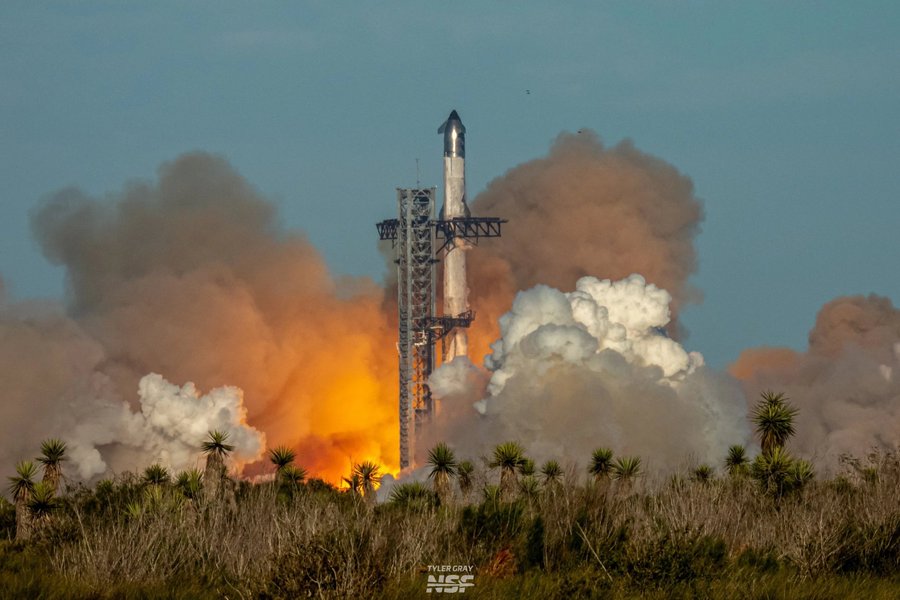
Super Heavy Booster
- Achievements: Successful launch of the reusable booster, complete combustion of 33 Raptor engines, and successful hot staging separation.
- Hot Staging: A technique where the upper (Starship) engine is ignited before the booster engines are completely shut down to achieve separation. For the first time, the booster successfully rotated in the intended direction.
Hot Staging
- Hot Staging: A technique where the upper (Starship) engine is ignited before the booster engines are completely shut down to achieve separation. For the first time, the booster successfully rotated in the intended direction.
- Cause of Incident: The booster intentionally flew at a high angle of attack (about 17 degrees) to collect performance limit data during its return. This resulted in higher aerodynamic loads than expected on the booster structure, particularly on the fuel transfer line. Ultimately, the fuel transfer line structurally failed just before landing burn, causing an explosion, and communication was lost at an altitude of about 1 km.
B14-2 Exploded in Air - Angle of Attack: The angle between the centerline of the vehicle and the direction of airflow. A larger angle increases lift and drag, increasing the load on the vehicle.
- Follow-up Actions: For the remaining flights of the current generation booster, the descent angle of attack will be reduced to minimize aerodynamic loads.
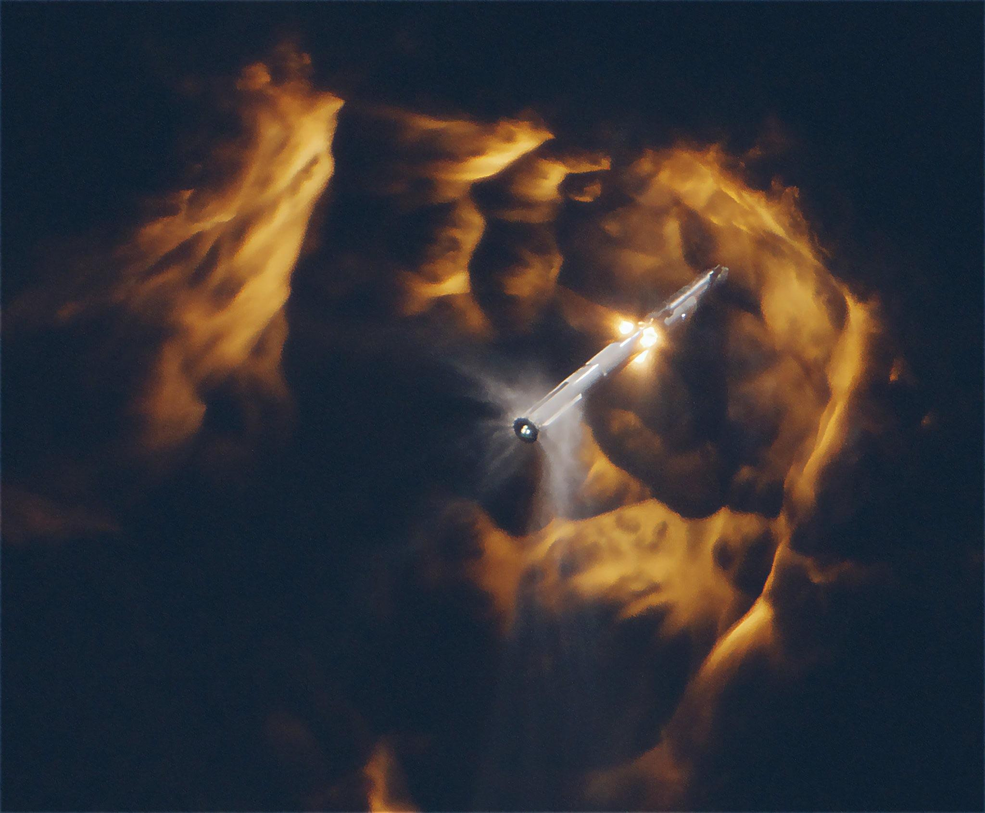
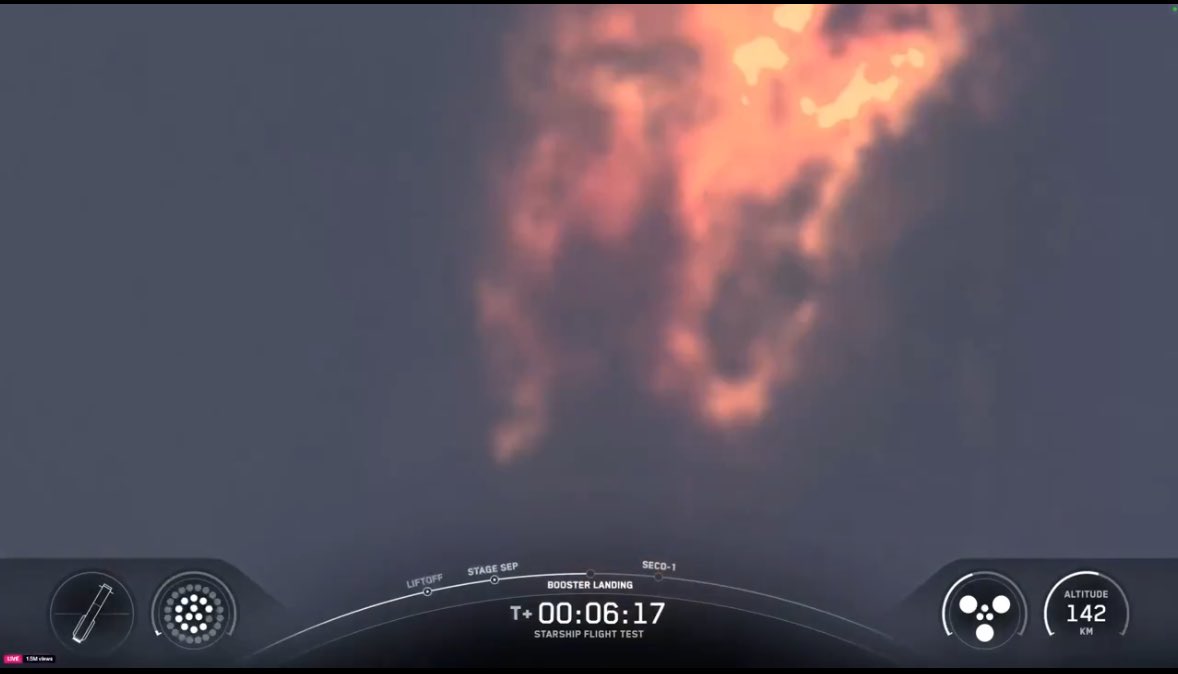
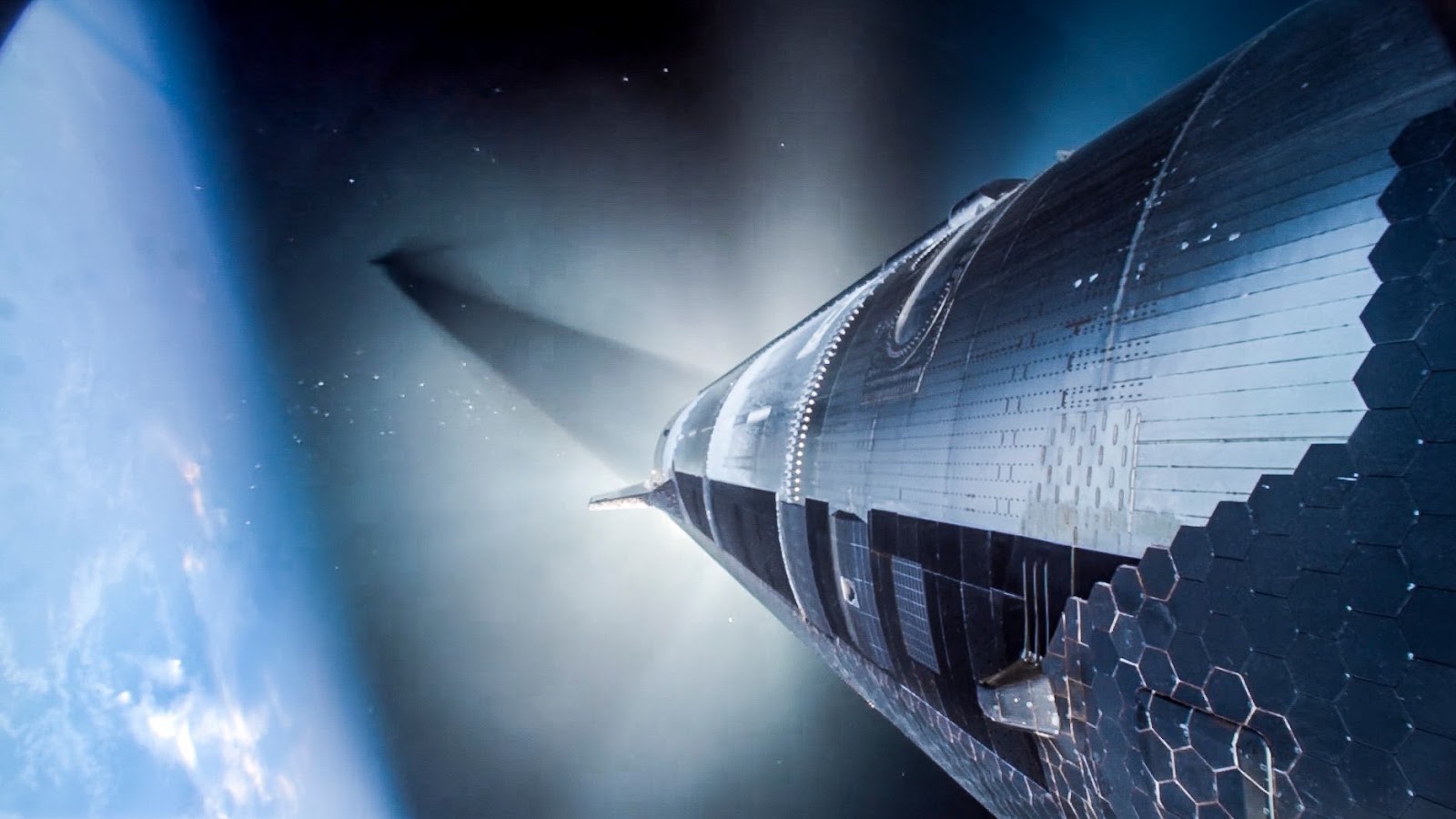
Starship Spacecraft (Upper Stage)
- Achievements: After stage separation, all six Raptor engines were successfully ignited, flying on the planned trajectory and reaching the target speed.
- Cause of Incident: During engine combustion, methane levels steadily increased at the nose cone. The cause was a failure in the fuel diffuser of the pressurization system located at the top of the main fuel tank. This led to an abnormal increase in nose cone pressure, causing issues with attitude control and skipping key mission objectives.
S35 - Fuel Diffuser: A device that evenly injects high-pressure gas to maintain constant pressure inside the fuel tank.
- Follow-up Actions: The diffuser has been redesigned to reduce structural loads and distribute gas more efficiently, and durability tests have been completed in harsh environments.
2. Ship 36 - Ground Test Incident
Ship 36, preparing for the 10th flight, was lost during a static fire test on June 18.
S36 has exploded.
— StarbaseTracking (@TrackingTheSB) June 19, 2025
this is very very very very very very bad.
📸NSF | SBL pic.twitter.com/bMwND5tORk
- Static Fire Test: A procedure where the rocket is fixed to the launch pad, and engines are ignited to verify that all systems are functioning correctly before launch.
- Cause of Incident: The most likely cause was damage to the Composite Overwrapped Pressure Vessel (COPV) located in the payload bay. It is presumed that undetected damage led to the vessel’s rupture, resulting in a chain reaction of structural failures and explosions.
- COPV: A high-pressure vessel made by wrapping a metal liner with lightweight and strong composite materials like carbon fiber. It is widely used in spacecraft to store gases while minimizing weight.
- Follow-up Actions: Various improvements will be implemented, including lowering the operational pressure of the COPV, enhancing inspections and tests, introducing new non-destructive testing methods, and adding external protective covers.
3. Preview of the 10th Flight Test
The launch window is expected to open at 8:30 AM KST on August 26, 2025, with live coverage starting approximately 30 minutes prior on SpaceX’s official channels.
- According to the NOTAM on August 20, 2025, it has been delayed by one day.
The 10th flight has bolder and more specific objectives based on previous lessons.
Goals for the Super Heavy Booster
In this flight, the booster will not return to the launch site but will land in the Gulf of Mexico, performing the following key experiments.
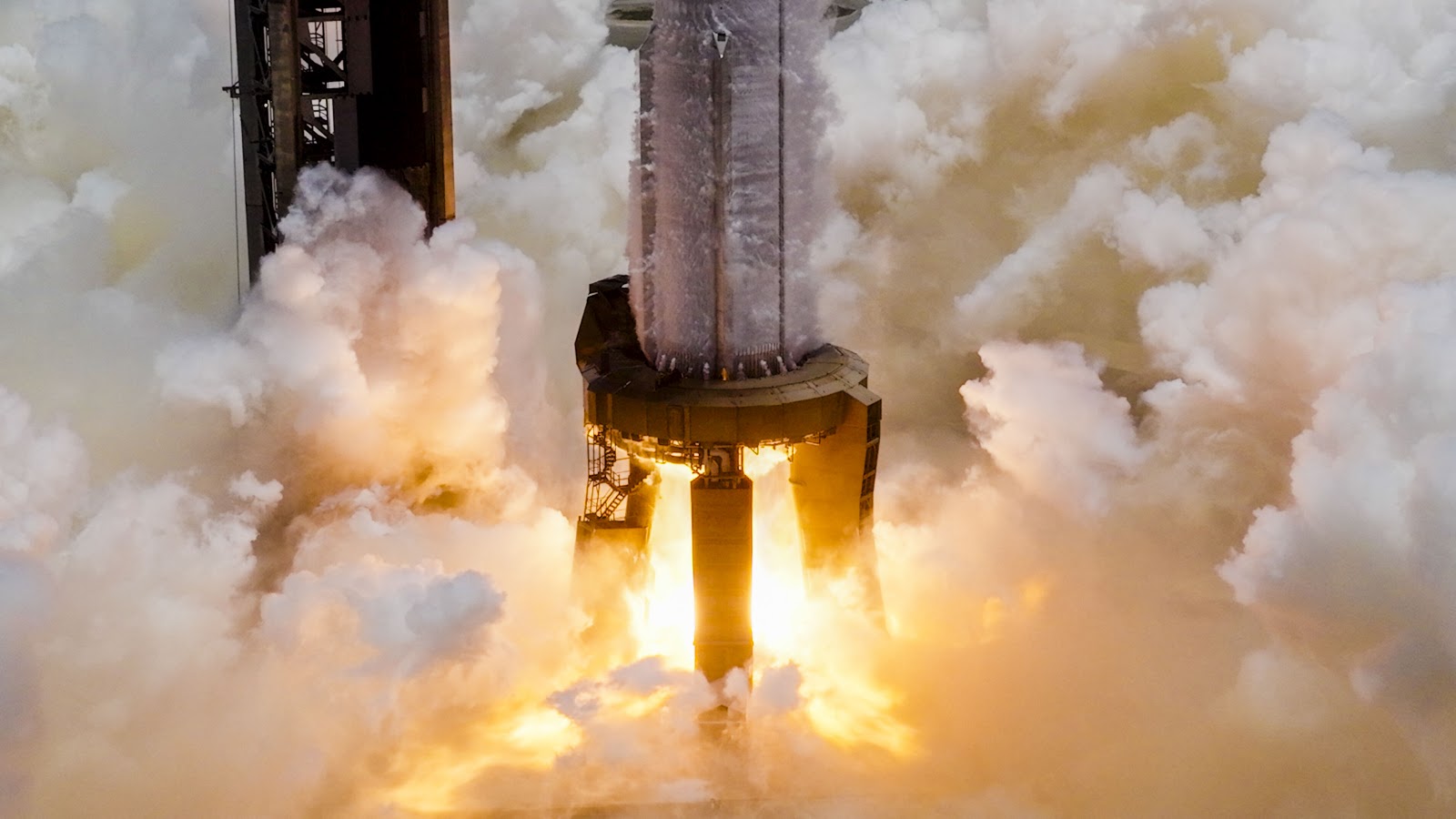
- Engine Failure Scenario Test: Intentionally deactivate one of the three central engines during the final landing phase and collect data to see if the backup engine in the middle ring can complete the landing burn.
- Hovering Test: In the final landing phase, only two central engines will be used to attempt hovering above the ocean surface momentarily. This is a key technology for landing accurately at a designated point.
Goals for the Starship Spacecraft
The upper stage of Starship will focus on various experiments for return and recovery to the launch site.
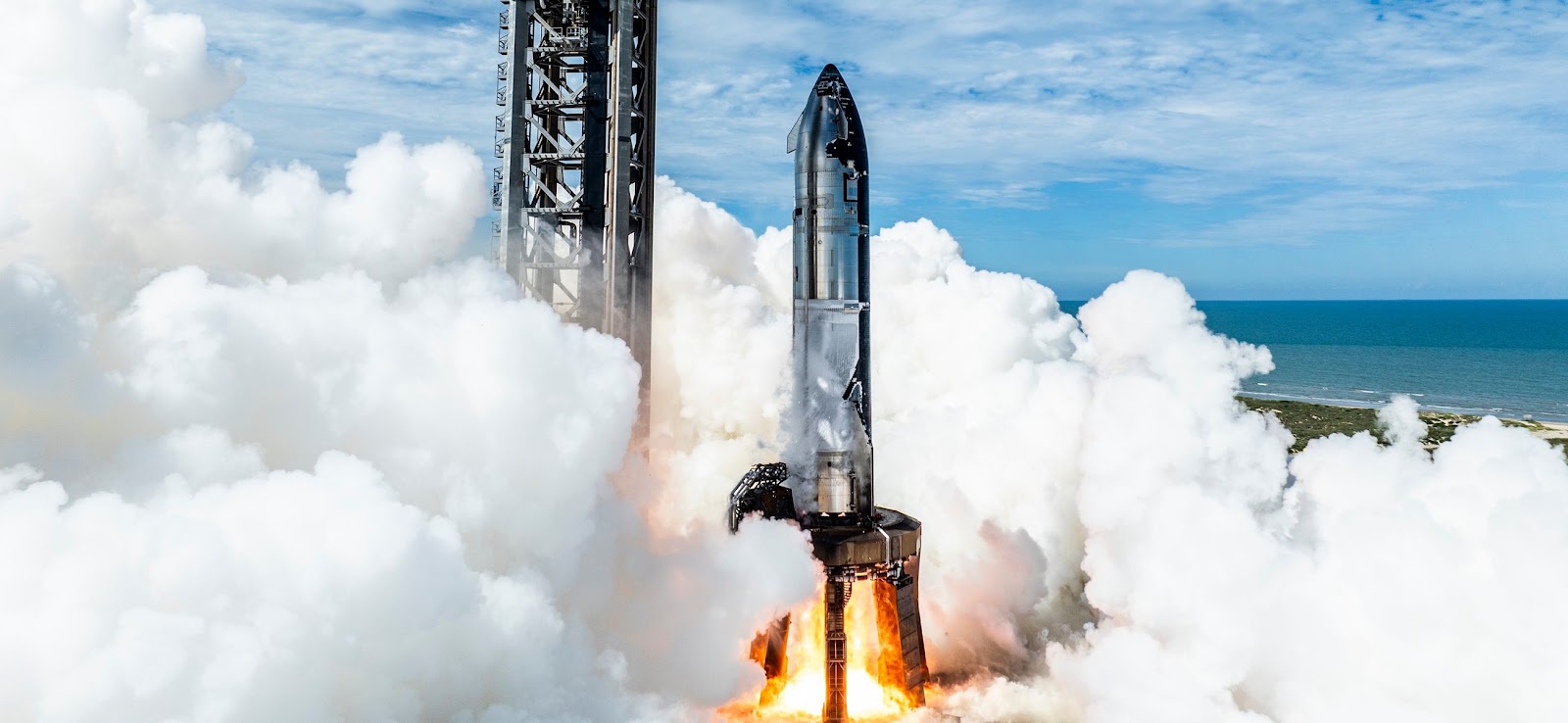
- Payload Deployment: Attempt to deploy eight Starlink simulators similar in size to next-generation Starlink satellites into space. These simulators are expected to disintegrate upon re-entry into the atmosphere.
- Re-entry Stress Test:
- Heat Shield Tile Removal: Intentionally remove some heat shield tiles that protect the vehicle from the high heat generated during re-entry to test the thermal performance of vulnerable areas.
- New Material Testing: Test the performance of alternative heat shield materials, including metal tiles with active cooling features.
- Flap Structural Limit Testing: Attempt a flight to test the structural limits of the rear flaps at the point where dynamic pressure is maximized during atmospheric re-entry.
- Catch Fittings Test: Test the thermal and structural performance of the ‘catch fittings’ installed to recover Starship using the launch tower’s ‘chopsticks’ in the future.