
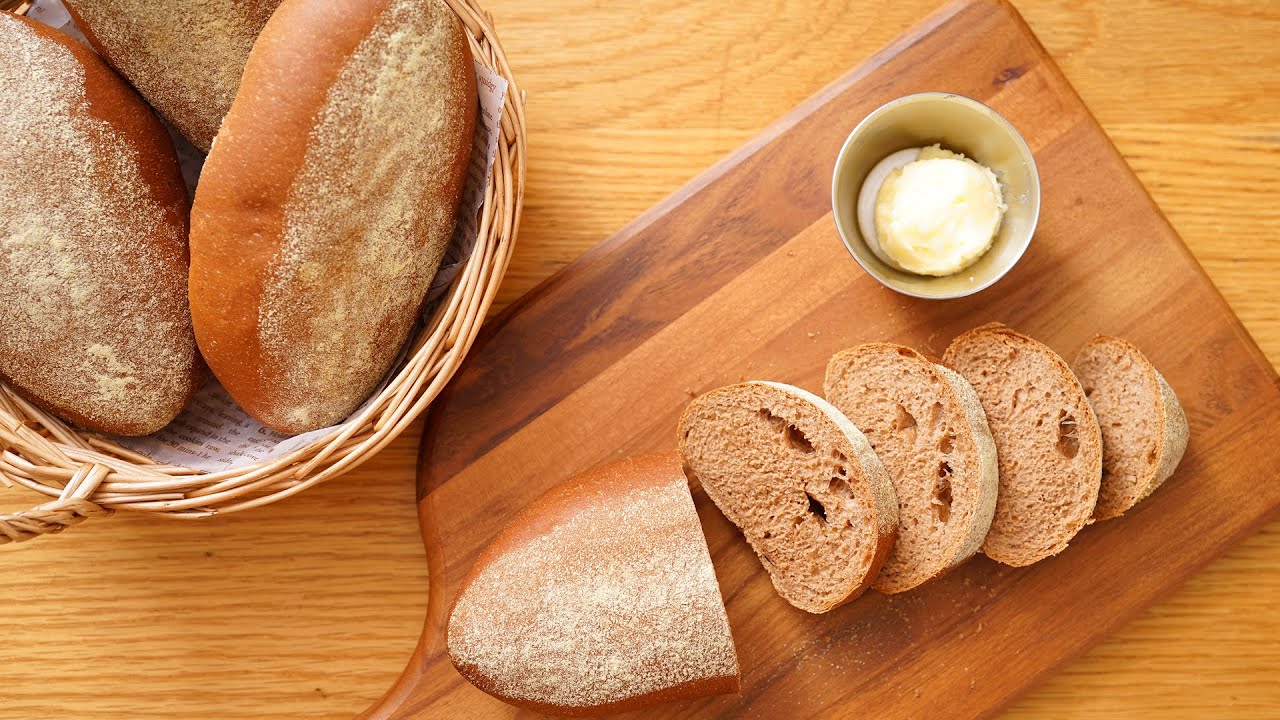
As soon as you sit down, a warm loaf of bread arrives—free of charge.
The reason Outback Bushman bread is free can be explained by four factors: an Australian-themed brand storybrand story, a loss leader strategy, the law of reciprocity, and word-of-mouth. This is an interpretation based on marketing and psychological theories, not the company’s official design intent.
If you view that loaf of bread as a “cost” rather than a “service,” the math changes.
These four elements do not operate in isolation; they function in a sequence that reinforces one another.
The story builds affinity, affinity leads to orders, and the satisfaction following the meal leads back to word-of-mouth.
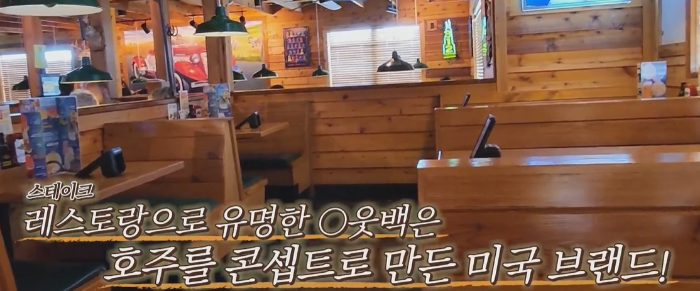
1. Brand Story: An ‘Australia’ Created by Founders Who Had Never Been There
Outback Steakhouse opened in 1988, not in Australia, but in Tampa, Florida.
At the time, the founders had never actually been to Australia. What they were selling wasn’t the real Australia, but the ‘fantasy of Australia’ planted by the movie Crocodile Dundee.
Bushman bread is a prop that captures that fantasy in a single bite.
While the name evokes the traditional ‘bush bread’ of Indigenous Australians, the ingredients and taste are entirely different. While traditional Indigenous bread is a rustic food baked with wild grains, Outback’s bread is a commercial product made sweet with honey and molasses.
💡 Faux-authenticity: Borrowing a primitive and romantic image while tailoring the taste strictly to the public’s palate. This is the origin of positioning it as a ‘commercial product with a story attached.’
2. Loss Leader: Spending Money on Bread Instead of Ads
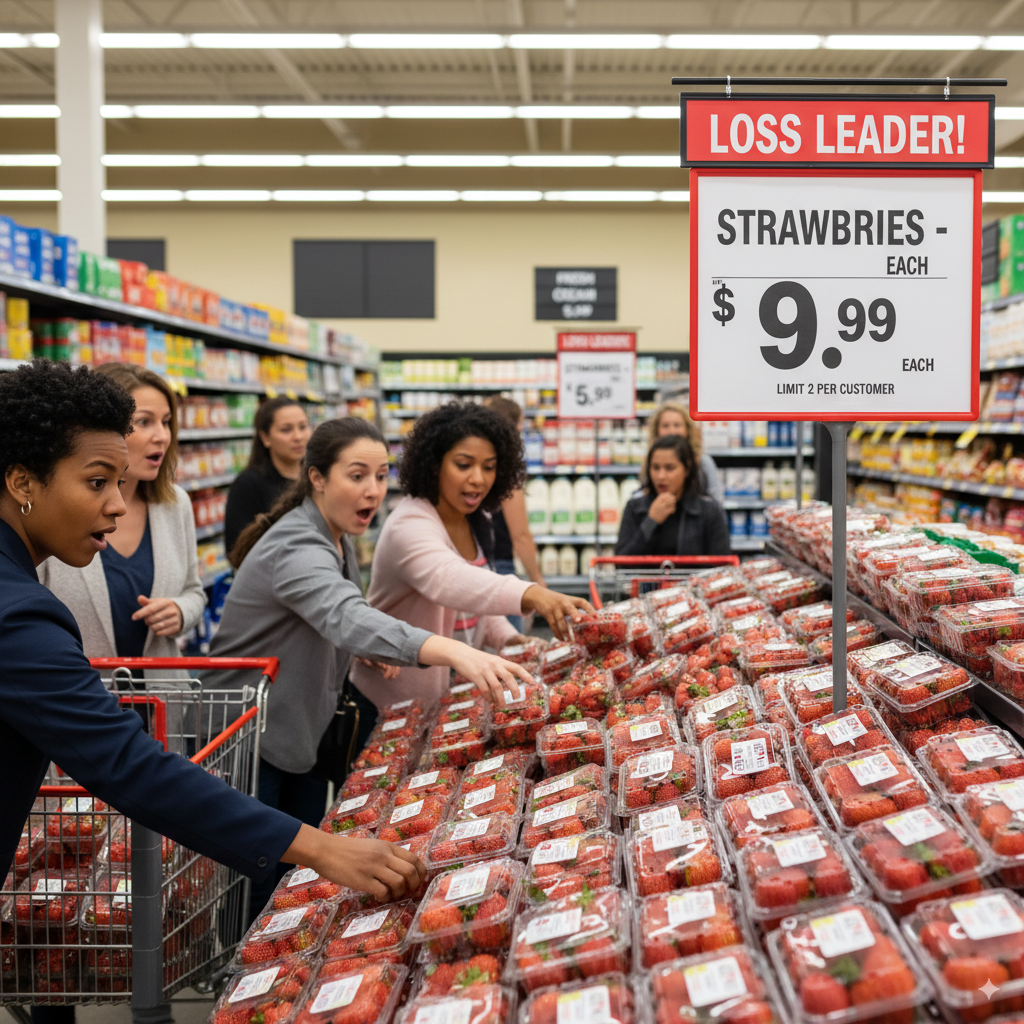
Economically speaking, free bread is a classic loss leader.
The cost of the bread is a marketing expense incurred to sell high-margin menu items like steak. Instead of spending heavily on advertising, the company spends a small amount per table to build affinity within the first five minutes.
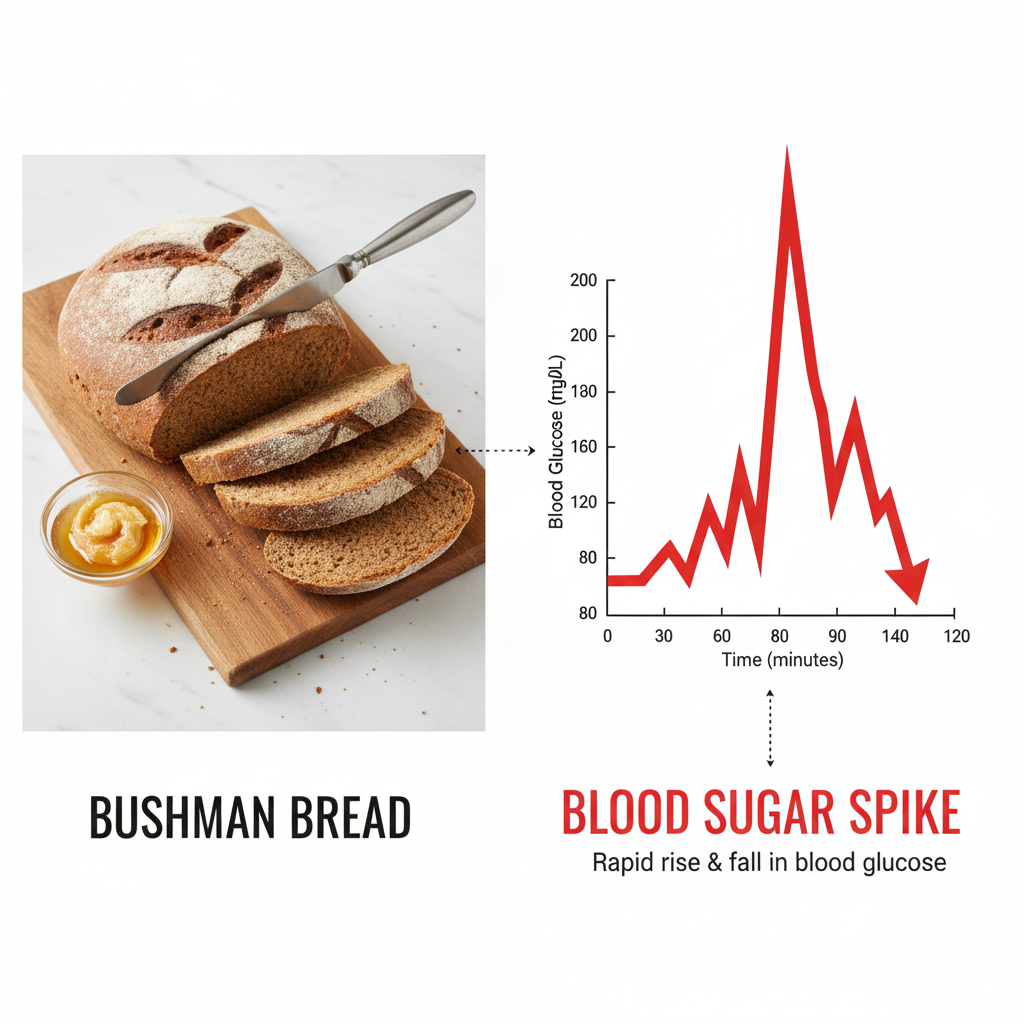
How much should we trust the ‘blood sugar spike’ hypothesis?
The explanation that “sweet bread raises blood sugar and makes you hungrier” is also frequently cited. It is true that refined carbohydrates containing honey and molasses can spike blood sugar relatively quickly when eaten on an empty stomach. For some, the subsequent insulin secretion causes a drop in blood sugar, leading to increased hunger.
However, individual differences are significant, and I haven’t found research directly proving that appetizer bread increases order totals. It is more accurate to view it as a possible side effect rather than ’engineered hunger.’ If you need to manage your blood sugar, it is best to adjust your intake of appetizer bread, and you should always consult your doctor regarding your personal health situation.
3. The Law of Reciprocity: The Small Debt Left by a Free Gift
In his book Influence, psychologist Robert Cialdini explains that people feel an urge to repay favors they receive. This is the law of reciprocity.
Bushman bread arrives as a ‘gift’ before you even order, with no way to pay for it. In that moment, the relationship between the restaurant and the customer shifts slightly from a transaction to an exchange of goodwill.
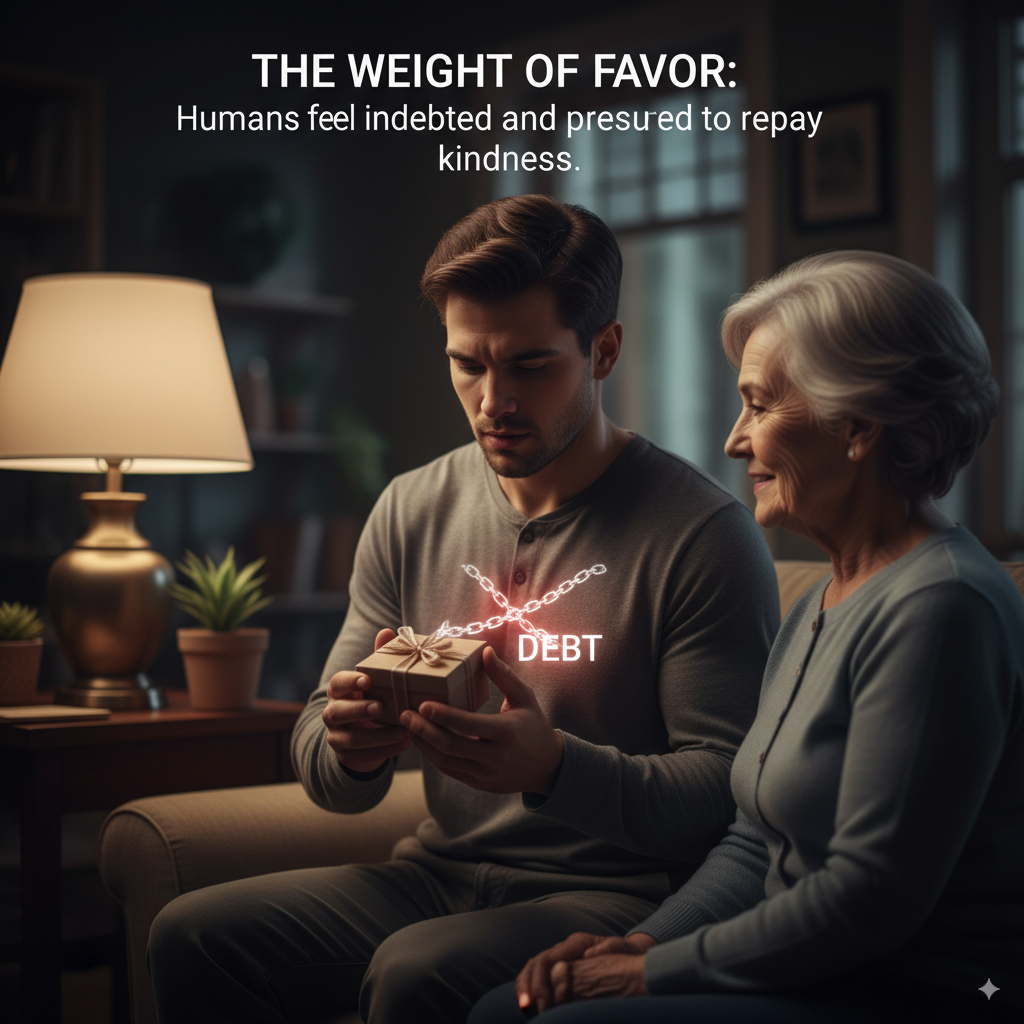
According to theory, that ‘social debt’ can manifest in several ways:
- More generous ordering: Choosing a higher-tier menu item.
- Greater tolerance: Being more forgiving if the food arrives a bit late.
- Larger tips: Rewarding the server (in regions with tipping culture like the U.S.).
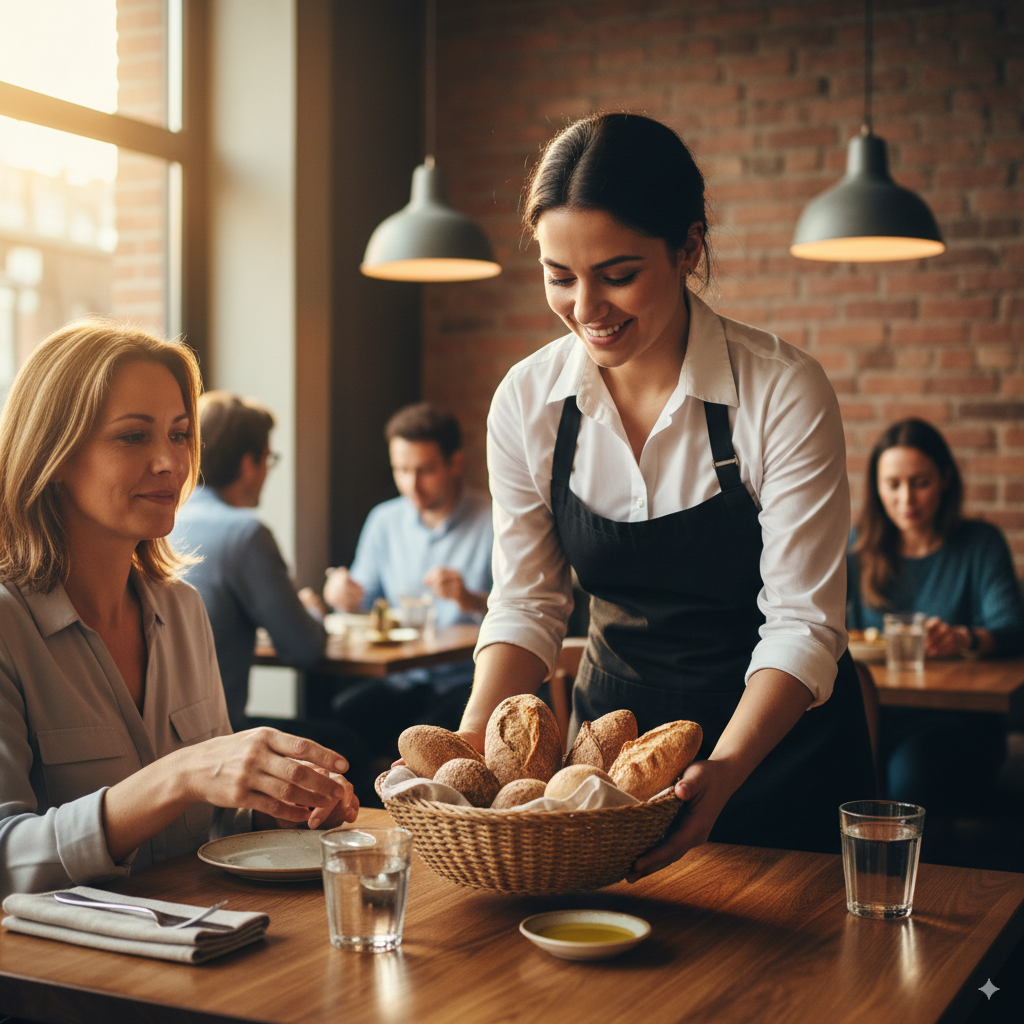
4. Word-of-Mouth: Social Currency as ‘Insider Tips’
The final mechanism operates outside the restaurant. Among customers, there are Outback tips that have spread in stages. Availability may vary by location and time.
- Bread is refillable.
- You can ask for remaining bread or extra bread to-go.
- You can request sauces like chocolate or blue cheese.
Such ‘insider information’ gains value when shared with others. The moment a customer passes a tip to a friend, they become a more credible promoter than any advertisement, allowing the company to acquire new customers with minimal ad spend.
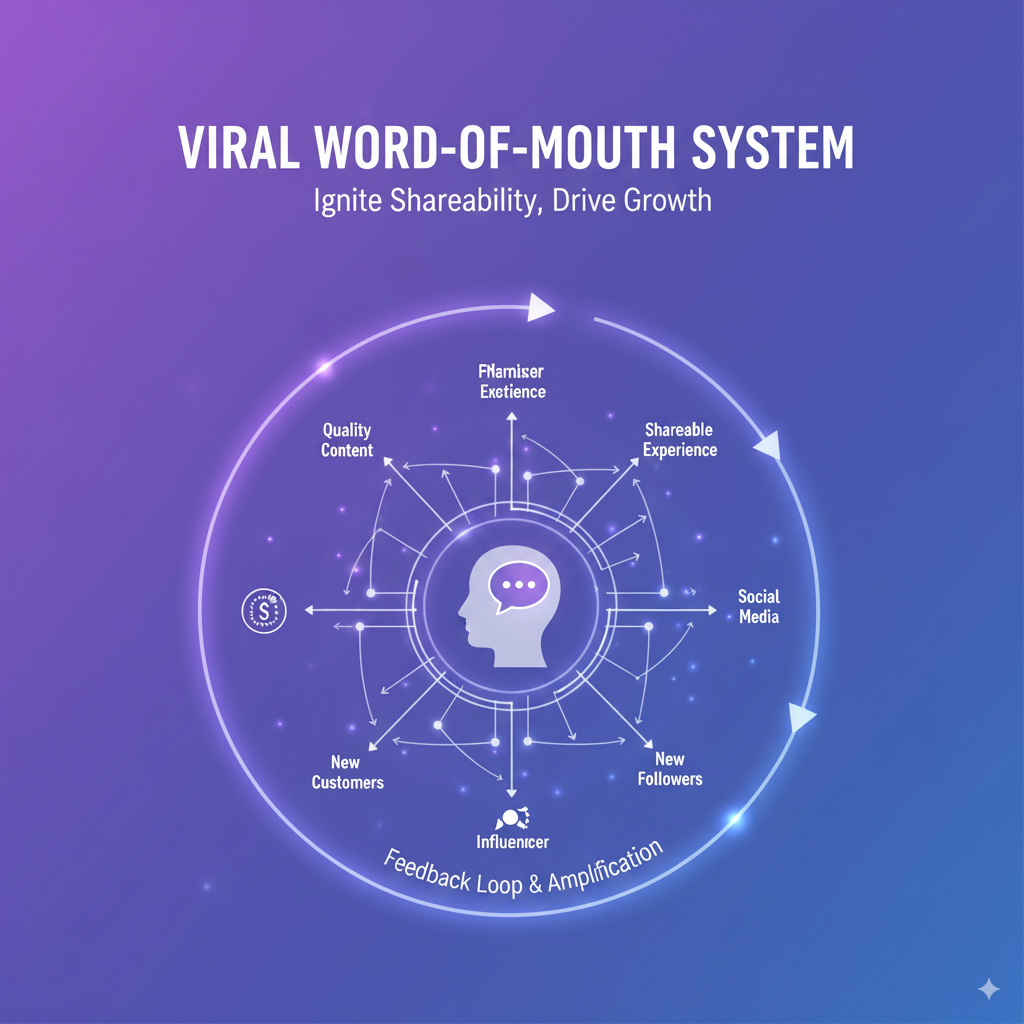
Four Mechanisms in a Single Chain
In summary, Bushman bread packs four stages into one basket.
| Stage | Mechanism | Purpose of the bread |
|---|---|---|
| Entry | Brand Story | Confirms the Australian fantasy through taste |
| Before Ordering | Loss Leader | Buys a first impression at a low cost |
| During Meal | Law of Reciprocity | Creates a psychological urge to return the favor |
| After Meal | Word-of-Mouth | Provides stories to spread as ’tips’ |
Any one of these alone might be weak, but when connected in sequence, ‘free bread’ becomes an investment rather than a cost.
Next time you receive that dark brown loaf, it might be worth thinking about the calculation behind its sweetness.
References
- Cialdini, R. B. (2007). Influence: The Psychology of Persuasion. HarperCollins
- Health Chosun, Why you shouldn't finish the appetizer bread served before your steak (2024)
- Rebranding Success Strategy: Outback Steakhouse
- Dailian, Why does Outback give away Bushman bread for free? (2015)
- Upcycling Marketing
- Outback Steakhouse Marketing Strategy Case Study