
How did a single stroke of a signature change the fate of a nation?
- Learn about the tumultuous history of the national seal (國璽), a symbol of the state.
- Delve into the meanings of personal seals (手決) that reflect the personalities of great figures like King Sejong and Admiral Yi Sun-sin.
- Examine the decisive moments where seals distinguished between individual lives and the fate of the nation.
Amid the grand flow of history, small and delicate sounds often get buried. Sounds like the ink of a seal being pressed onto a document or the brush tip gliding across paper to inscribe a person’s will. In Korean history, seals (印章) and personal seals (手決) were not mere tokens. They sometimes determined the fate of dynasties, transformed individual lives, and shouted the pride of a nation. This article follows the journey of the small Korean seals that contain a grand drama.
1. The Heavenly Mandate in the Seal: The History of the National Seal
The national seal was not just a simple stamp. It was a divine object embodying the idea of ruling a nation by receiving the will of heaven, and it represented the legitimacy of the dynasty itself. Owning the national seal meant obtaining the will of heaven, while losing it signified the end of a dynasty.
1.1 The Birth of Authority: From Chinese Jade to the Throne of Joseon
The history of the national seal dates back to Gojoseon and was systematized during the Goryeo and Joseon periods. Notably, the scene where Yi Seong-gye received the Goryeo national seal during the founding of Joseon symbolized the end of an old era and the beginning of a new heavenly mandate.
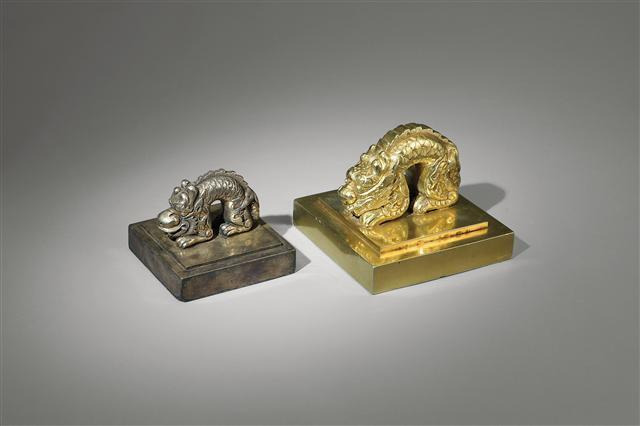
Royal seals were strictly categorized based on their purpose and rank. The highest grade seal used for state affairs was called the national seal (國璽) or the great treasure (大寶), while the royal family’s seal was referred to as the imperial seal (御寶). Together, they were called the seal treasure (璽寶). Materials like jade or gold were used, and the shape of the handle, known as ‘innyu (印紐)’, symbolized status. Emperors used a dragon (龍), while kings of vassal states used a turtle (龜) shape. After the declaration of the Korean Empire, Gojong’s switch from a turtle handle to a dragon handle was a powerful political act declaring itself an empire.
1.2 The Burned Kingdom: The Imjin War and the Lost National Seal
In 1592, during the Imjin War, the capital Hanyang fell, resulting in the loss of all national seals of Joseon. This was not merely the loss of an administrative tool but a symbolic event of losing the means to physically prove the legitimacy of the dynasty.
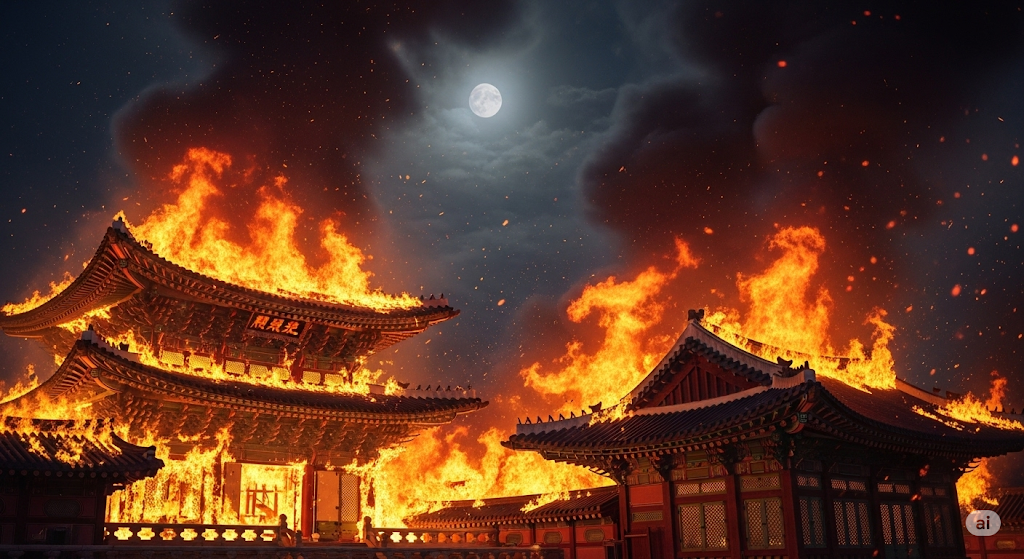
Ironically, while the national seal, a symbol of power, disappeared, the spirit of the nation was preserved in the Annals of the Joseon Dynasty, safeguarded by the people. After the war, Joseon faced the humiliation of requesting a new national seal from the Ming Dynasty to barely restore its legitimacy.
1.3 The Last Scream: The Tragic Seals of the Korean Empire
In 1897, Gojong changed the national name to the Korean Empire and ascended to the throne, declaring independence. At this time, he discarded the turtle-handled national seal, a symbol of vassal states, and created a dragon-handled national seal that only an emperor could use. The ‘Great Monarch’s Seal (大君主寶)’ and ‘Emperor’s Seal (皇帝之寶)’ were expressions of a resolute will to break free from the old order and stand as a sovereign state.
However, shortly after, the Eulsa Treaty was forcibly signed in 1905, turning the national seal into a symbol of humiliation. Gojong claimed that the seal was stolen and stamped without his consent, but history could not be reversed. The seals that had been scattered after losing the country returned after decades, bearing scars, encapsulating the epic saga of our modern history’s glory and despair.
2. The Signature of the Soul: Personal Traces, Personal Seals
While the national seal symbolized the hierarchy of the state, personal seals (手決) were a stage for revealing individual souls and personalities. The term personal seal means ’to decide directly with one’s hand’ and encapsulated everything about a person beyond a simple signature.
2.1 The Humility of a King: The Personal Seal of King Sejong
King Sejong wrote his name “국왕 제 도(國王 弟 祹)”, meaning “the king’s younger brother, Yi Hyang,” instead of using the royal seal, the imperial seal (御寶), on a document he wrote for his brother, Prince Hyoryeong. In an era when the king’s name could not be used casually, this was a shocking act. It reflects Sejong’s warm humility, expressing respect for his brother and human feelings over the authority of a monarch.
2.2 The Steadfast Heart of a Hero: The Personal Seal of Admiral Yi Sun-sin
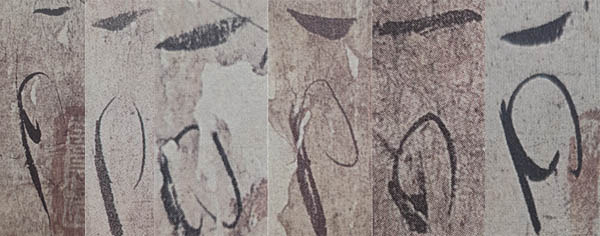
Admiral Yi Sun-sin left a unique personal seal on all documents. Scholars interpret this seal as the characters ‘일심(一心)’ written in a flowing style. This seal symbolizes his unwavering heart towards the nation, embodying the philosophy that permeated his entire life. The traces of practice left in the Nanjung Ilgi reveal his human side, struggling to express his beliefs behind the perfect image of a hero.
2.3 The Ambitious Orchid: The Personal Seal of Heungseon Daewongun
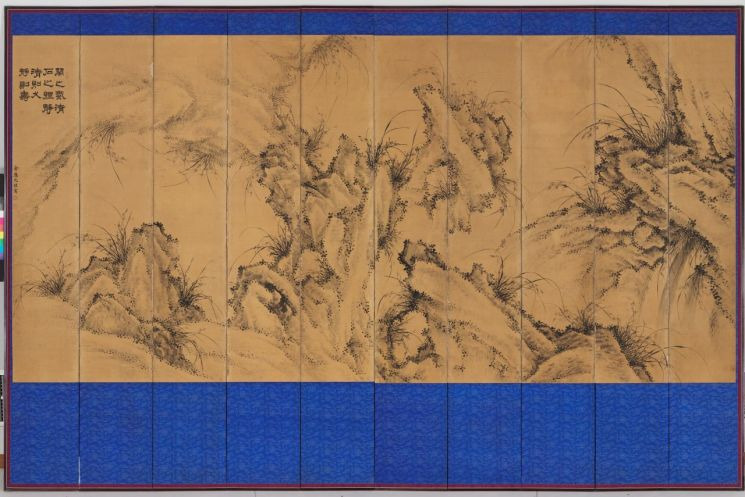
Heungseon Daewongun was also known as an artist, particularly for his unique Mokran-do (墨蘭圖). Unlike the delicate and elegant orchid paintings, his personal seal and handwriting are rough and powerful. This reflects not the refined signature of a scholar but the traces of a maverick with suppressed desires and a strong will to overturn the world. His art shows a duality of personal expression and hidden public ambition.
3. Seals at the Frontline of Life
Beyond the palace, seals and personal seals wielded immense power in the fierce survival arenas of ordinary people.
3.1 Forged Documents, Stolen Lives: Court Dramas of Joseon
In the Joseon era, the decisive weapon that determined the outcome of disputes over status, known as ’nobi jaengsong (奴婢争訟)’, was documents stamped with seals. A single forged seal could lead a family to bear the yoke of slavery for generations. For those whose entire fate depended on the authenticity of a seal, that small red trace was heavier than anything else in the world.
3.2 The Open Door of a Nation Under Gunpoint: The Seal of the Ganghwa Treaty
The seal stamped on the Ganghwa Treaty in 1876 changed the fate of Joseon. This treaty, signed under Japan’s military intimidation, was filled with unequal clauses that severely infringed on the sovereignty of the state, such as the recognition of extraterritoriality. The seal stamped under coercion pushed a nation down the path of decline.
Comparison: Seal (印章) vs Personal Seal (手決)
Both seals and personal seals served the purpose of ‘certification’, but there were significant differences in their essence. It is akin to the difference between a well-tailored uniform and casual everyday clothes.
| Category | Seal (印章) | Personal Seal (手決) |
|---|---|---|
| Nature | Public, Institutional, Standardized | Private, Personal, Artistic |
| Symbol | Authority, Status, Hierarchy | Individuality, Philosophy, Inner World |
| Expression | Fixed Rules (Material, Handle, Script) | Free Form (Cursive, Stylization) |
| Main Examples | National Seal, Official Seal, Personal Stamp | Sejong’s Name, Yi Sun-sin’s ‘One Heart’ |
Personally, I am more drawn to personal seals that encapsulate a person’s struggles and philosophy than to standardized stamps. What about you?
Conclusion
We have explored the tumultuous history intertwined with Korean seals and personal seals. A small trace can sometimes act as a symbol of power, sometimes as an expression of the soul, and at other times as a weapon that determines fate.
- The national seal was a mirror reflecting the legitimacy of the dynasty and the fate of the nation. The tragedies of the Imjin War and the Korean Empire align with the suffering of the national seal.
- Personal seals transcended standardized seals to encapsulate an individual’s philosophy and humanity. Sejong’s humility and Yi Sun-sin’s loyalty are contained within.
- Seals played a decisive role in determining the fate of individuals and nations on the legal and diplomatic stage. The weight of their authenticity remains unchanged, both then and now.
Today, we stamp and sign contracts. How about reflecting on the historical weight contained in this seemingly indifferent act? The national seals in museums and the personal seals of great figures ask us what responsibilities and meanings we should imbue in our names and traces.
References
- National Heritage Portal Overview of Korean Seals
- Won Buddhism Newspaper Exploring Traditional Culture / Seals
- Sillok Wiki Personal Seal (手決)
- ancienthistoryofkorea.com Origin of the National Seal (玉璽)
- Namu Wiki National Seal
- Wikipedia Seal
- National Archives Origins and History of Traditional National Seals
- Ilgan Sports National Seal of the Korean Empire
- Annotated Annals of the Joseon Dynasty Seal (印章)
- JoongAng Ilbo [Minor Discovery] “Is this seal Korean?”… The Fateful Journey of the Emperor’s National Seal
- National Palace Museum The Korean Empire
- Daum Cafe Admiral Yi Sun-sin’s Tomb - Historical Stories
- Wikipedia Imjin War
- Hankyoreh All National Seals of the Joseon Dynasty Lost… Serious Damage to Palace Seals
- Google Arts & Culture Annals of the Joseon Dynasty Odaesan Edition
- YouTube (55 minutes) A Seven-Year Fight, the Imjin War! What Changes Came to Ming, Joseon, and Japan After?
- My Cultural Heritage Guide Treasure of the Korean Empire, Emperor Gojong’s Seal
- Ohmynews Who Scribbled on the Last National Seal of Joseon? [Secrets of Masterpieces]
- Yonhap News North Korean Historical Society Proves the Illegality of the Eulsa Treaty Point by Point
- Wikipedia Sejong
- SBS News First Discovery of a ‘Handwritten’ Document by King Sejong
- Sejong King Newspaper [Tracking Report: King Sejong’s Handwritten Document] A Letter to His Brother! Is it the King’s Personal Seal or His Name…
- Our History Net Yi Sun-sin 1545 ~ 1598
- YouTube Signatures and Personal Seals of Joseon People
- Wikipedia Heungseon Daewongun
- Asia Economy ‘Seokparan’ by Heungseon Daewongun
- Ohmynews Why Are There So Many Fakes of Heungseon Daewongun’s Orchid Paintings?
- Namu Wiki Status Disputes
- Sillok Wiki Nobi Jaengsong (奴婢爭訟)
- Kyobo Life Resolution of Nobi Rights Disputes by Lawyers in Joseon Era | Haruit Literature
- KCI Fairness of Word Trials (詞訟) in Joseon Era and the Role of the Judge (訟官)*
- Encyclopedia of Korean Ethnic Culture ‘Ganghwa Treaty’ Search
- Brunch What Was the Process of Signing the Ganghwa Treaty?
- Wikipedia Ganghwa Treaty
- Ohmynews The King’s Name, What Does It Matter… Not Knowing That the Country Was Being Taken
- Unification News North Korean Historical Society Presents a Paper on the 135th Anniversary of the Ganghwa Treaty (Full Text)