
Exploring how the most abundant element in the universe has emerged as a key fuel in the carbon-neutral era, along with its potential and practical challenges.
- The importance of hydrogen’s ‘colors’ (gray, blue, green)
- How true clean energy, green hydrogen, is produced
- Strategies for green hydrogen in various countries and the practical barriers we face
The Great Promise of a Colorless Gas
Modern civilization has achieved remarkable technological advancements, but its shadow is cast by the existential threat of climate change. The world is pouring trillions of dollars into finding clean, stable, and powerful energy sources to replace fossil fuels, all while shouting for ‘carbon neutrality (Net-Zero)’. At the center of this massive transition, green hydrogen is being rediscovered as a new hero.
However, the story is not that simple. Have you ever questioned the statement, “Hydrogen is the perfect clean energy”? What if most of the hydrogen we produce today is actually harming the planet? This is where our real story begins. This is not just a story about hydrogen, but about the various ‘colors’ of hydrogen. Let’s now explore the different colors of hydrogen, the global competition for the only clean energy, ‘green hydrogen’, and the challenges and brilliant future that lie ahead.
1. The Spectrum of Power – Understanding Hydrogen’s ‘Colors’
The fact that not all hydrogen is created equal is the most important premise of this story. The ‘color’ of hydrogen is classified based on its production method and the amount of carbon emissions generated in the process, clearly showing why ‘green hydrogen’ is the only sustainable goal. Let’s compare it to coffee production.
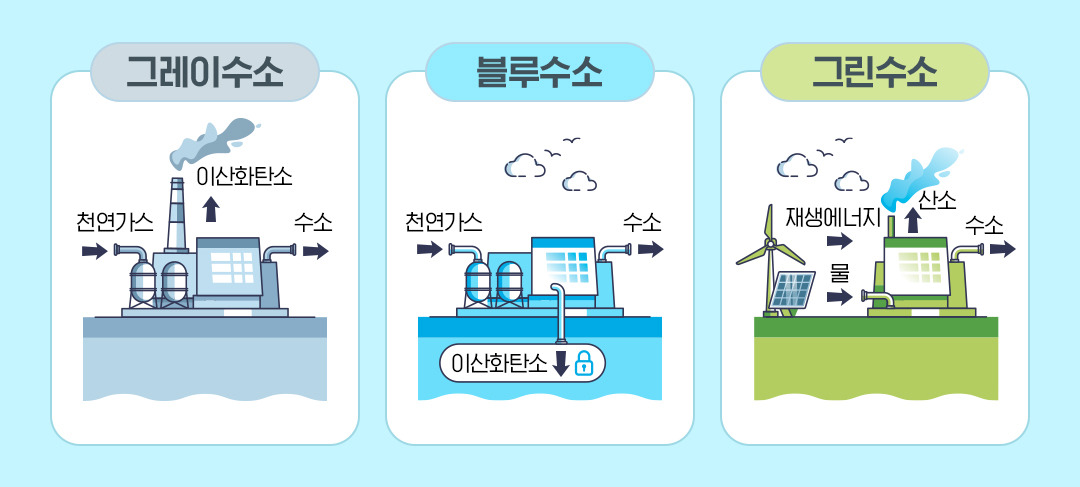
Gray Hydrogen: The Hidden Costs of a Regular Cup of Coffee
Gray Hydrogen is like mass-produced coffee. It is cheap and easy to obtain, but it leaves a significant environmental footprint. This is the ‘uncomfortable truth’ of the current hydrogen market. Gray hydrogen is produced by reacting fossil fuels like natural gas or coal with high-temperature, high-pressure steam. This method accounts for a staggering 96% of current hydrogen production, emitting about 10 kg of carbon dioxide (CO₂) for every 1 kg of hydrogen produced.
Blue Hydrogen: Carbon Offset Coffee, An Imperfect Alternative
Blue Hydrogen is like coffee from a farm that plants trees to offset carbon emissions. It’s a step in the right direction but not a perfect solution. It is produced in the same way as gray hydrogen, but the resulting carbon dioxide is captured and stored using ‘carbon capture and storage (CCS)’ technology to minimize emissions. Thanks to CCS technology, blue hydrogen is considered a ‘realistic alternative’ in the transitional phase towards green hydrogen. However, it has the clear limitation of not being able to eliminate all carbon dioxide perfectly.
Green Hydrogen: Truly Organic Coffee Grown with Sun and Water
Green Hydrogen is our ultimate goal. It is like perfect organic coffee made solely from sunlight and water, leaving no harmful byproducts. Green hydrogen is produced by using electricity generated from renewable sources like solar and wind to electrolyze water. This method is the only clean hydrogen production method that emits no carbon during the production process.
These choices are influenced by environmental issues, economics, and government policies. Gray hydrogen is cheap, blue hydrogen benefits from carbon taxes and CCS technology subsidies, and the most expensive green hydrogen relies on reduced renewable energy costs and strong government incentives like the U.S. IRA. Ultimately, the transition to clean energy is both a technological development and a massive chess game where the policies and economic logics of various governments fiercely compete.
| Characteristics | Gray Hydrogen | Blue Hydrogen | Green Hydrogen |
|---|---|---|---|
| Production Method | Fossil fuel reforming | Fossil fuel reforming + Carbon capture (CCS) | Water electrolysis |
| Main Energy Source | Natural gas, coal | Natural gas, coal | Renewable energy |
| CO₂ Emissions | High emissions (about 10 kg per 1 kg H₂) | Low emissions (after capture) | No emissions |
| Main Challenges | High carbon emissions | CCS technology costs, securing storage sites | High production costs |
| Relative Cost (Current) | Cheapest | Medium | Most expensive |
2. 21st Century Alchemy – How is Green Hydrogen Made?
The key technology for producing green hydrogen, ’electrolysis’, is like modern-day alchemy that transforms ordinary water into a clean fuel for the future.
The Science of Splitting Water
The principle of electrolysis is simple. It involves applying electricity to water (H₂O) to split it into hydrogen (H₂) and oxygen (O₂). The most important prerequisite is that the electricity used in this process must come from renewable energy sources like solar or wind. Only then can it earn the title of ‘green’.
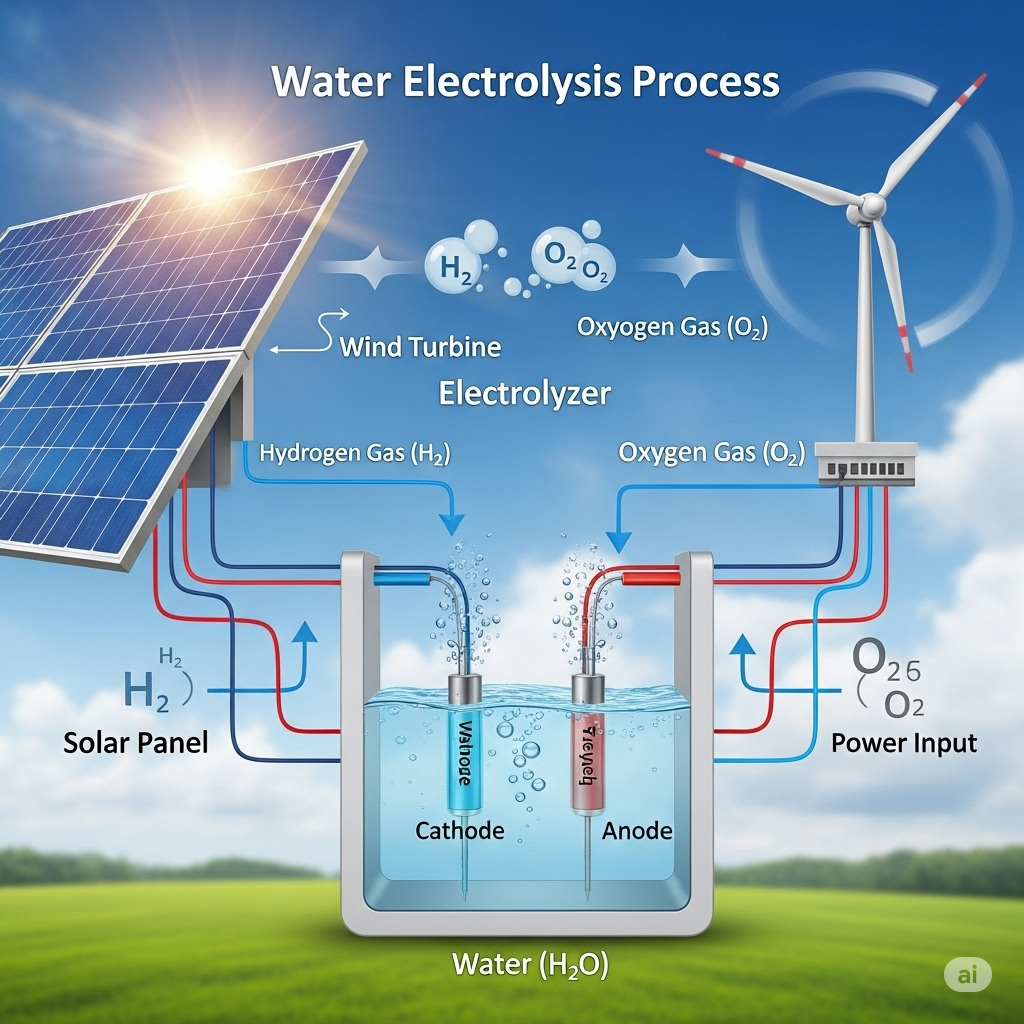
The Race Towards Perfect Machines: The Evolution of Electrolysis Technology
There is fierce competition to develop various electrolysis facilities that balance efficiency, cost, and durability.
- Alkaline Electrolysis (AWE - Veteran): The oldest and most mature technology. It is stable but relatively less efficient.
- Proton Exchange Membrane Electrolysis (PEM - Sprinter): A high-performance contender. It has high efficiency and reacts quickly, making it well-suited for intermittent renewable energy. However, it requires expensive precious metal catalysts like platinum and iridium, making it costly.
- Solid Oxide Electrolysis (SOEC - High-Temperature Champion): A next-generation technology gaining attention. It operates at high temperatures to split steam, achieving very high energy efficiency, but durability and cost issues remain, making it more suitable for specific environments like nuclear power plants or steel mills that generate high-temperature waste heat.
Green Hydrogen: The ‘Massive Storage’ of Renewable Energy
Green hydrogen serves as a massive ’energy storage’ solution that compensates for the intermittency of renewable energy. When solar and wind generation exceeds demand, surplus electricity can be used to produce and store hydrogen, which can then be converted back to electricity through fuel cells or used as fuel for transportation and industry when needed. This represents an innovative shift in the energy paradigm.
3. Global Exploration Towards the Green Unknown
Countries around the world are exploring the unknown territory of green hydrogen in different ways based on their strengths. In my view, this can be broadly categorized into three strategies: Infrastructure-First (Germany), Resource-First (Australia), and Demand-First (South Korea) strategies.
Case 1: Germany’s Industrial Gamble (Infrastructure-First)
The industrial powerhouse Germany is focusing on building a ‘Hydrogen Core Network (HCN). By 2032, it plans to construct 9,700 km of hydrogen-only pipelines, laying the engineering groundwork for a hydrogen economy. Interestingly, it has deviated from the initial ‘green hydrogen’ principle and recognized blue hydrogen as a transitional alternative. This demonstrates a strategic flexibility to avoid missing progress in pursuit of perfection.
Case 2: Australia’s Ambition Embracing the Sun (Resource-First)
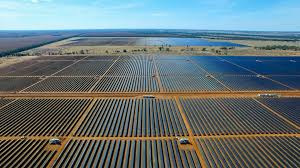
Australia dreams of becoming a ‘superpower’ exporting green energy to the world, leveraging its vast land and abundant renewable energy resources. Through the ‘Hydrogen Hub’ model, it aims to create synergies by integrating production, infrastructure, and workforce, targeting exports to Japan, South Korea, and others. However, some recent large projects have stalled due to cost issues, facing the harsh reality that the best natural environment alone is not enough.
Case 3: South Korea’s Urban Blueprint (Demand-First)
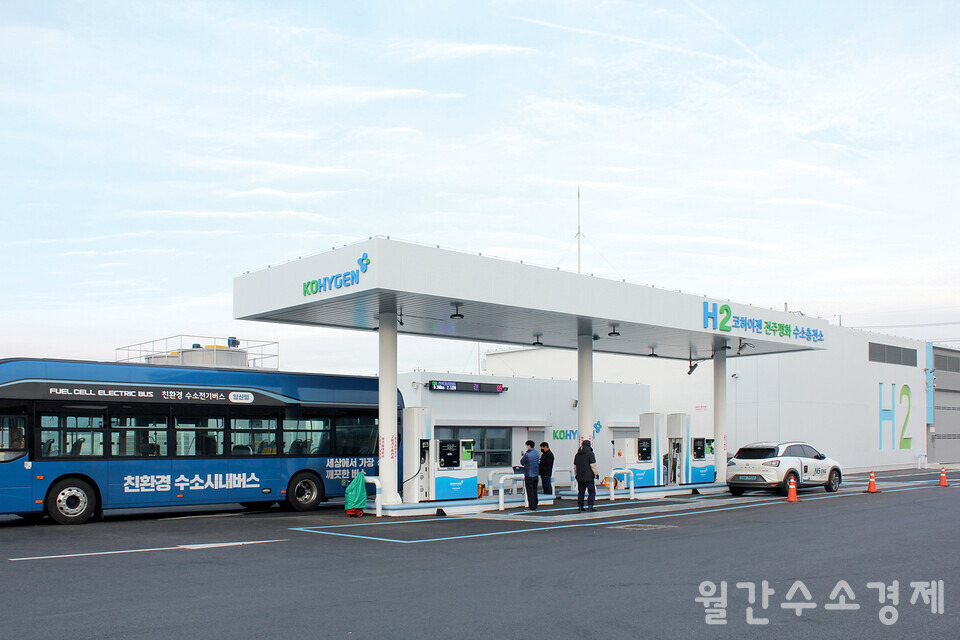
South Korea focuses on bringing hydrogen into the daily lives of its citizens to create a visible ‘hydrogen society’. Examples include the ‘self-sufficient green hydrogen loop’ at the Seongnam water treatment plant and hydrogen demonstration cities like Ulsan and Ansan. South Korea employs a ‘demand-first’ strategy, aiming to become a global leader in hydrogen utilization technologies like hydrogen vehicles and fuel cells, creating a massive domestic market first. This is a sophisticated industrial strategy to secure a strong ‘customer’ position in negotiations with future hydrogen-producing countries.
4. The Massive Barriers on the Road to a Hydrogen Future
There are practical barriers that must be overcome on the path to a hydrogen economy.
The Cost Puzzle: Chasing the ‘Magic Number’
The success of the green hydrogen economy depends on the ‘Levelized Cost of Hydrogen (LCOH), which refers to the total cost of producing 1 kg of hydrogen. Currently, green hydrogen costs over $5 per kg, making it much more expensive than gray hydrogen. However, there are optimistic projections that technological advancements and economies of scale could make it competitive with fossil fuels by around 2030, and drop below $1.50 by 2050.
The Tyranny of Distance: The Storage and Transport Puzzle
Hydrogen, being the lightest element, poses significant challenges for efficient storage and transport.
- Current Method: High-pressure gas compression (tube trailers) is suitable for short distances.
- Next-Generation Solutions:
- Liquid Hydrogen (LH₂): Cooling to -253°C reduces its volume by 800 times, making it favorable for bulk maritime transport. However, the liquefaction process consumes massive amounts of energy.
- Chemical Carriers: Transporting hydrogen ‘hidden’ within stable molecules like ammonia (NH₃) or liquid organic hydrogen carriers (LOHC). This can utilize existing infrastructure, but the commercialization of the ‘cracking’ technology to separate hydrogen again is crucial.
The winner of this transport technology competition will determine the future landscape of energy trade.
5. The Moving Future – The Landscape of the Coming Hydrogen Society
How will hydrogen change our lives?
- Mobility Beyond Imagination: Long-distance heavy trucks, buses, and trams equipped with air purification functions will transform the road landscape.
- The Green Revolution in Industry: ‘Green steel’ using hydrogen instead of coal in steelmaking processes and fuel cells providing stable clean power to industrial complexes are key.
- Completing the Resource Circulation Economy: Waste-to-Hydrogen (W2H) technology that produces green hydrogen from organic waste like food scraps creates new value from discarded resources.
An Exploding Market: The Future in Numbers
The growth forecast for the green hydrogen market is explosive. Various market research firms project a compound annual growth rate (CAGR) of an astonishing 40% to 65%, with the market size potentially exceeding $1 trillion by the late 2030s.
| Research Firm | Expected Market Size Around 2030 (USD) | Expected CAGR |
|---|---|---|
| UnivDatos Market Insights | $317.12 million (2030) | Approximately 65.7% (2023-2030) |
| BCC Research | $38.1 billion (2029) | 48.7% |
| Stratistics MRC | $101.9 billion (2032) | 37.5% |
| Research Nester | $1.83 trillion (2037) | 59.4% (2025-2037) |
Conclusion: The Journey Ahead of Us
We have focused on hydrogen as a solution to climate change, confirming that only ‘green hydrogen’ holds true value.
- Key Point 1: Hydrogen is categorized by its ‘colors’ based on production methods, and only green hydrogen, produced by electrolyzing water with renewable energy, is the only clean alternative.
- Key Point 2: High production costs and challenging storage and transport technologies remain massive barriers to overcome, but they are expected to be rapidly resolved through technological innovation.
- Key Point 3: The world is preparing for the hydrogen era in its own way, and South Korea has a strong opportunity to lead the hydrogen utilization technology market through its ‘demand-first’ strategy.
The transition to a hydrogen economy is the greatest challenge and an inevitable journey of our time. The dawn of the hydrogen era is no longer a distant dream. The question is no longer ‘Will it come?’ but ‘How quickly can we complete that journey?’
References
- To avoid the climate change crisis, we must choose the green hydrogen revolution - Economy Chosun
- The necessity of a hydrogen economy and climate change response strategies: Let’s prepare for the green hydrogen era - Goover
- More than just cars, a paradigm changer towards a hydrogen society - Hyundai Motor Group
- Trends in hydrogen production technology and economic analysis - Korean Journal of Marine Engineering
- The bright future of green hydrogen - PwC
- Types of hydrogen (Gray hydrogen, Blue hydrogen, Green hydrogen) - Let’s Study Cars Every Day
- The first task for transitioning to a hydrogen society: Clean hydrogen production - HTWO
- The hidden energy treasure in water: Electrolysis technology - S-OIL Story
- [Useful Information] 14. Green hydrogen and the hydrogen economy - Enlighten
- Optimizing LCOH for activating the hydrogen economy - University Student Renewable Energy Reporter
- How to produce clean hydrogen with renewable energy - HMG Developers
- [World Hydrogen Journey] Germany: A step back for progress - University Student Renewable Energy Reporter
- The best places for renewable hydrogen investment - Government of Western Australia
- Global green hydrogen market forecasts (-2032) - Global Information
- Australia faces crisis over large hydrogen plant construction - Energy Economics Research Institute
- Green hydrogen produced from hydro energy begins full-scale supply - Policy Briefing
- The K-hydrogen city package replacing energy sources with hydrogen is now aiming for overseas expansion! - YouTube
- How far have hydrogen transport and storage technologies come? - HTWO
- HTWO Grid Solution - Hyundai Motor Worldwide
- Green hydrogen market report - UnivDatos
- The hydrogen economy in 2025: The cost war for survival begins. - Greenium