
Goryeo Celadon and Metal Type. Why did these great technologies that amazed the world not lead to continuous innovation on the Korean Peninsula? This analysis examines the core paradox of history where technological advancement was halted due to overlapping external shocks and internal limitations.
- We investigate why Goryeo celadon technology declined and flourished in Japan.
- We analyze why the world’s first metal type did not trigger a printing revolution like Gutenberg’s.
- We learn what critical conditions are necessary for an invention to change society.
This article aims to explore the issue of technological disruption, one of the key paradoxes in Korean history. Specifically, it examines why, despite developing world-class technologies like Goryeo celadon and metal type, they did not continue as a sustainable and self-generating legacy within the Korean Peninsula.
We will analyze how external shocks, internal socio-political transformations, and fundamental structural limitations interacted to halt the domestic development of these technologies.
Faded Jade Color: The Prelude to the Disruption of Goryeo Celadon Technology
The fate of Goryeo celadon was determined by a combination of geopolitical instability and profound changes in the cultural and ideological foundations of the Korean states.
Pinnacle of Craftsmanship: Jade Color and Inlay Techniques
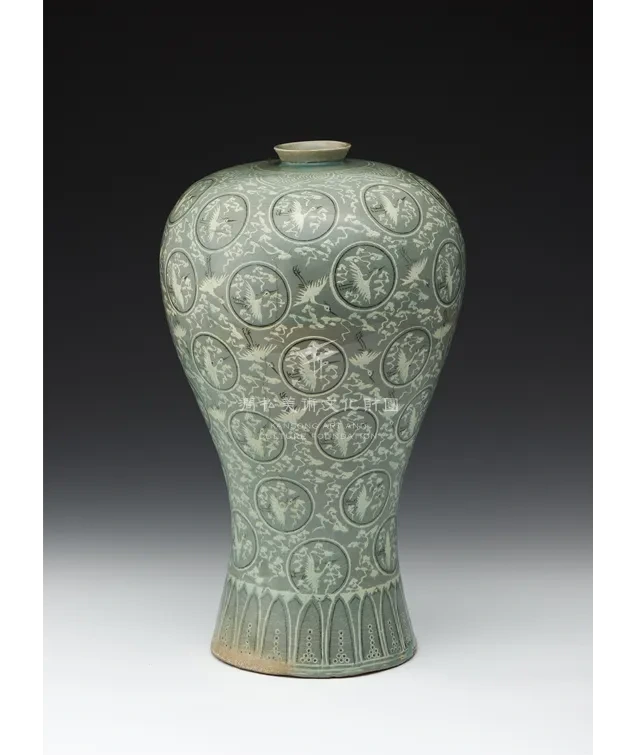
Goryeo celadon achieved unparalleled aesthetic and technical accomplishments.
- Mystery of Jade Color: A mysterious jade color realized not through pigments but through the scattering of light by fine bubbles within the glaze. This was the essence of complex kiln control techniques, including high-temperature firing above 1200°C and reduction firing methods.
- Creation of Inlay Technique: An innovative technique unique to Goryeo, where patterns were carved into pottery and filled with white clay or iron-rich clay. The patterns created by this technique completed the lyrical beauty characteristic of Goryeo celadon.
These technical achievements were made possible by the stable support of a specific patronage class, namely the royalty and Buddhist aristocracy. However, this also represented an inherent vulnerability of technologies that relied entirely on a small number of patrons. When the patronage base collapsed, the technology was destined to lose its sustaining power.
Destruction of Kilns: Geopolitical Catastrophe
The decline of Goryeo celadon technology was accelerated by external military shocks.
The Mongol invasions in the 13th century brought the first cracks to the high-quality celadon production system.
The decisive blow came from the invasions by Japanese pirates in the 14th century. The major production sites of high-quality celadon, Gangjin and Buan, were concentrated along the coast. The pirates ruthlessly plundered these coastal areas, destroying the kilns and scattering the potters. This meant the physical and social foundations for the transmission of technology had collapsed.
New Dynasty, New Tastes: The Rise of Buncheong and White Porcelain
The founding of the Joseon Dynasty in 1392 signified a complete ideological shift in the state.
The newly emerging scholar-officials, aiming to embody Confucian ideals, emphasized simplicity and moderation. As a result, instead of the ornate inlaid celadon, the free and vibrant Buncheong ware emerged, ultimately representing the values of purity and integrity of Confucianism through pure white porcelain, which became the official aesthetic of the Joseon Dynasty.
Consequently, the new ruling class desired new products that aligned with their new ideology, and the inlaid celadon technology could not keep pace with the changes in demand, leading to its natural extinction.
‘Ceramic Wars’: Forced Migration and the Birth of Japanese Porcelain
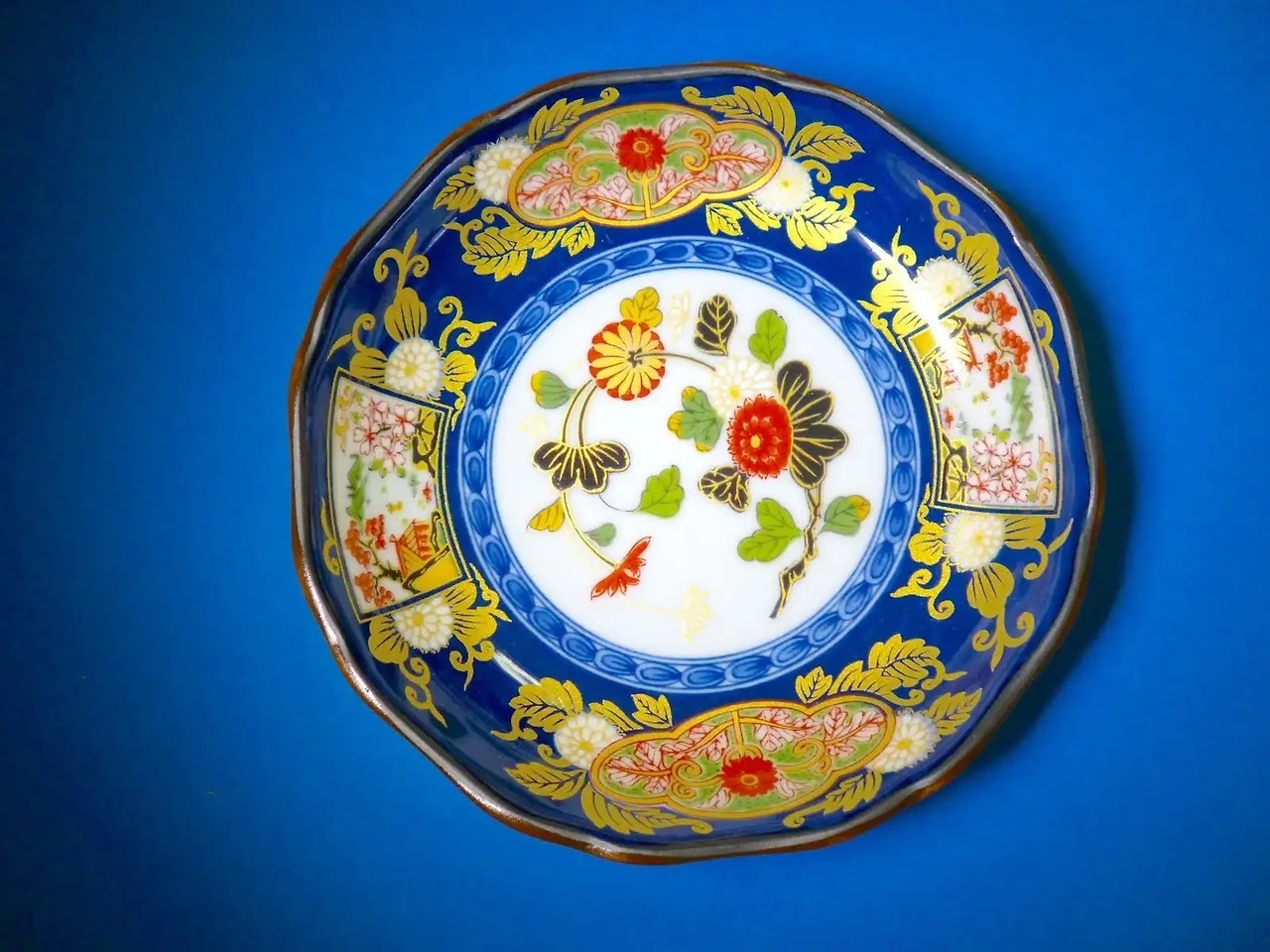
The ceramic technology of Joseon, which followed the path of technological disruption within the Korean Peninsula, left a new legacy across the sea in Japan through the Imjin War (Japanese invasions of Korea). Dubbed the ‘Ceramic Wars’, Japanese daimyos made the abduction of Korean potters one of their primary objectives in the war.
Many Korean potters, including Lee Sam-pyeong, were taken to Japan, where they received full support from local daimyos and succeeded in producing Japan’s first porcelain. The Arita porcelain they created was later exported in large quantities to Europe, significantly influencing the global ceramics industry.
This represents a paradoxical history of transmission through destruction. Unlike the social structure of Joseon, which looked down upon artisans, the feudal structure of Japan, driven by economic interests, provided fertile ground for the transplanted technology to flourish.
Silent Revolution: The Paradox of the World’s First Metal Type
Despite Korea inventing the world’s first metal type, why did it not lead to social transformation? This will be analyzed in comparison to Gutenberg’s printing revolution.
A Great Invention That Did Not Lead to Movement: Jikji Simche Yojeol
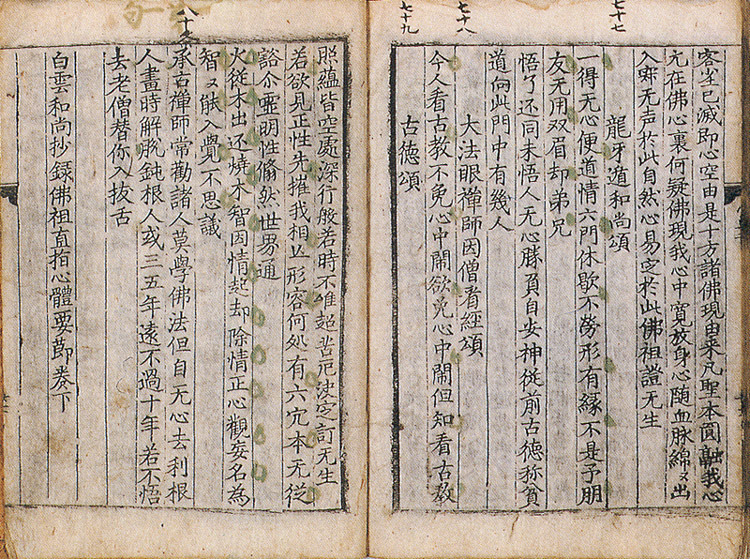
Published in 1377, ‘Jikji Simche Yojeol’ is the oldest existing printed book using metal type in the world, predating Gutenberg by about 78 years. This raises the core question: “Why was such an important invention’s impact on society minimal?”
Structural Barriers to the Korean Printing Revolution
The reasons why the metal type technology of Goryeo and Joseon did not lead to social transformation were due to complex structural barriers.
- Technical and Linguistic Limitations: The thousands of characters in Hanja made type production, typesetting, and storage extremely inefficient. Although Hangul was created, the knowledge of the ruling class was still recorded in classical Chinese.
- Political Monopoly: Printing was a complete state monopoly business. Knowledge was not a public good for the people but a tool for elite governance.
- Material and Market Constraints: The cost of books was exorbitantly high, and the absence of private printing houses and commercial bookstores meant there was no network to distribute books. This led to a lack of demand for mass-produced books.
These factors caused technology to remain merely a tool that reinforced the existing social order.
Comparison: Goryeo/Joseon vs. Gutenberg Printing Technology
The social impact of technology shows that the social context in which an invention is born is more decisive than the timing of the invention itself. Gutenberg’s revolution was not merely technological but created a complete ‘system’ for mass production.
| Feature | Goryeo/Joseon Metal Type | Gutenberg Printing Press |
|---|---|---|
| Writing System | Logographic (thousands of Hanja) | Phonetic (dozens of alphabets) |
| Printing Method | Manual copying method | Mechanical pressing press |
| Ink | Water-based ink | Oil-based ink |
| Main Purpose | Distribution of scriptures/documents under state control | Commercial production for a growing market |
| Production Scale | Limited small-scale production | Mass production |
| Social/Cultural Impact | Limited to the ruling class, reinforcing the existing order | Promoted the Reformation, Renaissance, and Scientific Revolution |
Crucially, Europe had a huge market hungry for knowledge due to the Renaissance and Reformation, along with a strong motivation for profit. Joseon lacked such a commercial publishing market and a broad readership.
Conclusion
The history of Goryeo celadon and metal type shows that the trajectory of technology is determined not only by the genius of invention but also by the complex and sometimes harsh structures of the society that birthed it.
- Key Summary 1: Vulnerability of Patronage-Based Technology Technologies dependent on a small number of patrons, such as the state or aristocracy, decline when their patronage base collapses.
- Key Summary 2: Absence of Commercial Foundations Without an independent merchant or artisan class to commercialize technology and create a market, technological innovation is unlikely to continue.
- Key Summary 3: Importance of Socio-Political Environment Geopolitical shocks, such as external invasions, and changes in state ideology can act as decisive variables determining the fate of technology.
These historical lessons of technological disruption prompt us to reconsider what is important in building today’s innovation ecosystem. What lessons do you draw from this history?
References
- Namu Wiki Goryeo Celadon
- Gangjin Newspaper [Special Feature] What Secrets Does Jade Color Goryeo Celadon Hold?
- Our History Net Goryeo Celadon
- Our History Net Production of Inlaid Celadon
- National Museum of Korea [June 2017] The World of Goryeo Celadon
- Hankyung Yoon Myung-cheol’s Story of Koreans: 600 Invasions by Japanese Pirates Over 40 Years…
- Namu Wiki Invasion of Japanese Pirates in the Late Goryeo
- Encyclopedia of Korean Culture Japanese Pirates (倭寇)
- Jeonju National Museum What is Buncheong Ware?
- Dongsan Museum Joseon Buncheong and White Porcelain
- Academy of Korean Studies Joseon’s Ceramics
- Encyclopedia of Korean Folklore Buncheong Ware (粉靑沙器)
- YouTube From Joseon’s Lowly to Japan’s Deity: The Tragic History of ‘Joseon’s Potters’
- Jangheung Newspaper Potters from Jangheung Abducted During the Jeongyu War
- Daum The Myth of ‘A Korean Potter Abducted by Japan’… The Truth
- Korea Economic Daily [Cheonja Column] Joseon’s Female Potters
- Namu Wiki Lee Sam-pyeong
- Korea Science Goryeo Metal Type Focused on Precision, Gutenberg’s on Mass Production
- Ministry of Foreign Affairs Koreans Invented Metal Type 80 Years Before Gutenberg
- Policy Briefing World Documentary Heritage ‘Jikji’ and Metal Type ①
- UNESCO Heritage Introduction Jikji Simche Yojeol
- Namu Wiki Johannes Gutenberg
- Namu Wiki Metal Type
- The Scoop Gutenberg’s Printing Revolution, Unsealing the Middle Ages
- Media Literacy Gutenberg Pulls the Trigger on Printing and the Knowledge Revolution
- Financial Review [Economic Review in History] Invention of Gutenberg’s Printing Technology
- National Archives What Was the Price of Books in the Joseon Dynasty?
- Yonhap News Examining the Knowledge Production and Distribution Structure of the Joseon Dynasty Through ‘The History of Books’
- Hankyoreh Why Didn’t Joseon’s Metal Type Change the World?
- Yonhap News Why Did Joseon Produce So Many Metal Types? New Book ‘Type Color’