
Hello! Today, I would like to discuss a very special type of ‘glass’ that could completely change the future of the digital world, from the smartphones in our hands to massive AI data centers. This is the story of ‘semiconductor glass substrates’.
To truly understand this technological revolution, which means more than just ‘replacing plastic with glass’, we will embark on a journey to visualize the glass substrate as a point in a three-dimensional picture, and further, as a map of the future.

A Three-Dimensional View of the World….
First, let’s examine the glass substrate through the lens of a ‘multidimensional analysis framework’. This lens is a magical tool that allows us to look at a phenomenon from multiple angles simultaneously, such as time, space, and hierarchy.
#1. The Axis of Time: The River of Technology Flowing from Past to Future
No technology simply falls from the sky. The same goes for glass substrates.
- Past (The Era of Plastic): For decades, the semiconductor industry has developed on a solid riverbed of plastic-based FC-BGA substrates. However, as the massive wave of AI approached, it faced limitations, bending like ‘damp pizza dough’.
- Present (The Dawn of Glass): We are now at the starting point of a major project to replace the riverbed with solid rock, namely ‘glass’. Giants like Intel, Samsung Electro-Mechanics, and SKC are engaged in a fierce ‘Game of Thrones’ to seize the future’s leadership. It is a time of a breathless race to overcome the technical hurdles before commercialization.
- Future (Transparent Possibilities): Once glass substrates become commonplace, the river of technology will flow much faster and more vigorously than now. AI models will become hundreds of times more powerful, and laptop batteries might last for days. Perhaps after glass, new technologies like ‘optical interposers’ that transmit information through light or ‘self-healing substrates’ that can repair their own circuits will emerge.
#2. The Axis of Space: The World Map of Technological Hegemony
This small piece of glass is redrawing the global semiconductor supply chain map.
- Domestic Companies’ Rise: Samsung Electro-Mechanics and SKC (Absorlics) are emerging as key players in this new market, respectively as ‘fast followers’ and ‘aggressive pioneers’. This could present tremendous opportunities for the entire domestic materials, parts, and equipment ecosystem.
- War of Giants: Intel in the U.S. is trying to plant the flag of technology first, while big players like AMD and NVIDIA are weighing whose hand to support. The winner of this competition will not only dominate the component market but will also set the ‘industry standard’ for next-generation semiconductor packaging.
- Sustainability: AI and data centers are ‘hippos’ that consume enormous amounts of electricity. The excellent power efficiency of glass substrates can reduce the environmental burden of the AI revolution, contributing to making technological advancement sustainable for humanity.
#3. The Axis of Hierarchy: The Butterfly Effect from Sand Grains to the Universe
The innovation of glass substrates begins in the invisible world of micrometers (μm) and impacts our entire lives.
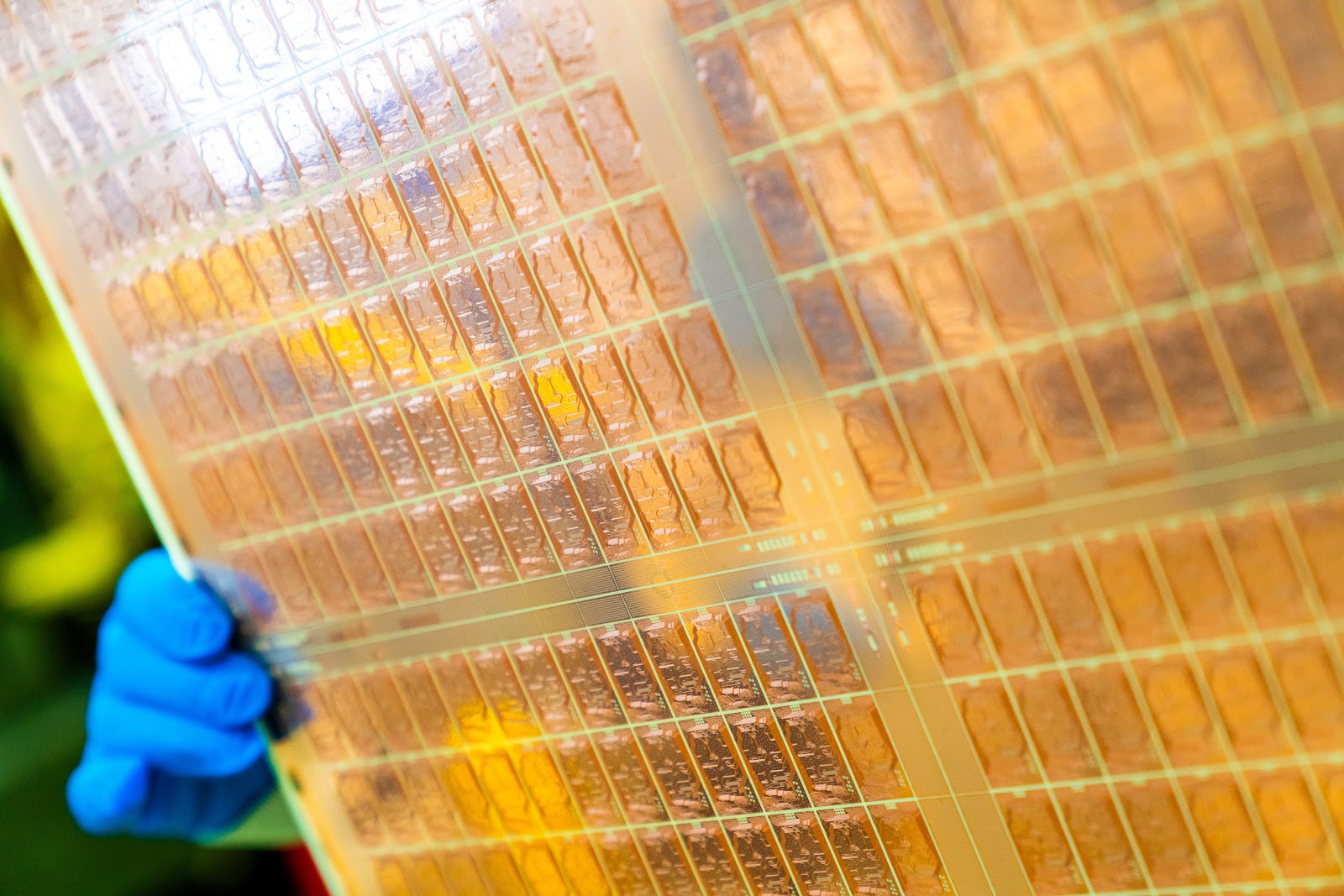
- Micro (The War of the Micro World): The key is the ‘TGV (Through Glass Via)’ technology. Capturing ‘micro-cracks’ in this extremely difficult process, akin to drilling thousands of tiny holes in a wine glass, is the biggest hurdle to commercialization.
- Intermediate (The Birth of a New Ecosystem): This technology requires the co-growth of a completely new supply chain ecosystem, extending beyond substrate manufacturers to special glass companies like Corning, laser equipment companies like Philoptics, and chemical material companies like Solbrain.
- Macro (Changes in Life): Ultimately, the innovations in this micro world will lead to macro changes in our lives, such as smarter AI, safer autonomous vehicles, and longer-lasting smartphones. The invisible foundational work is transforming the entire city of our lives.
Inventing the Future with ‘Innovative Solutions’
Now that we have a three-dimensional understanding of what glass substrates are, it’s time to spread our wings of imagination. What ideas can we cultivate based on glass substrate technology?
#Glass Substrates, Seeds of Possibility
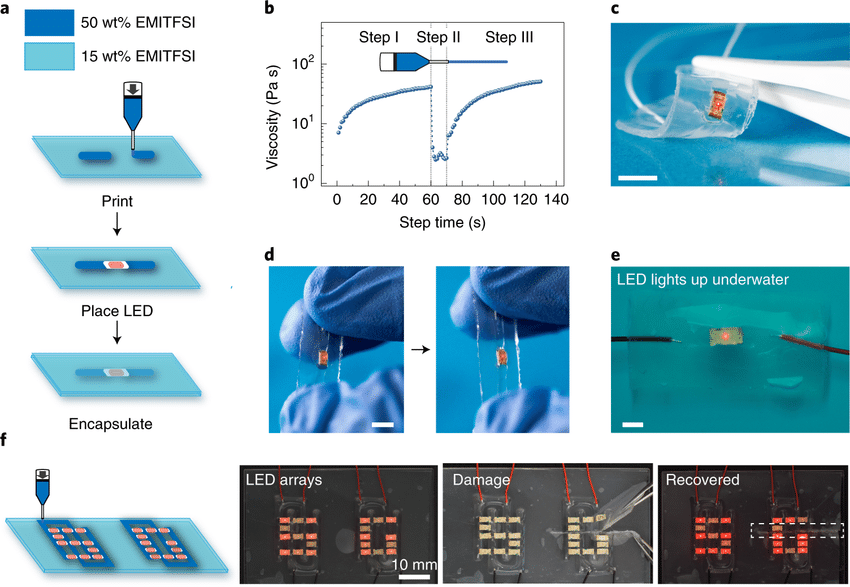
- Hybrid Smart Substrate: Creating a hybrid substrate that combines the hardness of glass with the flexibility of plastic. The central part of the substrate (where high-performance chips sit) is made of glass to maximize performance, while the edges use flexible materials for applications in wearable devices or foldable devices. 
- Self-Healing Glass Substrate: An idea that fundamentally solves the ‘micro-crack’ problem, the biggest enemy of TGV processes. By embedding tiny capsules in the glass using nanotechnology, when cracks occur, the capsules burst, releasing special chemicals that self-heal the cracks.
Self-Healing Glass Substrate - AI-Based Process Optimization System: To increase yield, developing AI that collects and analyzes all process data in real-time, including TGV laser drilling, etching, and deposition. This AI predicts the likelihood of micro-crack occurrences and autonomously finds optimal process values, minimizing human intervention to build a smart factory.
- Modular Substrate: Standardizing small glass substrate modules that host functional chiplets (CPU, GPU, HBM). Users can easily design and create their own customized AI semiconductors by selecting modules with desired functionalities, just like assembling Lego blocks.
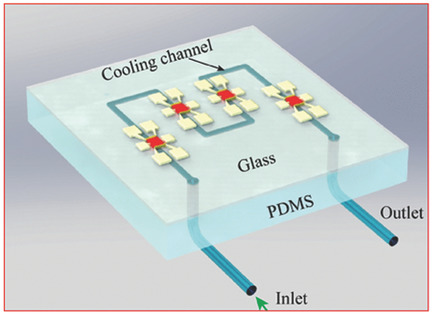
Modular Substrate - Integrated Liquid Cooling: Creating ultra-thin cooling channels inside the glass substrate, allowing coolant to circulate within the substrate and directly cool the heat generated by chips. This can revolutionarily solve heat issues without large fans or heat sinks.
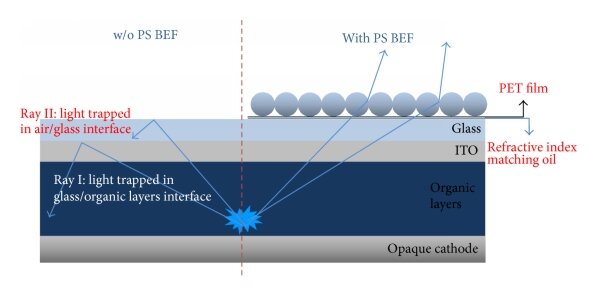
Integrated Liquid Cooling - Transparent Display Integrated Substrate: Utilizing the transparency of glass substrates, this technology allows the substrate itself to serve as a micro LED display. In small devices like AR glasses or smartwatches, the processor substrate can become the screen, maximizing space efficiency without separate display components.
- Sustainable ‘Glass Recycling’ Ecosystem: Establishing a perfect resource circulation system that efficiently recovers rare metals (copper, gold, etc.) from discarded glass substrates and reuses the remaining glass as raw material for new substrates. This can not only protect the environment but also become a new business model.
- Photonic Substrate with Integrated Optical Circuits: To surpass the limitations of electrical signals, this technology integrates optical circuits (silicon photonics) that transmit data using light within the glass substrate alongside electrical circuits. This will elevate data transmission speeds to levels unimaginable today.
Photonic Substrate - Medical ‘Lab-on-a-Chip’ Platform: Utilizing the precise circuit processing technology and transparency of glass substrates to create ultra-compact diagnostic devices that can diagnose dozens of diseases instantly from a single drop of blood. This will integrate processors, sensors, and fluid channels onto a single glass substrate.
- 3D Vertical Stacking Battery Using TGV: Applying the TGV technology of glass substrates to create batteries with anodes, cathodes, and electrolytes as thin as hair, stacked vertically in thousands. This could be an innovative idea that increases battery capacity by dozens of times in the same area.
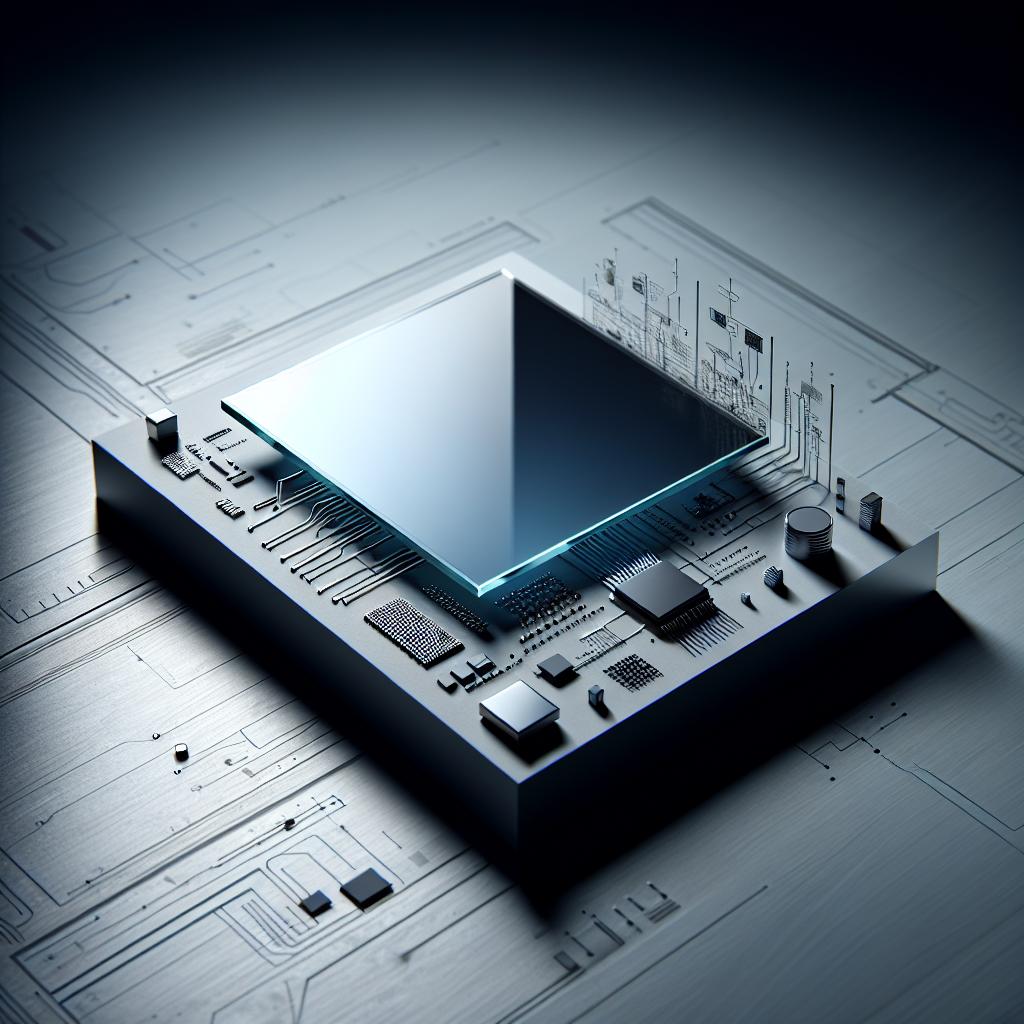
Conclusion: A Future Built on Transparent Foundations
Today, we explored the technology of ‘semiconductor glass substrates’.
This technology is not just a simple component replacement; it represents a massive paradigm shift that shakes the entire ecosystem of time, space, and industry. It has shown us the potential of how amazing and creative a future we can imagine and invent on this solid and transparent foundation.
Of course, many challenges remain, like ‘drilling holes in a wine glass’, but humanity’s quest to open the door to the AI era will not stop. The next time you see a glass window, remember that beyond the transparent world we see, a robust future is growing, supporting a much larger digital world that is becoming the most important foundation for building a new world.