
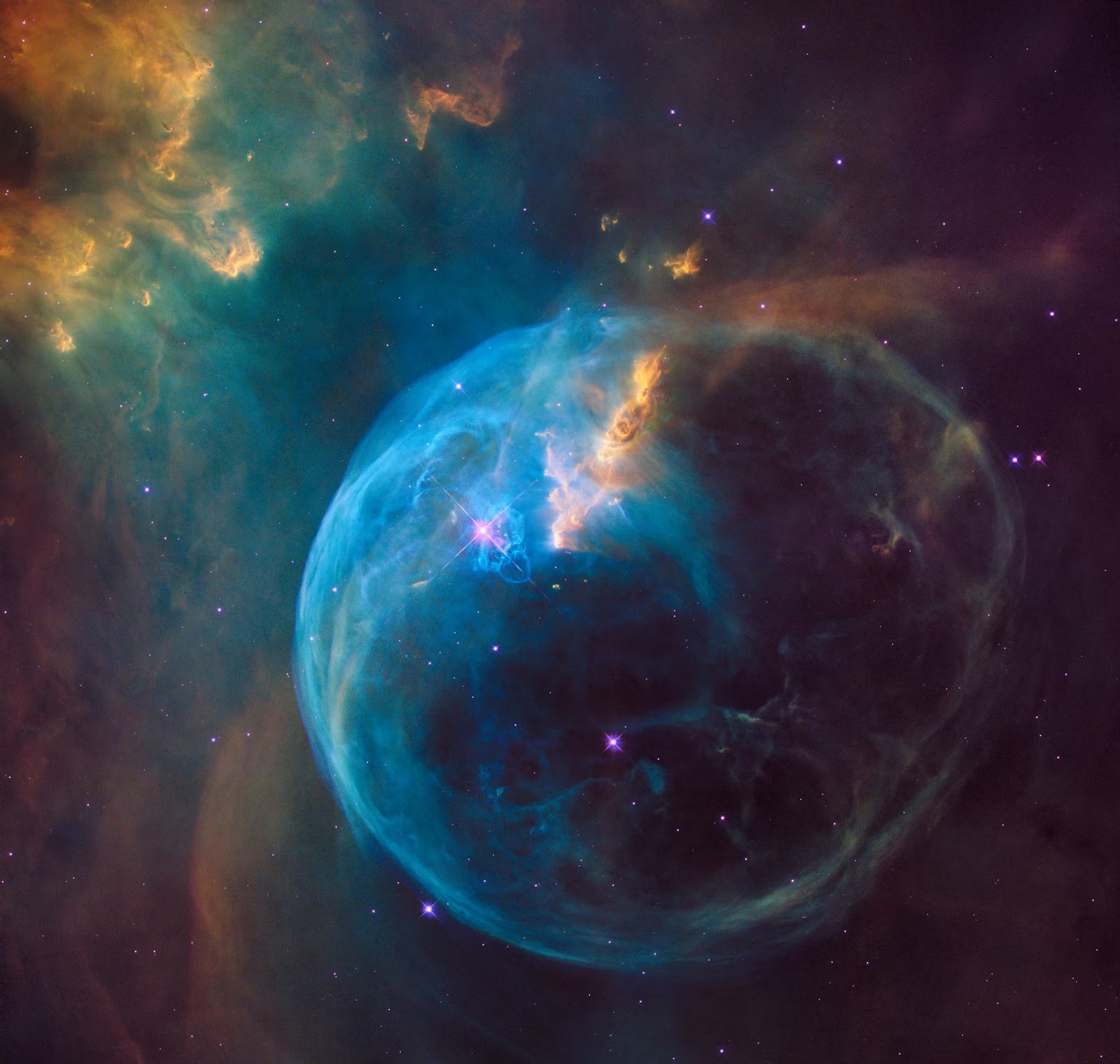
Living in the 21st century, we may be witnessing the simultaneous unfolding of two of the grandest epics in human history, two simultaneous odysseys. The first is an intellectual journey. To find the answer to the question, “Are we alone in this vast universe?” which has puzzled philosophers for millennia, we are discovering and peering into thousands of exoplanets. The second is a very practical and physical journey. “Does our future truly lie only on Earth?” This question pushes us beyond Earth, leading to a monumental engineering challenge to create new homes for humanity in the cosmos.
In fact, these two journeys are not entirely separate. Rather, they mesh perfectly like gears. Think about it. The more we realize that habitable planets are scattered throughout the universe, our exploration of space transcends mere survival instinct and takes on a philosophical significance. It’s like a grand expedition to find humanity’s place within the vast community of galaxies. Isn’t that truly magnificent?
At the same time, the technologies developed for one journey become the foundation for the other. For instance, the ultra-precise telescope technology developed to see further into space, or the life support technology needed to send astronauts to Mars. This article aims to delve into precisely this point. It’s a story about how the scientific curiosity to find exoplanets and the technological capability to venture beyond Earth push and pull each other, creating synergy, and what future humanity will face at the end of it. It’s about an intriguing cyclical structure where the answer to why we must go deepens based on what we’ve found, and the act of going itself empowers us to see further.
The Re-inhabited Universe: The Dawn of the Exoplanet Era
The First Tremor: 51 Pegasi b
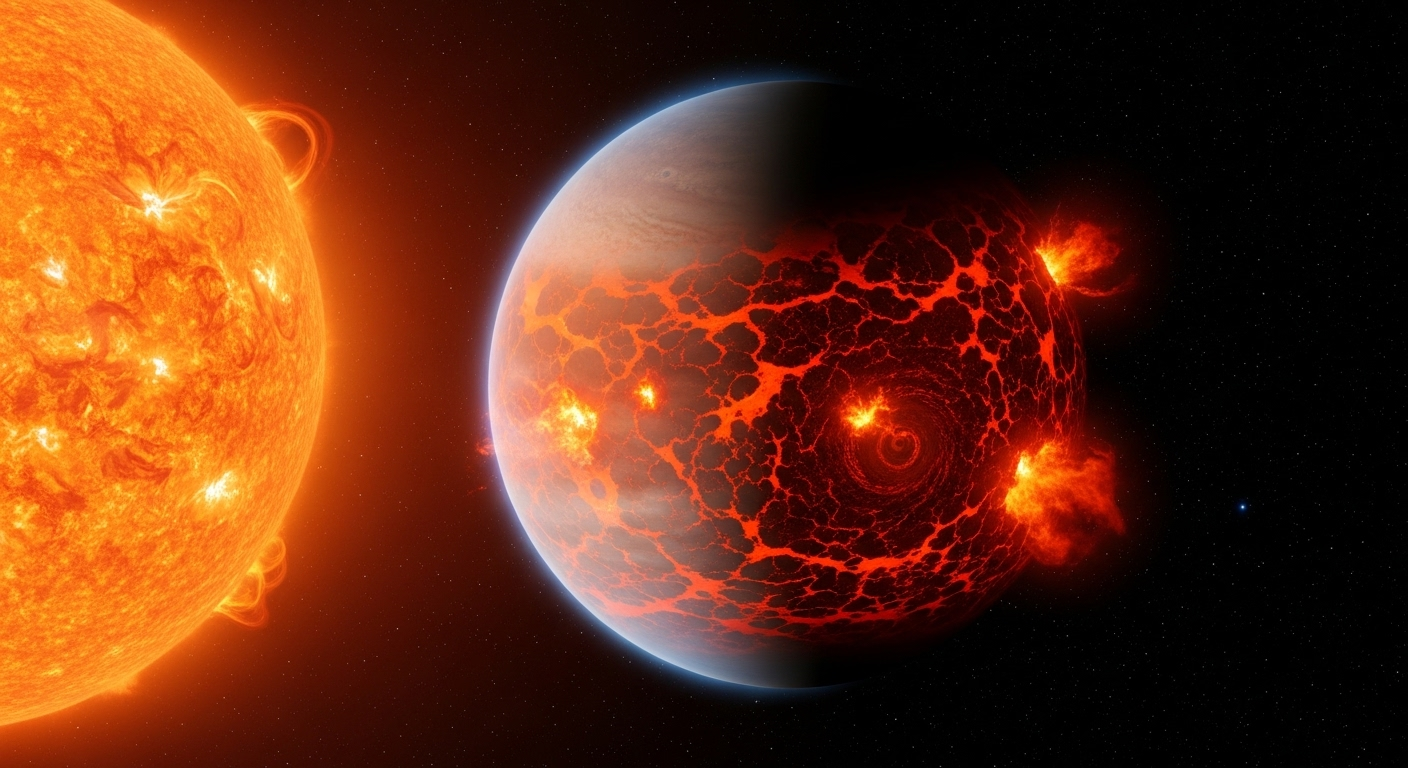
Every great revolution has its first tremor. In 1995, that tremor struck the astronomical world. The very first exoplanet was discovered orbiting a Sun-like star. ‘51 Pegasi b’. Its name might be bland, but its nature was truly shocking. A gas giant planet, as massive as Jupiter, was orbiting incredibly close to its star. This was the emergence of a ‘Hot Jupiter’, something that was simply impossible, no, unimaginable, according to the planetary formation theories of the time. This discovery wasn’t just adding another name to the planet roster. It was the first piece of evidence showing that the universe is a far more ingenious and eccentric inventor than the textbooks we wrote. It was the moment when the possibility was opened wide that our solar system model, which we believed to be the only correct answer, was in fact just one of many correct answers.
The Kepler Census: From Exception to Universal Rule
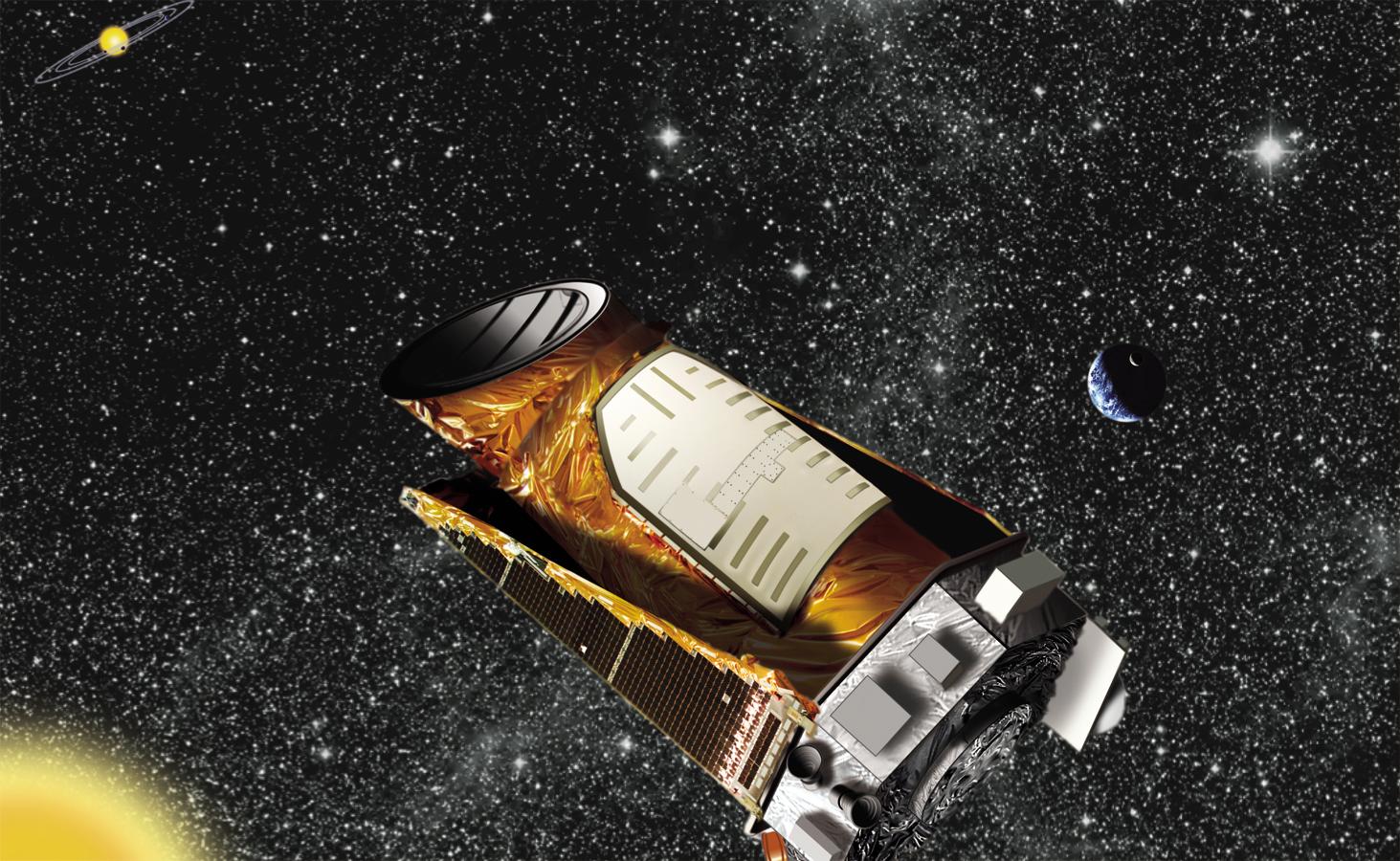
If 51 Pegasi b was the signal flare of a revolution, NASA’s Kepler Space Telescope was the main protagonist that led that revolution into the everyday, into the scientific era. Kepler’s mission was simple yet magnificent: to stare intently, with unwavering stillness, at a single point in the night sky for years, meticulously recording the brightness variations of hundreds of thousands of stars. And the results were, oh, truly revolutionary.
Analyzing the data Kepler sent back, scientists arrived at a startling conclusion: on average, each star in our galaxy hosts at least one planet. Do you grasp the significance of this? It means that exoplanets are not rare finds that happen to be discovered in the universe, but rather a ‘default option’ that accompanies the birth of a star. The fact that all those twinkling stars adorning the night sky likely host their own planetary families. This meant that the number of stages where life could potentially sprout has literally increased by orders of magnitude compared to what we had imagined.
Current Tally
The exploration didn’t stop there. Thanks to subsequent missions like TESS, which followed Kepler, and ground-based giant telescopes working in concert, as of late 2025, humanity has confirmed over 6,000 exoplanets. In fact, this number itself might not hold great significance. It’s merely the result of us slightly lifting the corner of a tiny section of the vast cosmic playground that is our galaxy. However, this number serves as powerful evidence that the estimation of hundreds of billions of planets in our galaxy is no longer a wild fantasy, and it also marks a milestone, showing how vast the unknown territory we have yet to explore is.
The Anatomist’s Toolbox: Deciphering the Invisible Worlds
Exoplanet exploration is, in essence, about the technology to see the unseen. Exploration methods, each with different principles, act like the toolbox of a skilled anatomist, complementing each other’s weaknesses to paint a three-dimensional picture of distant worlds.
Indirect Detection - Reading the Unseen
Radial Velocity Method (Doppler Spectroscopy)
This method, favored by early exoplanet hunters, is, shall we say, a technique for detecting a kind of ‘push and pull’. When a planet orbits a star, the star itself doesn’t remain stationary; it subtly wobbles, drawn by the planet’s gravity. This ’tremor’ causes the star to repeatedly move slightly closer to and farther from us. During this process, the wavelength of the starlight subtly stretches and compresses. It’s similar to the Doppler effect where the sound of an ambulance changes as it approaches and recedes. Astronomers meticulously analyze these minute wavelength shifts to astonishingly determine information like the planet’s mass and orbital period, even without seeing it.
Transit Photometry
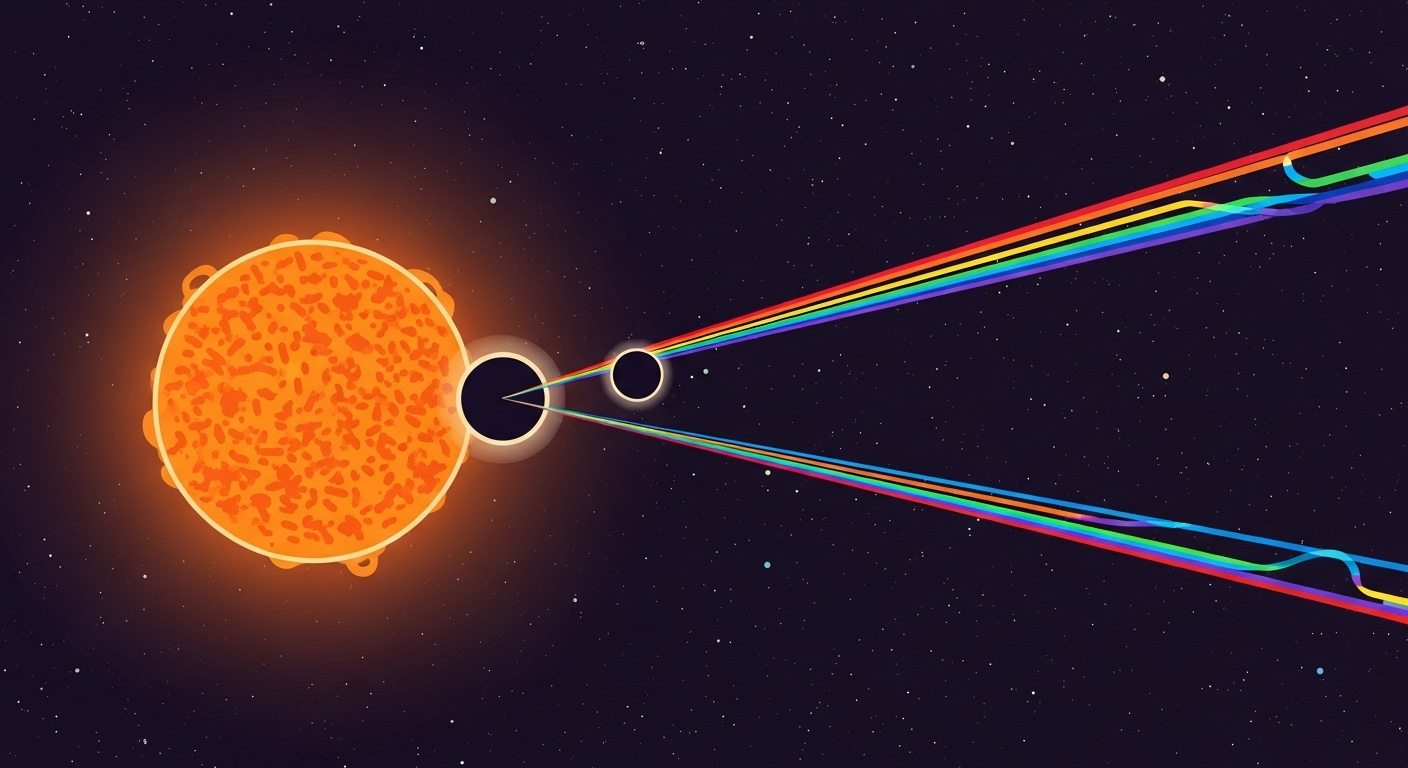
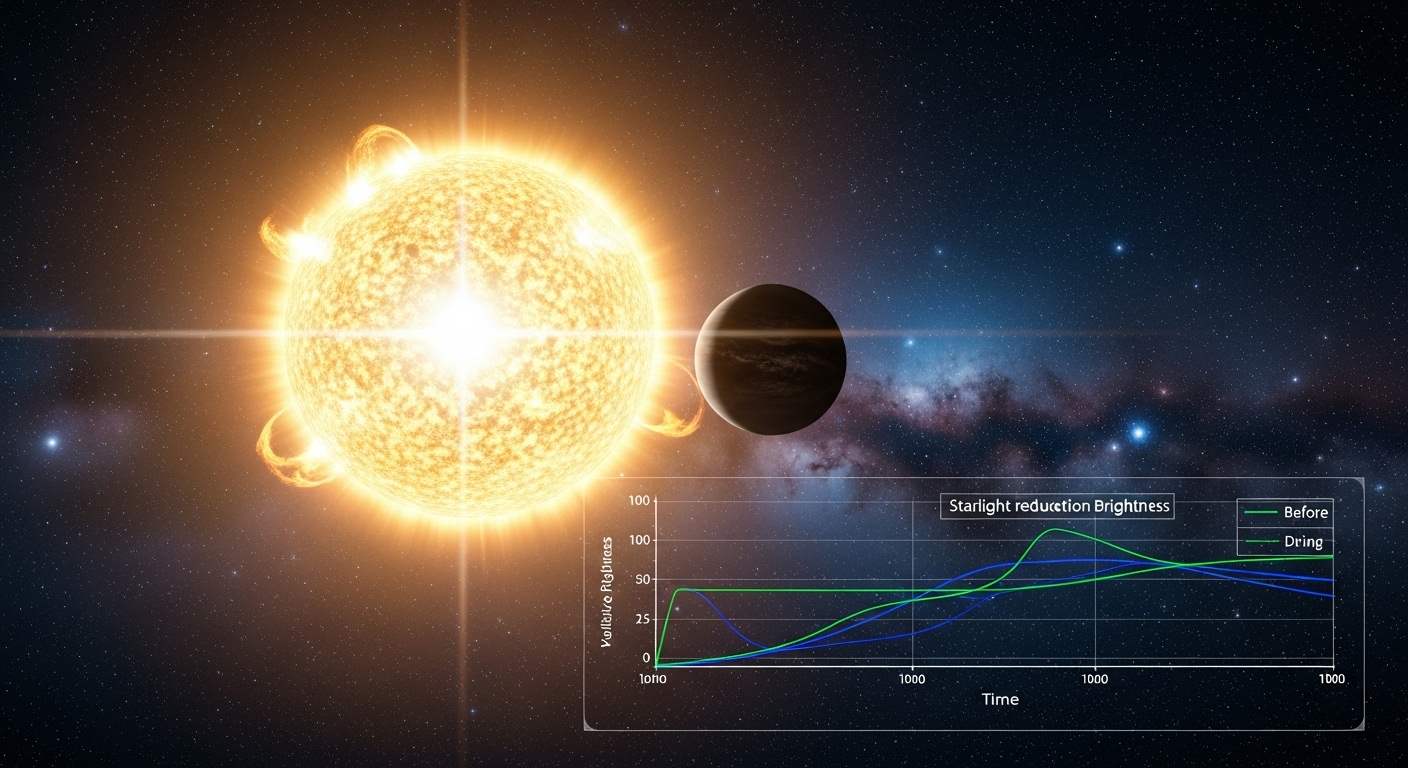
This is the method that Kepler Telescope used, propelling exoplanet exploration into an era of ‘mass production’. Its principle is very intuitive. If, by chance, a planet’s orbit is aligned with our line of sight, the planet will periodically pass in front of its star, slightly dimming the starlight. It’s like a tiny dot passing in front of a light source. By analyzing this periodic dimming pattern, we can determine the planet’s size and orbital period. The true power of this method lies in its ability to simultaneously monitor numerous stars, yielding statistically significant data, and in providing the crucial first step for atmospheric analysis, which will be explained later.
The First Flash - The Challenge of Direct Imaging
Directly capturing an exoplanet in a photograph is, frankly speaking, technically almost insane. It’s often compared to photographing a firefly flying next to a giant searchlight tens of kilometers away. A star is billions of times brighter than a planet and is right next to it, so the planet gets completely lost in its dazzling light.
To tackle this near-impossible challenge, astronomers use specialized equipment called coronagraphs and adaptive optics technology. A coronagraph is a device that artificially creates a total solar eclipse within the telescope to block out starlight, while adaptive optics is technology that corrects for the blurring of images caused by the twinkling Earth’s atmosphere in real-time, making them sharp. Thanks to these technologies, we have succeeded in directly imaging the faint light from young, hot planets that emit their own heat, such as in the HR 8799 planetary system. And recently, the James Webb Space Telescope (JWST) has gone a step further, writing new history in this field by directly imaging much smaller planets with masses comparable to Saturn. It’s truly remarkable.
Einstein’s Magnifying Glass - Gravitational Microlensing
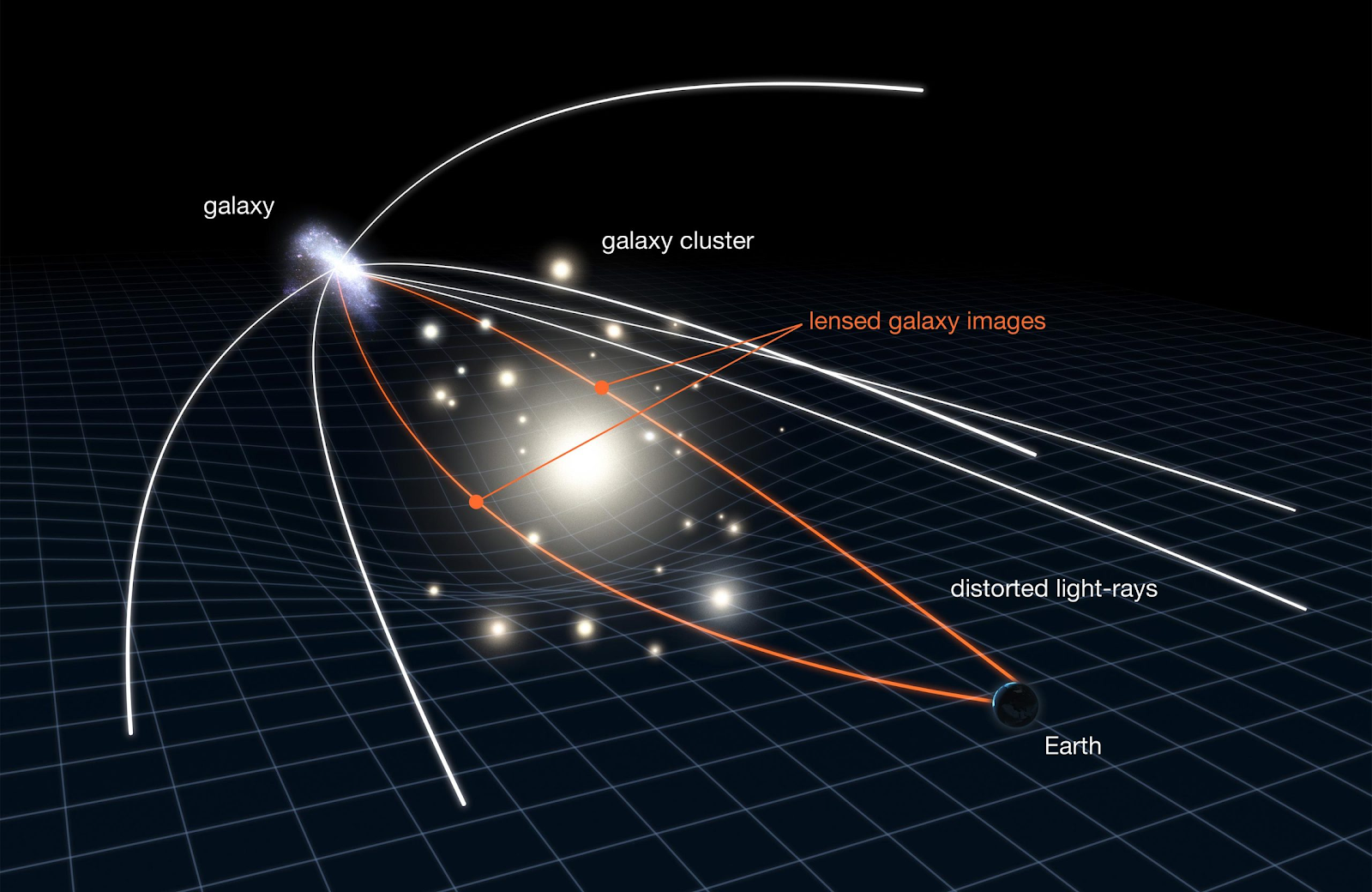
This is a truly ingenious method. It utilizes Einstein’s theory of general relativity. When another star (the lensing star) passes precisely in line between a distant background star and us, the gravity of this lensing star warps spacetime, magnifying the background star’s light like a magnifying glass. But what if this lensing star has a planet? The planet’s small gravity creates an additional distortion, leaving a short, sharp ‘spike’ in the light curve.
The biggest advantage of this method is that it can capture objects that are difficult to find by other means. It can detect cold planets very far from their parent stars, or even ‘rogue planets’ drifting through space without a parent star.
Crucially, these tools don’t operate in isolation. If we measure a planet’s size using the transit method and determine its mass using the radial velocity method, combining these two allows us to calculate the planet’s ‘density’. Knowing the density gives us a crucial clue as to whether the planet is a solid rocky planet like Earth or a fluffy gas giant like Jupiter. Ultimately, this toolbox is an interdependent system that uses the strengths of one tool to compensate for the limitations of another, painting a true picture of the planet.
The Alchemist’s Pursuit: Atmospheric Analysis and Traces of Life
Now that we know exoplanets are scattered throughout the universe, the paradigm of exploration is shifting. It’s moving from merely ‘finding’ planets to ‘understanding’ them, specifically toward the ultimate question: “Who might be living there?”
Redefining Habitability: Beyond the ‘Goldilocks Zone’
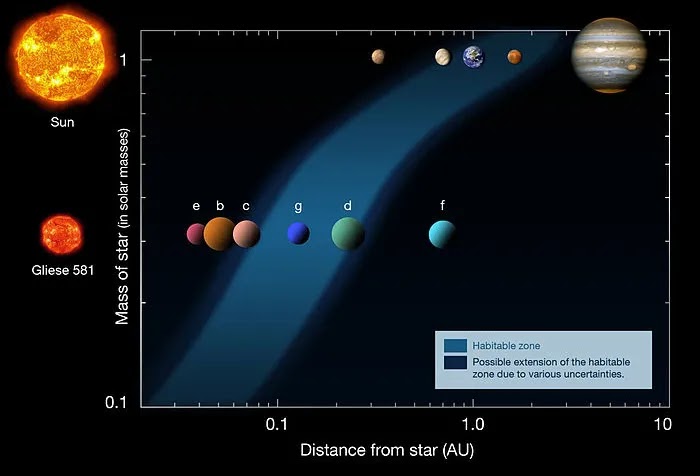
In the past, the ‘Goldilocks Zone’ concept was everything. The “just right” distance from a star where liquid water could exist on a planet’s surface, not too hot, not too cold. But now we know this is merely an entry ticket. For a true haven for life, many more stringent conditions must be met.
How violent is the host star (stars like red dwarfs emit life-threatening flares)? Does the planet itself have geological activity to generate a magnetic field? And most importantly, does it have an atmosphere? An atmosphere maintains temperature through the greenhouse effect, acts as a shield against cosmic radiation, and is the stage for the chemical reactions necessary for life.
Atmospheric Forensics with the James Webb Space Telescope (JWST)
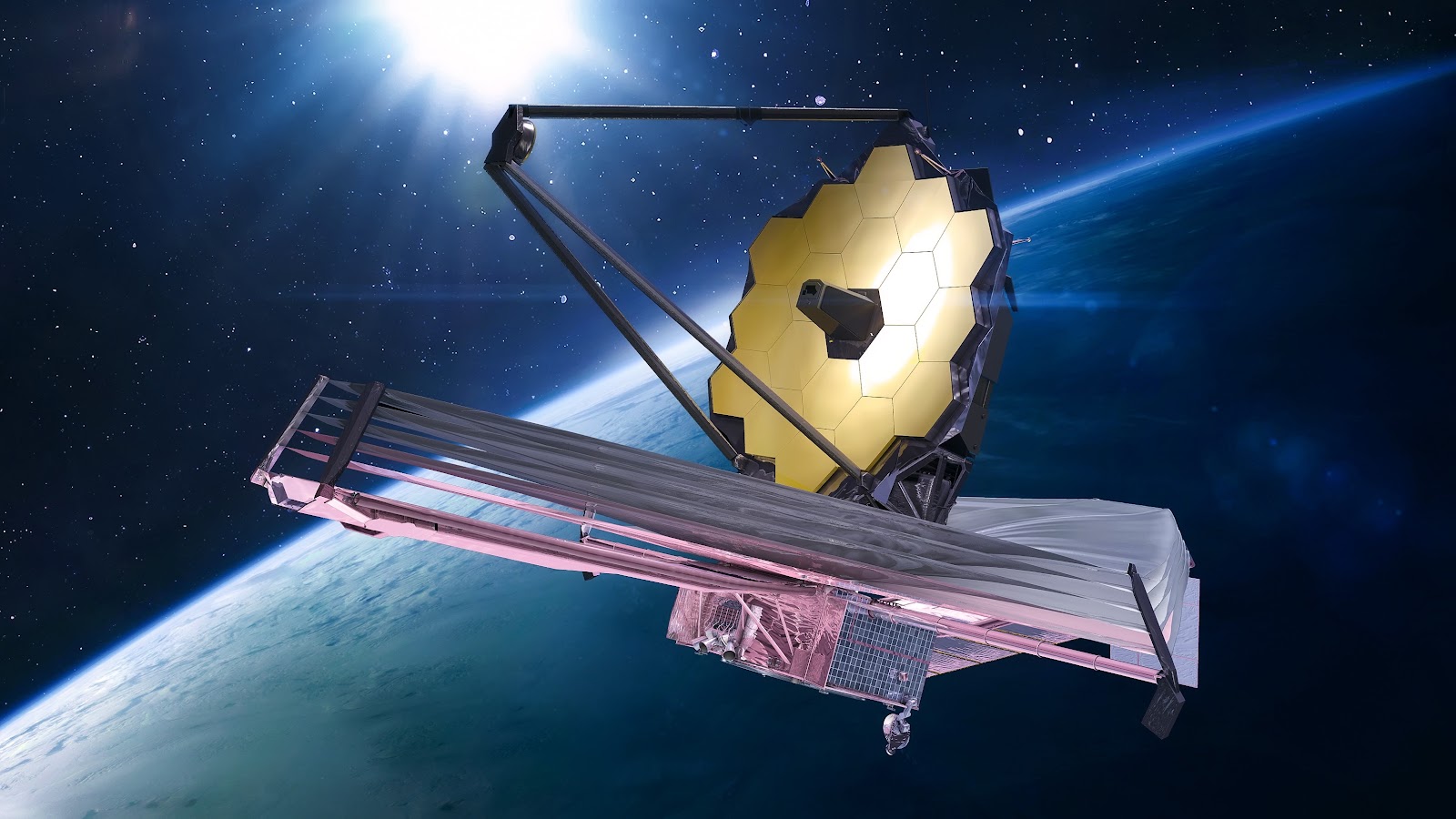
The advent of the JWST has revolutionized this field. Humanity has gained an ’eye’ capable of peering into the atmospheres of small, cool, Earth-like planets, something previously unimaginable. JWST primarily uses a technique called transmission spectroscopy. When a planet passes in front of its star, some of the starlight passes through the planet’s atmosphere, and specific gas molecules absorb certain wavelengths. By analyzing which wavelengths of light are missing from the spectrum of the light that passed through the atmosphere, we can determine the atmospheric composition, much like reading a chemical ‘barcode’.
Case Study: The Enigma of K2-18 b and Scientific Rigor
One of the hottest debates in modern astrobiology centers around a planet called K2-18 b. This object has thrown a massive curveball to the scientific community through JWST observations.
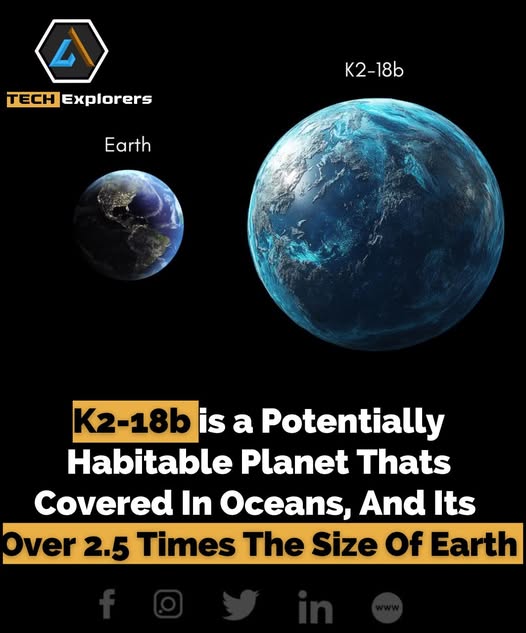
Hopeful Signal The initial observation results were truly astonishing. Analyses suggested it could be a ‘Hycean’ planet, with a hydrogen-rich atmosphere and the potential for a vast ocean beneath. Even more remarkably, a signal believed to be ‘dimethyl sulfide (DMS)’ was detected in the atmosphere. Why is this significant? On Earth, DMS is almost exclusively a substance produced by life, such as marine plankton. The possibility of a potential ‘biosignature’ caused global excitement.
Debate Over Evidence However, science does not conclude based solely on excitement. The statistical significance of the DMS signal presented by the initial research team was around ‘3-sigma’. This means there was about a 0.3% probability that the signal occurred by chance. While an intriguing clue, it falls far short of the ‘5-sigma’ (a 0.00006% chance of occurring by chance) considered the ‘gold standard’ for discovery.
Scientific Scrutiny and Alternative Explanations As expected, other research teams soon began to present counterarguments, analyzing the same data in different ways. They questioned whether the signal might be a subtle instrument error or noise generated during data processing. Furthermore, theories were proposed suggesting that DMS could be produced by unknown non-biological chemical reactions in the peculiar environment of K2-18 b, which is rich in hydrogen and has high temperatures and pressures.
The K2-18 b case offers us a very important lesson. The search for extraterrestrial life is not a binary ‘found/not found’ issue. It’s a painstaking and repetitive game of probabilities: detecting signals, assessing statistical significance, and systematically ruling out all non-biological scenarios. The mystery of K2-18 b is not a failure, but rather a crucial testbed, demonstrating how stringent the bar for evidence must be to support such an extraordinary claim as extraterrestrial life.
JWST’s Gallery of New Worlds
Beyond K2-18 b, JWST has revealed the faces of a diverse range of worlds.
- TRAPPIST-1 d: A planet of Earth’s size that generated great anticipation, but unfortunately, it has been revealed to lack a substantial atmosphere.
TRAPPIST-1 d imaged by James Webb - Alpha Centauri A: Strong evidence has been detected for the existence of a planet comparable in size to Saturn in our immediate cosmic neighborhood.
Alpha Centauri A imaged by James Webb - Cradle of Carbon-Rich Planets: In some nebulae, a phenomenon has been observed where planets are forming from very peculiar ingredients, with almost no water but abundant carbon dioxide.
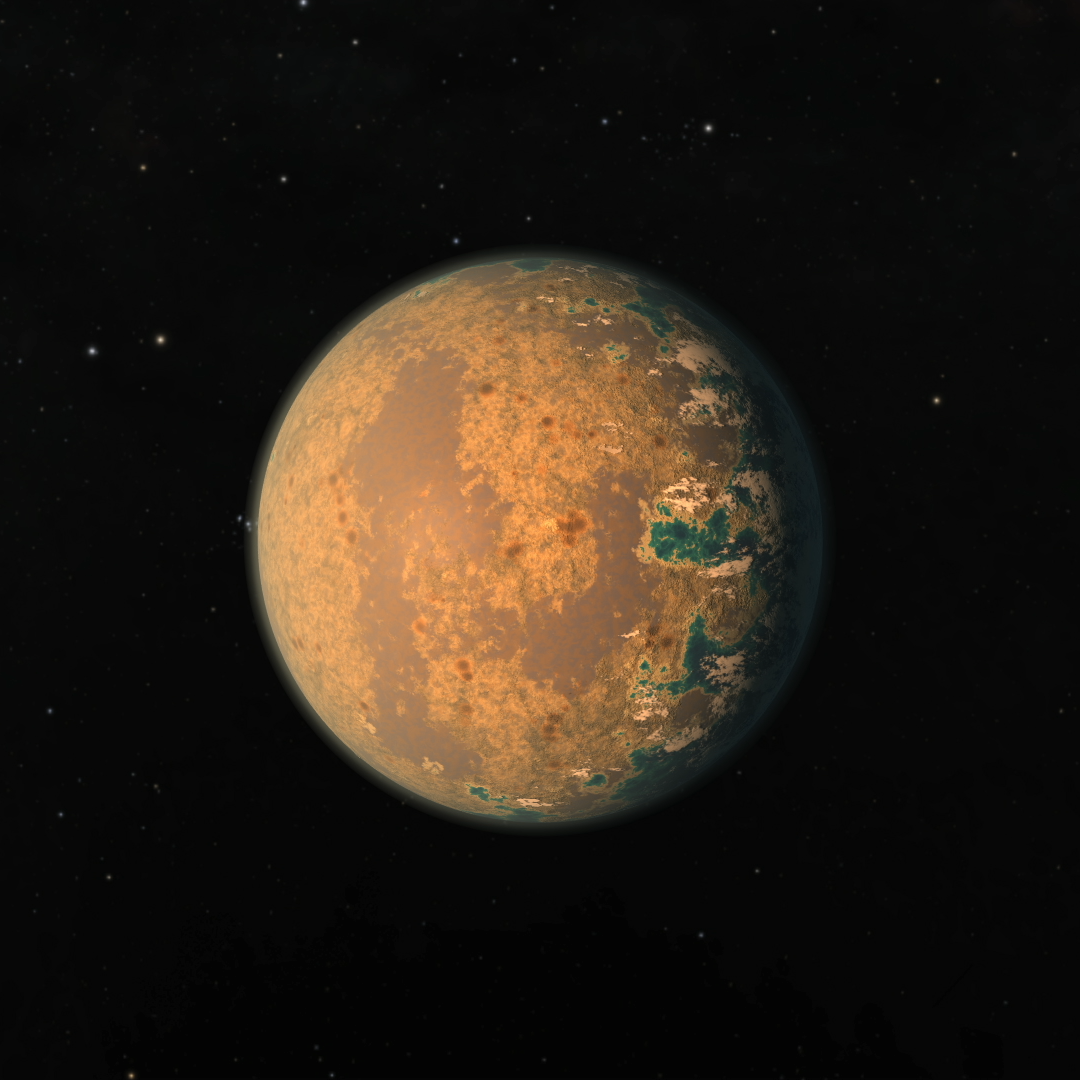
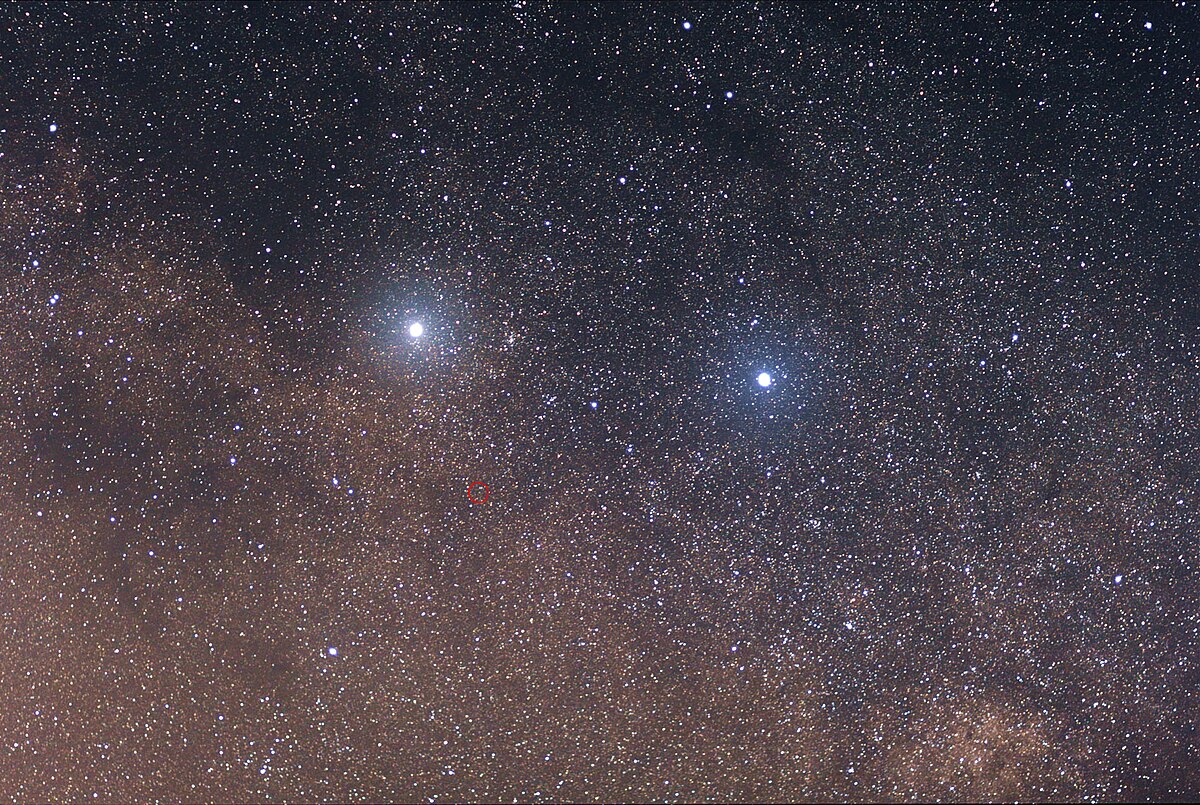
All these discoveries continuously remind us that planets are far more diverse than we previously imagined.
Propulsion Outward: Humanity’s First Steps into the Solar System
While intellectual exploration of exoplanets continues, tangible steps for humanity to venture beyond Earth have begun on another front. This is no longer a competition driven by national pride like in the Cold War era. A far more complex and dynamic ecosystem is emerging, with governments and private companies competing and collaborating to drive innovation.
Artemis: Return to the Moon, Gateway to Deep Space
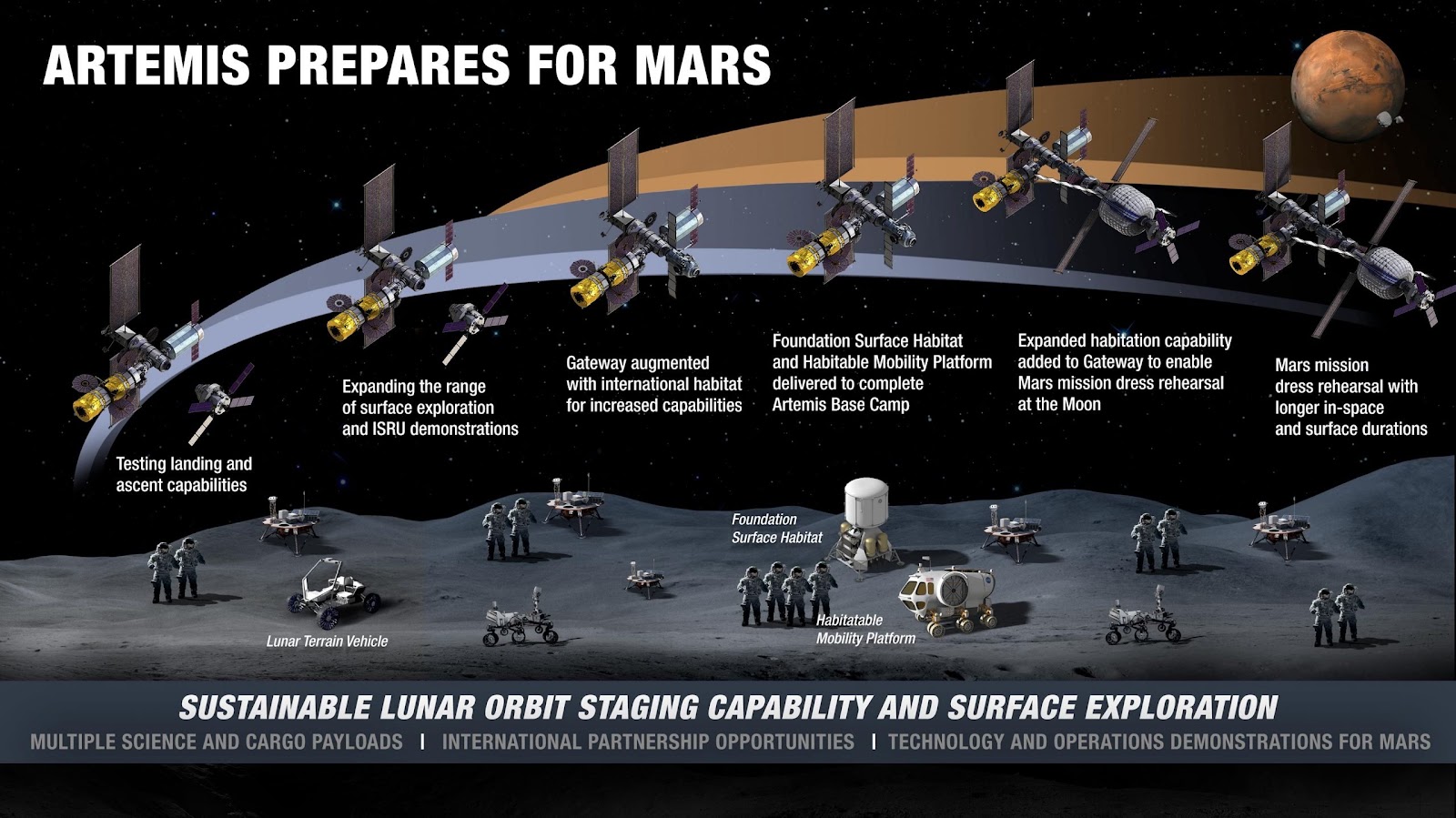
NASA’s Artemis Program aims for more than just returning to the Moon after 50 years. It’s a much larger picture, intending to use the Moon as a staging post for journeys to Mars.
- Artemis II (Post-2026): This mission will send astronauts on a journey around the Moon’s orbit. It will be a historic moment, marking humanity’s first foray into deep space since the Apollo era.
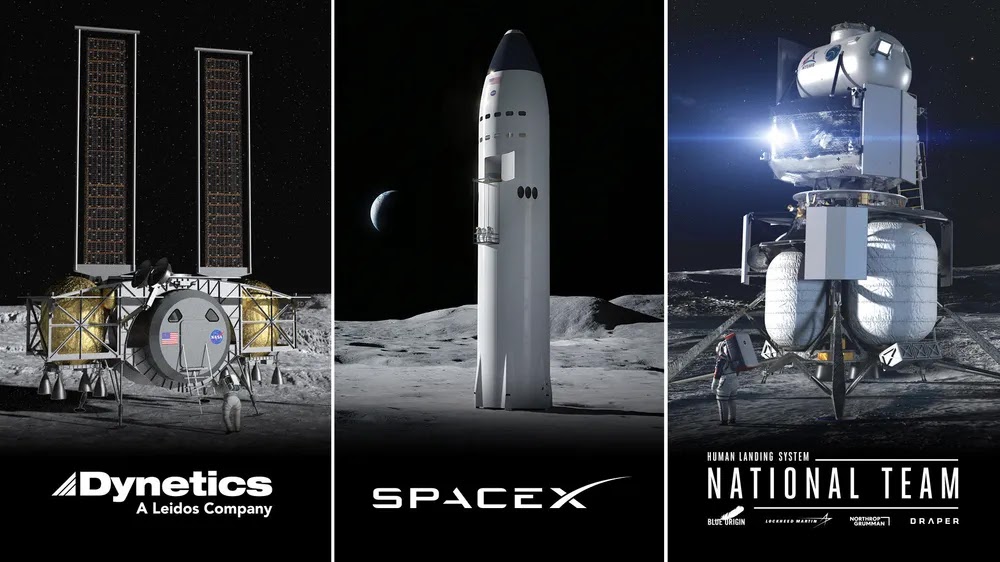
- Artemis III (Post-2027): Humanity will finally set foot on the lunar surface again. This time, the landing will be in the Moon’s south polar region, with important scientific objectives such as searching for ice. However, the success of this mission entirely depends on the development of Starship by the private partner, SpaceX.
- Artemis IV and V (Post-2028): From this stage, construction of a space station called ‘Lunar Gateway’ will begin in lunar orbit. Notably, Artemis V is scheduled to be the first mission to utilize Blue Origin’s ‘Blue Moon’ lander, a competitor to SpaceX. This is a very important signal that a healthy competitive ecosystem is forming in the lunar exploration market.
Rockets Used in Artemis
The Inevitability of Mars: SpaceX’s Vision for a Second Home
Frankly speaking, SpaceX’s Mars colonization plan is the most audacious, and perhaps even seemingly reckless, project in history. Their goal is clear: to make humanity a multi-planetary species.
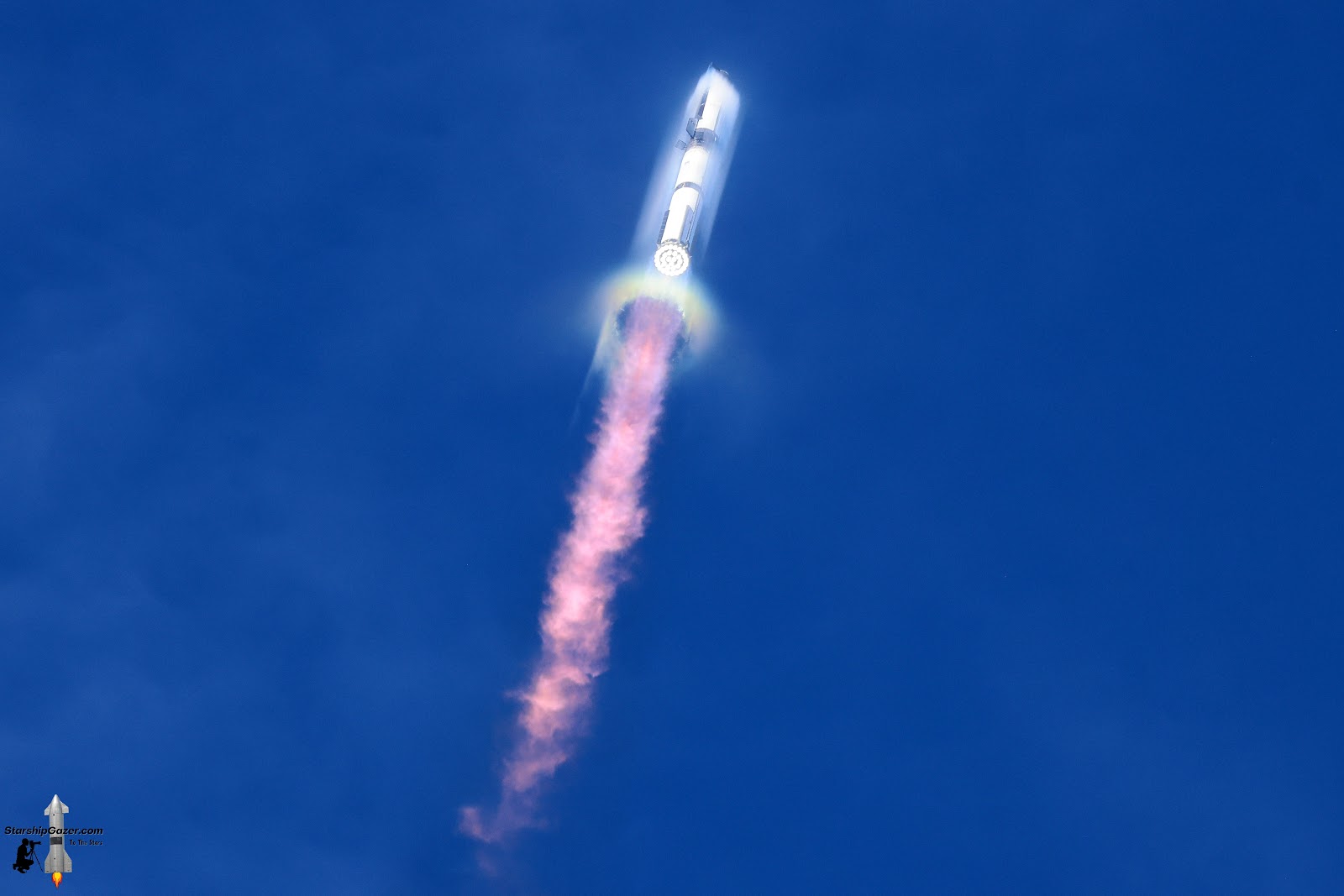
- Architecture: The core of this plan involves two key elements: first, the fully reusable rocket ‘Starship’, and second, the concept of ‘orbital refueling’ in Earth’s orbit. Orbital refueling is essential to transport the massive amount of cargo needed for the journey to Mars.
- Roadmap: SpaceX’s timeline is incredibly ambitious. They aim for their first crewed mission as early as 2029 and aspire to establish a self-sufficient city on Mars by 2050.
- Challenges: Of course, it won’t be an easy path. There are many mountains to climb, such as perfecting the thermal protection system to withstand the immense heat when Starship re-enters the atmosphere, and securing the enormous funding required for all these plans.
SpaceX's Starship, the flagship of its Mars colonization plan
The New Space Economy: Acceleration Through Competition
Space exploration today is vastly different from the past. Instead of government agencies like NASA leading everything, the model has shifted to governments acting as ‘major customers,’ incentivizing competition among private companies. The emergence of Blue Origin as a strong competitor to SpaceX demonstrates how this competitive landscape is a powerful engine driving down launch costs and accelerating technological development.
However, this public-private partnership model also brings new risks. For example, the entire schedule of a national mission like Artemis III is entirely dependent on the development speed of a single private company, SpaceX. Isn’t that fascinating? Governments and private companies, as both customers and partners, are intricately intertwined, sometimes moving towards the same goal, but at other times pursuing their own distinct dreams (like SpaceX’s focus on Mars). As a result, today’s space exploration ecosystem is far more dynamic than in the past, but at the same time, it is moving in a far more unpredictable direction.
The Next Horizon: Tools and Ideas for the Interstellar Age
As humanity gains a foothold within the solar system, the scientific community is already preparing for the next stage, beyond it, towards interstellar space. This is akin to exploring new continents: first, a broad survey to find interesting spots, then reconnaissance to target objectives, and finally, deploying the best equipment for in-depth investigation.
Eyes in the Sky: Next-Generation Giant Observatories
Space-Based Characterization Missions
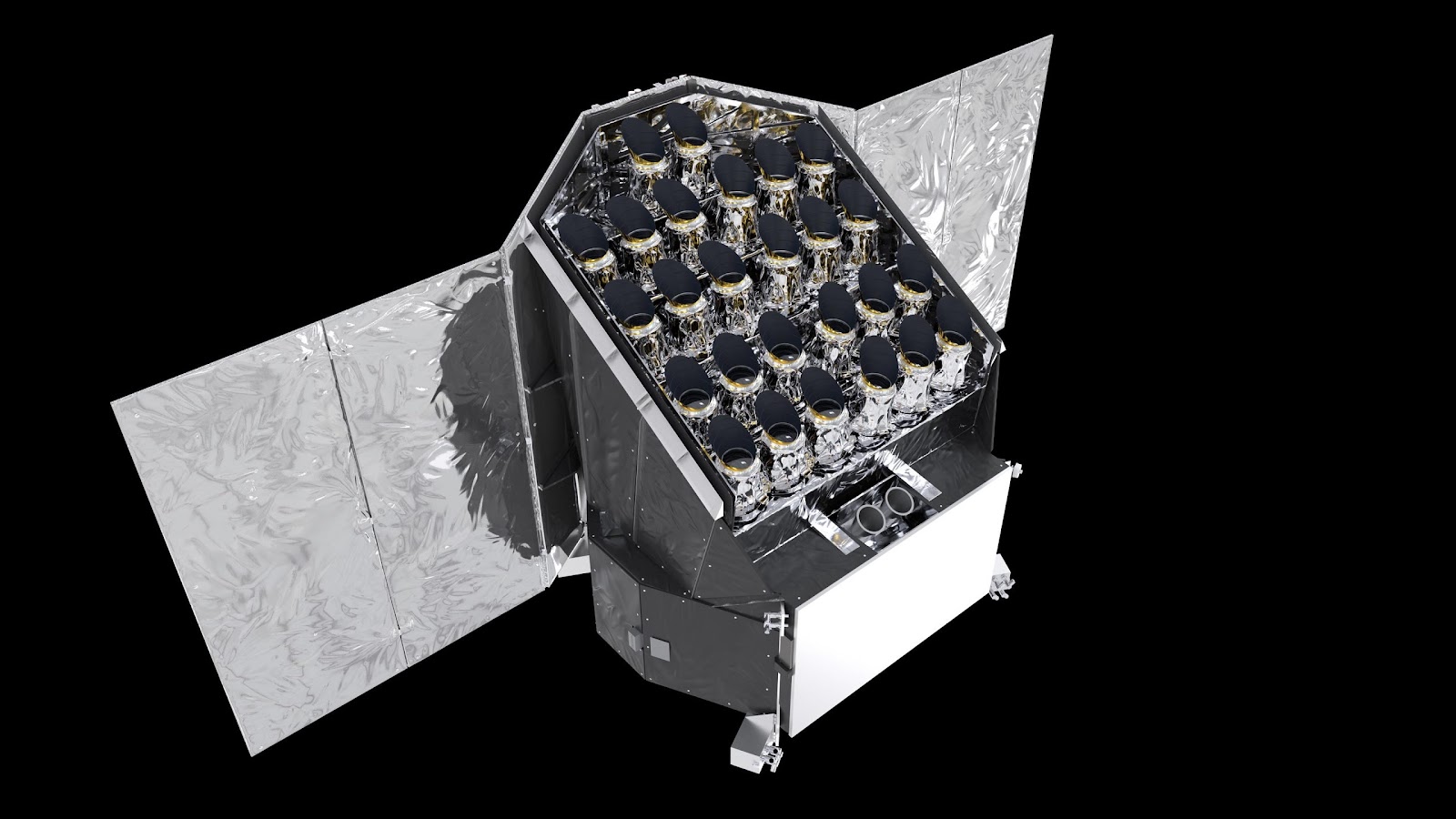
- PLATO (Scheduled Launch 2026): This one is a ‘broad survey’ specialist. It will meticulously search for Earth-sized rocky planets in the habitable zones around Sun-like stars. It will create a list of promising candidates to pass on to ‘in-depth analysts’ like JWST.
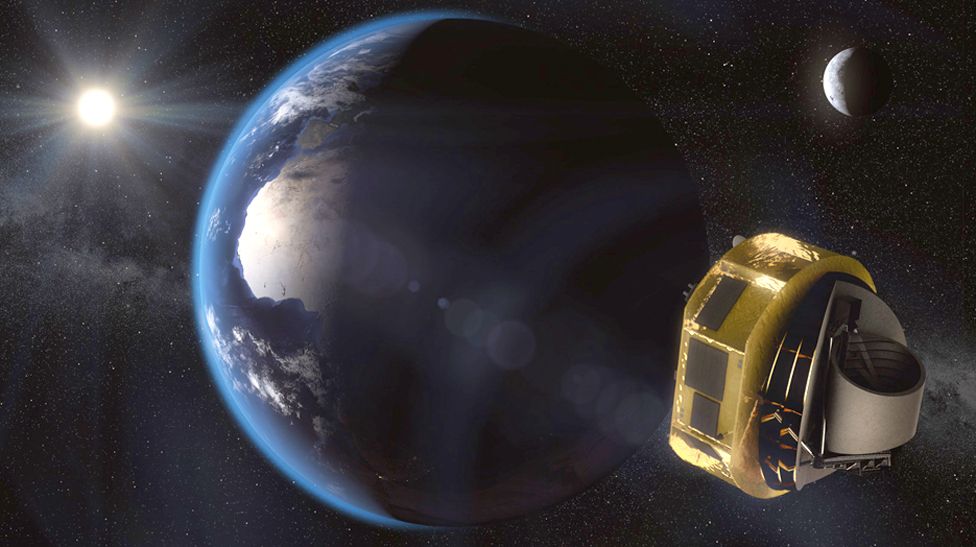
Broad survey specialist PLATO - ARIEL (Scheduled Launch 2029): ARIEL will be responsible for ’target reconnaissance’ missions. It will systematically survey the atmospheres of about 1,000 exoplanets, conducting a kind of ‘chemical census.’ This will allow us to draw a broad picture of how planetary atmospheres form and evolve.
ARIEL on a target reconnaissance mission
Ground-Based Giant Telescopes
- Extremely Large Telescope (ELT, First Observations around 2029): As its name suggests, this is the ultimate ‘in-depth analysis’ tool. With a mirror 39 meters in diameter, it will collect light and is expected to directly image Earth-sized rocky planets and search for traces of life like oxygen or methane in their atmospheres. It may even be the one to find definitive evidence of extraterrestrial life.
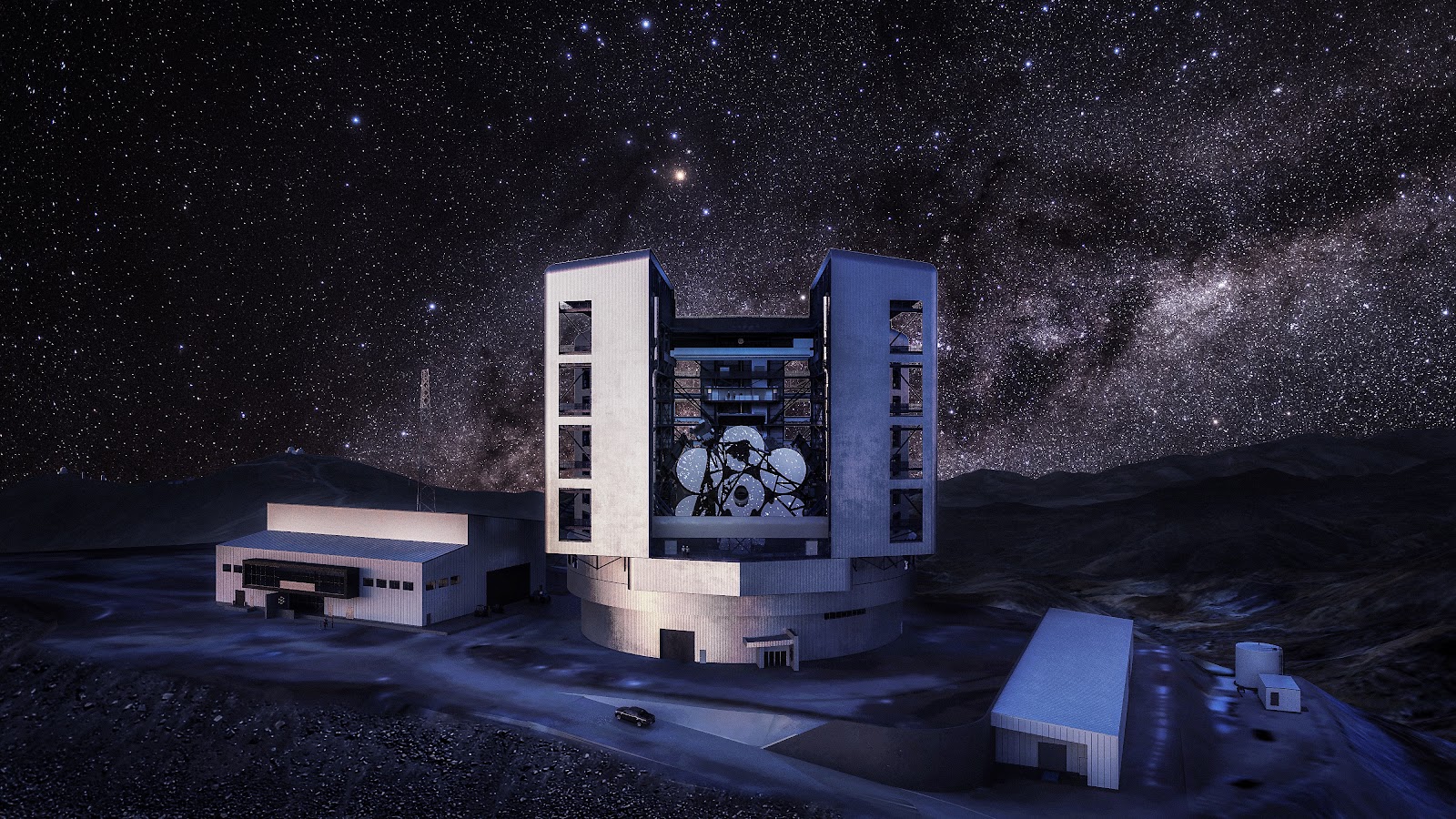
Extremely Large Telescope ELT - Giant Magellan Telescope (GMT, Operational in the 2030s): Along with the ELT, these are the twin pillars that will usher in a new era of ground-based telescopes. These next-generation telescopes will pick up the most interesting targets identified by space telescopes and perform ultra-high-resolution observations possible only from the ground, maximizing their capabilities.
Giant Magellan Telescope GMT

The Tyranny of Distance: Crossing the Interstellar Void
The problem is distance. Even the nearest star would take tens of thousands of years to reach with current technology. Ideas to overcome this ’tyranny of distance’ are still in their early stages, but seeds for the future are being sown through programs like NASA’s Innovative Advanced Concepts (NIAC).
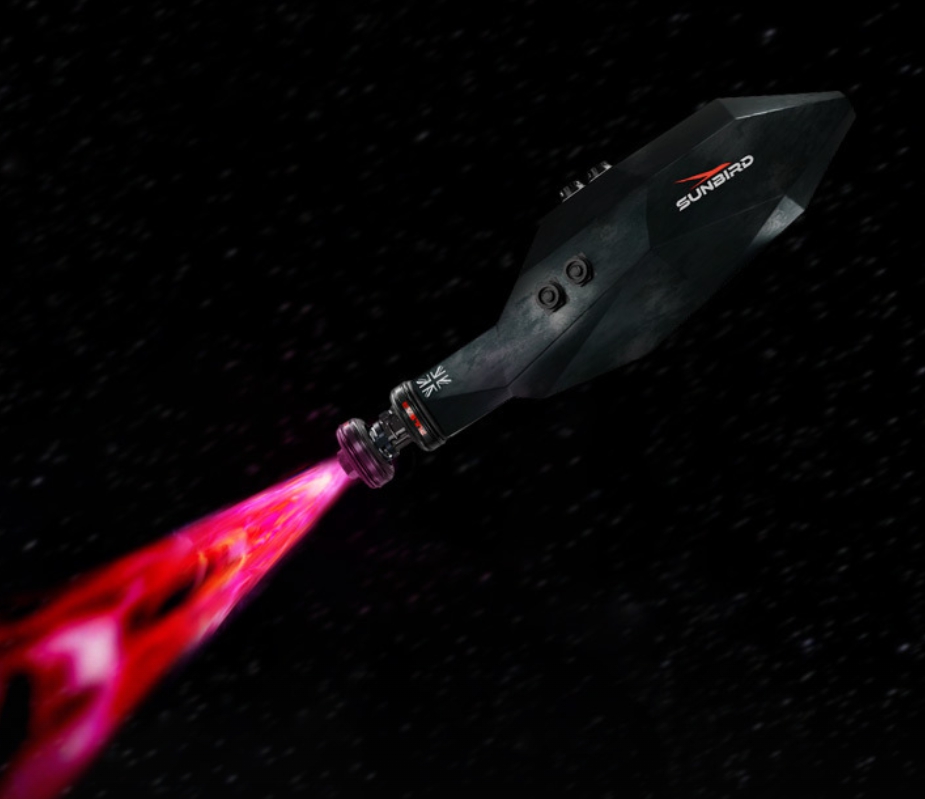
- Fusion Propulsion: A technology that can reduce the travel time to Mars to two months with energy levels far beyond chemical rockets. This is a minimum prerequisite for discussing interstellar travel.
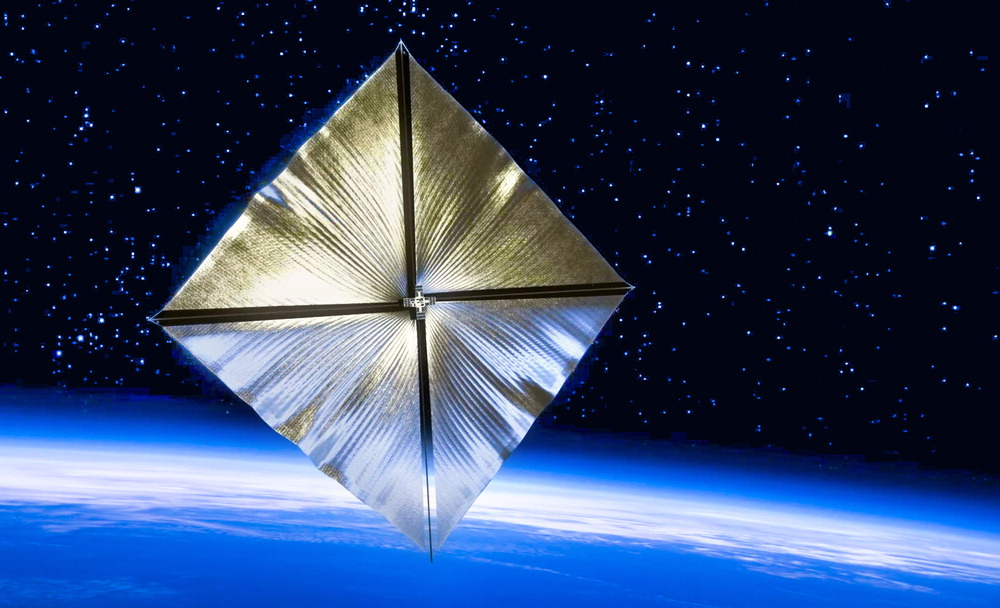
Fusion Propulsion: The foundation for interstellar travel - Advanced Solar Sails: A method of continuous acceleration using only the pressure of sunlight, without any fuel. It is being researched as a power source for long-duration interstellar probes.
Solar Sail: A power source in space
The Great Silence: Modern Search for Technosignatures
What if extraterrestrial life has achieved technological civilization like us? They might be unintentionally emitting ’technosignatures’ into space. Search for Extraterrestrial Intelligence (SETI) is precisely a project to find these signals.
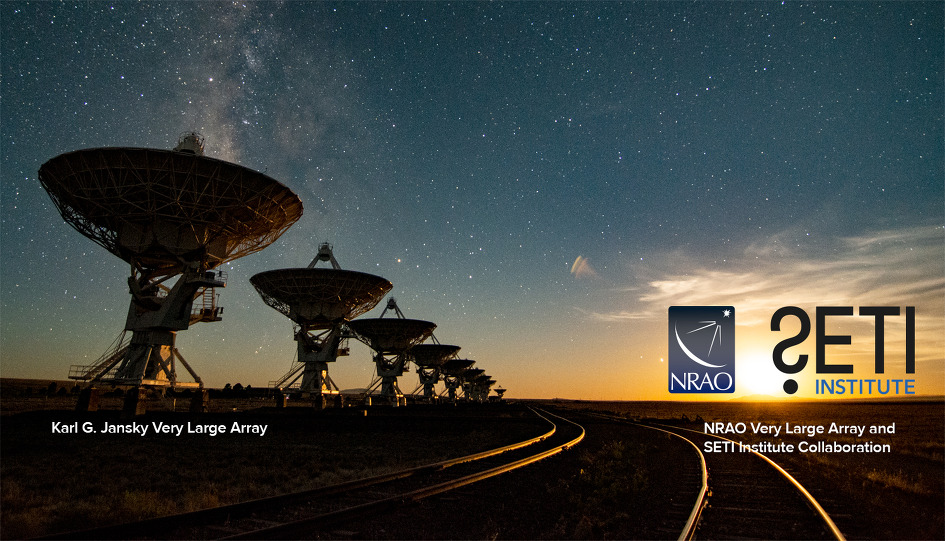
- Breakthrough Listen: This is the most systematic SETI project in history, scouring the skies with the world’s most powerful radio telescopes. This signifies a shift from passively waiting for signals to active, data-intensive exploration.
SETI's BREAKTHROUGH LISTEN
Conclusion: A Destiny Among the Stars
In just one generation, we have undergone truly astonishing changes. From beings who knew of only a single planetary system, we have become beings who know of thousands of worlds. The scientific exploration to find exoplanets and the engineering challenge to venture into space are no longer separate paths. They are like two faces of a single, grand human aspiration.
In the 21st century, we stand at an unprecedented threshold. We are the first generation with the tools to scientifically detect life beyond Earth, and at the same time, the first generation with the technology to establish new outposts beyond Earth. The countless planets revealed by Kepler and JWST provide the reasons why we must go, while Artemis and Starship show us how we can go.
The whispers of the night sky are no longer tales of myth or philosophy. They have now become verifiable scientific hypotheses, and concrete plans for humanity’s next leap forward. Whether we first discover traces of life on a distant exoplanet or sprout new branches of Earth life on the soil of Mars, perhaps the order doesn’t really matter.
What is certain is that our destiny is no longer confined to this single planet. Humanity, once a species bound to one world, has just begun its grand journey towards becoming a truly galactic being. The whispers of the night sky were a call to action, and humanity has finally begun to respond to that call for the first time in history.
References
- NASA has officially recognized ‘6000 exoplanets and counting’ YouTube
- Is our dream of finding ocean-covered exoplanets drying up? - Space [Sharmila Kuthunur]
- James Webb Space Telescope discovers its first exoplanet - Trinity College Dublin [A.-M. Lagrange et al.]
- PLATO (spacecraft) [Wikipedia]
- PLATO – the space telescope searching for Earth-like planets in the Milky Way [DLR]
- ELT (Extremely Large Telescope) - eoPortal [ESA]
- The Extremely Large Telescope — Facts about the world’s largest telescope - Space [Keith Cooper]
- Giant Magellan Telescope [Wikipedia]
- The Giant Magellan Telescope [Smithsonian Global]
- Revisiting K2-18 b: JWST finds a new lead in the search for life on a mysterious exoplanet [The Planetary Society]
- NASA Awards 2025 Innovative Technology Concept Studies [NASA]
- K2-18b [Wikipedia]
- Strongest hints yet of biological activity outside the solar system [University of Cambridge]
- Signs of life on K2-18 b revisited in new NASA study - Astronomy.com [Brooks Mendenhall]
- Strongest hints yet of biological activity outside the solar system [YouTube (University of Cambridge)]
- K2-18b Does Not Meet The Standards Of Evidence For Life - Astrobiology [Kevin B. Stevenson, et al.]
- Press Releases 2025 [ESA/Webb]
- NASA’s Webb Finds New Evidence for Planet Around Closest Solar Twin [NASA Science]
- Astronomers stunned as James Webb finds a planet nursery flooded with carbon dioxide - ScienceDaily [Stockholm University]
- Artemis program [Wikipedia]
- NASA’s Artemis 2 moon mission: Live updates - Space [Tariq Malik, Josh Dinner]
- Artemis II [Wikipedia]
- NASA Artemis II | Send Your Name to Space [NASA]
- NASA’s Artemis Moon Missions: all you need to know [Royal Museums Greenwich]
- SpaceX Starship [Wikipedia]
- Blue Moon (spacecraft) [Wikipedia]
- SpaceX’s 2025 Plan for Mars Colonization [New Space Economy]
- Mission: Mars [SpaceX]
- Elon Musk reveals bold new timeline for humanity’s first Mars colony [The Times of India]
- SpaceX Mars colonization program [Wikipedia]
- Blue Moon Mark 1 Lunar Lander [Blue Origin]
- Historic mission: Jeff Bezos’s Blue Origin set to challenge SpaceX with reusable New Glenn rocket [Business Today]
- Blue Moon [Blue Origin]
- Blue Origin Lunar Plans Detailed [Leonard David’s INSIDE OUTER SPACE]
- Elon Musk’s SpaceX wins contracts worth $714 million from Pentagon; as Jeff Bezos’ Blue Origin New Glenn rocket awaits national security clearance [The Times of India]
- PLATO mission to launch in late 2026 onboard Ariane 6 [DLR]
- ARIEL [Wikipedia]
- ESA’s ARIEL Mission Will Study the Atmospheres of More Than 1000 Exoplanets - Universe Today [Evan Gough]
- Ariel Space Mission – European Space Agency M4 Mission [Ariel Mission Space]
- ESA formally adopts Ariel, the exoplanet explorer - RAL Space [STFC]
- Extremely Large Telescope [Wikipedia]
- About - ELT [ESO]
- Giant Magellan Telescope enters final design phase - Northwestern Now [Amanda Morris]
- Giant Magellan Telescope [GMTO Corporation]
- NIAC Funded Studies [NASA]
- NASA Institute for Advanced Concepts [Wikipedia]
- NASA Takes Six Advanced Tech Concepts to Phase II - Universe Today [Evan Gough]
- NASA Next-Generation Solar Sail Boom Technology Ready for Launch [NASA]
- Breakthrough Listen [Wikipedia]
- James Webb Space Telescope Archives [NASA Science]
- Artemis Coverage - Space [Tariq Malik, Josh Dinner]
- Updates [SpaceX]
- ARIEL/CASE [IPAC/Caltech]
- ARIEL Passes Major Milestone [IPAC/Caltech]
- Next-generation planet finder [PLATO Mission Consortium]
- Mission and Payload Status - plato - esp2025 [James Windsor]
- PLATO (PLAnetary Transits and Oscillation of Stars) - eoPortal [ESA]
- The Extremely Large Telescope [arXiv]
- ELT [ESO]
- For Scientists [Giant Magellan Telescope]
- The Giant Magellan Telescope Project in 2024: Status and Look Ahead [GMTO Corporation, SPIE]
- NIAC Symposium [NASA]