
Would you believe that the fries on your dinner table tonight hide a history of blood and tears, having once been called the ‘devil’s plant’ and causing the death of a quarter of a nation’s population?
- Why potatoes were called ‘devil’s plants’ in early European history
- How an absolute monarch and a pharmacist cleverly promoted potatoes
- The true cause of the Irish Great Famine and the terrifying risks of monoculture
Chapter 1: The Dark History of Potatoes, the Devil’s Apples, Landing in Europe
In the 16th century, the potato discovered by Spanish conquistadors in the Inca Empire faced not welcome but cold hatred and deep fear upon arriving in Europe. This marked the beginning of the dark history of potatoes.
Reasons for Hatred and Fear
The reasons for the Europeans’ hatred of potatoes were complex.
First, the fact that it was a ‘crop not mentioned in the Bible’ was the biggest issue. In an era when God’s word was absolute truth, a plant not mentioned in the Bible was considered blasphemous.
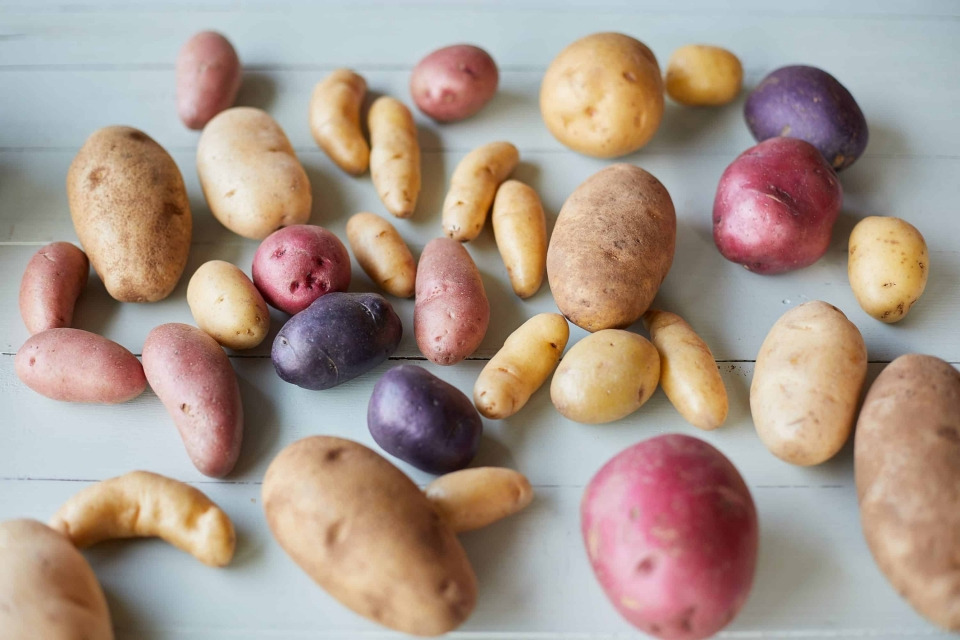
Second, unlike the divine wheat that grows toward the heavens, the potato, which grows in dark, damp soil, was treated as unclean and impure. Its bumpy, dark appearance fueled disgust, earning it the horrific nickname ‘devil’s fruit.’
The Shadow of Leprosy and Death: The Truth About Solanine
Fear of potatoes spread into a horrific superstition that they caused leprosy (Hansen’s disease). This was analyzed to be because the potato’s bumpy shape resembled the bodies of sick patients.
However, there was a grain of truth in this superstition. The sprouts or green parts of potatoes exposed to sunlight contain a toxic substance called ‘solanine.’ Early Europeans, unaware of proper cooking methods, consumed these parts raw and exhibited symptoms of food poisoning, leading to the belief that ‘potatoes are poison’ spreading uncontrollably.
This fear culminated in France when potatoes were subjected to religious trials and burned like witches. This historical episode illustrates how societal fear of a new entity can transform into madness.
Chapter 2: The Great Hoax of the King and Scholar Who Tamed Potatoes
How did the devil’s crop conquer the European table? Behind this were two great figures who pierced the psychology of the masses.
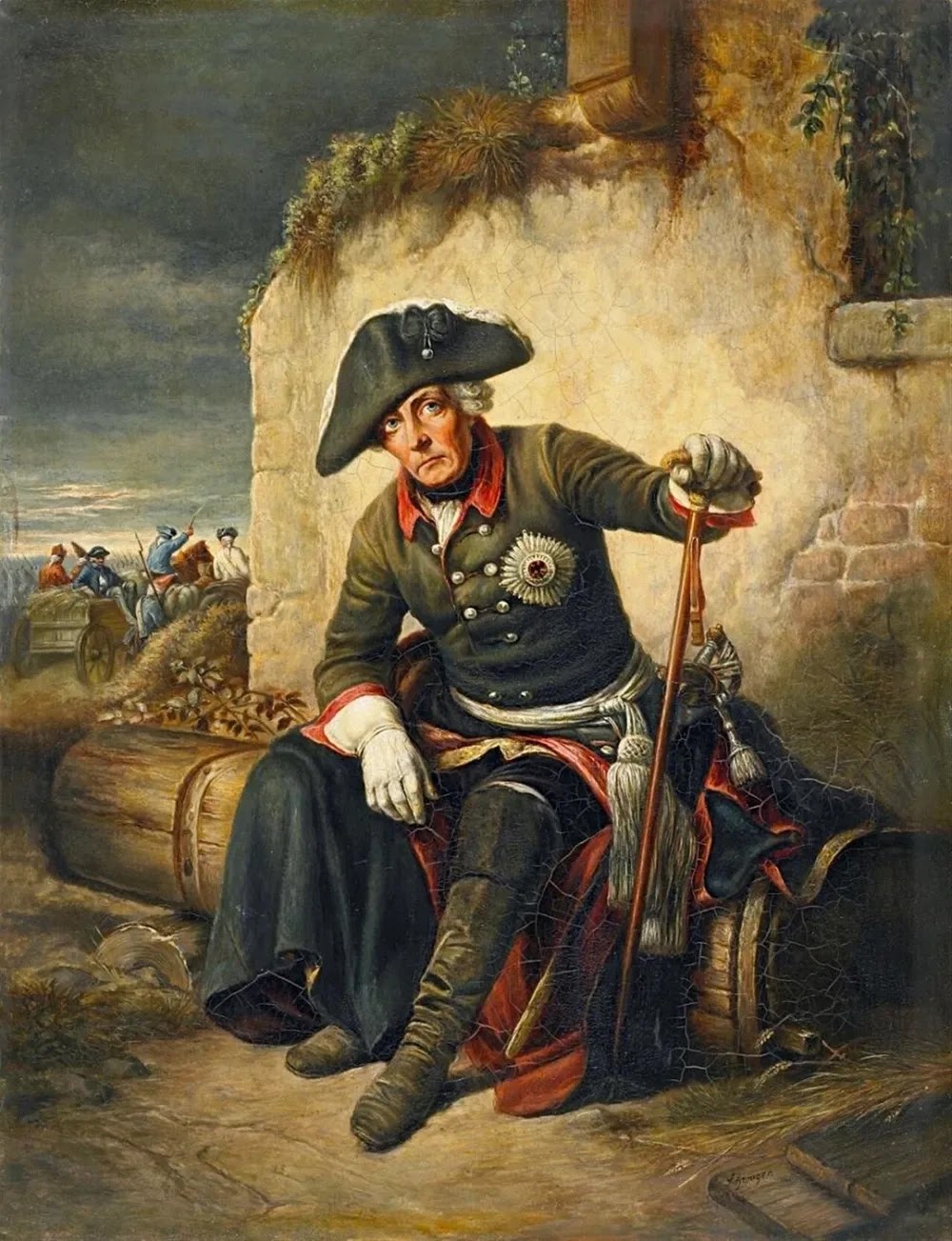
The Potato King of Prussia, Frederick the Great
In the 18th century, Frederick II of Prussia, suffering from frequent wars and famines, saw the future of his nation in the potato, which thrived even in barren lands.
However, facing strong resistance from the people, he devised a brilliant scheme instead of coercion. “From now on, potatoes are a noble vegetable that only royalty and nobility can eat!” He planted potatoes in the royal farm and had elite soldiers guard them strictly. However, he secretly instructed them to be lax in guarding at night.
Once it became ‘forbidden food only for the king,’ potatoes quickly became an object of envy. The people stole potatoes every night to plant in their fields, and thanks to this reverse marketing, potatoes spread throughout Prussia, becoming the key to solving famine. Later, people honored him as the ‘Potato King’ by placing potatoes on his grave instead of flowers.
The PR Expert of France, Parmentier
In France, army pharmacist Antoine-Augustin Parmentier was the evangelist for potatoes. Based on his experience of surviving healthily on potatoes alone during captivity, he dedicated his life to promoting them.
His strategy was much more sophisticated.
- Royal Branding: He presented potato flowers to Louis XVI, adorning Queen Marie Antoinette’s dress, making potato flowers the top fashion item in Parisian society.
- Celebrity Marketing: He invited the era’s top celebrities like Benjamin Franklin and Antoine Lavoisier to a lavish dinner composed solely of potato dishes.
After instilling the perception that ‘potatoes are sophisticated food’ among the upper class, he spread potatoes to the public using a strategy of ’lax guarding’ like Frederick the Great.
Comparison: The Great Potato Evangelists
Both figures succeeded in changing the perception of the ‘devil’s crop’ through different strategies. This serves as historical evidence of how the story surrounding a product can be as decisive as its essence in public acceptance.
| Feature | Frederick the Great (Prussia) | Antoine-Augustin Parmentier (France) |
|---|---|---|
| Core Strategy | Coercion, Reverse Psychology | PR, Leading Elite Trends |
| Famous Tactics | ‘Potato Edict’, Royal Farm Guarding | Potato Flower Dedication, Celebrity Dinner |
| Target Audience | Farmers (Direct) | Upper Class, Then General Public |
| Legacy | ‘Potato King (der Kartoffelkoenig)’ | ‘Parmentier’ became synonymous with potato dishes |
Chapter 3: The Hell Created by One Crop, the Irish Great Famine
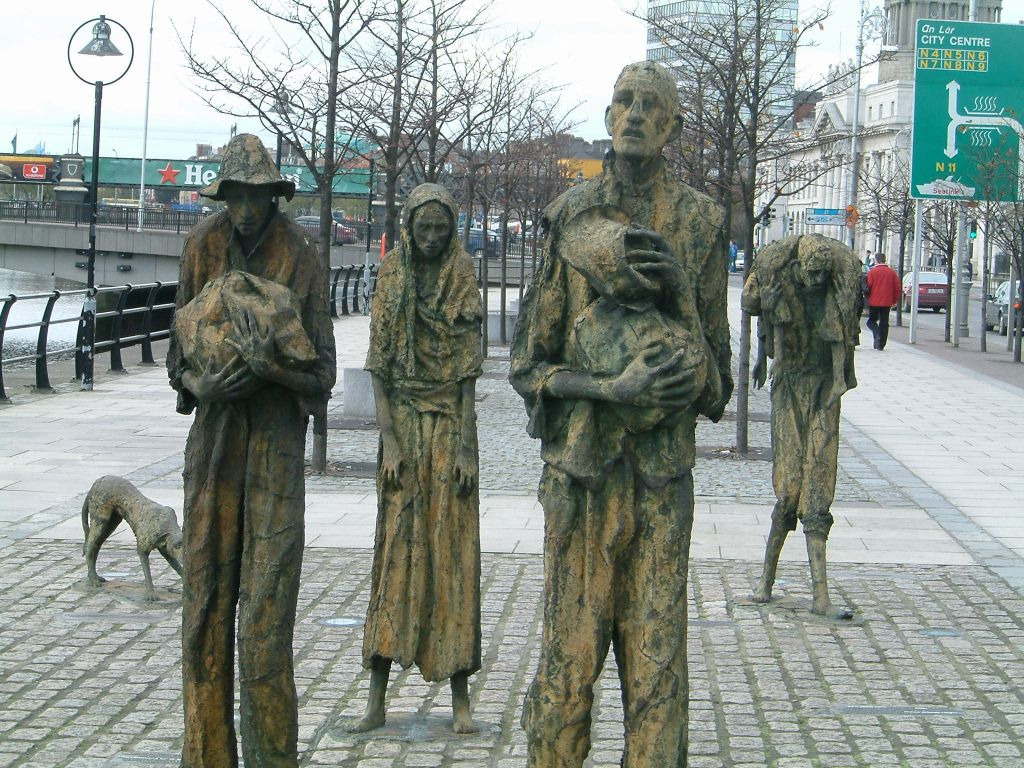
While potatoes saved the European continent, they became the seed of the most horrific tragedy in Ireland’s history. The Irish Great Famine was not merely a natural disaster but a massive man-made disaster born from a nation that bet everything on one crop and the greed of imperialism.
The Fate of Ireland Dependent on Potatoes
In 19th-century Ireland, a British colony, all profitable food like wheat and corn was plundered to England. Poor tenant farmers had no choice but to rely on potatoes, which could yield abundantly even in barren lands, especially betting their survival on the single vulnerable variety, ‘Lumper.’
The Invisible Enemy, the Attack of Potato Blight
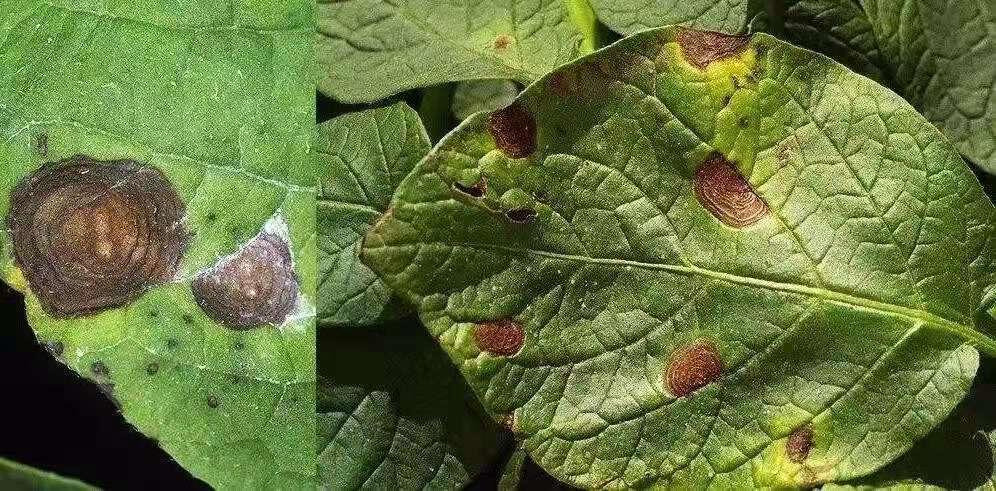
In 1845, a type of mold known as potato blight (‘Phytophthora infestans’) crossed over from America and struck Ireland. The genetically identical ‘Lumper’ potatoes rotted helplessly in the face of the new disease.
A Man-Made Disaster Created by Policy: British Exploitation
The true tragedy was not the blight itself. Even amidst the hellish famine, the British government mobilized the army to transport other crops harvested in Ireland back to their own country. They refused market intervention under the guise of ’laissez-faire’ economic logic and mocked the victims as “lazy Irishmen.” This was close to a massacre beyond a clear policy failure.
As a result, over a million people starved to death over about seven years, and more than two million had to leave their homeland for immigration. The blight was merely the trigger; the gun was the British colonial system itself.
Chapter 4: The Modern Dark History of Potatoes, the Enemy of Health?
For centuries, potatoes saved humanity from famine, but in the era of abundance, they are writing a new dark history as the ’epitome of junk food.’
The Paradox of Golden Fries: The Stigma of Junk Food
Today, fries, which come to mind when thinking of potatoes, are blamed as a major cause of obesity and adult diseases. Fried in oil and salted, potatoes transform into high-fat, high-calorie foods. Particularly concerning is that acrylamide, a probable carcinogen, can be produced when frying at high temperatures.

Clearing the Name of Potatoes: The Cooking Method is the Problem
In fact, this is not the fault of the potatoes themselves. All blame should be directed at the ‘cooking methods.’ When returned to their natural state by steaming or baking, potatoes are a treasure trove of amazing nutrients. A medium-sized potato contains only 110 calories and has no fat or cholesterol. Instead, it contains more than 30% of the daily recommended intake of vitamin C and more potassium than a banana, making it a ’treasure from the ground.’
Checklist: How to Enjoy Potatoes Healthily
The modern dark history of potatoes stems from incorrect cooking methods. Remember these three points to enjoy potatoes healthily:
- Steam or bake instead of frying: Minimize the use of oil and salt to absorb the nutrients of the potato.
- Always remove sprouts or green parts: The toxic substance
solaninedoes not disappear with heating, so these parts must be cut out deeply. - Eat with the skin: Nutrients are abundant in the skin of potatoes, so it is best to wash them thoroughly and cook them with the skin.
Conclusion
From the devil’s plant to the savior of famine, and back to being labeled an enemy of health, the tumultuous history of potatoes leaves us with important lessons.
- Superstition and Fear: The early European fear of potatoes shows how cultural anxiety about the unknown can transform into madness.
- The Risks of Monoculture: The Irish Great Famine warns how ‘monoculture’ that destroys biodiversity in pursuit of profitability and efficiency can be deadly. This warning applies to today’s banana industry, which relies on the ‘Cavendish’ monoculture.
- The Importance of Context: The value of potatoes is not absolute; it can be both a savior and an enemy depending on cooking methods and historical context.
Every potato on your plate carries all these stories. Next time you see a potato, remember the lessons of history contained within it. Moreover, why not take an interest in the histories of other foods we consume daily?
References
- JoongAng Ilbo [The Long Read] The Past of the World’s Four Major Crops: Potatoes Were Once ‘Devil’s Ingredients’
- Wikipedia Potato
- Jeonmae Daily [Contribution] The Path to Heaven’s Blessing
- Korea Economic Daily The Devil’s Plant That Causes Disease, Louis XVI’s Birthday Gift… The Many Stories of Potatoes
- Namu Wiki Potato/History
- Welfare News [‘Is Potato Really a Health Food? Misunderstandings and Truths’]
- Financial Review [Economic Review in History] The Irish Great Famine
- Yellow’s Blog The Irish Great Famine (1845~1849)
- Greenpeace Korea The World Needs to Invest in Ecological Farming Now!
- Science Times Large Farms Destroying Banana Ecosystems