
A 30-Year Epic That Shook the Scientific Community, Starting from a Flame in a Beaker
This article provides a panoramic view of the entire history of cold fusion.
- Learn about the initial announcement that caused a stir in 1989 and the rigorous scrutiny from the scientific community.
- Examine how a small group of researchers continued their work after being sidelined by mainstream science.
- Discover why major scientific institutions like NASA and Google are once again paying attention to this field and the current state in South Korea.
The Beginning of Everything: The Promise of Stars in a Beaker
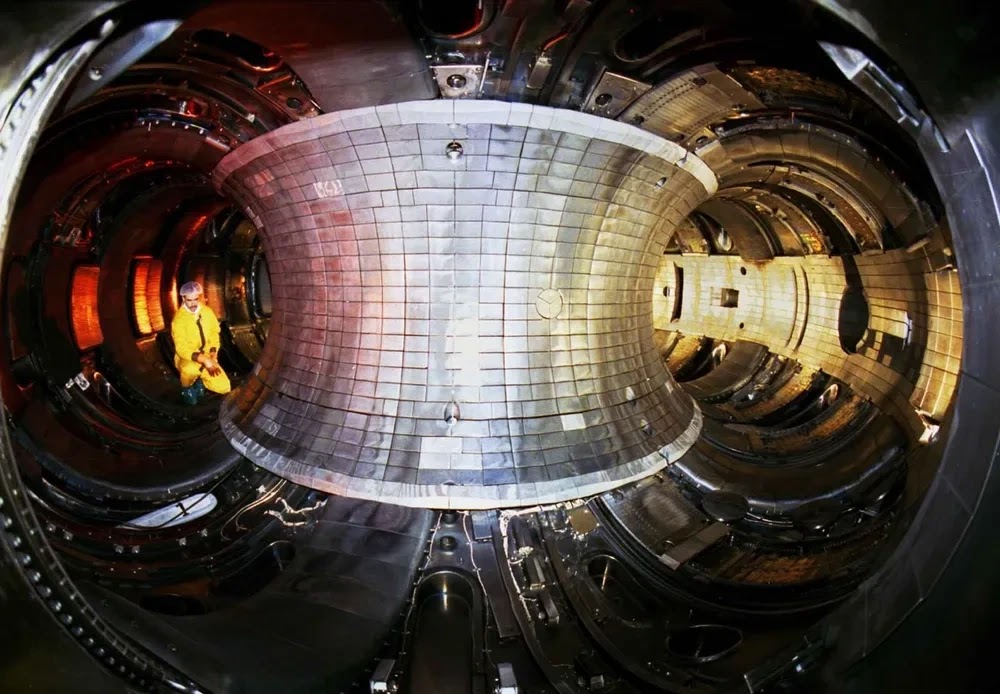
In 1989, when the concept of cold fusion first emerged, the world was ecstatic. The promise of obtaining nearly limitless clean energy using only palladium and deuterium seemed like a revolution that could end the energy crisis. This was particularly striking when compared to the massive barriers of mainstream ‘hot fusion’ research, which aimed to confine plasma at millions of degrees in large devices like ’tokamaks’.
Act 1: The Bombshell Announcement from Utah (1989)
On March 23, 1989, chemists Martin Fleischmann and Stanley Pons from the University of Utah held a press conference to announce their success in achieving sustained nuclear reactions at room temperature.
A Brilliant Idea and a Simple Experiment
Fleischmann, a world-renowned electrochemist, noted that palladium has the property of absorbing hydrogen like a sponge. He hypothesized that if deuterium atoms were densely packed within a palladium lattice, the atomic nuclei could fuse.
The experimental setup was surprisingly simple.
- Components: A palladium (Pd) rod as the cathode and platinum (Pt) as the anode in a container filled with heavy water (D₂O).
- Process: Electricity was passed through to absorb deuterium into the palladium cathode.
- Claim: After several weeks, they claimed that an enormous amount of ’excess heat’ was produced, far exceeding the energy input, along with the detection of neutrons and tritium, byproducts of nuclear fusion.
The ‘Original Sin’ Born from Impatience
Despite the enthusiastic response, there was impatience behind their announcement. Under pressure from the competition, the University of Utah pushed them to skip the peer review process and hold the press conference. This decision would later become the ‘original sin’ that determined the fate of cold fusion.
Act 2: The Ruthless Judgment of the Scientific Community
The initial excitement quickly faded. Reproduction experiments from leading institutions like MIT and Caltech repeatedly failed.
The final blow came at the American Physical Society (APS) annual meeting in May 1989. The physics community harshly criticized the phenomenon as a result of “incompetence and delusion,” effectively issuing a death sentence.
The Three Pillars of Skepticism
- Crisis of Reproducibility: Success depended on specific batches of palladium, making reproduction extremely difficult.
- The ‘Nuclear Ash’ Problem: If their claims were true, the experimenters should have been exposed to lethal levels of neutrons, but the reported neutron levels were absurdly low, contradicting physical laws.
- Lack of Theory: There was no theory explaining how the enormous repulsive forces between atomic nuclei, known as the ‘Coulomb barrier,’ could be overcome in a metal lattice at room temperature.
This situation revealed a fundamental difference in perspective between the chemistry community, focused on unexplained ‘heat,’ and the physics community, focused on unexplained ‘absence of radiation.’ Encountering this epic saga over 30 years made me deeply reflect on how complex the path to scientific truth can be.
Act 3: Years Spent in the Wilderness
After being ostracized by mainstream science, a small group of researchers continued their work under the new names of Low Energy Nuclear Reactions (LENR) or Condensed Matter Nuclear Science (CMNS).
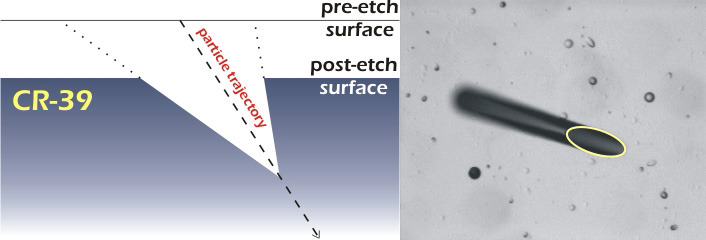
The most notable achievement came from the U.S. Navy’s SPAWAR Institute. After over 20 years of research, they found direct physical evidence of nuclear reactions (alpha particle tracks) using CR-39 plastic detectors instead of relying on indirect evidence of heat.
Act 4: Modern Challengers and Cold Fusion
Recently, new figures and companies have emerged, continuing the debate.
- Andrea Rossi and E-Cat: Italian inventor Rossi claimed to produce massive energy with his nickel-hydrogen based E-Cat, but faced significant criticism for secrecy and refusal to undergo verification.
- Brillouin Energy: In contrast, the American startup Brillouin Energy is proposing a unique theory called ‘controlled electron capture reaction’ and is striving for recognition from the scientific community through transparent verification.
Act 5: Renewed Attention from Mainstream Science
After decades of neglect, this field is now experiencing a wave of change.
- Google’s Reinvestigation: In 2019, Google published research results in the prestigious journal Nature after investing $10 million. The conclusion was that “no evidence was found,” but the mere fact that this topic appeared in Nature was significant.
- NASA’s Breakthrough: NASA experimentally demonstrated that metal lattices could indeed mediate nuclear reactions through their Lattice Confinement Fusion (LCF) research, presenting new possibilities in this field.


South Korea’s Challenge: Two Fusion Stories
South Korea is keeping an eye on both fusion pathways.
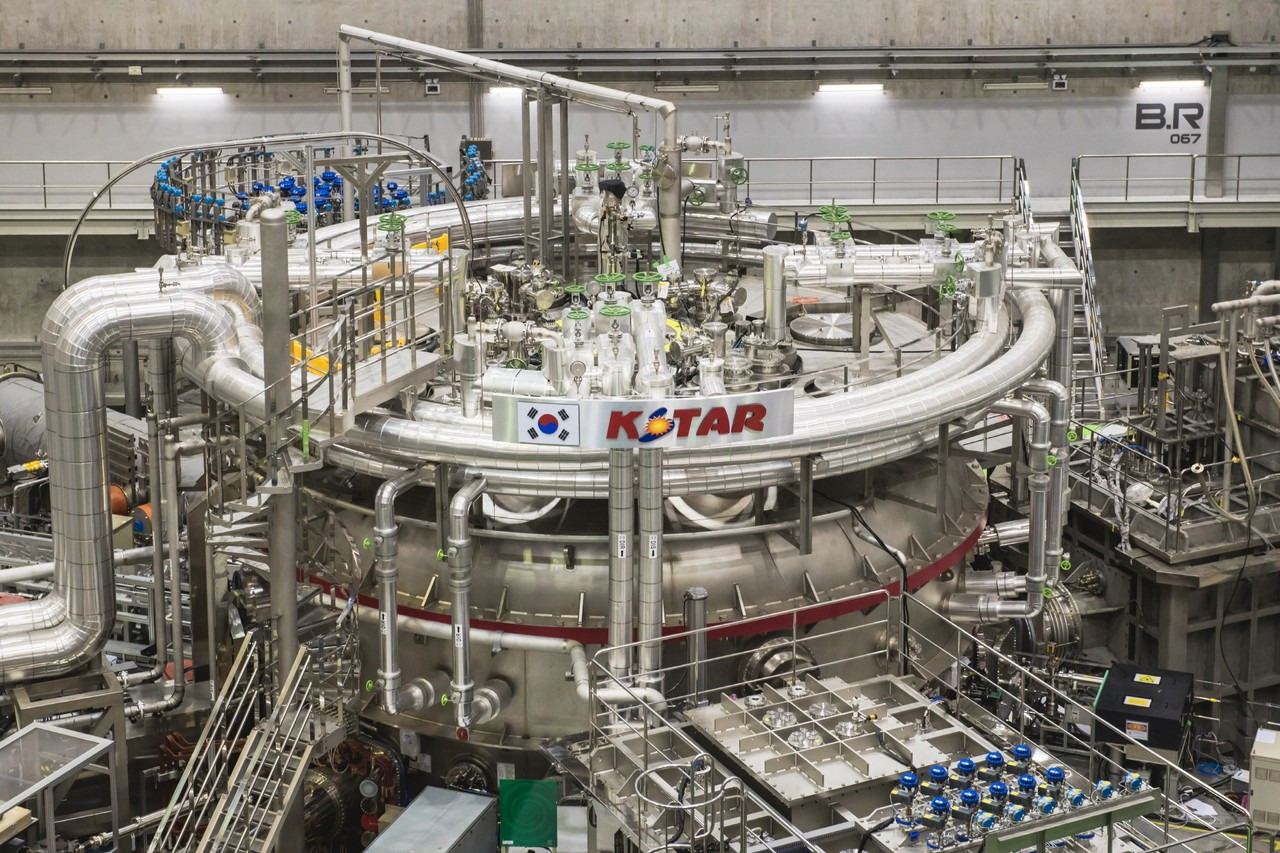
- Mainstream Bet (Hot Fusion): The Korea Institute of Fusion Energy (KFE)’s KSTAR is leading the world in hot fusion research, breaking records in the ‘artificial sun’ project.
- Dark Horse (Cold Fusion): While official research focuses on hot fusion, there is consistent interest in the LENR field, such as hosting the International Conference on Cold Fusion (ICCF-17) domestically. This can be seen as a sophisticated ’energy portfolio strategy’ that invests in both stable mainstream technologies and disruptive potential new technologies.
Comparison: Hot Fusion vs. Low Energy Reactions
Both technologies share the same goal of ‘fusion,’ but their approaches are drastically different. Understanding this difference is crucial to grasping the essence of the cold fusion debate.
| Feature | Thermal Fusion (‘Hot’) | Low Energy Nuclear Reactions (‘Cold’/LENR) |
|---|---|---|
| Temperature | Millions of °C | Near room temperature |
| State of Matter | Plasma | Solid state (metal lattice) |
| Main Byproducts | High-energy neutrons, helium-4 | Mainly heat, helium-4; very little neutron |
| Core Challenges | Control of ultra-hot plasma | Ensuring reproducibility, elucidating mechanisms |
| Current Status | Scientifically proven, engineering challenges | Experimentally controversial, theoretical unresolved |
Conclusion
The journey of cold fusion, which began with the tumultuous announcement in 1989, illustrates that scientific progress does not always follow a straight path.
-
Key Summary
- Flawed Beginning: The 1989 claims by Fleischmann and Pons ignored scientific verification procedures and were rejected by the mainstream due to failures in reproduction and theoretical contradictions.
- Persistent Inquiry: A small group of researchers continued their work under the new name of LENR, accumulating meaningful data, such as the particle tracks discovered by SPAWAR.
- New Phase: With major institutions like NASA and Google rigorously re-evaluating the field, it is emerging from the stigma of ‘pathological science’ to become a serious subject of inquiry once again.
The first spark that ignited in the beaker may have been an illusion, but the effort to explore its possibilities continues, now armed with more sophisticated tools and theories. The verdict is not yet in. What do you think the future of this controversial technology will hold?
References
- Cold fusion: A case study for scientific behavior Understanding Science
- Cold fusion Wikipedia
- End of story? ITER
- Extraordinary Evidence LENR-CANR.org
- Energy Catalyzer Wikipedia
- Clean Energy Technology Company Brillouin Energy
- Revisiting the cold case of cold fusion PubMed
- Lattice Confinement Fusion | Glenn Research Center NASA
- Cold Fusion Wikipedia