
Last December, South Korean Minister of Trade, Industry and Energy Kim Jeong-gwan made headlines after visiting Xiaomi’s electric vehicle (EV) plant in Yizhuang, Beijing, and sharing his experience on social media.
“The entire process from ordering to delivery was operated based on data. It was a ‘dark factory,’ where there was no need to even turn on the lights because no humans were stationed there—a reality that is already unfolding."
A dark factory is an unmanned facility that runs 24 hours a day using only robots and artificial intelligence, without the need for human workers or lighting. It earned the name because the darkness doesn’t affect the machines.
In this installment, I decided to trace the sites where the policy of New Quality Productive Forces—which we explored in the first part—is being implemented.
To give you the conclusion first: this automation isn’t stopping at the factory gates; it is spreading across entire cities.
Starting with the market size, global research firm Grand View Research projects that the dark factory market will grow at an average annual rate of 8.7 percent from 2024 to 2030, reaching approximately $194.6 billion (about 275 trillion KRW) by 2030.
Taiwan’s TSMC has also begun full automation without human intervention at its post-processing fab completed in 2023, applying a 32-kilometer automated logistics system and AI dispatching algorithms, so dark factories are not a uniquely Chinese experiment.
However, China is clearly leading in terms of scale and speed.
Another notable difference is that while Taiwan focused on a single semiconductor post-processing facility, China is pushing for this simultaneously across various sectors, including electric vehicles, smartphones, and construction machinery.
Yizhuang’s Dark Factory: 91% of the Total Process is in Robotic Hands
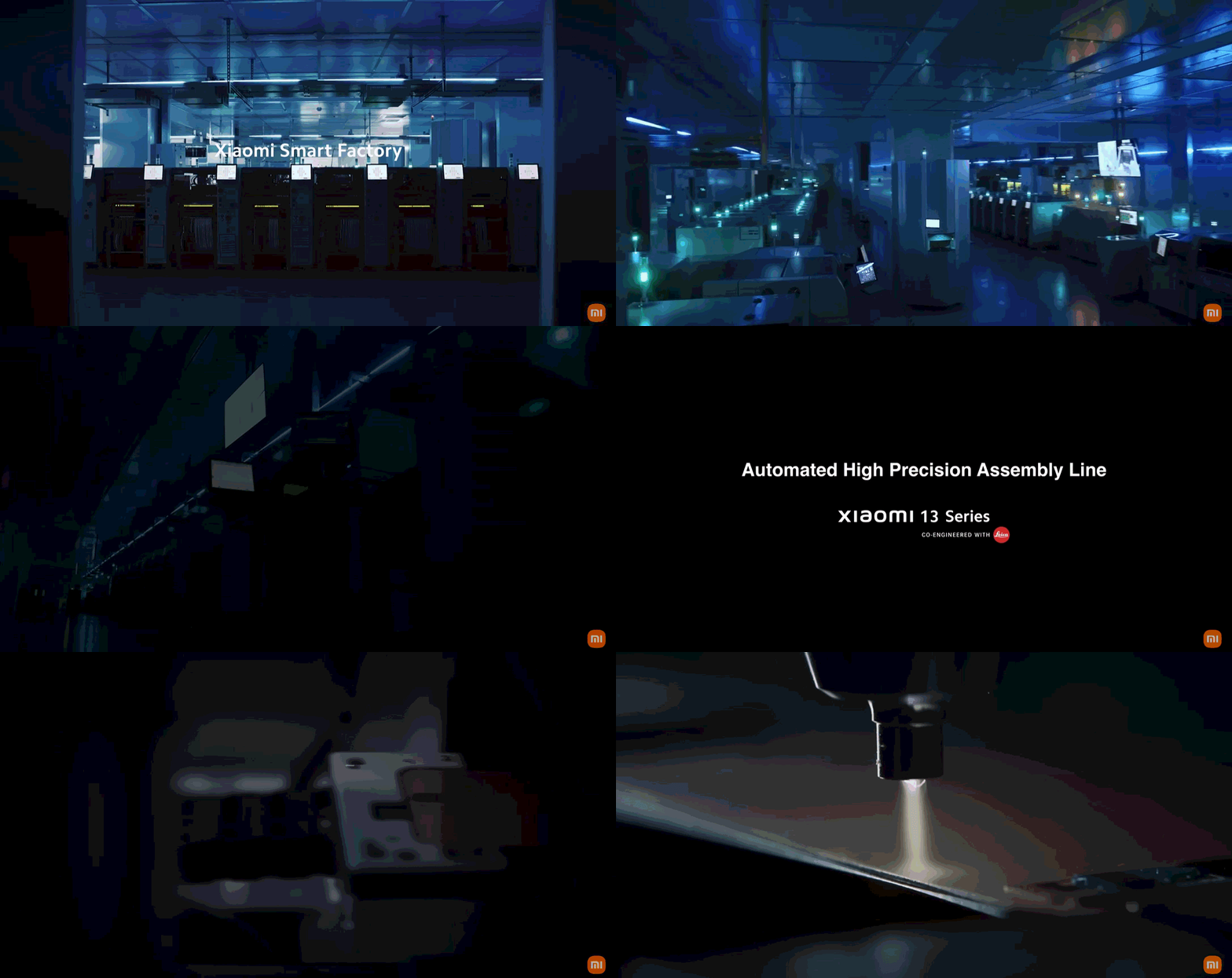
Xiaomi’s EV plant in Yizhuang, Beijing, which the Minister visited, is known to have automated 100 percent of its core processes and 91 percent of its total production. Over 500 robotic arms handle the assembly process entirely automatically. Areas once requiring human judgment—such as production, quality control, equipment,
and logistics operations—are now decided in real-time by AI analyzing data.
In the past, our manufacturing industry focused on digital transformation, which meant collecting data and automating processes.
However, looking at Chinese factories today, it is striking that they have already moved to the next level: AI transformation, where AI makes decisions on its own.
Minister Kim accurately pinpointed this difference on social media. While the old method involved converting human experience and intuition into data, Chinese factories today have moved to a stage where they entrust the judgment itself to AI.
There is more to this rapid shift to dark factories than just showing off technology.
By eliminating the need for lighting, heating, and labor costs, companies can boost equipment utilization and production consistency. Since there is no need for shift changes or breaks, year-round, non-stop production becomes possible.
However, it is important to point out that this efficiency comes with a structural challenge: massive job displacement. Industry experts generally agree that jobs centered on simple assembly or repetitive labor are highly likely to be affected.
The Yizhuang district itself was not chosen by accident.
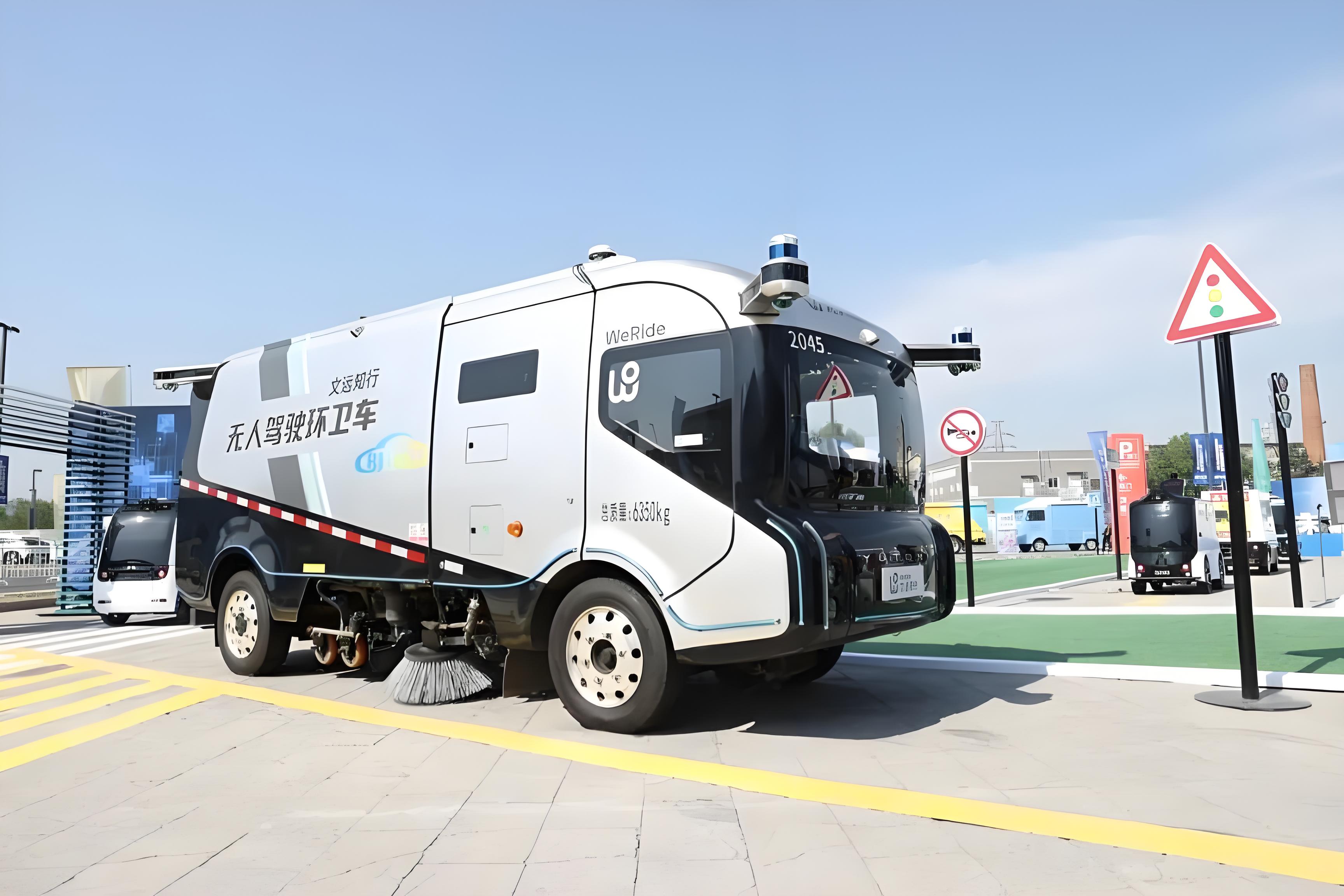
Located in the southwest of Beijing, this area is the heart of the autonomous driving industry, designated by China as a ‘National Intelligent Connected Vehicle Policy Pilot Zone.’ With autonomous factories entering a city that develops autonomous cars, the keyword ‘autonomous’ is layered twice in Yizhuang. Cars on the road and robots in the factory are learning how to ‘make their own judgments’ side-by-side in the same neighborhood.
One Smartphone Per Second: The Speed of Xiaomi’s Changping Automated Plant
There is also a story about the same company, but a different factory.
In October 2024, Xiaomi invested about 500 billion KRW to open a next-generation smartphone factory in Changping, Beijing. With an annual production capacity of 10 million units, intelligent robots handle the entire process—from PCB assembly to component inspection and final testing—24 hours a day, producing one finished product every second.
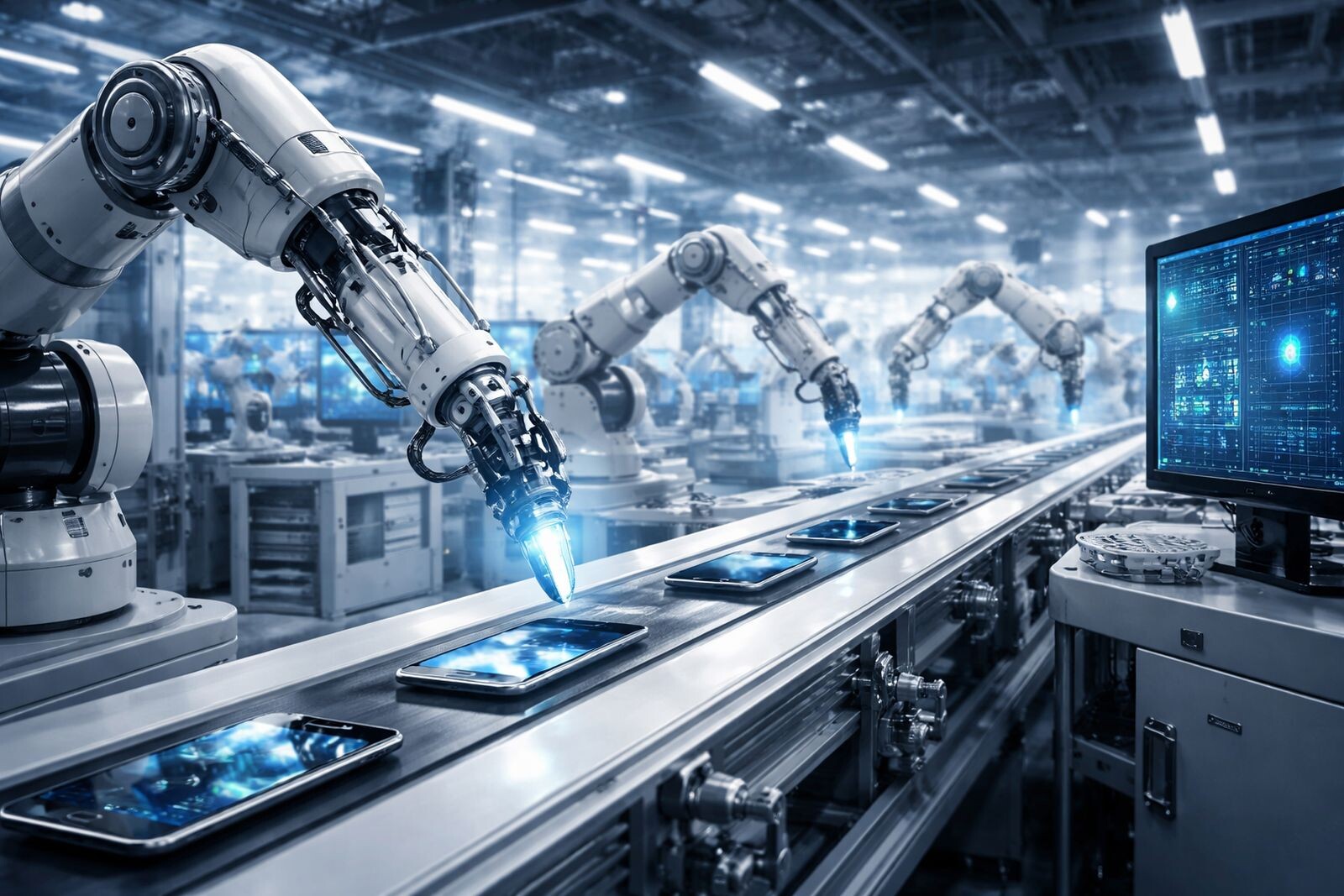
EVs in Yizhuang, smartphones in Changping. One company is churning out different products in different cities, each using fully automated factories. This indicates that it is a company-wide strategy rather than a single success story.
Comparing these two factories, we can see that the nature of their automation differs slightly.
If the Yizhuang plant emphasizes ’entrusting judgment to AI,’ the Changping plant focuses on ‘speed and repetition.’
This is an example showing that even with the same automation, priorities change depending on the product’s characteristics.
EVs have a large number of parts and complex processes, so judgment was key, whereas for smartphones, mass production is the goal, making speed more important.
Revisiting the output of the Changping plant, 10 million units a year breaks down to about 27,000 per day, or one per second. Since humans cannot keep up with this speed on an assembly line, this should be viewed as a factory designed from the start to exclude human placement. It is not just about adding a few more robots to an existing facility, but rather drawing the factory’s blueprint entirely around unmanned operations.
Why Did BYD Automate Its Xi’an Plant by 97%?
When it comes to EV companies, BYD cannot be left out.
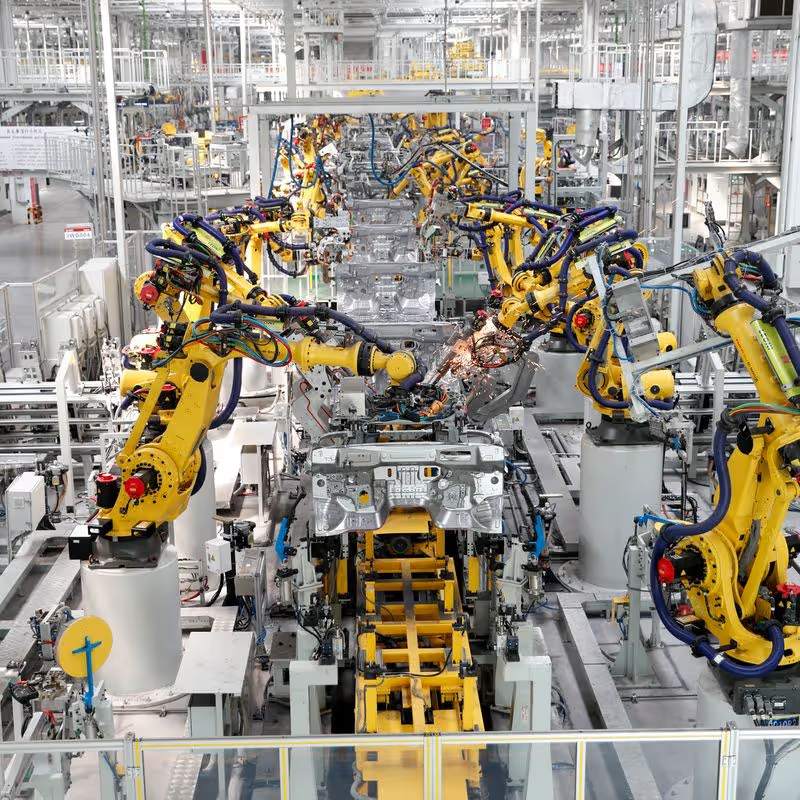
BYD’s Xi’an plant utilizes robot handling systems and AGVs (Automated Guided Vehicles, transport robots that move on their own without human operators) to automate 97 percent of production processes, including welding, painting, and battery pack assembly.
Behind the ‘K-shaped’ performance report—featuring the surge in overseas sales and sluggish domestic sales discussed in Part 1—lay these changes on the production floor.
When you think about it, it’s a natural flow. If a company sees overseas sales jump by over 70 percent, it needs a production system that can churn out volume quickly and consistently.
It is not easy to handle this level of volume increase with human assembly lines. 97 percent automation was BYD’s own answer to that pressure. It is also worth noting that processes frequently involving high temperatures, dust, and hazardous materials, such as welding and painting, were the first to be handed over to robots. Beyond efficiency, improving work environments was likely another reason driving the automation.
What’s interesting is that these three factories each found different answers.
Yizhuang focused on data-based judgment, Changping on speed, and Xi’an on robotization across the entire process. They are walking different paths toward the same goal of automation.
Where Do the Robots Come From? The Hangzhou ‘Six Dragons’
So, who makes the robots that run these factories? A significant part of the answer leads to Hangzhou.
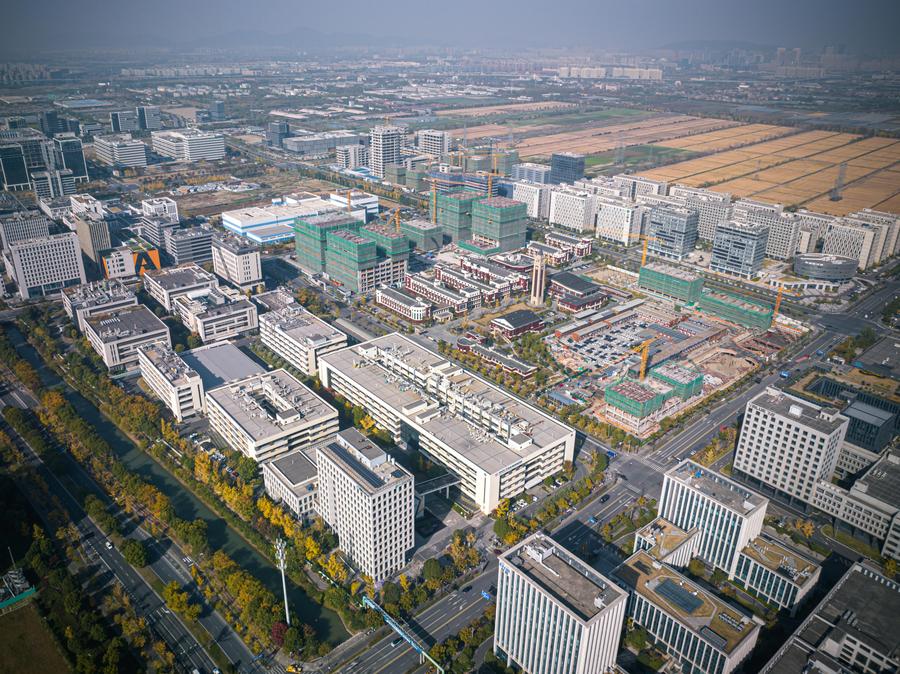
Liang Wenfeng, the founder of DeepSeek, and Wang Xinxing, the founder of robot company Unitree, are both from Hangzhou. The six companies based in this city—DeepSeek, Unitree, Deep Robotics, Game Science, BrainCo (a brain-computer interface company), and Manicore (a 3D printing company)—are collectively called the ‘Hangzhou Six Dragons’ in China.
If Shenzhen is the cradle of China’s first generation of tech industries, represented by Huawei, Tencent, and BYD, then Hangzhou is the hub leading the second generation of technology centered on AI and robotics, churning out talent from prestigious engineering schools like Zhejiang University and Zhejiang University of Technology.
Talent attraction policies pushed by the Hangzhou municipal government since 2015 also played a role. The Department of Computer Science at Zhejiang University produces over 2,000 master’s and doctoral graduates every year, more than 30 percent of whom stay in Hangzhou to start their own businesses. All five founding members of DeepSeek and the founder of Deep Robotics are graduates of Zhejiang University.
The policy direction set by the Hangzhou government was also unique. The local government took the lead in supporting companies from behind; in the three years since the cloud computing resource support policy was implemented, companies’ cloud usage increased by 470 percent. Thanks to this support, companies like Manicore reduced their 3D graphic rendering costs to 60 percent of the industry average. The fact that Hangzhou—not even classified as a ‘Tier 1’ city like Beijing, Shanghai, Guangzhou, or Shenzhen—achieved this level of success feels like a case study on how much the will of a single local government can change an industrial ecosystem.
Unitree’s Wang Xinxing is an alumnus of the Department of Mechanical and Electrical Engineering at Zhejiang University of Technology. Watching the video of his humanoid robot ‘H1’ performing a group dance at the Spring Festival Gala, it is surprising to realize that this is not a lab prototype, but a product already on the market.
It is also noteworthy that among the ‘Six Dragons,’ two are robot companies (Unitree, Deep Robotics).
Hangzhou has fostered both the AI model (DeepSeek) and the hardware to house that AI (Unitree) simultaneously. Since the brain and the body were cultivated in the same city, the potential for synergy as they exchange technologies at some point naturally follows.
Humanoid Robots: China Accounts for 97% of Global Shipments
Looking at how many of these robots are actually sold in the market, the numbers are even more staggering.
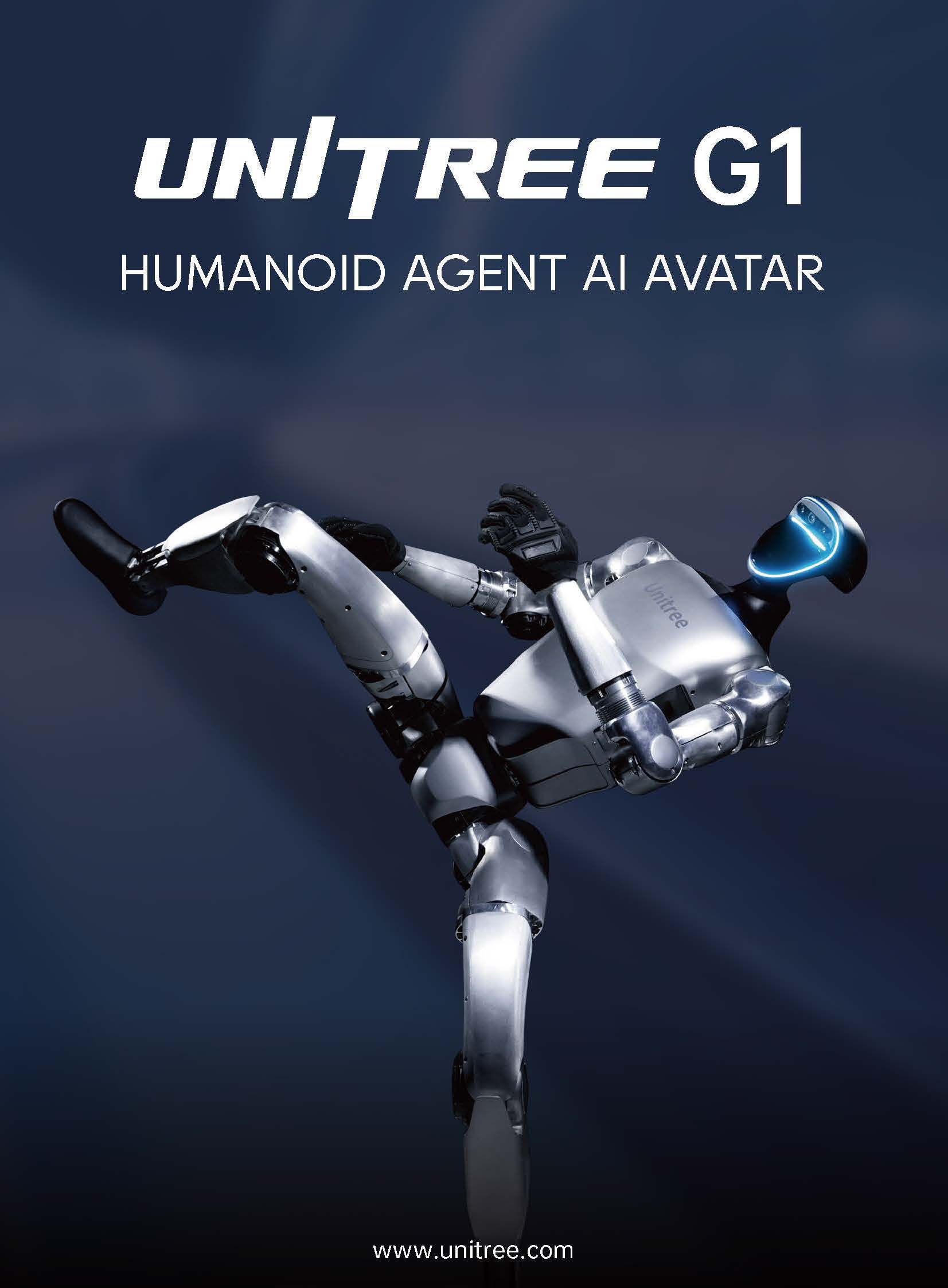
According to market research firm Smart Analytics Global (SAG), global humanoid robot shipments in the first half of this year reached approximately 19,100 units, more than triple the same period last year. Chinese companies accounted for over 97 percent of this total.
By company, Shanghai’s Agibot took 1st place with 8,400 units (44%), and Hangzhou’s Unitree took 2nd place with 5,900 units (31%). These two companies alone account for three-quarters of global shipments. In contrast, the combined share of US companies like Tesla, Figure AI, and Agility Robotics was less than 3 percent. The proportion of robots actually deployed in industrial and commercial fields has also reportedly risen from about 50 percent a year ago to over 70 percent now. This means the focus is shifting from demonstration robots to field-ready robots.
Behind China’s rapid dominance of this market is the supply chain already built in the EV, battery, and drone industries.
With an ecosystem already in place to manufacture motors, reducers, sensors, batteries, and electronic components, they only needed to transfer those parts into robot bodies. While US companies focused on developing AI software, Chinese companies scaled up first through mass production and field deployment.
Government intervention cannot be overlooked, either.
China first classified robot manufacturing as an independent industry in its national standards in 2017, and further subdivided the categories in 2023 for industrial and special-purpose robots.
Starting this year, they created separate customs codes for smart physical robots and cleaning robots to simplify export customs procedures, and in June, the state-owned Export-Import Bank of China even issued an insurance policy for Agibot, backing their exports.
There are currently over 400 humanoid robot models under development in China, which is more than half of the global total. The scale suggests that not just one company or one city, but the entire nation has jumped into this competition.
Beyond Factories to Cities: Hangzhou’s City Brain
This leads to a natural question: If robots and AI are so intricately intertwined, why would automation stop at the factory gate? The answer could be found again in Hangzhou.
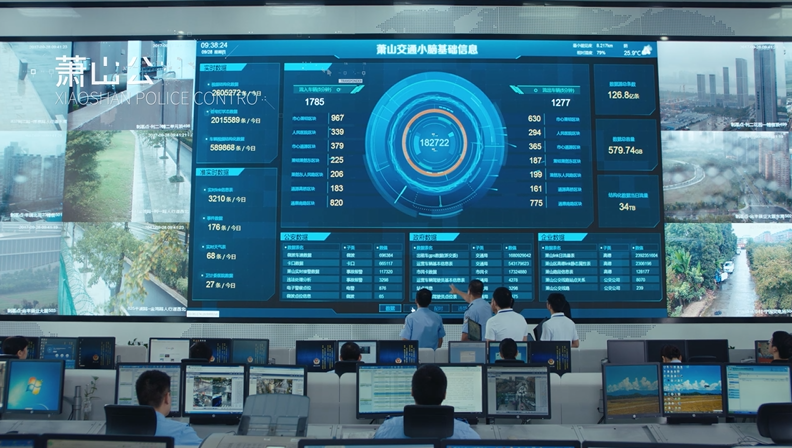
City Brain, built by Alibaba in partnership with the Hangzhou municipal government since 2016, is an AI system that collects data from CCTV cameras and traffic lights throughout the city in real-time to control traffic. When first introduced in Xiaoshan District, driving speeds increased by 15 percent, and as it expanded throughout Hangzhou, the city—once among the top five most congested in China—dropped to 57th place. The average time a car spends on the road is said to have decreased by 3 minutes.
The role of City Brain, which started with traffic control, is expanding.
Over 500 automatic alerts regarding criminal activities are generated daily, and with an accuracy rate of 92 percent, it is used for actual arrests. Recently, it has evolved into ‘City Brain 3.0,’ incorporating generative AI and digital twins (a technology that replicates reality in a computer for simulation), expanding its management scope beyond traffic to administration and urban safety.
KOTRA’s Hangzhou Trade Center evaluated this as China’s smart cities evolving into comprehensive platforms that handle overall urban operation, beyond simple digital administrative systems.
Inside the factory, robots make judgments; inside the city, AI makes judgments for traffic lights and CCTV. It was interesting to see the flow of judgment shifting from human to machine happening simultaneously in the factory and the city—and in the same city, Hangzhou.
Automating a factory and operating a city are completely different problems in terms of scale, but the technical principle between them—collecting data in real-time and having machines make immediate decisions—is not fundamentally different, as became clear when comparing these two cases.
Ultimately, the dark factory and the City Brain are two application cases of the same idea under different names.
Why is All This Automation Happening Now?
Evidence that this trend is not just a success story for a few specific companies can be found in the statistics.
According to the ‘Global Lighthouse Network 2026’ report published by the World Economic Forum (WEF) and McKinsey, China holds 99 of the 223 ‘Lighthouse Factories’ (an international benchmark for exemplary factories that lead the industry in productivity and quality) worldwide, placing it 1st with 44.4 percent. South Korea has only 5 Lighthouse Factories.
It is also noteworthy that 400 to 500 such factories are being built or converted to unmanned operations every year.
This means it is not just a few pilot cases, but a speed that is becoming the standard across the entire industry.
According to the International Federation of Robotics (IFR), 54 percent of new industrial robot installations worldwide are concentrated in China, and there are currently about 2 million industrial robots operating in Chinese manufacturing sites. This is about 4.5 times the scale of Japan, the world’s second-largest user. In 2022 alone, China installed over 290,000 industrial robots, accounting for 52 percent of the global total.
When these numbers are overlaid with the ‘New Quality Productive Forces’ policy discussed in Part 1, the picture fits perfectly.
The result of the government mobilizing finances, bank loans, and the capital market to support industries like semiconductors, AI, and robotics is now manifesting on the floors of factories in Yizhuang, Changping, and Xi’an, and in the traffic light systems of Hangzhou.
The abstract numbers seen in policy documents were actually being materialized into individual factories and individual robots.
If Part 1 showed “where the money flows,” Part 2 shows “what that money is actually creating.”
In the next part, I intend to look into the software side that moves these factories and robots—that is, Chinese AI models like Kimi and Qwen, and what the slogan of the ‘one agent per person’ era actually means.
The next question is: what kind of picture emerges when the hardware automation we’ve seen so far meets software?
This trend is already becoming a matter of debate in South Korea.
Hyundai Motor Group discussed an unmanned factory project ‘DF247’ at a top-level strategic meeting with the goal of commercializing dark factories by 2028, to which the labor union protested, stating, “Robot introduction for growth without alternatives or employment will strike all laborers in the Republic of Korea.”
The union is raising the issue that volume could be moved first to overseas factories where robot introduction is possible, and only after domestic factories are emptied would highly automated new factories be brought in.
Looking at Chinese factories one by one, this seems less like a labor issue for a single company and more like a problem of speed that the entire industry is facing. I intend to keep holding onto this question while preparing for the next part.
Ultimately, the point where we must choose between slowing down or catching up is closer than we think.
References
- Without humans or lights... The 24-hour 'Dark Factory' is coming
- [AI Autonomous Manufacturing, Opening the Future] China's Manufacturing Transformation through 'Dark Factories'... The Era of 'Unmanned Factories' in the Dark
- China to Operate World's First Fully Unmanned Car Factory Before 2030... The Era of the 'Dark Factory' Begins
- China Accounts for 97% of Humanoid Robot Shipments in First Half... Overwhelming the US
- China's Young Geniuses Who Let the 'Hangzhou Six Dragons' Fly
- Hangzhou, Opening the Era Where Cities Think for Themselves: 'The Reality of City Brain 3.0'
- China Has 99 Unmanned Lighthouse Factories... South Korea Has Only 5
- 97% of Humanoid Robots in First Half Were Made in China... "100,000 Units Can Be Produced Annually"
- “Operating Factories 24 Hours Without Humans”... Are Lights-Out 'Dark Factories' Becoming the New Manufacturing Standard?
- https://news.koreadaily.com/2025/02/11/society/international/20250211235855645.html