
The Miracle in a Bowl Crafted by Time and Wisdom: All About Cheonggukjang
- The intriguing history and misconceptions surrounding the name of Cheonggukjang
- Scientifically proven anti-cancer effects and health benefits of Cheonggukjang
- Cheonggukjang today, transcending traditional flavors to reach the universe and the global dining table
The savory aroma rising from a bubbling earthen pot is none other than Cheonggukjang. For some, it evokes childhood nostalgia, while for others, it presents an unfamiliar pungency. This unique scent carries a grand narrative that connects the Goguryeo cavalry racing across the vast Manchurian plains to modern scientists’ laboratories and even to the space station.
This article is a journey following the grand chronicle of Cheonggukjang, a food that transcends mere sustenance, shaped by time and wisdom.
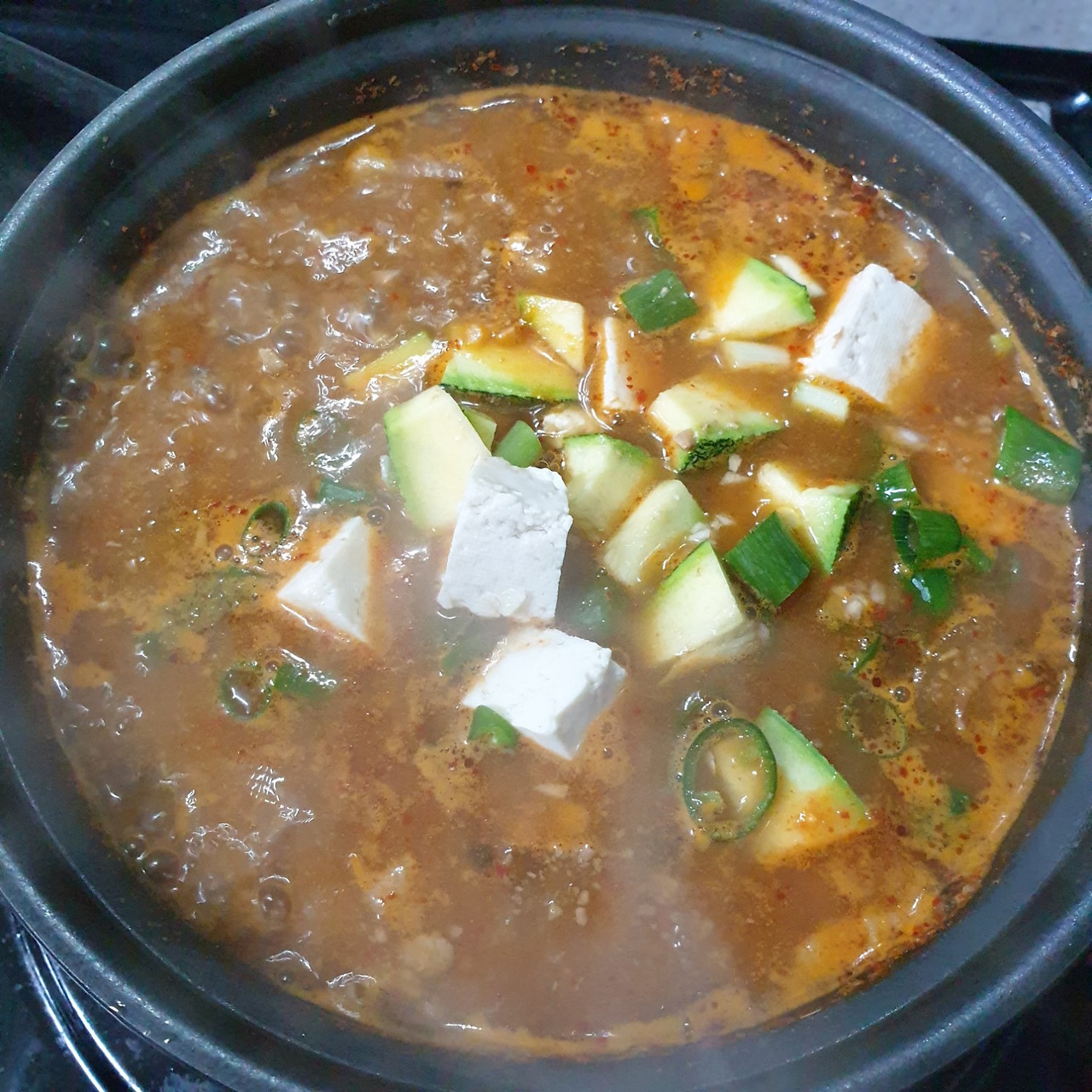
The Origin and Name of Cheonggukjang: Misunderstandings and Truths
The journey to find the roots of Cheonggukjang is like a historical investigation showing how the needs of the times and cultural identity have named food.
The Warrior’s Ration Born on a Saddle
The most widely known story begins with the Goguryeo cavalry. Soldiers on long expeditions hung boiled beans under their saddles, where the horse’s body temperature (about 37−40°C) naturally fermented the beans, providing a concentrated source of protein.
Although there are no clear written records, this hypothesis has established itself as a powerful narrative connecting Cheonggukjang to survival and wisdom born in extreme environments and the unique identity of our people.
The Queen’s Dowry: The Ancient Delicacy Called ‘Si (豉)’
More definitive records are found in the 7th century Silla. According to the Samguk Sagi, in 683 AD, King Sinmun sent ‘Si (豉)’ along with ‘Jang (醬)’ as a dowry when welcoming his queen.
‘Si (豉)’ refers to fermented beans in Chinese characters, presumed to be the prototype of today’s Cheonggukjang. The separate recording from ‘Jang (醬)’, which refers to soy sauce or fermented pastes, indicates that fermented bean products in the form of beans were already considered a precious gift worthy of royal weddings.
Traces of War and Horses: ‘Jeongukjang (戰國醬)’ and ‘Cheonggukjang (淸國醬)’
As time passed into the Joseon Dynasty, two famous etymological theories about the name Cheonggukjang emerged. One suggests it was called ‘Jeongukjang (戰國醬)’ because it was made quickly during wartime, while the other claims it originated from the Qing Dynasty during the Byeongja Horan.
However, the Qing origin theory faces decisive refutation. In a Chinese character learning book from 1527, Hunmongjahoe (訓蒙字會), ‘Si (豉)’ was already recorded phonetically as ‘Cheongguk’.
This means that the name ‘Cheongguk’ existed independently of the Qing Dynasty. Therefore, ‘Cheonggukjang’ likely evolved from pronunciations like ‘Jeonguk’ or ‘Cheonguk’ and later coincidentally connected to the folk etymology of ‘Cheongguk (淸國)’.
Cheonggukjang in the Joseon Dynasty: Records of Protecting the King’s Health
By the Joseon Dynasty, Cheonggukjang’s recipes were recorded, and it secured its place on the royal table.
Recipes Inscribed in Literature
In 1766, the Jeungbo Sanlim Gyeongje (增補山林經濟) detailed the method for making ‘Jeongukjang (戰國醬)’ for the first time. The method of fermenting well-cooked beans with rice straw in a warm room for three days to develop threads is remarkably similar to today’s practices.
‘Clear Meat Sauce’ Crafted by Women’s Hands
In 1809, Lee’s Gyuhap Chongseo (閨閤叢書) introduced Cheonggukjang under the unique name ‘Cheongyukjang (淸肉醬)’. As the term ‘clear meat sauce’ suggests, it implies that the deep umami flavor of fermented beans was considered to rival meat broth.
The Royal Superfood: Protecting the King’s Health
Cheonggukjang finally made its way to the royal table. King Sejong enjoyed Cheonggukjang as a nutritious health food that was easy to digest, and the record of King Jeongjo’s visit to Hwaseong in the Wonhaeng Eulmyo Jeongri Uigwe confirms that ‘Cheongukjang’ was an official dish of the royal court.
The Amazing Benefits of Cheonggukjang Revealed by Science
The power of Cheonggukjang, known through ancestral experience, is being clearly proven through modern science.
The Alchemy of Fermentation: The Magic of Bacillus
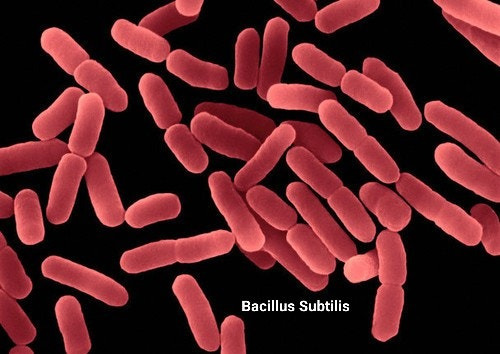
The protagonist of Cheonggukjang fermentation is the microorganism ‘Bacillus subtilis’. Rich in rice straw, this bacterium breaks down soybean proteins into easily absorbable amino acids, producing its unique aroma, sticky threads, and powerful bioactive substances.
This action is different from the lactic acid bacteria that ferment kimchi. While lactic acid bacteria primarily break down carbohydrates to create acidity, Bacillus is specialized in protein breakdown, maximizing the unique umami flavor and nutritional components of Cheonggukjang.
The Battle of Beans from Three Countries: Scientific Verification
A 2017 study by Professor Park Geon-young’s team at CHA University is quite interesting. Comparing the anti-cancer effects of Korean Cheonggukjang, Japanese Natto, and Chinese Wuldu, the growth inhibition rate against human colon cancer cells was 76% for Cheonggukjang, while Wuldu was 27% and Natto only 15%.
Dissecting the Superfood: A Treasure Trove of Health
Through fermentation, Cheonggukjang is filled with health-promoting substances.
| Benefit | Key Bioactive Substance | Main Action |
|---|---|---|
| Cardiovascular Health | Nattokinase | Helps dissolve blood clots, preventing strokes and myocardial infarctions |
| Anti-Cancer Effect | Genistein, Isoflavones | Induces the death of cancer cells, particularly effective against colon cancer |
| Immune Boosting | Poly-gamma-glutamic acid, Polysaccharides | Activates immune cells, enhancing resistance to infections |
| Bone Health | Vitamin K, Isoflavones | Aids calcium absorption, contributing to osteoporosis prevention |
Taming the Aroma: The Birth of Odorless Cheonggukjang
The biggest barrier of Cheonggukjang, its unique smell, has been resolved through modern food science technology. By using strains that produce less odor or controlling the fermentation environment, ‘odorless Cheonggukjang’ has emerged, now evolving into powder, pills, snacks, and other convenient forms to reach people worldwide.
The Present and Future of Cheonggukjang: From Tradition to the World
The journey of Cheonggukjang does not remain in the past but continues toward the present and future.
The Pride of Korean Cuisine on Astronauts’ Tables
In 2008, Cheonggukjang was developed as space food for Korea’s first astronaut, alongside kimchi and gochujang. Food that once satisfied soldiers’ hunger on the battlefield has now evolved into a food responsible for explorers’ health in the unknown realm of space.
The Chef’s Canvas: From Traditional to Michelin Stars
Back on Earth, Cheonggukjang is experiencing a vibrant renaissance in the modern culinary world. Initially hesitant due to its pungent aroma, I found myself reaching for it before any other stew once I discovered its savory flavor. Innovative chefs are utilizing this rich umami in pasta sauces, steak glazes, and even ice cream, creating unimaginable dishes.
The fine dining restaurant ‘Atomix’ in New York has risen to Michelin 2 stars with a menu that modernly reinterprets Cheonggukjang, proving that it possesses universal value that captivates the palates of people worldwide.
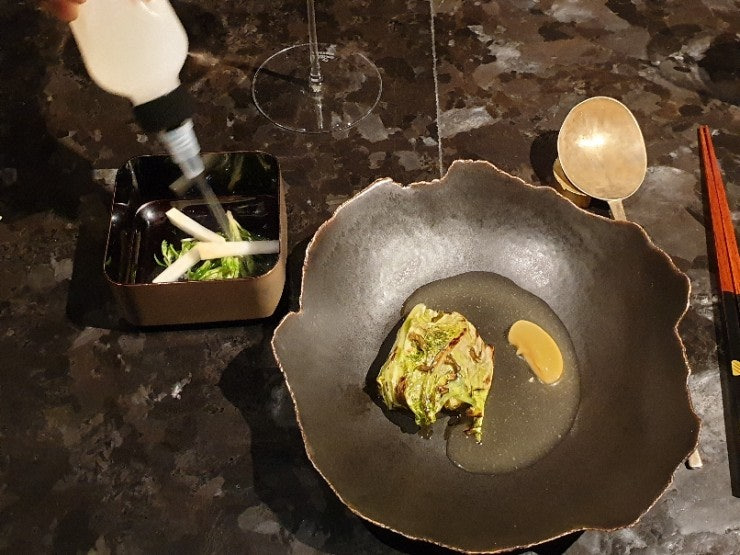
The Artisan’s Touch: Preserving Heritage
At the center of all these changes are artisans like Master Seo Bun-rye, who quietly uphold tradition. Through their skilled hands, Cheonggukjang reaches the artistic realm filled with long wisdom and care, serving as a strong support to ensure it does not lose its roots, no matter how much it is newly varied.
Conclusion
A bowl of warm Cheonggukjang encapsulates such a grand history.
- Historical Authenticity: Cheonggukjang is a unique fermented food with clear records of being used as royal gifts since ancient times.
- Scientific Excellence: The various bioactive substances generated through Bacillus fermentation provide excellent health benefits, including anti-cancer and immune-boosting effects.
- Future-Oriented Potential: Evolving beyond traditional flavors to become space food and dishes by Michelin-star chefs, it is stepping up as a global food.
The pungent aroma of Cheonggukjang is no longer a strange smell but the fragrance of history speaking to us across thousands of years.
Today, what story does the Cheonggukjang on your table tell? I hope you share your memories and stories tied to its taste in the comments, filling a page of this living history together.