
Behind the Splendor: The Grueling 18-Hour Workday. Let’s follow the real day of a Joseon king that we didn’t know about.
- Check the king’s grueling 18-hour schedule.
- Understand the significance of study, rituals, and state affairs in the king’s life.
- Peek into the human struggles hidden beneath the splendid Goryeongpo.
What image comes to mind when you think of a ‘Joseon king’? You might imagine a figure receiving lavish meals in a grand palace, surrounded by numerous attendants, wielding power. However, the day of a Joseon king was far from such fantasies. His real life was filled not with luxurious vacations but with a grueling 18-hour workday.
The story begins at 5 AM, before dawn, when the king wakes alone while the world sleeps. Based on meticulous records such as the ‘Annals of the Joseon Dynasty’ and ‘Sungjeongwon Ilgi’, we will vividly reconstruct the struggles and responsibilities of a human who had to bear the weight of the Goryeongpo.
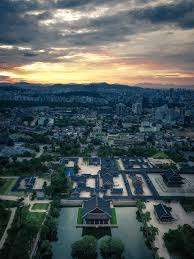
A Breathless 18 Hours: The Daily Schedule of a Joseon King
The king’s time was strictly separated from the people, moving only according to the state’s clock. This schedule illustrates the inherent isolation and weight of responsibility that comes with being a king.
| Time | Activity | Description |
|---|---|---|
| 05:00 | Wake Up | The day begins with morning greetings to the royal elders. |
| 06:00 | Breakfast Snack | A light meal, such as porridge, is taken. |
| 07:00 - 09:00 | Morning Gyeongyeon | The first of three daily Gyeongyeon sessions. |
| 09:00 | Breakfast | The formal breakfast is served. |
| 10:00 - 12:00 | Morning State Affairs | Attending the daily assembly and handling state affairs. |
| 12:00 | Lunch | The formal lunch is served. |
| 13:00 - 15:00 | Afternoon Gyeongyeon | The second Gyeongyeon session. |
| 15:00 - 18:00 | Afternoon State Affairs | Receiving individual reports from officials and processing petitions. |
| 18:00 | Dinner | The formal dinner is served. |
| 19:00 - 20:00 | Evening Gyeongyeon | The last Gyeongyeon session of the day. |
| 20:00 | Evening Greetings | Evening greetings to the royal elders. |
| 21:00 - 23:00 | Night Work | Reading petitions that were not completed or personal reading time. |
| 23:00 | Sleep | Finally going to bed long after the city gates have closed. |
Life as a Scholar Monarch: Gyeongyeon and State Affairs
The most significant aspect of a Joseon king’s daily routine was none other than ‘study’. The king was required to be the nation’s highest intellect, not just a ruler.
The King’s Classroom, Gyeongyeon
The king had to attend Gyeongyeon, where he studied and discussed the classics with the era’s top scholars three times a day (morning, lunch, and evening). This was not merely learning; it was a fierce political arena where the king’s governing philosophy was tested daily. Officials discussed state issues based on history and classics, and the king had to defend them logically to prove his governing abilities. If the king fell behind intellectually, his authority could be shaken in an instant.
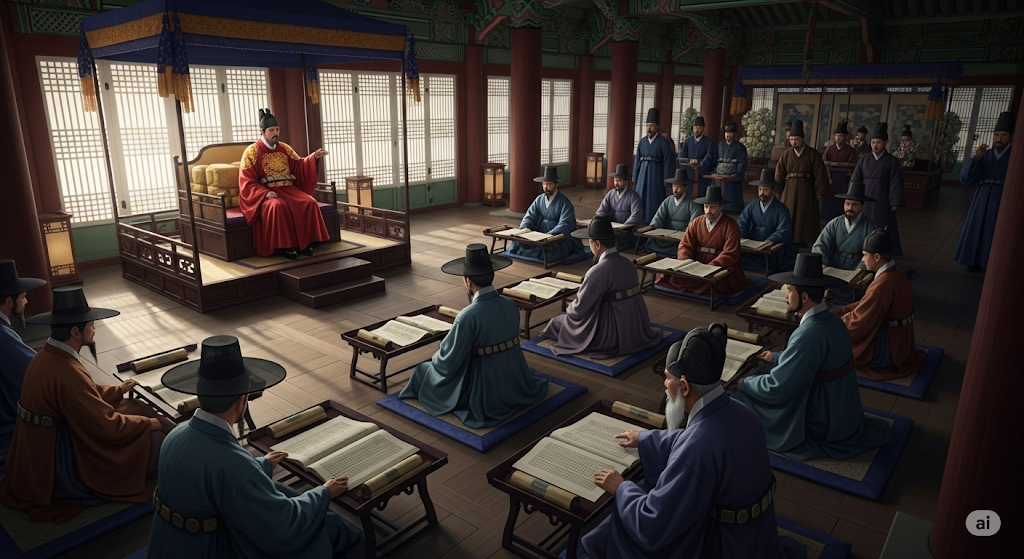
The Goryeongpo was a symbol of authority and a ‘uniform’ that bore the weight of endless scholarship and debate.
Workaholic Monarch, Jeongjo’s All-Night Discussions
The figure who most dramatically exemplified this scholarly aspect was Jeongjo, the 22nd king of Joseon. He found the three daily Gyeongyeon sessions insufficient and enjoyed all-night discussions with young scholars in his think tank, Gyujanggak.
Surprisingly, this intellectual passion was supported by his fondness for ’tobacco’. Jeongjo, a well-known smoker, referred to tobacco as ‘Namnyeongcho’ and considered it an essential item for state affairs and scholarship. He confessed in his writings, “When I was stuck while reading or my worries deepened, I could not ease my mind without the power of this herb.”
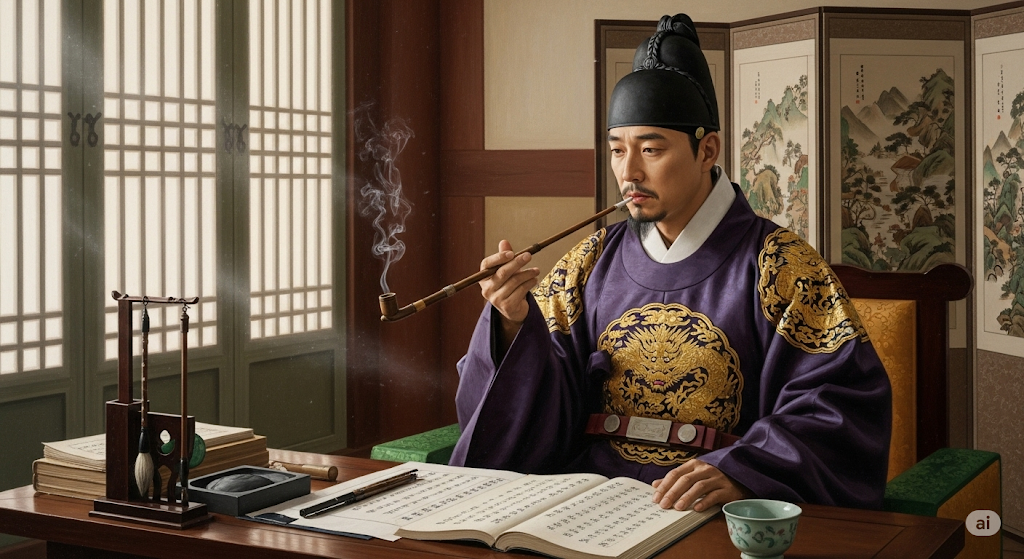
However, this intense life came at a cost. The extreme stress, overwork, and smoking deteriorated Jeongjo’s health, paradoxically leading him to burn himself out for the sake of reform.
Symbolic Governance: Rituals for the People
Joseon was a ‘Agrarian State’ where agriculture was the foundation of the nation. The king and queen were symbolic figures who personally practiced this belief by presiding over important state rituals.
The King’s Plowing: The Origin of Chingyeongrae and Seolleongtang
Every spring, the king performed the Chingyeongrae, where he offered sacrifices to the agricultural deity at ‘Seonnongdan’ outside Dongdaemun and then plowed the fields himself. While this was a symbolic act, it was an important political performance showing the king’s commitment to the importance of agriculture to the entire nation.
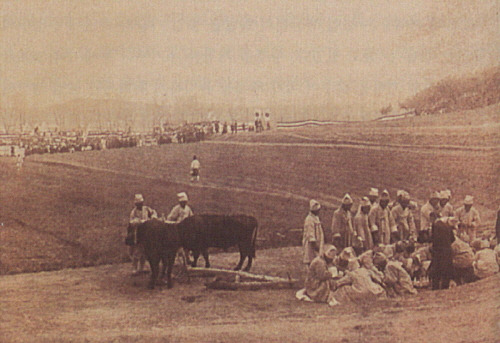
After the ceremony, the king shared the soup made from the ox used in the sacrifice with everyone, and this ‘Seonnongtang’ became the origin of ‘Seolleongtang’.
The Queen’s Silk Thread: The Politics of Chinjammrae
If the king had Chingyeongrae, the queen had the Chinjammrae, which encouraged silk production by raising silkworms. While farming was a male domain, fabric production was an important labor for women. In 1767, Yeongjo revived the Chinjammrae after over 300 years to elevate the authority of his young queen, Jeongsun.
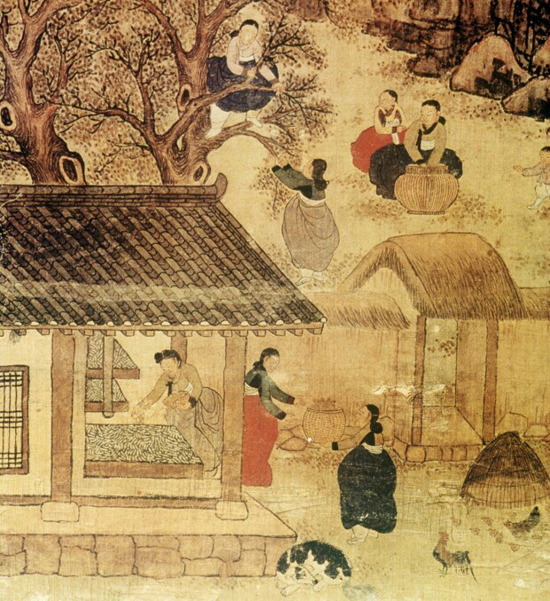
This ritual was not merely symbolic; it was a sophisticated political act by Yeongjo to solidify the authority of the young queen and to soothe public sentiment after the loss of his son, Crown Prince Sado.
The Human Struggles Beneath the Goryeongpo
The splendid Goryeongpo sometimes served as a veil covering the suffering human body. Kings were absolute rulers but also frail humans suffering from extreme stress and illness.
Sejong and Yeongjo: Opposite Health Management Methods
The two great kings of Joseon, Sejong and Yeongjo, exhibited contrasting approaches to health management, reflecting their political situations and personalities.
| Category | King Sejong | King Yeongjo |
|---|---|---|
| Health Status | ‘Walking General Hospital’ (eye disease, obesity, diabetes) | Longest-reigning king of Joseon (83 years) |
| Lifestyle | Meat-heavy diet, all-night reading and research | Strict moderation and vegetarianism, strong prohibition on alcohol |
| Background | ‘Wounds of Glory’ from excessive responsibilities | ‘Political Armor’ to overcome complex of origin and legitimacy doubts |
While Sejong’s ailments were a desperate struggle as a scholar king, Yeongjo’s moderation was closer to obsessive self-management for political survival.
The Weight of the Crown: Legitimacy Complex
The king’s stress did not only stem from excessive work. The ’legitimacy’ issue, which required proving one’s very existence, shook the lives of several kings. Seonjo, the first king to ascend the throne from a collateral line, suffered from a lifelong legitimacy complex. This anxiety manifested during the Imjin War as a limitation in leadership and tragically led to constant suspicion of his son, Gwanghaegun.
Additionally, Injo, who ascended the throne through a coup, poured all his political efforts into posthumously honoring his biological father, Jeongwon-gun, as king. This was a desperate political act to prove the legitimacy of his succession. The weight of the Goryeongpo sometimes pressed down on the king’s shoulders, burdened by the invisible scales of lineage and legitimacy.
Conclusion
The king’s long day is coming to an end. However, even after the evening Gyeongyeon and greetings are over, the king remains alone, wrestling with a pile of petitions well past 11 PM. The day of a Joseon king was not a life of a glamorous ruler but filled with responsibilities that were hard for any human to bear.
- Grueling Work: The king’s day was a laborious 18 hours filled with study, state affairs, and rituals from dawn until late at night.
- Symbolic Leadership: The king was a symbolic figure practicing the ideology of an agrarian state through rituals like Chingyeongrae and Chinjammrae.
- Human Struggles: Beneath the Goryeongpo was a human suffering from overwork, illness, and anxiety over legitimacy.
Thus, the life of a king was dedicated not to personal happiness but to the singular goal of the nation’s well-being. Thanks to the records they left behind hundreds of years ago, we can glimpse the sweat and tears hidden beneath their splendid garments.