
Unpacking the Politics, Corporate Dilemmas, and the Reality of U.S. Agricultural Policy Encapsulated in a Bottle of Cola.
- Discover the real reason Coca-Cola uses high fructose corn syrup in the U.S.
- Understand the lessons from the ‘New Coke’ disaster for brand management.
- Grasp the political calculations and the reality of the lobbying wars behind Trump’s statements.
Prologue: Trump’s Bombshell Declaration and Coca-Cola’s Dilemma
A single social media declaration from former President Donald Trump shook the world. It stated that Coca-Cola agreed to use ‘REAL Cane Sugar’ in its products sold in the U.S. Why did he, who drinks 12 cans of Diet Coke a day, suddenly show interest in the ingredients of original cola?
Coca-Cola’s response was cautious. They expressed gratitude for the “president’s enthusiasm” and responded not by changing the existing recipe but by launching a ’new offering’ using American cane sugar. The ‘complete overhaul’ declared by Trump and the ’new product launch’ announced by Coca-Cola hide a massive game of politics and business within this subtle difference.
Lessons from Failure: The 1985 ‘New Coke’ Catastrophe
To understand why Coca-Cola did not immediately change its recipe in response to Trump’s demand, we must go back to 1985. This was the year of the ‘New Coke’ disaster, considered one of the worst marketing failures in history.
At that time, Coca-Cola, struggling against Pepsi’s ‘Pepsi Challenge’, blindly trusted the results of a blind taste test involving 200,000 participants. Consumers clearly preferred the sweeter new recipe. Based on this data, they discarded the original recipe, which had been in use for 99 years, and launched ‘New Coke’, but the results were disastrous.
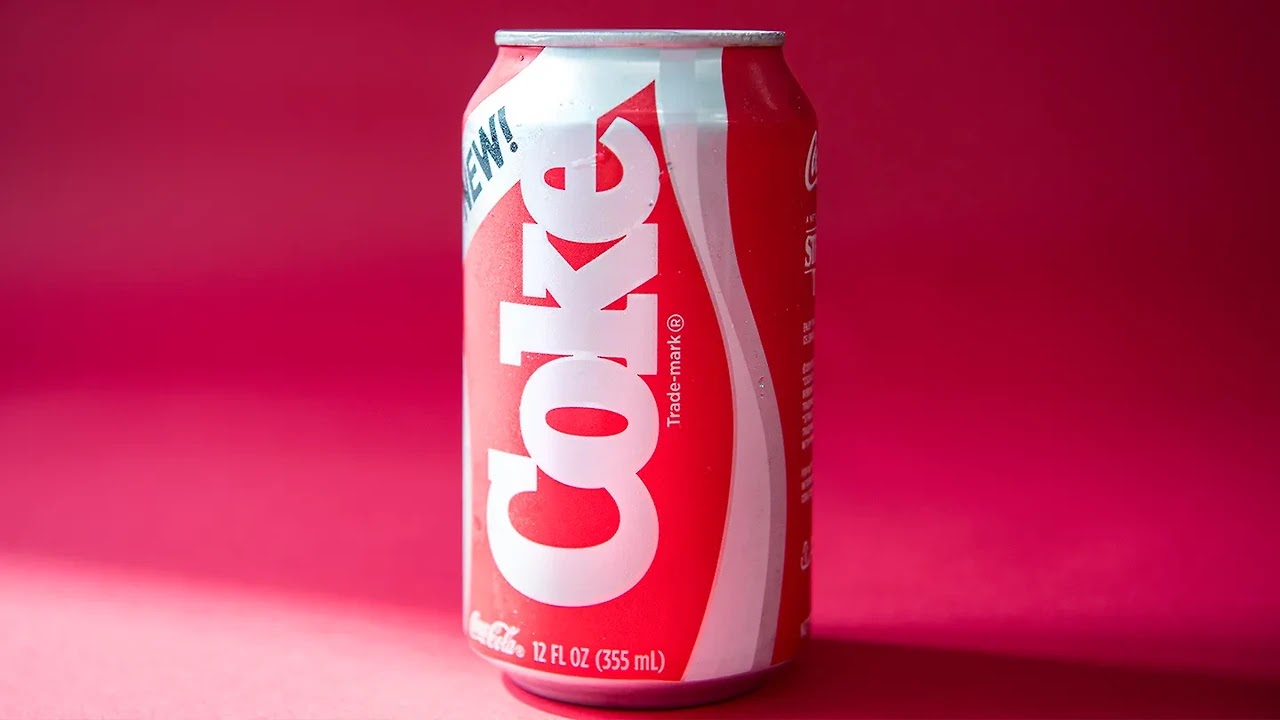
Consumer reactions were not evaluations of taste but rather anger and feelings of betrayal. Complaints flooded in: “It took away my childhood memories,” and “This is not American!” This incident reminded me that the essence of a brand lies not in the product but in the ’emotional connection’ with consumers. Ultimately, ‘Coca-Cola Classic’ was reintroduced after just 77 days, and this lesson became deeply ingrained in Coca-Cola’s DNA.
The Truth Behind the Sweet Swap: Sugar vs. High Fructose Corn Syrup
Why does American Coca-Cola use High Fructose Corn Syrup (HFCS) while ‘Mexican Coke’ uses cane sugar? This is not a matter of taste but rather an economic outcome of U.S. government agricultural policies.
- ‘King Corn’ Policy: Since the 1970s, the U.S. government has provided massive subsidies to domestic corn farmers. This led to an oversupply of cheap corn, which in turn led to the development of high fructose corn syrup.
- ‘Sugar Wall’ Policy: Simultaneously, high tariffs and quotas were imposed on imported sugar to protect the domestic sugar industry. As a result, sugar prices in the U.S. soared to more than double the international market price.
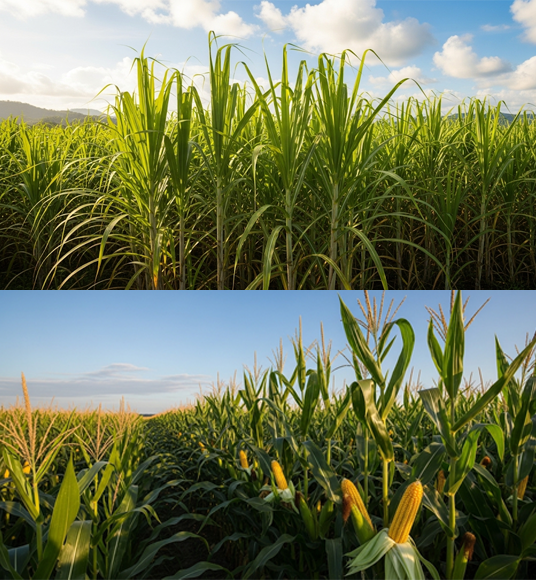
From a corporate perspective, choosing cheap high fructose corn syrup over expensive sugar was a logical decision. Ultimately, the sweetness of Coca-Cola is not a matter of taste but rather a product of government policies distorting the market.
Trump’s Script: Three Hidden Intentions
Trump’s ‘sugar cola’ statement is not just a health campaign. Behind it are three politically calculated scripts.
Script 1: Populism of ‘Make America Healthy Again (MAHA)’
Through this campaign, Trump created a simple yet powerful dichotomy between ‘real/traditional ingredients’ and ‘processed/artificial ingredients’. By framing high fructose corn syrup as a ‘chemical substance’ and cane sugar as ’natural’, he appeals to public anxiety.
However, nutritionally, there is little difference in metabolic processes between high fructose corn syrup and sugar. The real health issue is not the type of added sugar but rather the ’total intake’. This shows that the MAHA campaign is a political show aimed at winning over voters rather than adhering to scientific facts.
Script 2: The Invisible War, Corn vs. Sugar Lobby
The real protagonists in this drama are the powerful agricultural lobbying forces known as ‘King Corn’ and ‘Big Sugar’. Trump’s statements signal which side he will take in their war.
Comparison of the Two Major U.S. Agricultural Lobbies
| Feature | Corn Lobby (King Corn) | Sugar Lobby (Big Sugar) |
|---|---|---|
| Key States | Iowa, Nebraska, and the Midwest ‘Corn Belt’ | Florida, Louisiana, and the South |
| Core Government Policy | Direct federal subsidies | Import tariffs, quotas, price supports |
| Economic Outcome | Artificially cheap high fructose corn syrup (HFCS) | Artificially expensive sugar (about twice the international price) |
| Political Landscape | Trump’s core support base | Major financial backers of the Republican Party (including Florida) |
As seen in this table, Trump is navigating a delicate diplomacy that stimulates his core support base in the ‘Corn Belt’ while also siding with the ‘Sugar Lobby’, a key battleground state and source of funding. The Coca-Cola can has become a symbolic hostage in this massive lobbying war.
Script 3: The Contradictory Showmanship of the ‘Cola President’
The biggest irony is that Trump himself is a fervent fan of Diet Coke. His drink is made with artificial sweetener aspartame, not sugar. The fact that he had a Diet Coke button installed in the White House while calling for ‘real sugar’ demonstrates a well-crafted political theater.
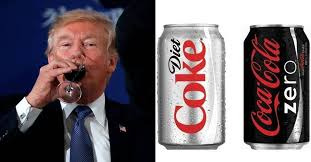
Moreover, the fundamental reason Coca-Cola uses high fructose corn syrup is precisely the high sugar tariffs that Trump supports. He creates a self-contradictory situation by pressuring companies to solve problems he created himself, building an image of a ‘master of deals’.
Conclusion
The ‘sugar cola’ incident goes beyond a simple happening and reveals a complex facet of modern American society. The essence of this story can be summarized in three points.
- Consumer emotions beat data: The 1985 ‘New Coke’ incident proved how important the emotional bond between a brand and its consumers is.
- The market is a shadow of policy: The taste of American Coca-Cola is not a matter of taste but rather a product of decades-long corn subsidies and sugar tariff policies.
- Politics is a narrative battle: Trump’s statements aim to create a powerful image that captivates the public rather than adhering to scientific facts or policy consistency.
As a result, Coca-Cola cleverly turned this crisis into an opportunity. They maintained their existing business model while giving Trump face-saving measures and securing a premium-priced new product line.
Now, when you see a bottle of cola, you will realize that what is contained within is not just a simple beverage. Are you drinking a sweet soda, or are you witnessing a scene from this grand political-economic drama?
References
- Newsweek Coca-Cola Responds to Trump’s Claim It Will Use Cane Sugar
- AP News Trump says Coke will shift to cane sugar…
- Kiplinger Trump Wants Cane Sugar Coke…
- WION on YouTube Donald Trump Says Coca-Cola Agreed To Use Real Cane Sugar
- The Independent Trump’s push to change Coke…
- Coca-Cola.com Why did the 1985 New Coke launch fail?
- Reason.com Trump says Coke will be made with real sugar…
- CBS News Coca-Cola to launch new U.S. soda with cane sugar…