
Part 4. The Tokenization Revolution: A Future Where All Assets Are Liquid 💰
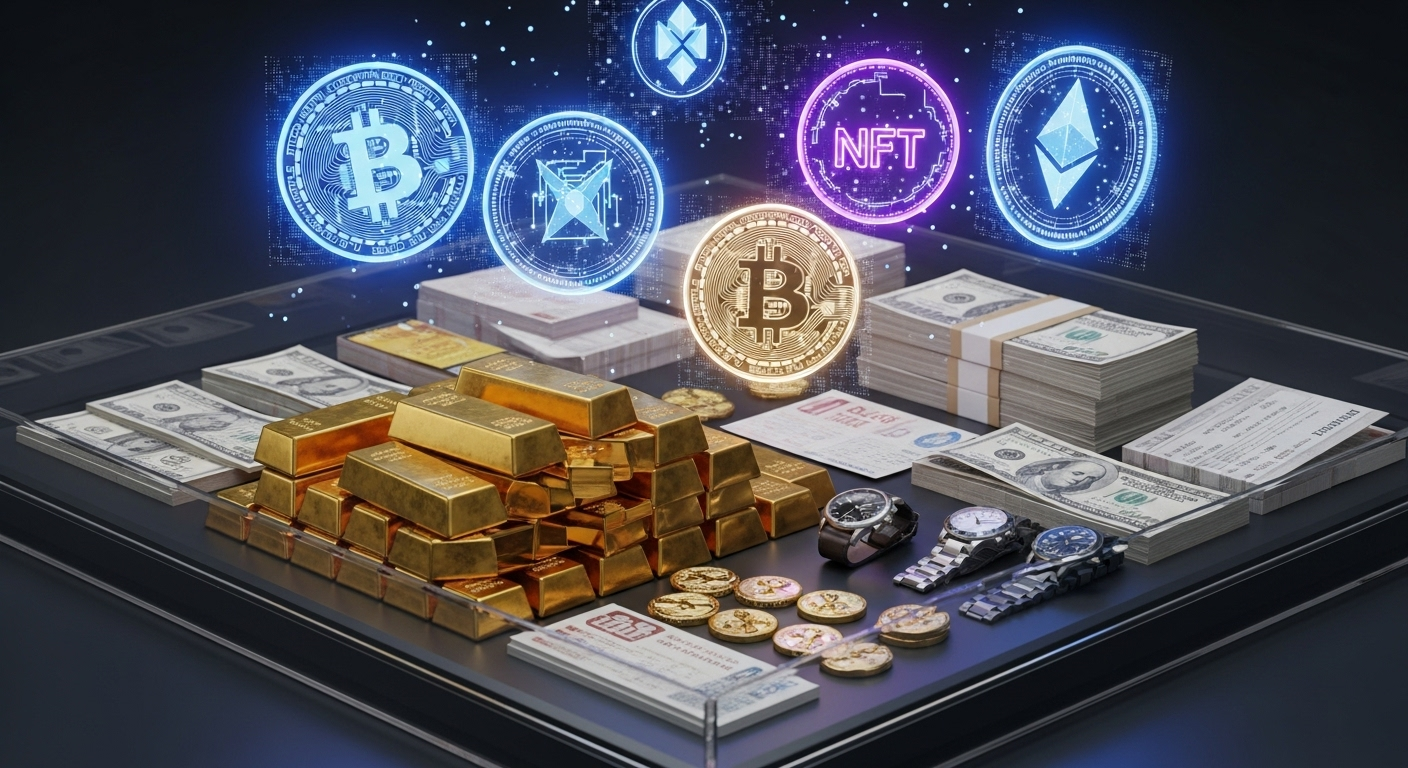
Programmable Money and Stablecoins are moving beyond abstract technological concepts to realize concrete scenarios that fundamentally change our daily lives and financial activities.
The Alchemy of Illiquid Assets: Democratizing Ownership
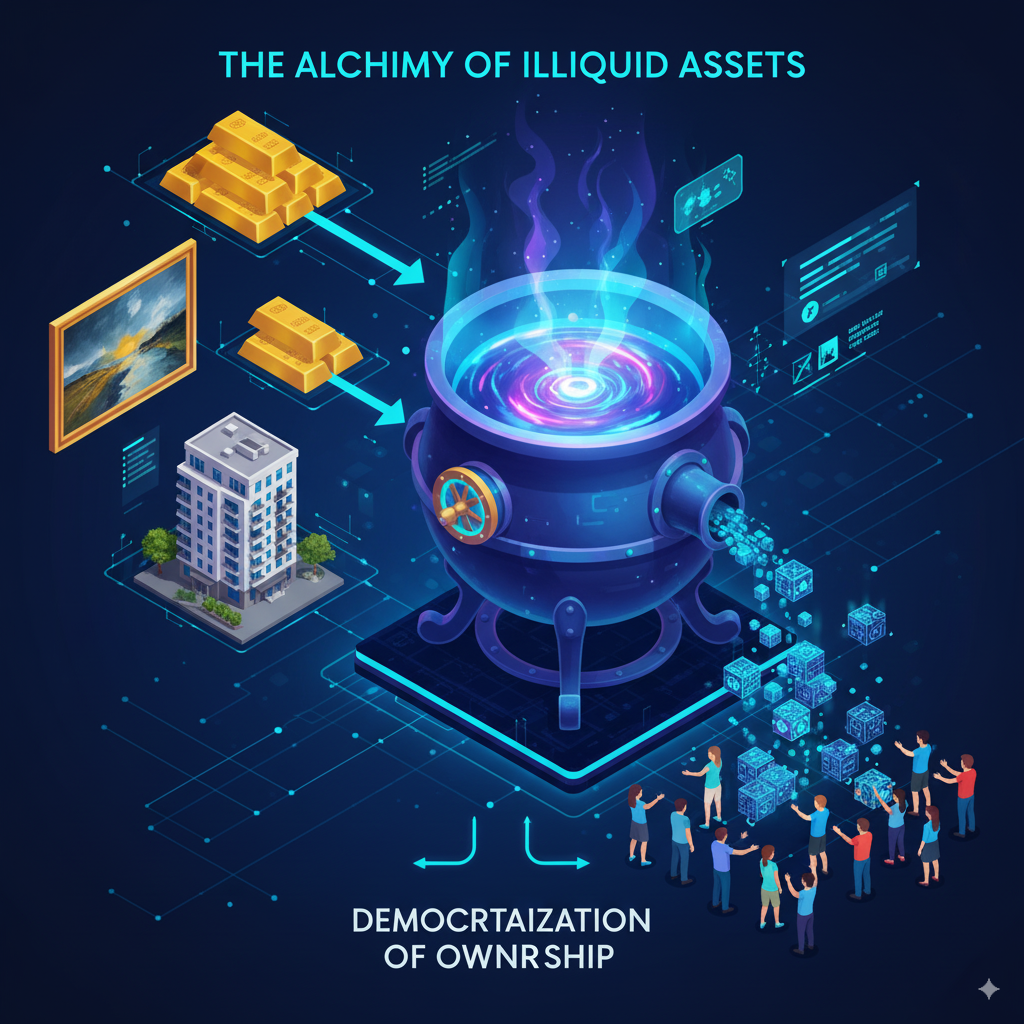
This process, especially Security Token Offerings (STO) that involve legal rights, requires collaboration across multiple specialized fields, including technology, law, trust, and valuation. Typically, assets are entrusted to a separate trust company for legal protection, and a Special Purpose Vehicle (SPV) established based on this entrustment issues tokens representing ownership or rights to profits from the asset. These tokens are not mere cryptocurrencies but are ‘digitized securities’ regulated by capital market laws, equipped with investor protection measures. 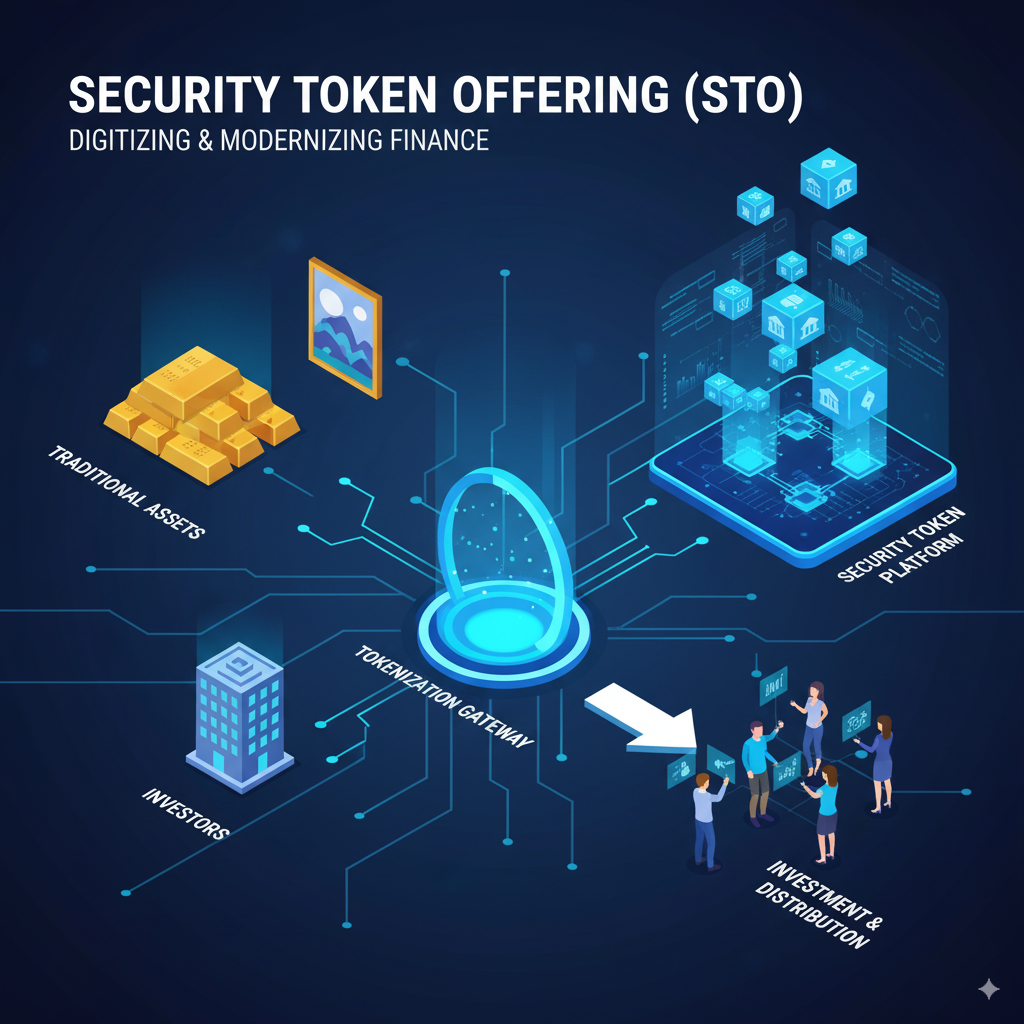
Financial Robots in Everyday Life: Innovative Scenarios
Stablecoins and smart contracts are innovating how these tokenized assets are traded and utilized, bringing about the following concrete changes:
The Evolution of Commerce and Labor:
- Second-hand Transactions with a ‘Robot Judge’: Fraud risk has been a persistent problem in second-hand transactions. Using smart contracts, we can build an escrow system where the buyer deposits funds into the contract, and upon the seller shipping the goods, the payment is automatically released to the seller once the ‘delivery completed’ data from the courier system is confirmed. This allows us to trust the fairness of mathematically proven code rather than needing to rely on centralized intermediaries like Naver Pay. This ‘robot judge’ tirelessly and fairly executes contracts 24/7.
- The Gig Economy with ‘Streaming Money’: Payment delays experienced by freelancers are a significant hardship. Utilizing smart contracts, we can program payments to flow automatically and in real-time to the freelancer’s wallet as each stage of a project is completed (e.g., design proposal submitted, prototype development completed). This will be a revolutionary change providing financial stability to gig economy workers worldwide.
Democratizing Investment:
- Becoming a ‘Digital Landlord’ for ₩100,000: Imagine a scenario where a ₩5 billion cafe building in Seongsu-dong is divided and sold as 50,000 ‘SSC (Seongsu Cafe)’ tokens, each valued at ₩100,000. Now, anyone can save the cost of a few coffees to invest in prime commercial real estate, automatically receive monthly rental income dividends based on their share, and become a ‘digital landlord’ earning capital gains by trading tokens whenever they wish. Investment opportunities that were previously accessible only to the wealthy are now open to everyone.
- ‘Fan Enthusiasm’ Creating a New Investment Culture: Rights to a portion of future copyright royalties from a favorite idol group’s new song can be issued as ‘IDS (Idol Song)’ tokens. By purchasing these tokens, fans become stakeholders in the song’s future success, beyond simply consuming the album. As streaming revenue is generated when the song gains popularity, smart contracts will distribute a portion of those profits in real-time to token holders. This creates a new, mutually beneficial ecosystem where artists and fans grow financially together.
The Renaissance of Personal Finance: Navigating Wealth Autonomously
These changes are fundamentally restructuring how individuals manage their assets.
- ‘Manager Kim’s’ Programmable Salary as a Global Talent: Working at an IT company, ‘Manager Kim’ now works with clients worldwide and receives salary payments in various digital currencies. His digital wallet is filled with USDC from US clients, EURC from European clients, and digital KRW for domestic income. He sets the following rules for this wallet: “Automatically deposit 50% of monthly USDC into the Aave protocol to earn dollar-based interest, invest EURC in fractional ownership of tokenized European wineries, and use digital KRW for living expenses and purchasing domestic real estate tokens.” His wallet is no longer just a storage place but an ‘automated global investment hub’ and a ‘personal currency exchange’ that manages assets 24/7 according to his plans.
- ‘Director Park’s’ Cash Flow Pipeline for a Digital Retirement: Approaching retirement, ‘Director Park’ aims to create a stable retirement cash flow. He diversifies his retirement funds across various tokenized assets. His portfolio consists of ‘Incheon Bridge Toll Revenue Rights’ tokens guaranteed by the government (stable cash flow), ‘Data Center Building’ tokens long-term leased to a global IT company (medium risk, medium return), and ‘Physical Gold’ tokens for inflation hedging. He no longer needs to obsess over the fluctuations of specific stocks; instead, he builds a steady pipeline of digital dividends from diverse real-world assets globally, enjoying a secure retirement.
The 24-Hour Market: The Rise of AMMs and ‘Money Legos’
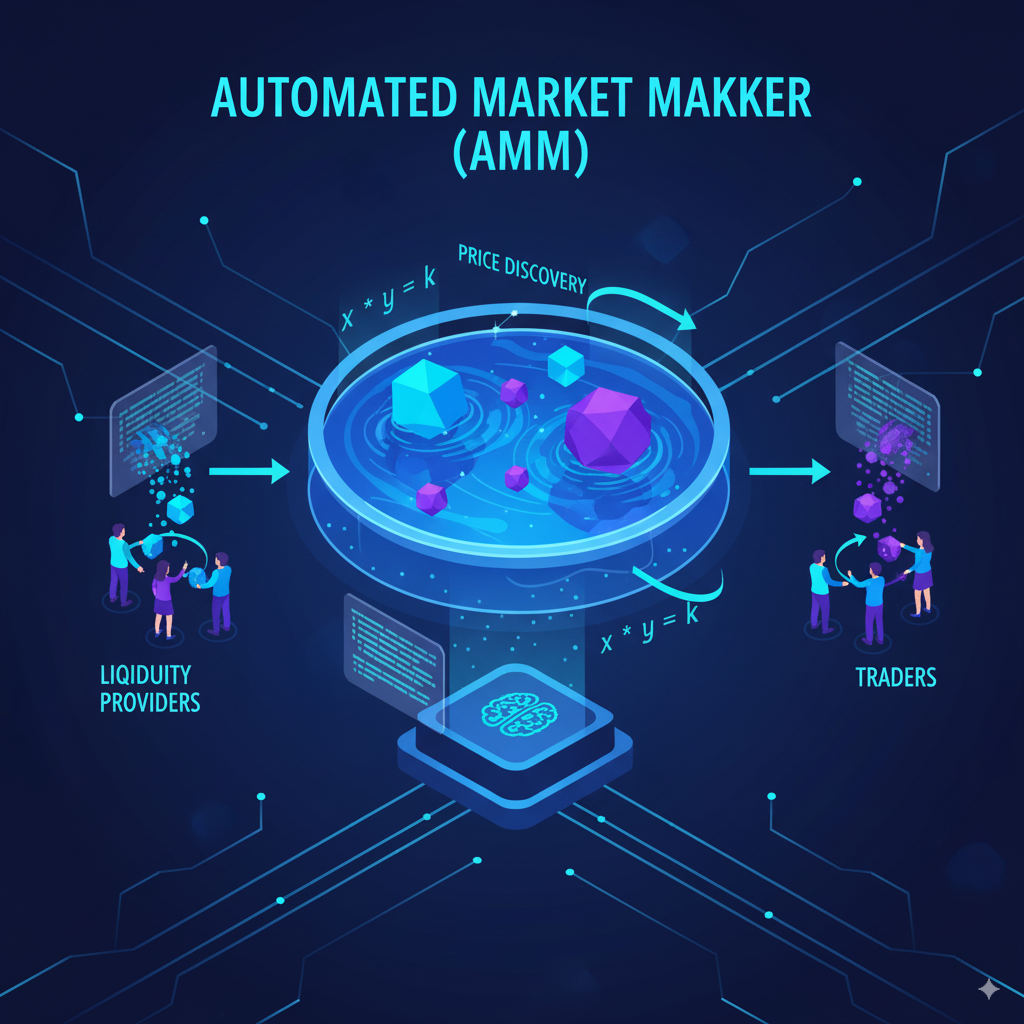
Where will these highly segmented and diversified tokens be traded? The traditional ‘order book’ method, where transactions are executed only when buy and sell orders match, struggles to ensure liquidity for less popular assets with low trading volumes.
The solution to this problem is the ‘Automated Market Maker (AMM)’ model. Used in decentralized exchanges (DEXs) like Uniswap, this method allows anyone to become a liquidity provider by depositing specific token pairs (e.g., SSC token - fiat stablecoin) into a ’liquidity pool’. Transactions occur against this pool, and prices are automatically determined by a mathematical formula (x*y=k). AMMs create a 24-hour market and provide ‘always-on liquidity’, enabling instant trading of even the most infrequently traded assets. This will be the core infrastructure for trading the countless tokenized assets of the future.
At the heart of all these scenarios lies the powerful concept of ‘Composability’, or ‘Money Legos’. Each financial protocol and tokenized asset can be freely combined like Lego blocks to create new financial products and strategies. For instance, a complex strategy becomes possible where you can borrow stablecoins from a DeFi protocol using ‘Seongsu Cafe’ tokens as collateral, and then supply those stablecoins to an AMM liquidity pool to earn fee revenue. This offers immense opportunities to maximize capital efficiency, but it also presents a new challenge: ‘Contagion Risk’, where a problem in one block can spread to all connected systems. 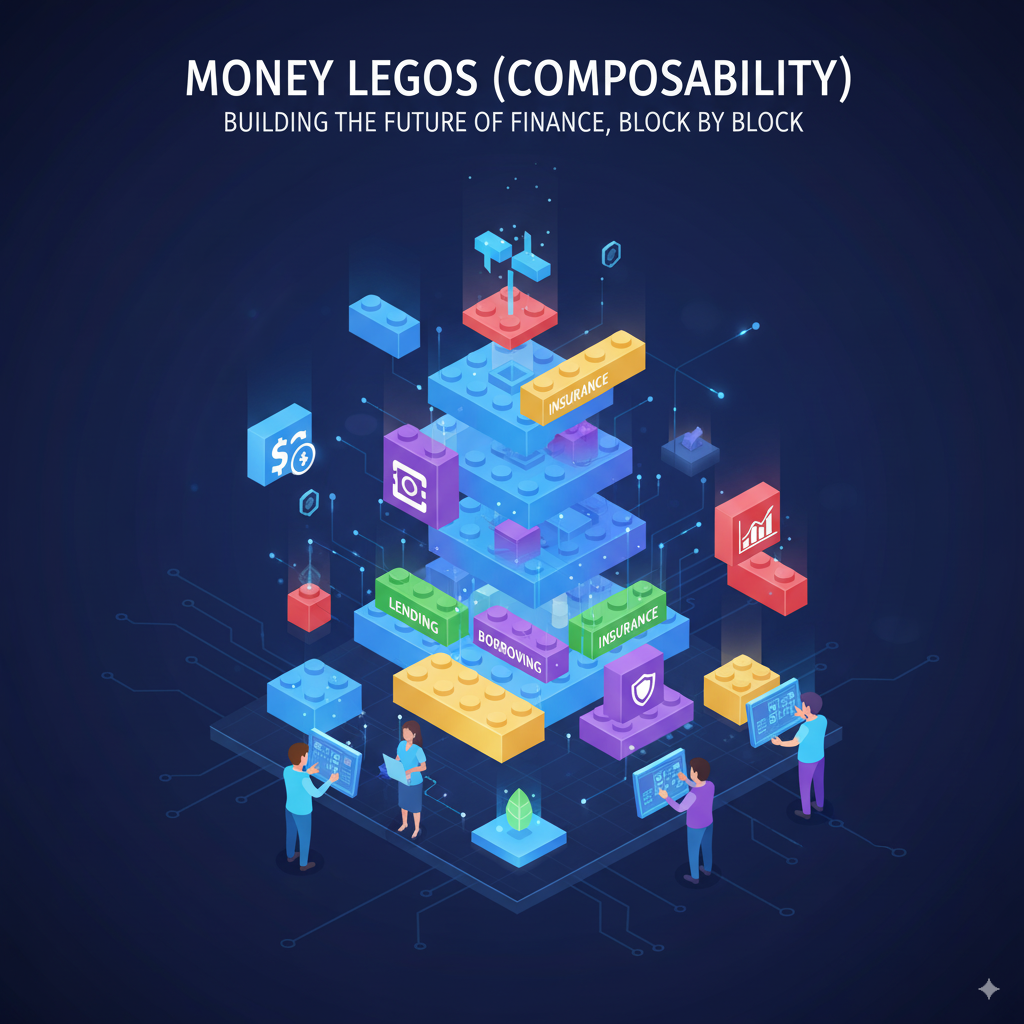
Continue to Part 5. The Gauntlet of Regulation: From Wild West to an Era of Order.