
美国美元,不仅仅是某个国家的货币。它更像是一个全球金融体系的操作系统。自第二次世界大战结束以来,我们现在的金融体系,其根基就是美元。美国经济占全球GDP的四分之一,全球贸易结算的40%,各国持有的外汇储备近60%都是美元。可以说,它已经成为一个巨大的“金融基础设施”。
美元的地位无疑为世界经济注入了流动性,并起到了稳定作用。但同时也赋予了美国巨大的权力,能够依据自身利益操控全球经济。
法国前财政部长夏尔·戴高乐曾对此形象地称之为**“过度的特权”(exorbitant privilege)**。美国只需印钞票,全世界都会接受,这相当于以极低的成本向全球借款。
然而,这里存在一个根本性的矛盾:一个国家的货币政策(例如控制国内通胀)与作为主要储备货币发行国的全球供给角色发生了冲突。经济学家罗伯特·特里芬在20世纪60年代指出了这一点,并将其命名为**“特里芬困境”(Triffin dilemma)**。“过度的特权”是光芒,而“特里芬困境”则是随之而来的阴影。本文将围绕这两个关键词,深入探讨美元的方方面面。
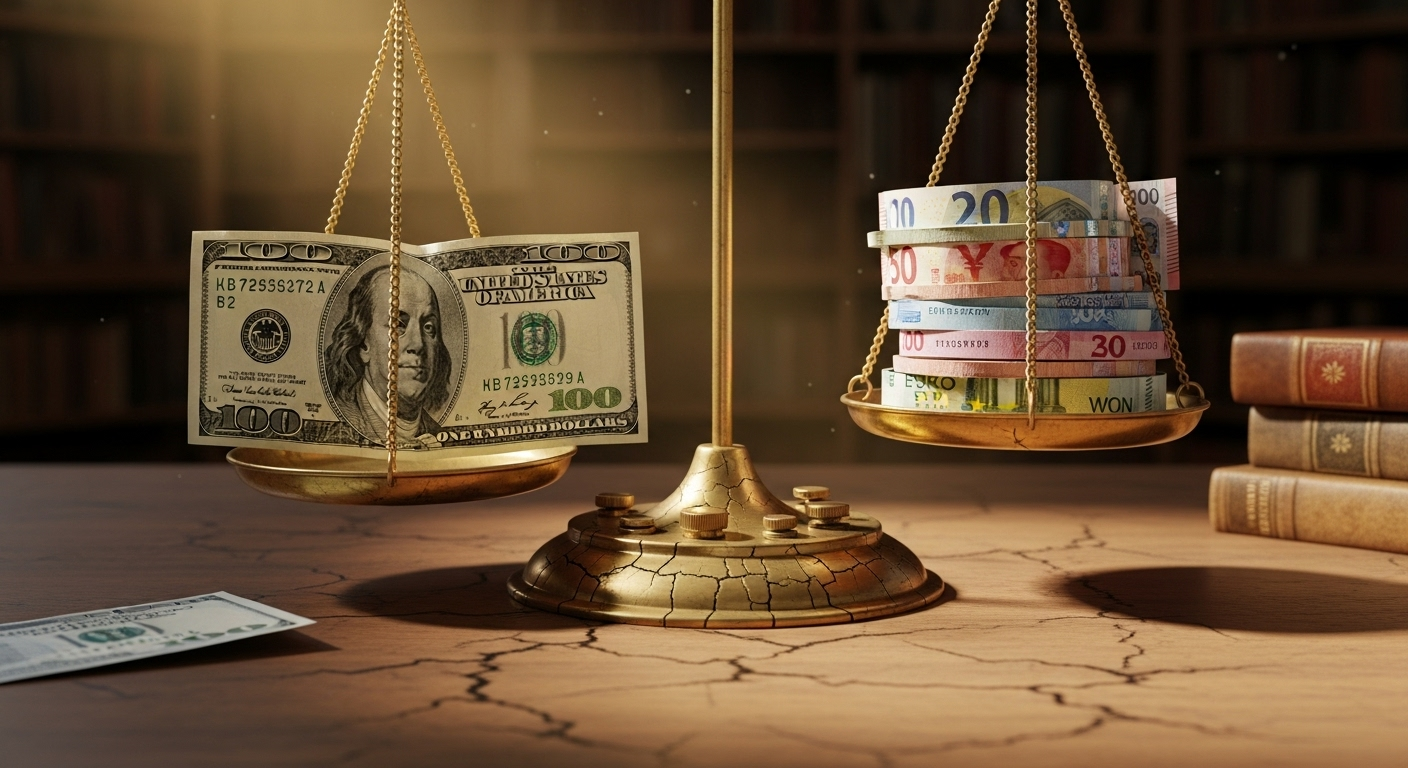
进入21世纪,“美元时代是否会永远持续?”这样的疑问开始出现。表面上看,美元依然稳固,但深层情况却变得复杂,甚至有些严峻。美国的巨额债务、中国经济的崛起、俄乌战争加剧的地缘政治冲突,以及央行数字货币(CBDC)等技术创新,都在同时对美元构成多重挑战。
本文将探讨这些挑战将如何影响美元的未来。首先,我们将分析美元如何登上如今的地位,其**“历史路径依赖”和盘根错节的“网络效应”的力量。同时,诊断那些正在从内外撼动美元体系的“裂痕因素”**,描绘出未来的发展图景。通过这次梳理,我们将立体地理解美元这个庞大帝国的可持续性及其局限。
第一部分:帝国的蓝图(过去)
本部分将追溯美元如何登上世界金融宝座的过程。这可以看作是精心策划的策略与历史机遇完美结合的结果。它更像是在特定时期,美国的规划与现实相遇形成的结构,而非市场自发的选择。一旦道路铺就,就很难改变。这就是**“路径依赖”**的可怕惯性开始发挥作用。
布雷顿森林的蓝图:让万道始于美元
美元帝国的正式启动,是在1944年7月,于美国新罕布什尔州签订的布雷顿森林协议。当时的核心议题是,如何重塑因大萧条和两次世界大战而混乱的世界经济。而当时的美国呢?几乎未受战争损害,拥有全球一半的制造业生产能力,以及超过三分之二(高达2万吨!)的全球黄金储备,是一个压倒性的力量。
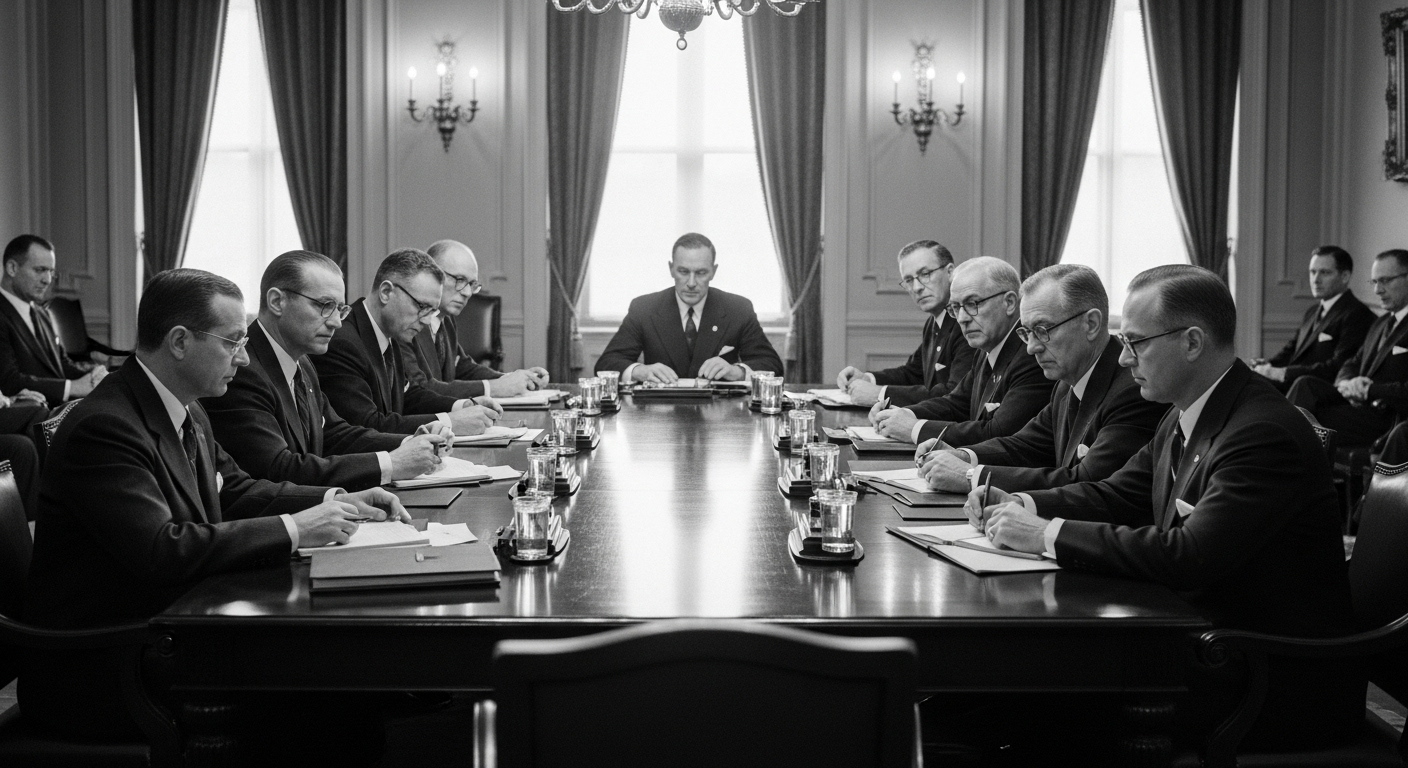
历史性的谈判桌上,两位天才展开了对话:英国代表约翰·梅纳德·凯恩斯和美国代表哈里·德克斯特·怀特。他们的争论超越了技术层面,是关于如何运营世界经济的哲学冲突。
- 凯恩斯的梦想,“ bancor”:凯恩斯提出了一个革命性的想法,即创造一种名为“bancor”的国际新货币。该体系的核心是让贸易失衡的国家(债务国)和富裕国家(债权国)共同承担解决不平衡的责任,实现“对称性调整”。他认为,这样可以避免像过去金本位制那样陷入通缩恶性循环。
- 怀特的现实,“美元中心秩序”:怀特的计划则更为现实,或者说,更侧重于美国。他主张放弃新货币,将美元与黄金挂钩,每盎司35美元。调整的责任主要推给了负债国。
结果如何?正如大家所知,怀特获得了胜利。这不仅仅是因为美国的实力。凯恩斯的方案似乎带有维护大英帝国昔日荣光的意图,而怀特的方案则呈现出一种以美国为中心、但对所有国家开放的体系。
然而,这个选择从一开始就为体系埋下了不对称的裂痕。“过度的特权”并非意外的副作用,而是从一开始就绘制在设计图纸中的。这种刻意设计的体系,一旦道路形成,就让所有人都沿着这条路走,产生了强大的“路径依赖”。即使体系崩溃后,美元的影响力也难以消失,形成了结构性力量。
| 类别 | 凯恩斯计划(国际清算联盟) | 怀特计划(国际稳定基金) |
|---|---|---|
| 核心储备资产 | bancor(超国家货币) | 美元(与黄金挂钩) |
| 机构作用 | 全球中央银行(信用创造) | 有限的贷款稳定基金 |
| 调整机制 | 对称性(对债权国/债务国均施压) | 不对称性(主要对债务国施压) |
| 基本哲学 | 管理下的全球主义 | 美国主导的多边主义 |
凤凰涅槃:黄金已逝,石油接棒
看似永恒的布雷顿森林体系,在约25年后迎来了危机。美国因越南战争和福利政策支出过大,陷入了慢性赤字。1971年8月15日,尼克松总统宣布:“不再将美元兑换成黄金!”这就是著名的**“尼克松冲击”**,宣告了布雷顿森林体系的终结。
按常理,这对美元的信誉是致命打击。然而,美国却巧妙地利用了这次危机。它将摆脱黄金束缚的美元,与一种新的实物商品——“石油”——绑定。1973年石油危机期间,油价飙升四倍,美国与最大的石油出口国沙特阿拉伯达成秘密协议:今后所有石油交易都必须以美元结算。**“石油美元”(Petrodollar)**体系由此诞生。
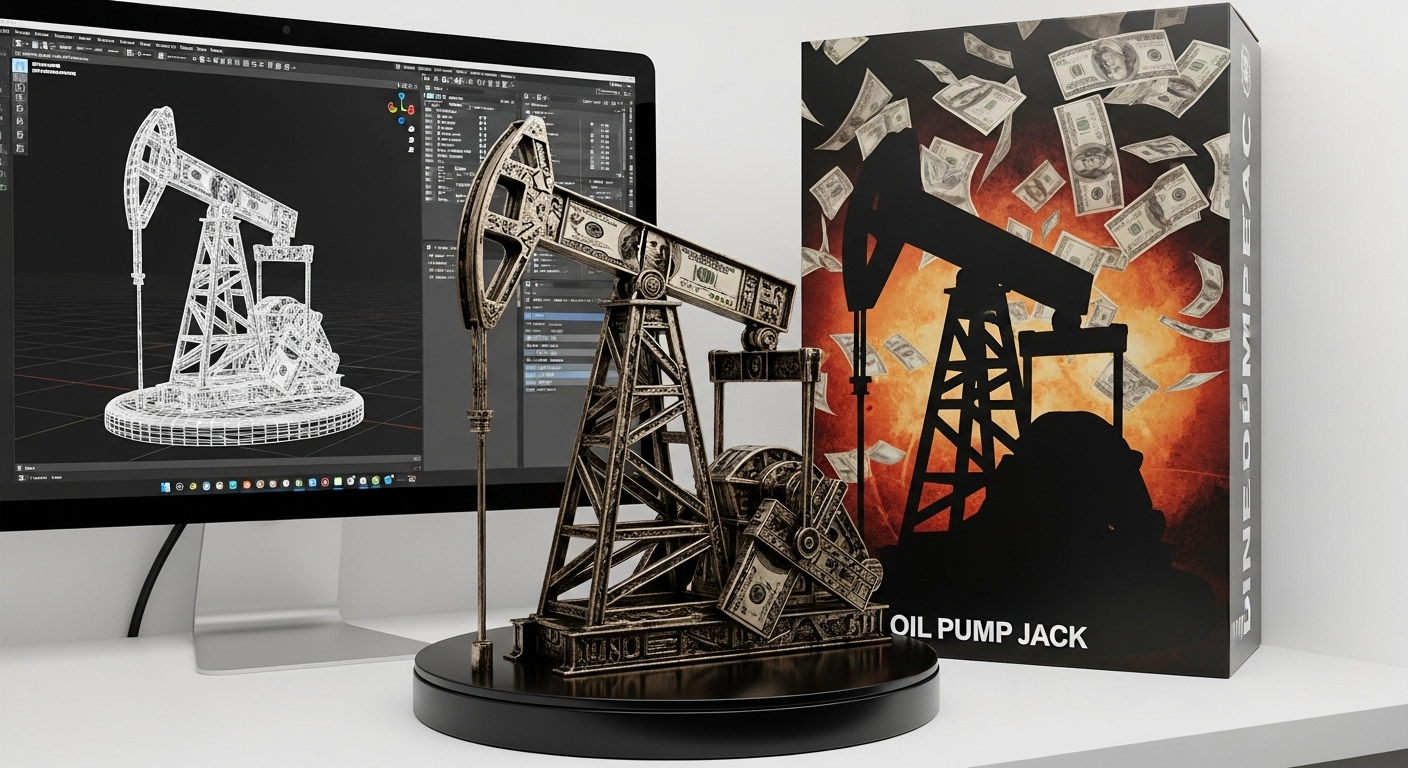
这彻底改变了美元霸权的本质。布雷顿森林时期,美元的价值与其拥有的有限的“库存”——美国的黄金储备——挂钩。而石油美元体系则将其转化为以全球最重要的商品——石油——日常“流动”为基础的担保。现在,世界各国要想运转工厂,就必须购买石油,而购买石油就必须先获得美元。永久性的美元需求由此产生。
但这还没完。产油国赚取巨额石油美元后,将这些资金用于购买美国国债。得益于**“石油美元循环”**机制,美国能够以较低的利率轻松借贷,弥补赤字,使其美元帝国在财政上更加稳固。
系统管理员的力量:广场协议与竞争者的消亡
进入20世纪80年代初,美元汇率过高又成了问题。1985年,五国集团(G5)在纽约广场饭店达成协议,决定人为压低美元汇率。这就是**“广场协议”**。
协议虽然成功,但对日本来说却是灾难。日元汇率翻倍,出口经济遭受重创,并引发资产泡沫破裂,日本进入了漫长的经济低迷期,即著名的**“失去的十年”**。广场协议表明,美国可以将系统维护成本转嫁给其他国家,这为日后中国等国家敲响了警钟。

1991年,苏联解体。曾与美元竞争的卢布集团消失,美元失去了最后一个地缘政治竞争对手。至此,美元开启了名副其实的**“单极货币”(Unipolar Currency)**时代。
第二部分:孤立者的压力(现在)
现在,让我们来看看近期危机如何看似动摇了美元体系,但又反过来巩固了其地位,同时也为未来埋下了隐患。
权力的悖论:危机来临时,人人都在寻求美元
如今,美元力量的核心是**“网络效应”**。即,因为大家都使用,所以我也使用是最方便、最有利的情况。这种美元的力量在危机时更加凸显。
有一种**“美元微笑理论”,即在美国经济非常强劲时,以及全球经济陷入危机时,美元在这两极时期都会升值。2008年全球金融危机正是如此。危机的根源显而易见在美国,但投资者却抛弃了所有其他资产,涌向他们唯一信任的避风港——美国国债市场。这种“逃往安全资产”**的现象导致美元汇率飙升。
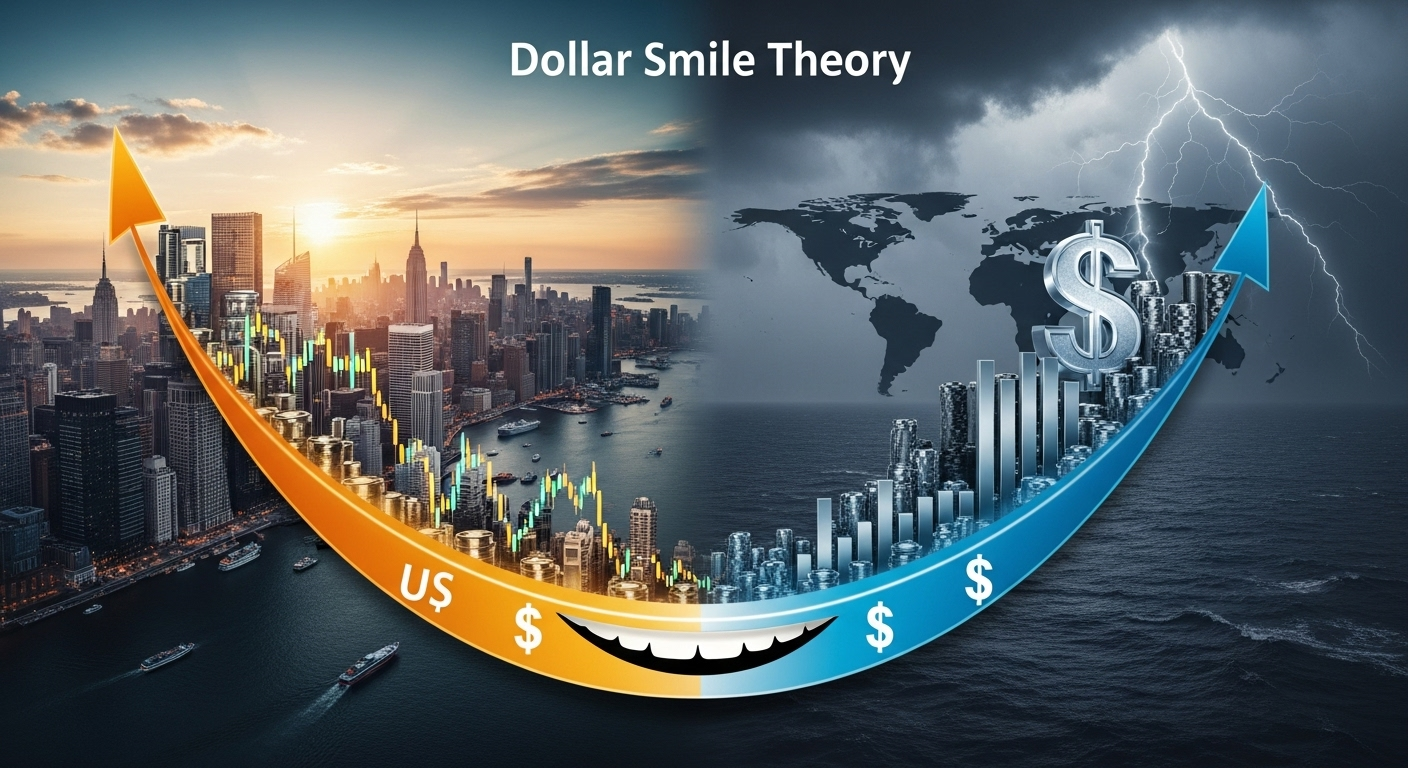
2008年的危机证明,美元不仅仅是“避风港”,它更是体系中无法摆脱的**“管道”(plumbing)**。危机时刻,唯一可以依靠的市场就是美国市场,这种结构性依赖正是美元的力量所在。
| 货币 | 2000年 | 2008年 | 2015年 | 2023年 |
|---|---|---|---|---|
| 美元 (USD) | 71.0% | 64.1% | 65.7% | 58.9% |
| 欧元 (EUR) | 18.3% | 26.2% | 19.1% | 20.1% |
| 日元 (JPY) | 6.1% | 3.3% | 4.0% | 5.4% |
| 英镑 (GBP) | 2.8% | 4.2% | 4.7% | 4.8% |
| 人民币 (CNY) | - | - | 1.1% | 2.6% |
| 其他 | 1.8% | 2.2% | 5.4% | 8.2% |
This document discusses the challenges facing the U.S. dollar’s global dominance. It explores how past policies and current economic trends are creating a more multi-polar financial world.
System’s Contradiction: The “Exchange Rate War” Caused by Excessive Savings
After the 1997 Asian financial crisis, Asian countries frantically accumulated dollars for “self-insurance.” They used these dollars to buy U.S. Treasury bonds, keeping U.S. interest rates historically low. The then-Federal Reserve Chairman, Ben Bernanke, called this “Global Saving Glut.”
However, this cheap money, seeking higher returns within the U.S., eventually flowed into risky assets like subprime mortgages, igniting the 2008 financial crisis. The survival strategy of Asian countries paradoxically installed a financial time bomb in the U.S.
To manage the crisis, the Fed launched “Quantitative Easing (QE),” flooding emerging markets with this cheap dollar. Facing currency surges and asset bubbles, Brazil’s Finance Minister declared in 2010, “This is an international exchange rate war!” This was the moment the Triffin Dilemma became reality. It showed that actions taken by the U.S. for its own economy could be disastrous for other countries, and a new era of each nation for itself had begun.
Empire’s Achilles’ Heel: Ever-Increasing Debt
The biggest threat to the dollar isn’t external but internal: the U.S. “Twin Deficits” (fiscal deficit + trade deficit). Thanks to “exorbitant privilege,” the U.S. has spent more than it earned, but the price is ballooning national debt. As of 2024, U.S. federal debt exceeds $34 trillion, over 120% of its GDP.
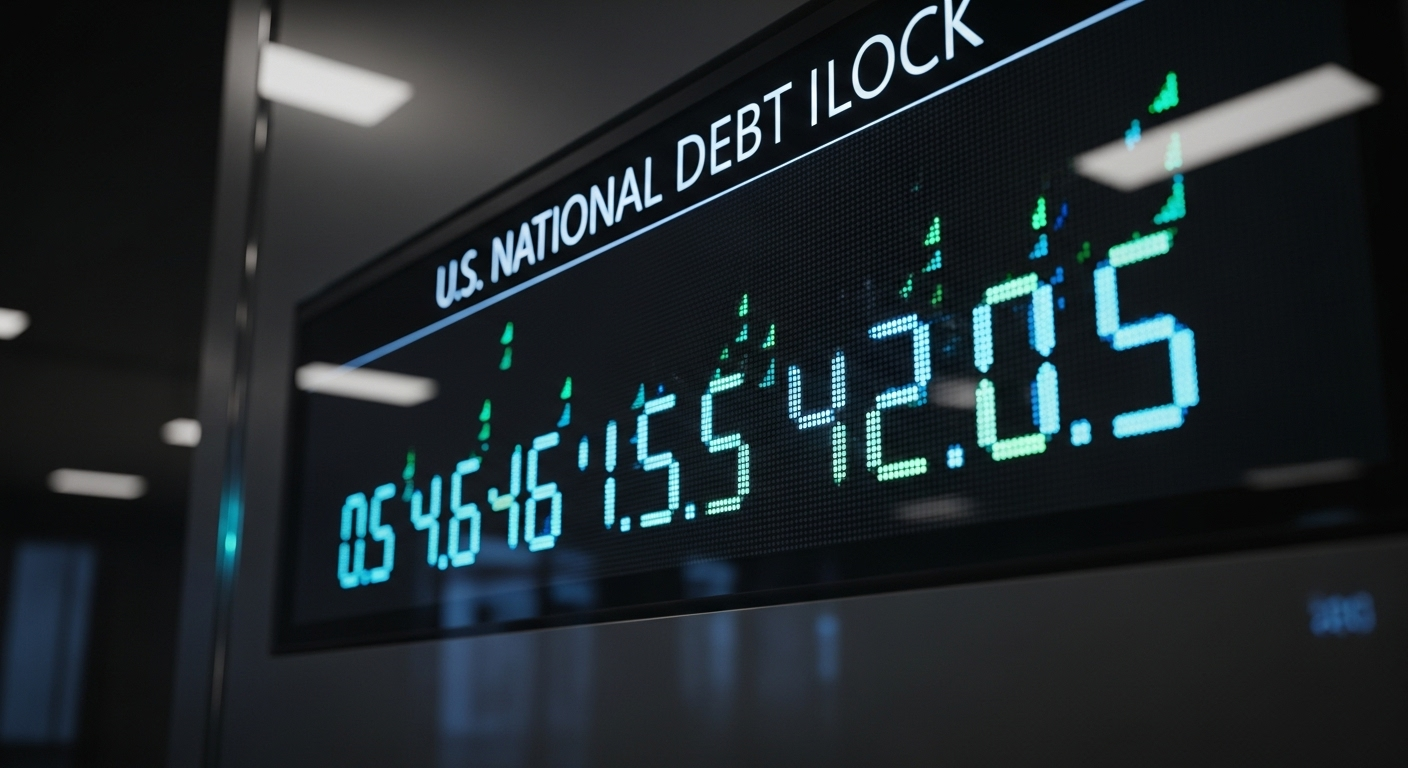
This is an intensified version of the Triffin Dilemma. For a reserve currency issuer to supply global liquidity, it must run deficits. But if that debt becomes too large, trust in the currency can crumble. If global investors start questioning, “Can the U.S. repay that debt?”, a runaway dollar sell-off could occur.
Crossing the Rubicon: The Dollar Becomes a Weapon
In February 2022, when Russia invaded Ukraine, the U.S. and its allies froze about $300 billion of the Russian central bank’s foreign reserves. This was an unprecedented move to tie up a major power’s assets.
This action sent shockwaves globally. Everyone realized that U.S. Treasury bonds, considered the safest asset, were actually exposed to geopolitical risk. This event fueled discussions about “de-dollarization.” For countries like China, which have friction with the U.S., it became clear that their dollar assets could become worthless overnight. The dollar system was revealed not as a neutral infrastructure, but as a tool of Western power. Finding alternatives was no longer a choice but a survival imperative.
Part 3: The Shape of a New Order (Future)
So, what does the future hold? This section will look at the forces challenging the dollar’s dominance and how new technologies will change the landscape.
The Yuan and BRICS: Will Their Dreams Come True?
The recently expanded BRICS countries are major forces challenging the dollar. However, their real goal is less about replacing the dollar and more about “sanction-proofing.” They aim to create a “financial lifeboat” to survive financial sanctions, like Russia experienced.
Reality is tough. While China’s Yuan international payment system (CIPS) is growing, most transactions still rely on SWIFT. The Yuan itself faces limitations like capital controls and low financial market trust. Becoming a reserve currency isn’t just about economic power.
| Indicator | U.S. (USD) | Eurozone (EUR) | China (CNY) |
|---|---|---|---|
| Global GDP Share (PPP) | 15.5% | 11.2% | 18.5% |
| Global Trade Share | 10.4% | 14.7% (offshore) | 15.0% |
| Foreign Exchange Reserve Share | 58.9% | 20.1% | 2.6% |
| Forex Market Share | 88% | 31% | 7% |
| Government Bond Market Size | ~ $27 trillion | ~ $15 trillion | ~ $21 trillion |
| Capital Account Openness | Fully open | Fully open | Partially controlled |
| Rule of Law/Investor Protection | Very High | High | Medium-Low |
Technology’s Counterattack: CBDCs and the “Digital Eurodollar”

The biggest topic for central banks worldwide is undoubtedly Central Bank Digital Currencies (CBDCs). “Project mBridge,” involving countries like China, has shown the possibility of cross-border remittances without going through the dollar.
Meanwhile, private stablecoins (USDT, USDC) linked to the dollar are growing rapidly. Interestingly, the U.S. is bringing them into the regulatory framework, encouraging issuers to hold U.S. Treasury bonds as collateral. As the stablecoin market grows, demand for U.S. Treasuries also increases. This is a clever strategy using a potential threat as a pillar to strengthen dollar dominance. Just as “Eurodollars” did in the past, perhaps “Digital Eurodollars” on the blockchain will become the pillar supporting the 21st-century dollar empire.
The Greatest Threat Lies Within: The Shadow of Protectionism
Perhaps the biggest short-term threat to the dollar is the U.S. itself. What if the U.S. adopts extreme protectionist policies? The foundation of the dollar system is free trade and capital flow. Undermining this foundation would weaken the dollar’s status.
The Eternal Safe Haven: Gold’s Return
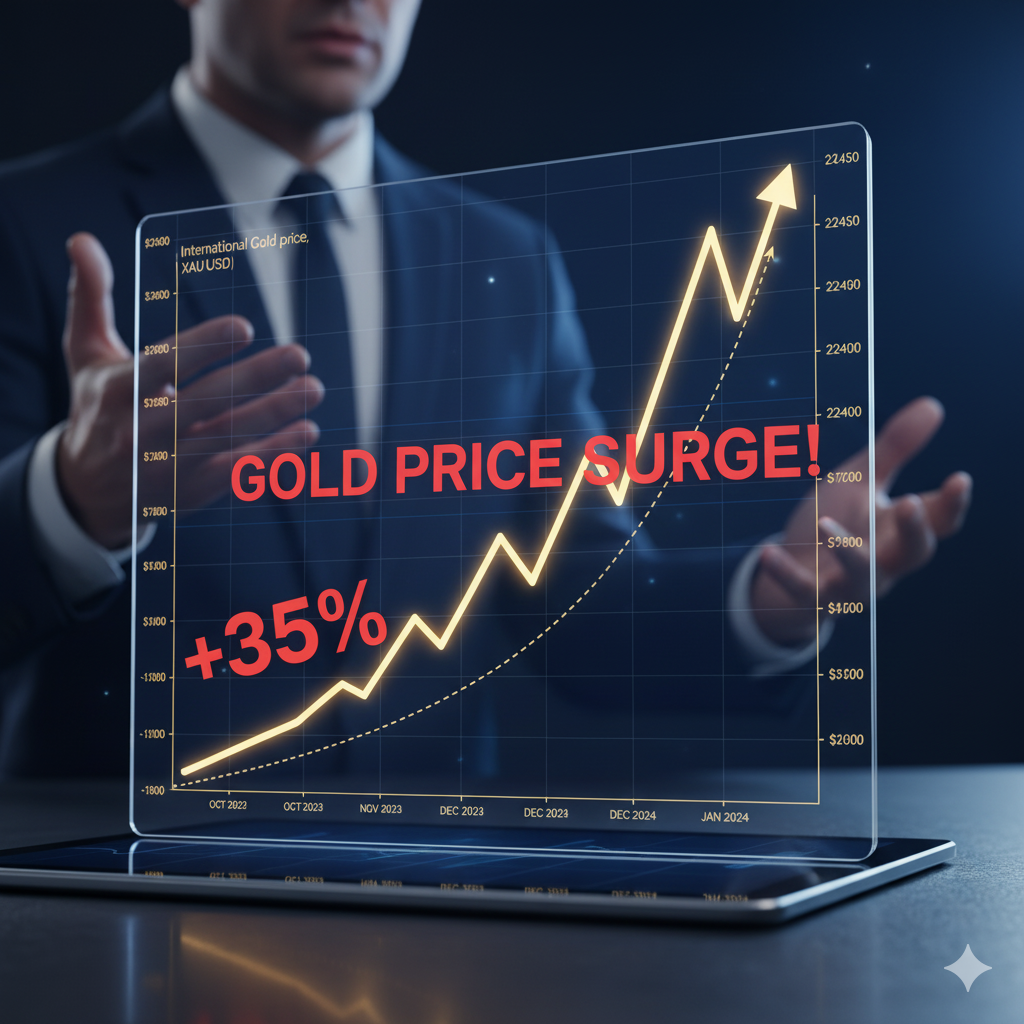
| Year | Net Central Bank Purchases (tons) | Major Buyers |
|---|---|---|
| 2022 | 1,082 | Turkey, China, Egypt, Qatar, Iraq |
| 2023 | 1,037 | China, Poland, Singapore, Libya, Czech Republic |
| Q1 2024 | 290 | Turkey, China, India, Kazakhstan |
Conclusion: The End of the Unipolar Era, and What Comes After
In conclusion, it seems unlikely that a single currency will replace the dollar in the near future, due to the overwhelming scale and liquidity of the U.S. Treasury market and the power of the “network effect.”
However, the era of unquestioned dollar “unipolar hegemony” is over. Its “exorbitant privilege” is slowly being eroded. Internal debt problems, external challenges from China and geopolitical rivalries, plus technological innovation – systemic fatigue is accumulating everywhere.
The future is likely not a world without dollars, but a “multipolar currency environment” with more fragmentation and competing powers. Long-term, it will move towards “Gradual Multipolarity.” The dollar won’t collapse suddenly, but the global economy will shift to a “hybrid system” where other currencies like the Euro and Yuan share roles, following the trend of economic division into multiple centers.
Of course, the dollar will remain the most important currency, as the “first among equals.” But it’s no longer alone. It will have to coexist and compete with regional blocs led by the Yuan and Euro, new digital currencies, and traditional safe assets like gold. This new system will be far more complex, and perhaps less stable. A time is coming that demands fundamental revisions to our economic strategies. The era of the seemingly eternal dollar empire is ending, and a new era of uncertainty and opportunity is dawning.
References
- Eichengreen, Barry. Exorbitant Privilege: The Rise and Fall of the Dollar and the Future of the International Monetary System. Oxford University Press, 2011.
- Prasad, Eswar S. The Dollar Trap: How the U.S. Dollar Tightened Its Grip on Global Finance. Princeton University Press, 2014.
- International Monetary Fund (IMF). Currency Composition of Official Foreign Exchange Reserves (COFR).
- Bank for International Settlements (BIS). Triennial Central Bank Survey of Foreign Exchange and Over-the-counter (OTC) Derivatives Markets.
- World Gold Council. Gold Demand Trends Reports.
- Penn Wharton Budget Model (PWBM). The Economic Effects of President Trump’s Tariffs. 2024.
- “Why White, Not Keynes? Inventing the Postwar International Monetary System” - IMF Working Paper
- “Project mBridge: experimenting with a multi-CBDC platform for cross-border payments” - BIS