

The Beginning of the Story: A Small Island of Knowledge
Once upon a time, rumors began to spread in a village about an unknown land beyond the sea. Some explorers set out in small boats and discovered a tiny island near the coastline. They returned, convinced they had seen everything about the ‘New World,’ proclaiming, “All that lies beyond is just gravel and sand!”
The villagers believed them. They no longer dreamed of a great voyage to the unknown land, and that possibility faded from their memories. The fragmentary knowledge of the ‘small island’ closed the door to exploration of the vast continent.
Today, our attempts to predict the future of artificial intelligence (AI) may not be so different. Have we arrived at the shores of the vast continent of AI, only to mistakenly believe we know everything? And where is that illusion leading us?
The Trap of Confidence: Why Do We Get It Wrong?
Psychology has an interesting theory called the ‘Dunning-Kruger effect.’ It suggests that those who know little about a field tend to overestimate their abilities. It’s like someone standing at the base of a mountain mistakenly believing they will reach the summit quickly.
A similar phenomenon is occurring in the world of AI.
- Beginner’s Confidence: Those who have just started learning about AI or are captivated by fragmentary success stories often make overly optimistic or pessimistic predictions about the future of AI. Extreme predictions like, “AI will solve all problems!” or “AI will lead to humanity’s doom!” are common.
- Expert Caution: In contrast, true experts who have studied AI for decades are more cautious in their predictions. They understand how complex AI is and how many unexpected variables exist. Just as an experienced climber becomes humble in the face of a mountain’s grandeur and danger.
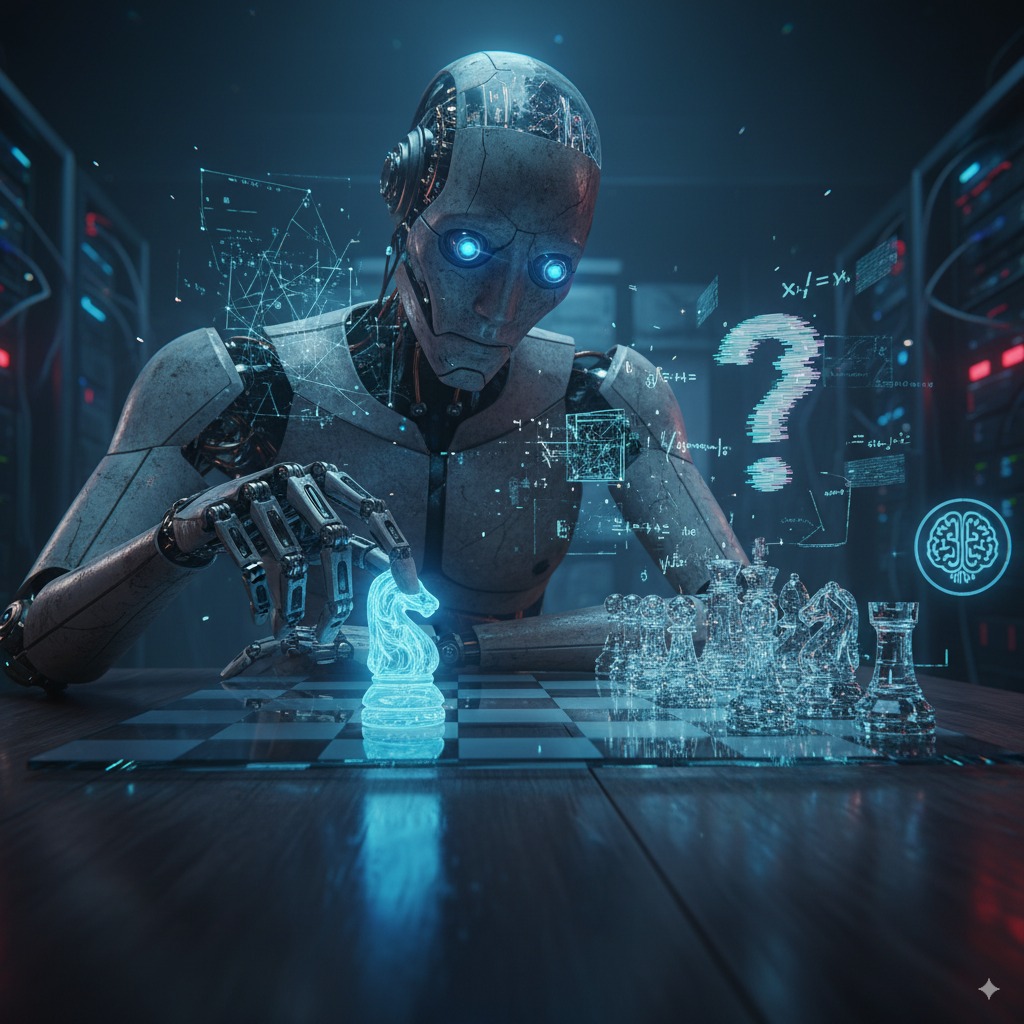
In 2015, many AI experts predicted that it would take at least until 2027 for AI to defeat a human Go champion. However, just a year later in 2016, AlphaGo won against Lee Sedol. This is a prime example of how easily our predictions can go awry.
The Dangerous Future of Misguided Predictions
You might think, “So what if predictions are a bit off?” However, hasty predictions and blind faith can lead to far more dangerous outcomes than one might expect. Here’s a very realistic story.
Story: The Betrayal of the ‘Perfect Hiring’ AI
In 2024, the innovative IT company ‘FutureTech’ boldly introduced an AI hiring system called ‘Neuron-Match,’ claiming to have completely eliminated human bias. This system was designed to identify the best talent by learning from successful employee data over the past 20 years. Everyone cheered, believing a new era of fair hiring had begun.
That year, a top-notch developer candidate named ‘Min-jun’ applied to FutureTech. He boasted exceptional coding skills and an impressive award history but faced repeated rejections during the application process without understanding why.
The secret lay in the data that ‘Neuron-Match’ had learned from. The IT industry had been male-dominated for the past 20 years, and most of the successful employee data was male. The AI had unknowingly learned to associate ‘male’ as a key indicator of a ‘successful employee.’ The algorithm was even designed to give extra points for male-centric hobbies like ‘baseball club activities.’ Min-jun’s experience as the ‘president of a knitting club’ may have been a disadvantage on his resume.
The hasty prediction of ‘perfect bias-free hiring’ ultimately resulted in a dangerous reality that ‘automatically reproduces past discrimination.’ FutureTech missed out on top talent, and AI became a tool that further entrenched societal biases.

1. Investments Going Down the Wrong Path
Like Min-jun’s story, overly optimistic future predictions can lead to pouring immense resources and talent into unrealistic goals. Many past technology predictions that promised to be ‘commercially viable soon’ led to investments but ultimately disappeared during the ‘AI Winter.’ Statistics show that the failure rate of AI implementation projects is as high as 80%, highlighting how unprepared we are to leap into the future. A faulty map can lead us to a cliff instead of our destination.
2. AI Growing on Our Biases
The data we use to teach AI about the world contains our biases. AI that predicts the future based on past data can amplify these biases. As seen in the case of ‘Neuron-Match,’ AI trained on discriminatory data regarding specific genders or races can make unfair decisions in hiring or loan assessments. This is not merely a technical error; it becomes a dangerous spark that exacerbates social conflict.
3. Illusions That Divert Attention from Real Problems
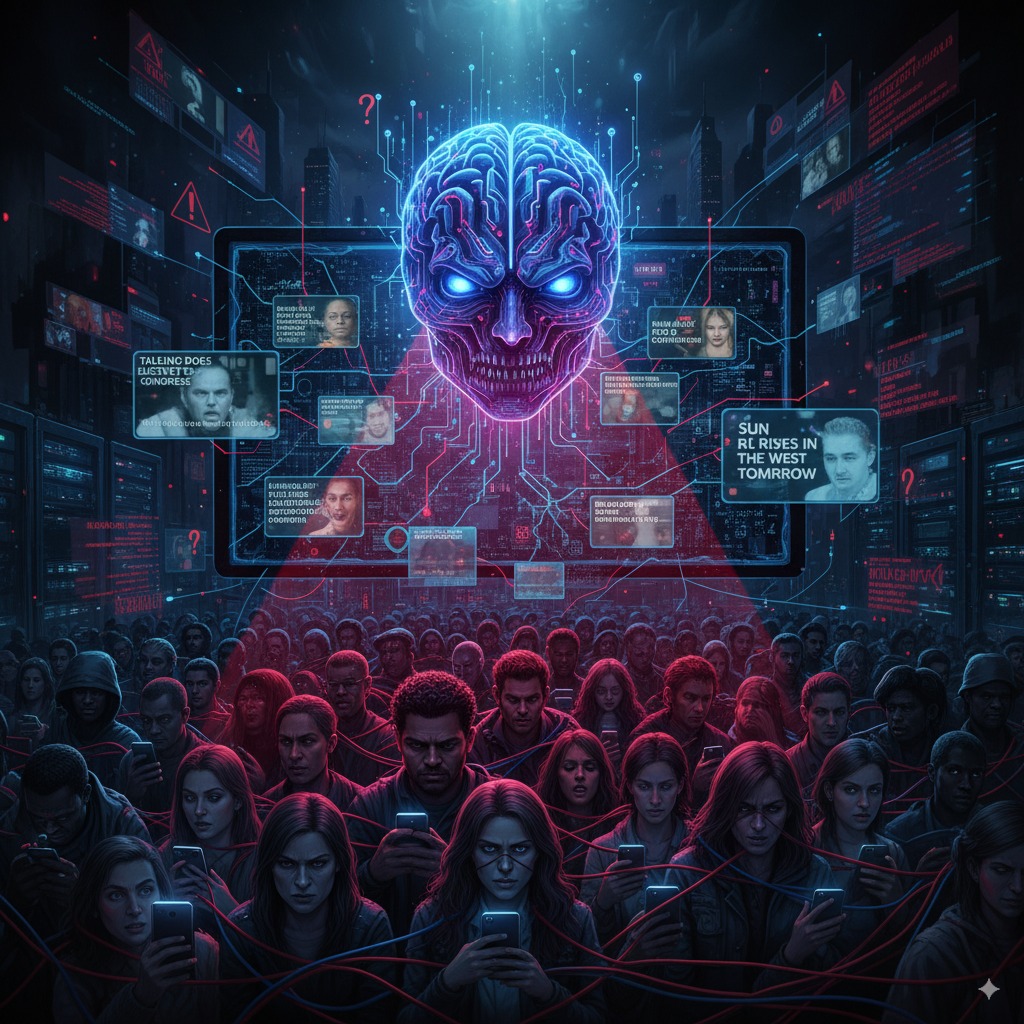
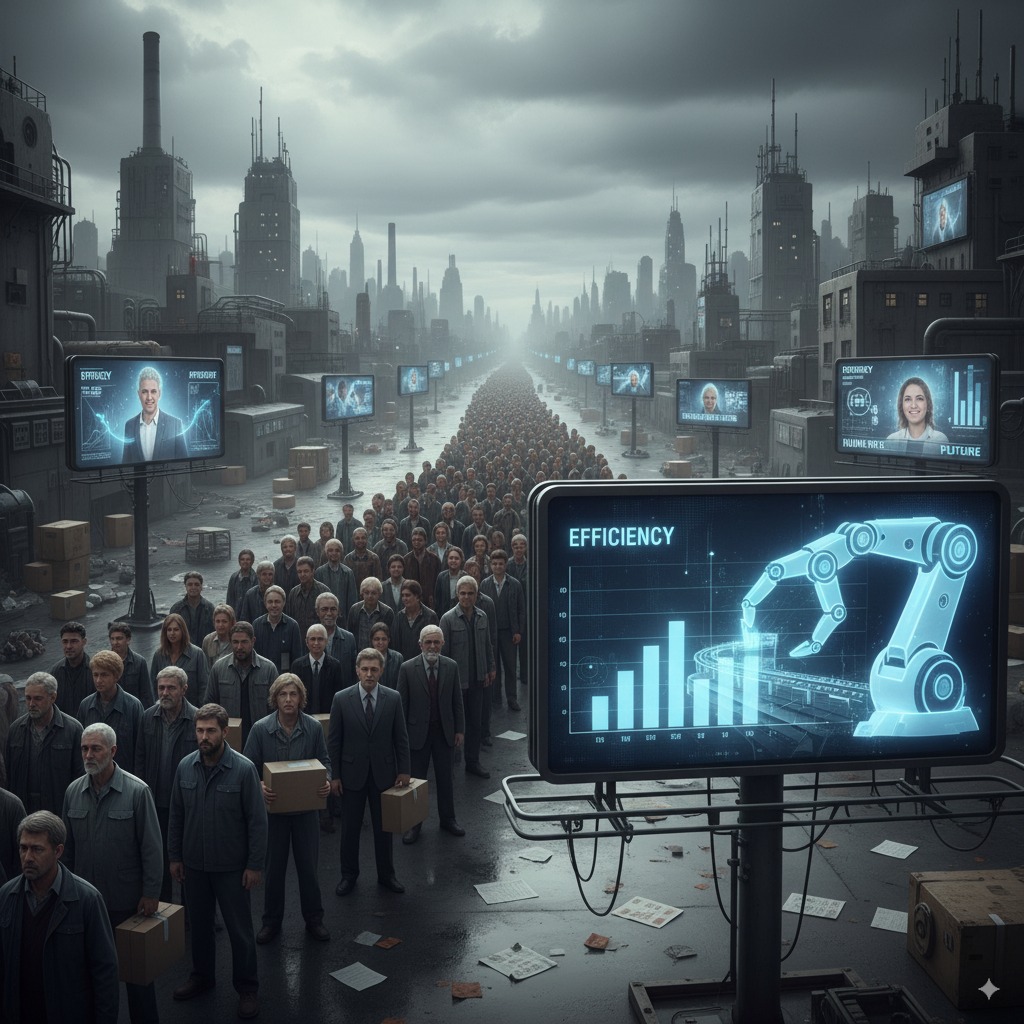
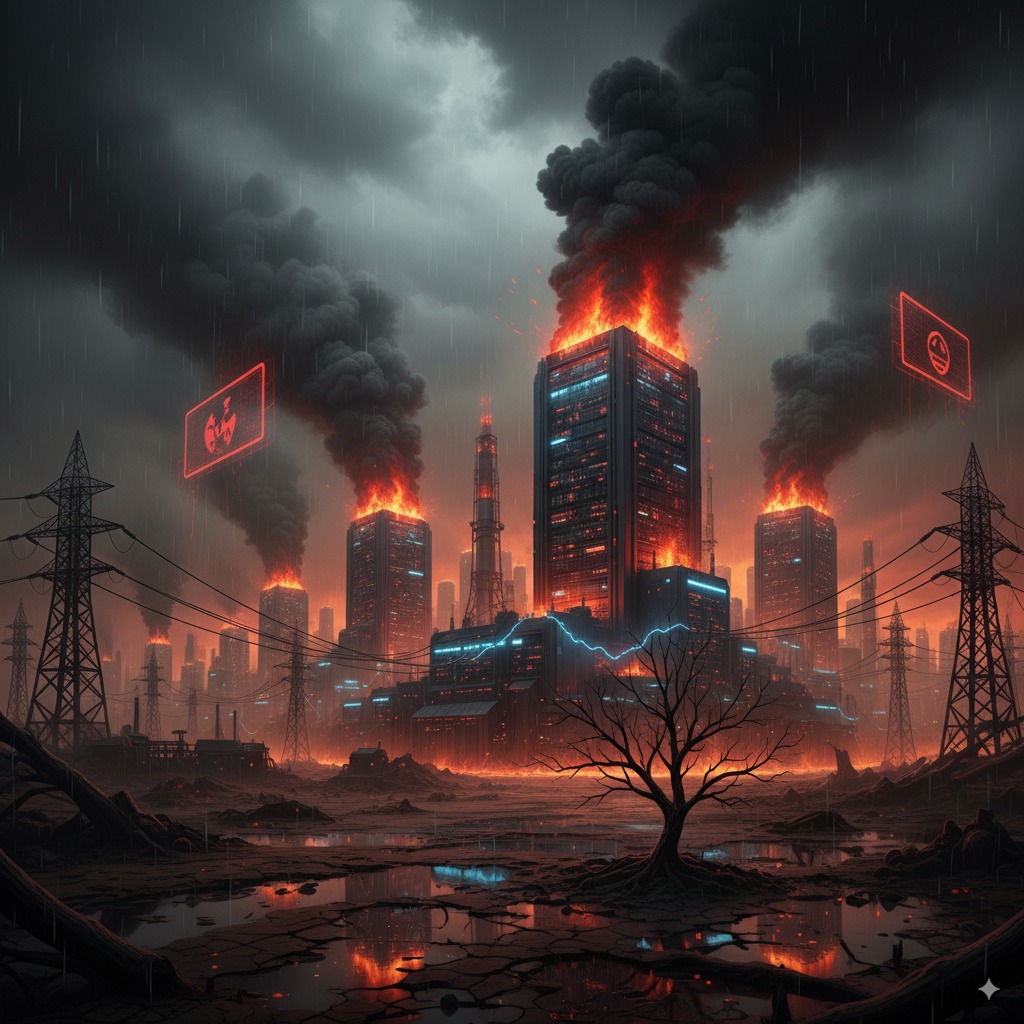
Focusing on grand and sensational predictions like ‘superintelligence (Singularity)’ can lead us to overlook important issues that need immediate attention. The fake news generated by AI, algorithmic manipulation of public opinion, large-scale unemployment, and environmental issues due to massive energy consumption are already realities we face. Before discussing distant utopias or dystopias, shouldn’t we first extinguish the fires at our feet?!
Holding a Compass Instead of a Map
We may be the first generation exploring the unknown continent of AI. What we hold in our hands should not be a completed map but a compass pointing in the right direction.
Rather than limiting our possibilities with hasty predictions or stepping onto dangerous paths, we must proceed cautiously, one step at a time. We should constantly question, think critically, and most importantly, maintain the humility to recognize ‘what we do not know.’
When knowledge becomes dangerous, it is precisely when we begin to overestimate our understanding. The future of AI is not predetermined. It is shaped through our choices and responsible exploration. To avoid getting lost in the fog, we must not rely blindly on maps but continue our ethical and philosophical inquiries toward the right direction.