
An in-depth analysis of the global phenomenon of tourism tax introduction and the underlying climate crisis, overtourism, and sustainable travel.
- Understand the background of why major tourist destinations around the world are implementing tourism taxes.
- Analyze the practical impacts of tourism taxes on travelers, the tourism industry, and local residents.
- Reflect on the future of sustainable travel and our role as travelers.
The Flow of Travel Changes
Imagine this: After a long flight, you finally land at Bali’s Ngurah Rai International Airport. The humid yet pleasant air envelops you. As you pass through customs, you try to head down the familiar path, but an employee guides you to an unfamiliar counter. There, you learn that you need to pay a small fee under the name ‘Bali Levy.’ This small but bewildering moment is not just an additional administrative procedure. It is a signal that the paradigm of global travel is changing.
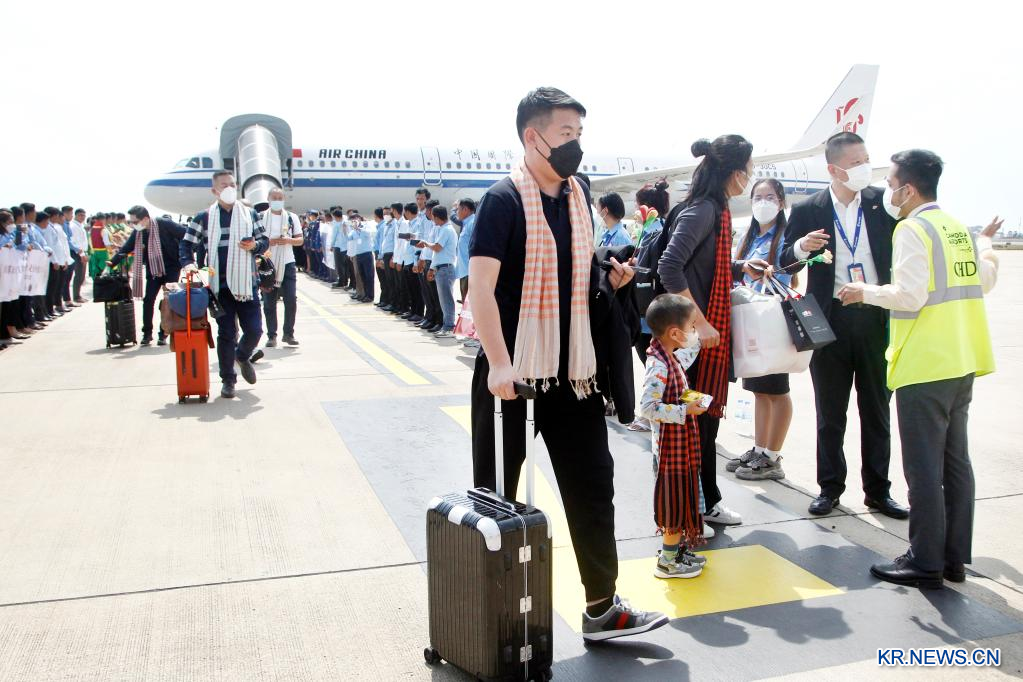
This change is not happening only in Bali. Similar situations are occurring in the Maldives, where shimmering atoll islands face existential threats from rising sea levels, and in Hawaii, where the ashes of wildfires fueled by climate change have yet to clear. Venice’s crowded canals are also trying to secure breathing space from the overwhelming number of tourists. This phenomenon is a direct symptom of the Anthropocene era, where human activities, particularly mass tourism, have become a geological force that overwhelms nature itself. The human footprint has become so deep that paradise is now beginning to present us with a bill to protect itself.
This report will guide you deep into this new trend. We will explore the fundamental issues behind why dream vacation spots have begun to adopt seemingly anti-tourist policies and examine in detail how these taxes, referred to as ‘climate taxes’ or ’environmental taxes,’ actually work. We will delve into the heated and sometimes contradictory debates surrounding these taxes among tourists, the tourism industry, local residents, and environmental groups to gauge their true impact and effects. Now, let us embark on a journey surrounding the cost of paradise.
Part 1: The Paradox of Paradise – Why Dream Destinations Are Fighting Back
This chapter dissects the ‘reasons’ for the rise of climate taxes and tourism taxes and establishes the core issues they aim to address.
Chapter 1: The Problem of Abundance – The Hidden Costs of Overtourism
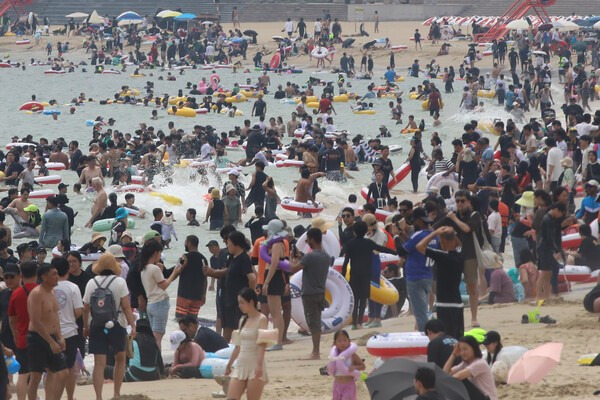
We must define ‘Overtourism’ not merely as a state of overcrowding, but as a systemic crisis where the negative impacts of tourism begin to outweigh the positive effects. This concept serves as the most fundamental background for the introduction of tourism taxes.
Physical Burden
Concrete examples clearly show the burden tourism places on local infrastructure.
- Waste and Pollution: Jeju Island in South Korea has sparked discussions about introducing an environmental tax due to overflowing landfills and sewage treatment facilities overwhelmed by the surge in tourists. This situation is similar to that of Bali, where one of the main goals of the Bali tourism tax is to address severe plastic pollution and waste management issues. The household waste, sewage, air pollution, and traffic congestion caused by tourists impose invisible costs on local communities.
- Infrastructure Overload: Public services not designed for millions of ’temporary residents’ reach their limits. Traffic congestion, water shortages, and wear on public facilities are common side effects of overtourism. In places like Mallorca, Spain, the conversion of residential buildings into short-term rental accommodations has led to a housing crisis, diminishing the quality of life for local residents and causing housing prices to skyrocket.
The ‘Freeloading’ Debate
For decades, the tourism industry has profited from public goods such as beaches, parks, streets, and cultural heritage without directly paying for their maintenance, leading to the so-called freeloading debate. Tourists consume local public services, but the costs have primarily been borne by local taxpayers. Tourism taxes are seen as a means to correct this imbalance and ensure that the tourism industry contributes to the maintenance of the public spaces it utilizes.
Chapter 2: The Urgency of the Climate Crisis – Taxes for Survival
The most pressing driver behind the transformation of tourism taxes into ‘climate taxes’ or ‘green fees’ is climate change. These taxes have now become an urgent means to secure resources for survival against the climate crisis, beyond merely managing the side effects of tourism.
- Hawaii’s Wake-Up Call: The devastating wildfires that swept through Maui in 2023 served as a pivotal moment. The newly introduced ‘green fee’ is intended to fund the removal of flammable invasive species identified as causes of the fires and to enhance coastal resilience. The related legislation explicitly states that Hawaii is facing a “climate emergency,” making it clear that this tax is a direct response to that.
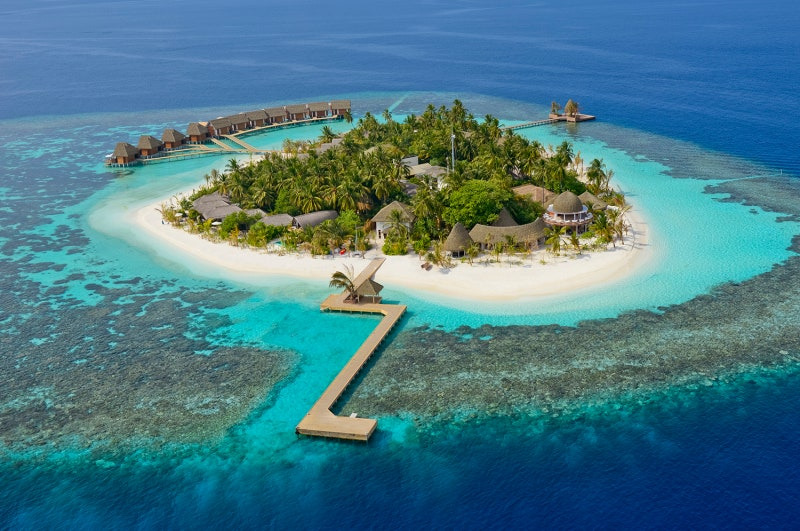
- The Maldives on the Frontlines: For the Maldives, one of the lowest-lying countries in the world, rising sea levels are not an abstract threat. The ‘green tax’ is a crucial funding source for the nation’s survival. This revenue is allocated to essential projects for climate change adaptation, such as coastal protection, securing water resources, and waste management.
These changes have fundamentally altered the purpose of the tax itself. Taxes are no longer merely for managing tourists but have become a defensive measure to protect local economies that heavily rely on tourism and are most vulnerable to climate change. Renaming ’tourism taxes’ to ‘climate taxes’ carries more than just a change in nomenclature. It adds moral and political weight to the policy, making opposition more difficult. Past discussions about tourism taxes focused on addressing localized issues like traffic congestion or noise. While functional, these arguments were emotionally neutral. However, defining the tax as a response to a ‘climate emergency,’ as seen in Hawaii, completely shifts the nature of the conversation. Tourists may resist a vague ’tourism tax’ as a financial burden, but it becomes much harder to oppose contributing a few dollars to protect local communities from devastating wildfires and to safeguard disappearing coastlines, especially when they recognize their carbon-intensive travel contributes to climate issues. This new framing elevates the tax from a mere fee to a form of ‘restorative justice’ or ‘sustainability contribution.’ It provides a strong ethical foundation for tax policies in tourist destinations like the Maldives and Hawaii, which are on the frontlines of climate change.
Chapter 3: Economic Logic – Who Should Pay the Cost of Paradise?
Clear economic principles underpin these taxes.
- Beneficiary Pays Principle: This principle argues that those who benefit from a service should bear its costs. Tourists directly benefit from the beautiful nature and well-maintained infrastructure of their destinations, so they should contribute to the maintenance costs.
- Polluter Pays Principle: This principle states that those who cause negative externalities, such as pollution or environmental destruction, should bear the costs of addressing them. Tourism activities are identified as direct causes of environmental burdens, making tourists ‘polluters’ in this context.
- Internalizing External Effects: Economically, these taxes are typical tools for ‘internalizing’ external costs. Before the tax was introduced, costs for waste disposal or coastal erosion recovery were ’external costs’ borne by local taxpayers or the environment itself. The tax serves to reallocate these costs back to the tourism activities that caused them.
Part 2: Postcards from the Brink – A Global Overview of Tourism Taxes
This chapter compares how various tourist destinations around the world are implementing taxes in diverse ways, highlighting the variety of approaches.
Case Study 1: Maldives – Green Tax for National Survival
- Mechanism: The Maldives operates a ‘green tax’ charged per person per night. Starting in 2025, resorts and hotels with more than 50 rooms will charge $12 per night, while small guesthouses will charge $6, adopting a tiered fee structure. This method directly links the tax burden to the length of stay and the type of accommodation.
- Flow of Funds: Collected taxes flow directly into the ‘Maldives Green Fund,’ established in 2019. An analysis of the fund’s expenditures shows a focus on building essential infrastructure to respond to climate change. Major expenditure items include water and sewage facilities, waste management, and coastal protection projects. For example, 19.3 million Maldivian Rufiyaa (MVR) was allocated for the water and sewage project on Maarandhoo Island in the HA Atoll, demonstrating how this fund connects to specific projects.
- Impact: The green tax is a significant revenue source for the Maldivian government. Annual collections exceed 1.1 billion Rufiyaa (approximately $70 million), playing a crucial role in generating resources to achieve the country’s ambitious climate goals and Nationally Determined Contributions (NDC) in a context where access to international climate finance is limited.
Case Study 2: Bali – Tourism Tax for Culture and Soul
- Mechanism: Starting February 14, 2024, all foreign tourists entering Bali will be charged a one-time 150,000 Rupiah (IDR, approximately $10) ‘Bali Levy.’ This tax can be paid online through the official website ‘Love Bali’ or at airport and port counters.
- Official Goal: To protect Bali’s culture, traditions, and natural environment.
- Real-World Issues:
- Confusion and Low Compliance Rates: Confusion has followed since the initial implementation of the system. Many tourists were unaware of the tax’s existence or payment methods, leading to long lines at the airport. More seriously, ‘scam sites’ impersonating the official website emerged, charging excessive fees and stealing personal information.
- Low Collection Rates: Initial data indicates that only about one-third of actual visitors paid the tax, raising serious questions about the system’s effectiveness and enforcement capabilities.
- Future Shock: The debate has already moved to the next stage. Proposals to increase the tax to $50, five times the current amount, under the guise of attracting ‘high-quality’ tourists have intensified the controversy.
Case Study 3: Hawaii – America’s First ‘Green Fee’ and Corporate Pushback
- Mechanism: Instead of a legally contentious ’entry tax,’ Hawaii opted for a clever legislative solution by raising the existing ‘Transient Accommodations Tax (TAT)’ rate by 0.75%, making the state share 11%. This bill (Act 096) will take effect on January 1, 2026. When combined with county taxes and general sales taxes, the total tax burden on tourists for hotel rooms will approach 19%, one of the highest in the U.S.
- War with the Cruise Industry: The most controversial aspect is the decision to apply this 11% accommodation tax to cruise ships for the first time. The cruise industry has expressed a strong willingness to litigate, claiming that this tax violates constitutional provisions such as the commerce clause, supremacy clause, and tonnage clause. Norwegian Cruise Line (NCL) argues that this tax could result in an additional cost of about $1,400 for a family of four.
- Justification for Implementation: This fee aims to generate approximately $100 million annually to create a climate resilience fund to address coastal erosion, wildfire risks, and other impacts of climate change.
Global Trends Snapshot – A Montage of Diverse Models
- Venice: Operates a dual system targeting both overnight tourists (€1~€5 per night) and day-trippers (€5 entrance fee on specific peak days).
- Bhutan: A pioneer of ‘High Value, Low Volume’ tourism. It mandates a ‘Sustainable Development Fee (SDF)’ of $100 per person per night, limiting tourist numbers and using the revenue for national development, including free healthcare and education.
- New Zealand: Introduced a $100 New Zealand Dollar (NZD) ‘International Visitor Levy (IVL)’ to be paid upfront when applying for a visa or electronic travel authorization (NZeTA). The fund is split evenly between environmental conservation and tourism infrastructure.
- Palau: Demonstrates the smoothest model. A $100 ‘Pristine Paradise Environmental Fee (PPEF)’ is integrated into the price of all international flight tickets, so tourists are often unaware they are paying the tax upon entry.
Comparison of Global Tourism and Climate Tax Status
| Destination | Tax Information (Name, Amount, Method) | Main Goals and Uses |
|---|---|---|
| Maldives | Green Tax $6~$12 per person per night (tiered) Collected by accommodation providers |
Maldives Green Fund (environmental protection, water and sewage, waste management) |
| Bali | Bali Levy One-time approximately $10 Paid online or upon arrival |
Protection of Bali’s culture and natural environment |
| Hawaii | Green Fee (Accommodation Tax Increase) 11% of accommodation/cruise fees Collected by accommodation/cruise companies |
Climate resilience, wildfire mitigation, environmental management |
| Venice | Entrance Fee/Tourism Tax Day trip €5 / Overnight €1~€5 Paid online/arrival or hotel |
Overtourism management, city maintenance |
| Bhutan | Sustainable Development Fee (SDF) $100 per person per night Paid when applying for a visa |
National development, environmental conservation, free healthcare/education |
| New Zealand | International Visitor Levy (IVL) One-time $100 NZD Paid when applying for visa/NZeTA |
Environmental conservation and tourism infrastructure |
| Palau | Pristine Paradise Environmental Fee (PPEF) One-time $100 Included in international flight tickets |
Environmental protection and conservation |
Part 3: The Great Debate – Are They Effective?
This chapter critically assesses the impact and effectiveness of these taxes from the perspective of all major stakeholders.
Chapter 4: The Tourist’s Wallet – Deterrent Effect or a Storm in a Teacup?
- Claims of Deterrent Effect: Studies suggest that taxes can negatively impact tourism demand. One study on the Maldives found that a 10% tax increase could reduce demand by 5.4%. A survey by the Wales Tourism Alliance indicated that 70% of potential visitors would consider traveling to another country if a tourism tax were imposed. This suggests a high price elasticity of tourism demand.
- Claims of Minimal Deterrent Effect: Conversely, there is evidence that for many international travelers, small fees are negligible. Barcelona, Spain, has seen a steady increase in tourist numbers despite the introduction of a tax. Venice’s day-trip entrance fee has been criticized for failing to reduce crowds. The argument is that adding $10 (Bali) or a few dollars per night (Maldives) to a long-distance trip costing thousands of dollars is unlikely to significantly influence destination choices.
- Decisive Factor: Transparency: Tourists’ willingness to pay (WTP) shows a strong correlation with how the tax revenue is used. Research indicates that WTP is highest when funds are clearly allocated to cultural heritage preservation or environmental protection, and lowest when the purpose is ambiguous. This is the key to securing tourist acceptance.
Chapter 5: The Tourism Industry’s Profit and Loss Statement – Fair Share or Unfair Burden?
- Opposition: There is fierce resistance from the tourism industry, particularly in some sectors.
- Cruise Wars (Hawaii): The cruise industry’s threat of constitutional litigation is a major point of conflict. They argue that this tax is discriminatory and illegal, warning that it could lead to cruise lines withdrawing from Hawaii, harming the local economy.
- Concerns from Hotels and Restaurants (Bali and Other Regions): The Bali Hotel and Restaurant Association (PHRI) strongly opposes tax increases on entertainment venues and spas, fearing a loss of price competitiveness compared to destinations like Thailand. A common concern in the industry is that to maintain attractive prices, businesses will ultimately absorb the tax, reducing profits.
- Pragmatic Perspective: A more nuanced view exists within the industry. Some leaders in Hawaii’s hotel sector recognize that environmental protection is essential for safeguarding their core business assets and support the fee. The World Travel and Tourism Council (WTTC) acknowledges the need for funding but urges that governments should view travelers as contributors to economic growth rather than mere sources of revenue.
Chapter 6: The Local Verdict – Salvation or Deception?
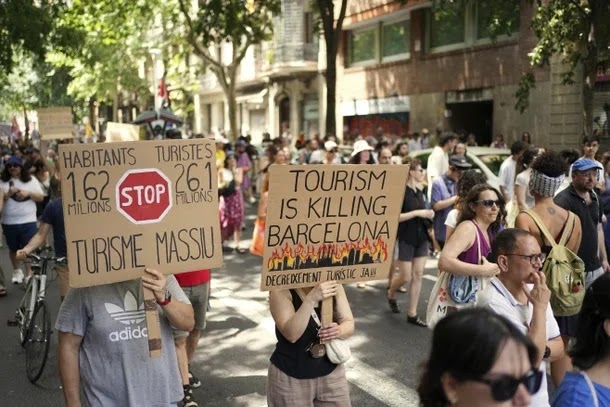
- Expectations: Initially, local residents who feel the negative impacts of tourism most acutely often support these taxes. The idea of having visitors contribute to solving the problems they create is appealing.
- Frustration and Skepticism: This is the most critical aspect of the debate. The success of the tax hinges more on governance and trust than on economic effects. The key variable is not the amount of the tax but the ’legitimacy’ of its use.
- The economic debate over whether small taxes deter tourists remains unresolved. Some studies show demand decreases, while real-world examples demonstrate tourism continues to thrive. This suggests that the economic impact on visitor numbers is not the main determinant of success.
- The most intense and emotional reactions come from local communities. Their support is based not on economic models but on real-life experiences. Are the streets cleaner? Is it easier to find housing? Do they feel their culture is being protected?
- The first tax failure and the relative success of the second tax in Spain’s Balearic Islands perfectly illustrate this. The second tax succeeded because of a transparent website that clearly showed where the money was going. This built trust.
- Therefore, the core challenge is not to design the perfect tax rate but to create a transparent and accountable governance system around tax revenues. Without this, taxes will be perceived by both locals and tourists as another form of government ‘cash grab,’ leading to protests (Venice), frustration (Bali), and lawsuits from the industry (Hawaii). Taxes become a symbol of government failure rather than a sustainable solution.
- Venice Protests: Residents vehemently protested the entrance fee, claiming it turned their homes into a “theme park” and imposed a “medieval tax.” They argue that this fee fails to address fundamental issues like the lack of affordable housing or the flood of short-term rental accommodations.
- Trust Crisis in Bali: In Bali, frustration is growing as tourism tax revenues fail to create visible change. Locals complain that trash still piles up and infrastructure remains outdated, believing the tax money disappears into bureaucratic budgets or corrupt pockets. This undermines the ‘social contract’ of the tax.
- Distrust in Hawaii: In Hawaii, deep-rooted skepticism about the government’s ability to manage large funds, stemming from past failures like the Honolulu rail project, exists. Residents worry that the money collected from the ‘green fee’ will be mismanaged.
Conclusion: The Future of Travel – Redefining Our Footprint
Tourism taxes or climate taxes are not a panacea for the enormous issues of overtourism and climate change. They are complex and often clumsy tools, but increasingly necessary. The primary function of these taxes has proven to be not demand management but securing resources for climate change response and environmental restoration.
The emergence of these taxes signifies a fundamental paradigm shift. The era of ‘freeloading’ tourism, where paradise was enjoyed without responsibility, is coming to an end. This trend prompts uncomfortable but necessary questions about the true cost of global mobility.
The success of this model hinges on several key factors:
- Thorough Transparency: Governments must clearly show where every dollar of tax revenue is spent, how it is used, and what outcomes are achieved.
- Meaningful Community Engagement: Local residents must be at the center of planning, feeling tangible benefits in their daily lives.
- Holistic Policy: Taxes should be part of a broader strategy that includes visitor number limits, short-term rental regulations, and investments in green infrastructure.
This report aims to return once more to the individual traveler’s experience. The next time we are asked to pay a few extra dollars to enjoy a piece of paradise, the question we should ask is not “Why should I pay?” but rather “Where is my money going, and is it truly helping to preserve this place I have come to love?” This act of payment should transcend mere cost burden, becoming a small but meaningful act of ‘participation’ in investing in the future of the places we cherish.