1. A Ray of Light: The Birth of a Miracle Drug
The story begins with a somewhat unfamiliar hormone called ‘GLP-1’. Originally, it was a good worker in our bodies that regulated blood sugar and conveyed a sense of fullness to the brain. Denmark’s proud pharmaceutical company, Novo Nordisk, focused on the potential of GLP-1. They discovered that a substance being developed as a diabetes treatment also had excellent effects on weight loss.
After numerous studies, Novo Nordisk developed a modified ingredient called ‘semaglutide’ that maximized the effects of GLP-1 and allowed it to stay in the body longer. This was the heart of the diabetes treatment ‘Ozempic’ and the new history of obesity treatment written by ‘Wegovy’. The emergence of ‘Wegovy’ was like a ray of light for humanity, which had long struggled in the war against obesity without effective solutions.

2. A Global Sensation: The Era of the ‘Weight Loss Injection’
In 2021, Wegovy received approval from the U.S. FDA and quickly swept across the globe. With the nickname ‘miracle diet injection’, Hollywood stars and celebrities began to testify to its effects. Clinical results showing an average weight loss of 15% with just one injection per week provided hope to countless people suffering from obesity, leading to explosive demand.
As demand far exceeded supply, a ‘Wegovy shortage’ occurred worldwide. People crossed borders to obtain the drug, and Novo Nordisk’s stock price soared to new heights. In Denmark, the market capitalization of Novo Nordisk even surpassed the entire country’s GDP, showcasing its status as a true ’national company’.
3. The Dark Side of the Light: Confirmed Side Effects and Inevitable Yo-Yo Effect
However, behind the dazzling success was a price to pay. Side effects, initially considered mild discomfort, began to raise users’ anxiety as they were revealed through actual research data.
# Research on Wegovy’s Side Effects
The most representative study proving Wegovy’s effects, the STEP (Semaglutide Treatment Effect in People with Obesity) clinical trial, clearly reported side effects. A significant number of participants experienced gastrointestinal side effects such as nausea (44%), diarrhea (30%), vomiting (24%), and constipation (24%). This was an unavoidable aspect due to the drug’s principle of slowing down gastrointestinal motility.
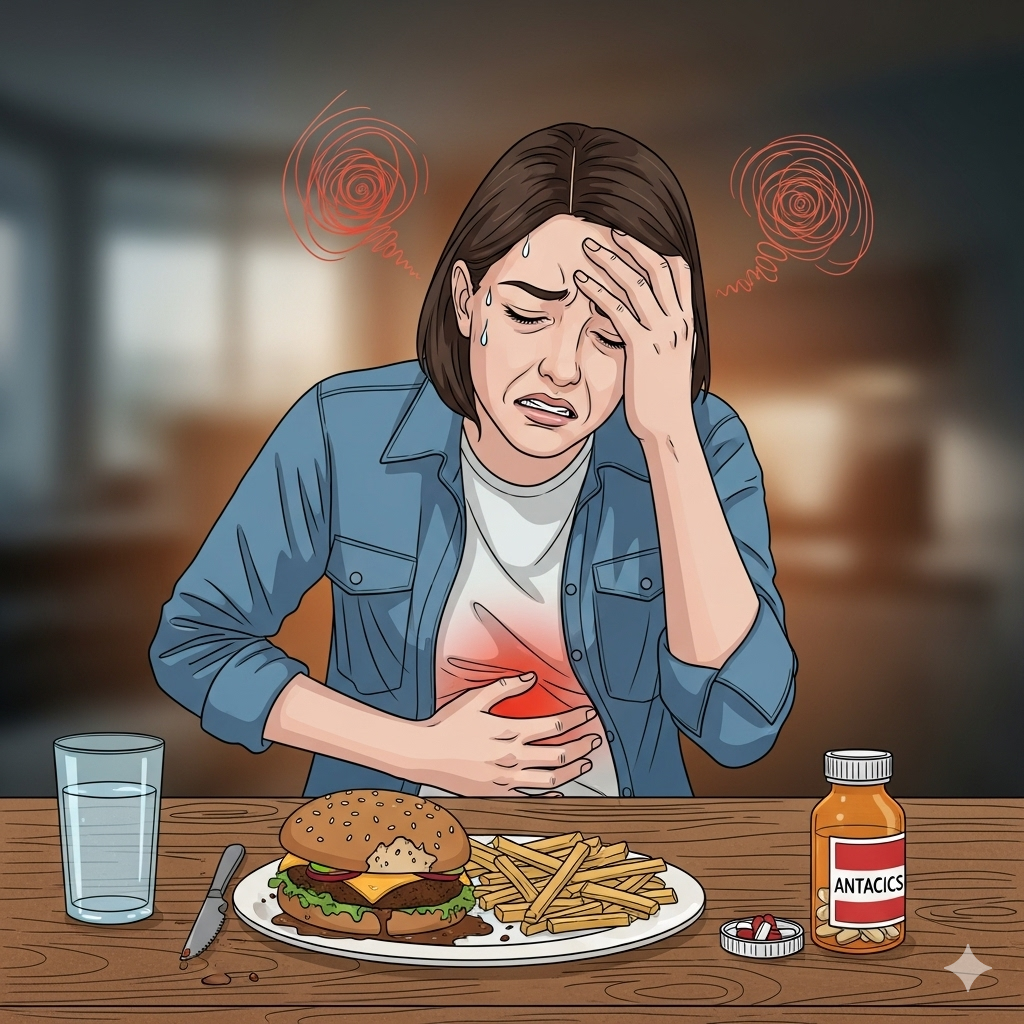
Furthermore, a study published in the medical journal ‘JAMA’ raised the possibility that GLP-1 class drugs like Wegovy could increase the risk of serious diseases such as pancreatitis, gallbladder disease, and bowel obstruction. Although the occurrence rate is low, the fact that it can be fatal once it occurs is a warning that cannot be taken lightly. Additionally, rodent studies reported an increased risk of medullary thyroid carcinoma, leading to a ‘black box warning’ on the product, and the issue of losing not only fat but also muscle during weight loss was also pointed out as a significant side effect.
# The Fear of Yo-Yo Effect When Stopping the Drug
An even more fundamental problem arose when the drug was discontinued. Wegovy does not cure the ‘disease’ of obesity; rather, it is more like a drug that controls the ‘symptoms’ while its effects last. The appetite and bodily systems that were forcibly suppressed by the drug return to their original state, or even beyond, the moment the drug is stopped.
This phenomenon was clearly demonstrated in the extended study of the STEP 1 clinical trial. In this study, participants who stopped taking Wegovy regained more than two-thirds of the weight lost within a year. If someone lost 15 kg, they would gain back 10 kg in just one year. The suppressed appetite exploded, and the slowed gastrointestinal motility normalized, causing weight to return frighteningly to its original position. Ultimately, maintaining weight loss through Wegovy could mean needing to take the drug ‘for life’, which brought deep frustration along with economic and psychological burdens to many people.
4. The Rise of a Giant: Eli Lilly’s Counterattack
Just when it seemed that Novo Nordisk would hold the eternal throne, the American pharmaceutical giant Eli Lilly boldly challenged them. Eli Lilly’s developed drug ‘Mounjaro (Zepbound)’ was an evolved version of Wegovy. By targeting not only GLP-1 but also another hormone called GIP simultaneously, it proved an average weight loss effect of over 20%, surpassing Wegovy in clinical trials.
The emergence of a strong competitor quickly changed the market landscape. Consumer and investor interest began to shift towards Mounjaro, which showed superior effects. Moreover, Eli Lilly went a step further by accelerating the development of an oral obesity treatment (Orforglipron), tightening the noose around Novo Nordisk. This heralded the arrival of a ‘game changer’ that could attract many potential customers who were averse to injections.
5. A Shaky Kingdom: The Crisis of Denmark’s National Company
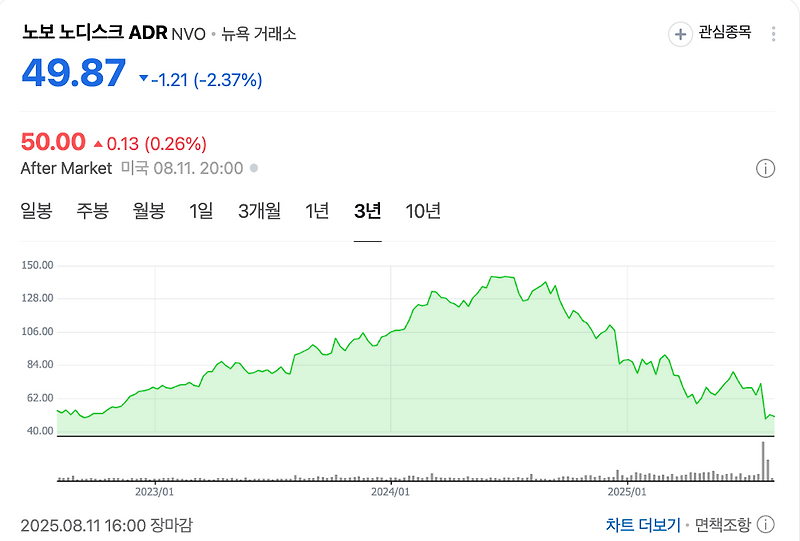
Ultimately, market concerns became a reality. In June 2024, Novo Nordisk’s stock price, which had peaked, began to plummet dramatically. With strong competition, clear limitations such as side effects and the yo-yo effect, and slower-than-expected market growth rates, the company’s earnings outlook for 2025 was downgraded, prompting investors to turn their backs without hesitation.
In just over a year, the stock price faced a more than 60% drop from its peak, confronting a massive crisis. This raised concerns that it could lead to a crisis for Denmark as a whole, which heavily depended on Novo Nordisk for a significant part of its economy. Once hailed as a ‘miracle drug’ that would save the world, Wegovy’s brilliant glory days have come to an end, and now Novo Nordisk is thrust into a desperate survival competition to maintain its throne.