
This article is preparatory work for writing additional content about South Korea’s indirect support to Ukraine through the U.S. military in the form of leased 155mm artillery shells during the recent Ukraine war. It first revisits the significance of this indirect support of 155mm artillery shells to Ukraine at the time.
K-Defense Industry Filled America’s ‘Empty Armory,’ Elevating the ROK-U.S. Alliance
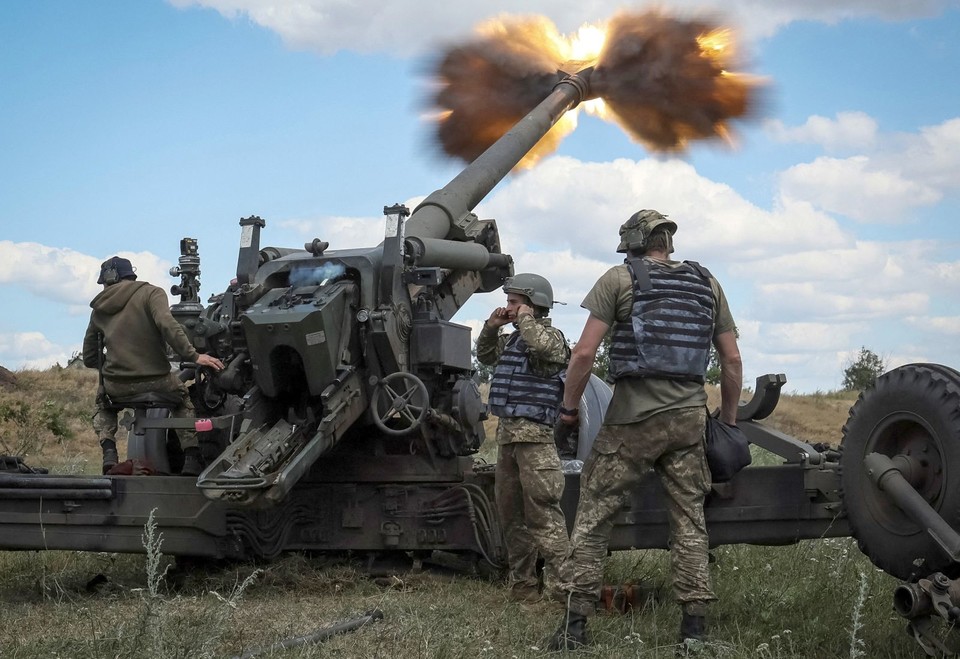
In 2022, the roar of cannons stole peace from Ukraine. But what if this war caused a butterfly effect that shook the very essence of the ROK-U.S. alliance, tens of thousands of miles away? This isn’t just a story of buying and selling weapons. It’s about the bare face of the world’s strongest power, America, with its ’empty armory,’ and the unexpected savior who resolved that crisis: the Republic of Korea. We delve into the thrilling behind-the-scenes story of how South Korea’s status was elevated from a nation that once ‘consumed’ security to a key ‘supplier’ resolving alliance crises.
Act 1: The Cannons Roared, But the Factories Fell Silent
The Ukraine war starkly demonstrated how brutally modern warfare consumes resources. Especially 155mm artillery shells, crucial for battlefield victory, were fired by the thousands daily, literally ‘poured out.’ To aid Ukraine, the U.S. supplied nearly 2 million shells, and the consequences were more severe than expected.
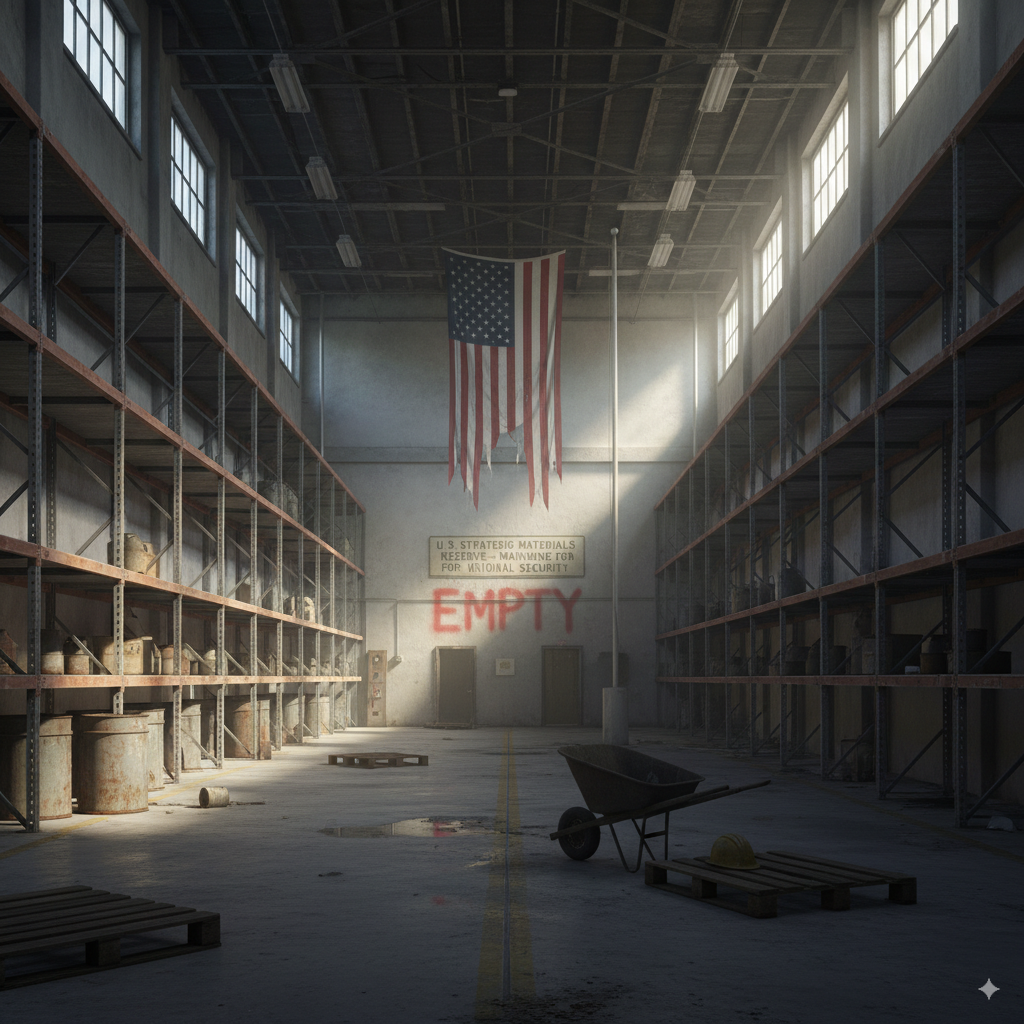
‘Uncomfortably Low Level’: America’s Warning Lights Flashed
By August 2022, an emergency was declared within the U.S. Department of Defense. Reports flooded in stating that 155mm artillery shell stockpiles had reached an “uncomfortably low level.” This wasn’t just a matter of material shortage. It represented a ‘strategic risk’ that if crises erupted simultaneously on the Korean Peninsula or in Taiwan, the U.S. might be unable to respond effectively. The world’s strongest military was suffering from a shortage of the most basic consumables.
Why Couldn’t the U.S. Produce More Shells?
How could this happen? The reason lies in the historical irony of the ’end of the Cold War.’ With the Cold War’s conclusion, the U.S. assessed the possibility of large-scale ground warfare as low and significantly scaled down production facilities for conventional weapons like artillery shells. Instead, it focused on advanced weapons such as missiles and drones. As a result, the U.S.’s monthly shell production just before the war was a mere 14,400 rounds – barely enough for Ukraine to expend in a few days. Even the factories for key raw materials like TNT were not located in the U.S. mainland.
Act 2: The Paradox of ‘K-Defense Industry’ Shines Amidst Crisis
As the U.S. and Europe wrung their hands, the solution lay in an unexpected place: the Republic of Korea.
The Threat from North Korea Fostered World-Leading Production Capacity
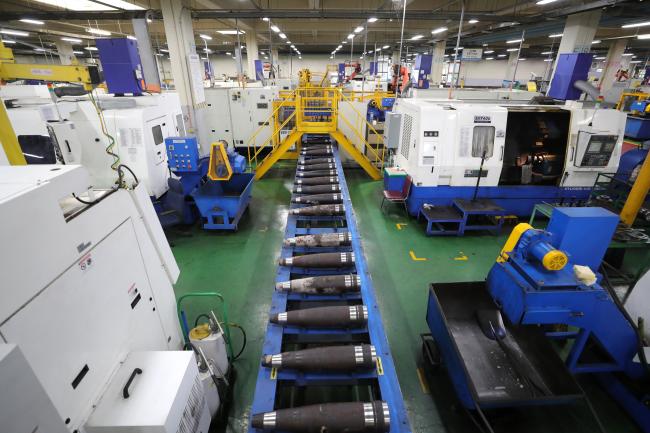
South Korea could not afford to consider ‘peace’ a luxury, even after the Cold War. The threat from North Korea, with thousands of long-range artillery pieces aimed across the Demilitarized Zone, has paradoxically served as a driving force to keep South Korea’s defense industry ‘hot.’ As a result, South Korea is now the world’s largest producer and stockpiler of 155mm artillery shells.
- Overwhelming Production Volume: Capable of producing over 200,000 rounds annually during peacetime, and up to 1.5 million rounds annually during wartime. This exceeds the combined current production of the U.S. and all of Europe.
- Speed and Quality: Thanks to its continuously operating production lines, immediate large-scale supply is possible. Furthermore, it perfectly adheres to NATO standards, ensuring top-tier quality and interoperability.
- Remarkable Cost-Effectiveness: Despite high quality, it also possesses price competitiveness, making it a key factor in elevating the status of K-defense industry in the global market.
Act 3: A Diplomatic Masterstroke of ‘Leasing,’ Not ‘Selling’
However, there was a significant obstacle. South Korea maintained a firm policy of ’not supplying lethal weapons to conflict zones.’ How could it assist in an alliance crisis while adhering to this principle? This is where the wisdom of the ROK-U.S. alliance shone.
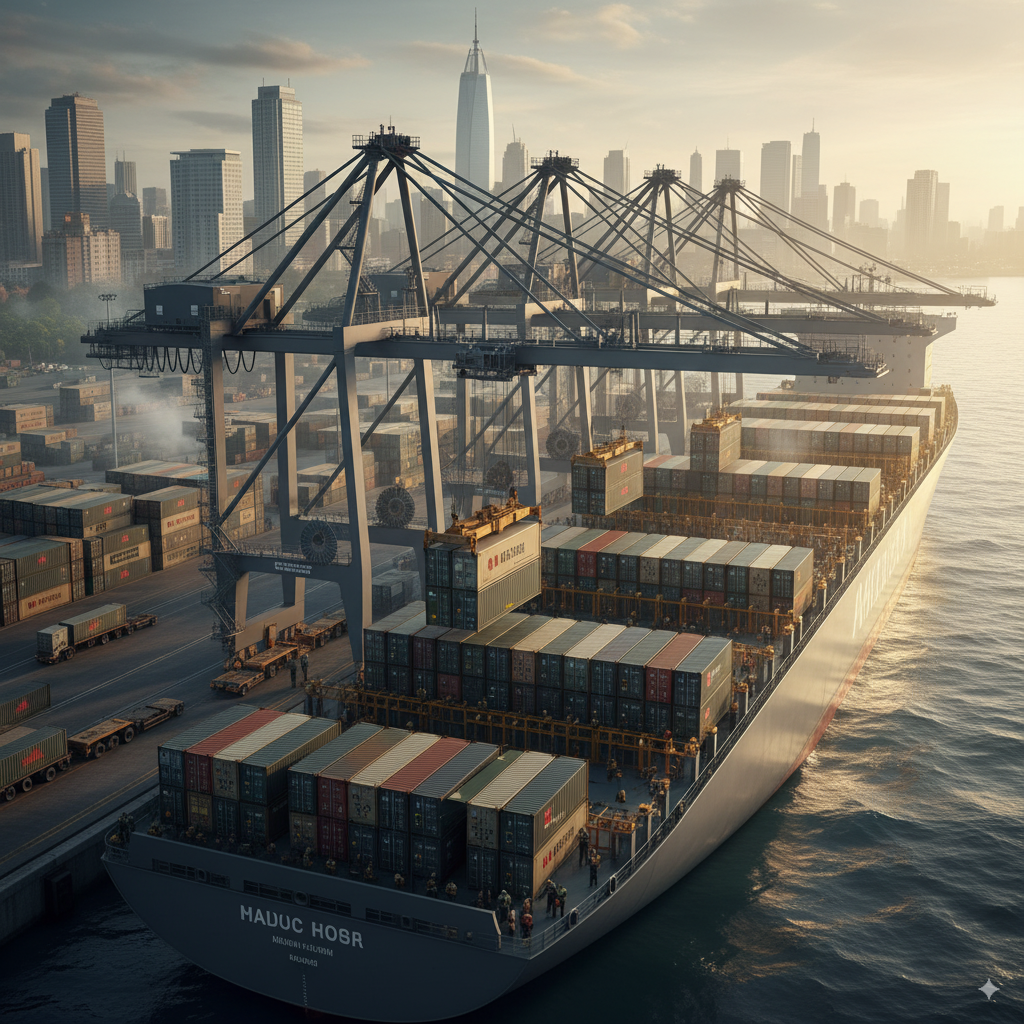
It chose an unprecedented approach: ‘Leasing,’ not ‘Selling.’
How Did It Work?
- South Korea ’leases’ 500,000 rounds of 155mm artillery shells to the U.S. military.
- The U.S. replenishes its own depleted armory with these shells.
- With its stockpiles replenished, the U.S. supplies its own existing surplus shells to Ukraine.
Through this ingenious ‘indirect support’ method, South Korea managed to achieve three objectives: indirectly aiding Ukraine, relieving America’s strategic burden, all without directly provoking Russia.
A ‘Win-Win’ Strategy of Exchanging Old for New
Even more astonishing are the terms of repayment. Instead of returning the leased shells, the U.S. agreed to purchase the latest shells produced by South Korean defense companies (such as Poongsan) using U.S. funds and return them to the South Korean military. Consequently, South Korea used older inventory to support its ally, and its place was filled with new shells purchased with American money. This was a perfect ‘win-win’ deal that benefited both nations.
The Alliance’s Armory Opens a New Era
This 155mm artillery shell transaction went beyond mere military supply; it marked a significant milestone in the history of the ROK-U.S. alliance.
South Korea’s status has completely transformed from a ‘security consumer,’ previously reliant on America’s security umbrella, to a ‘security supplier’ providing crucial assistance during alliance crises. This event proves that the ‘Global Comprehensive Strategic Alliance’ agreed upon by the leaders of both countries is not just rhetoric.
Of course, as the alliance deepens, so does the risk of ’entrapment’—being drawn into conflicts unrelated to our own interests. However, one thing is certain: South Korea has now established itself as a key player contributing to the global security order, extending beyond the Korean Peninsula. South Korea successfully fulfilled the role of an ‘alliance armory.’ How should we face the opportunities and challenges presented by this new era?
**References**
- CSIS Report: U.S. Military Capabilities and Requirements in a War with China
- Compilation of U.S. Department of Defense and media reports