
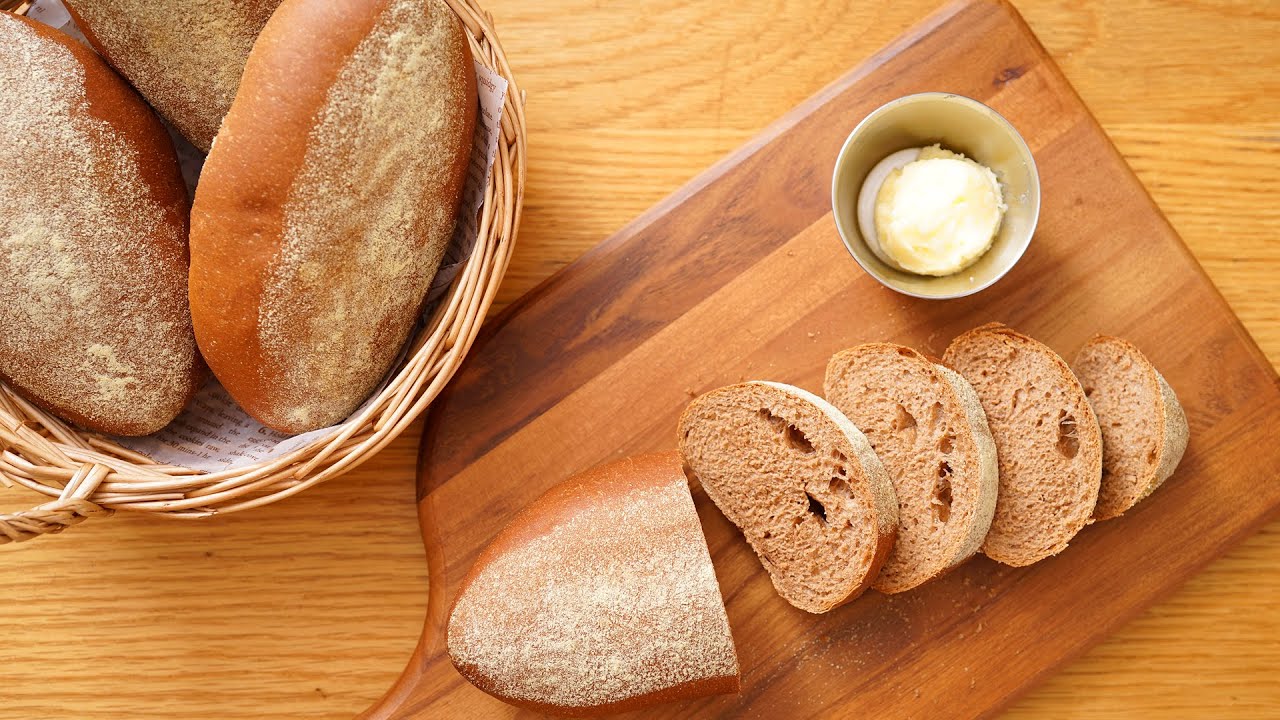
The moment you step into Outback Steakhouse, you’re greeted by a warm loaf of Bushman Bread. We call it generous “service,” but in Outback’s accounting books, this bread is recorded as “marketing expense.” This isn’t just an appetizer; it’s a key component of one of the most successful business models in restaurant history, and a product of sophisticated “design” that mobilizes psychology, physiology, and economics to open your wallet.
Today, we aim to dissect how this seemingly humble loaf of bread has turned a single brand into an empire, exploring the four powerful engines hidden behind it. This isn’t just a restaurant story. It’s an intellectual expedition into the invisible blueprint behind why you ordered a more expensive steak that day, why you were lenient with minor mistakes, and why you felt proud sharing the “secret sauce” with a friend – revealing the unseen design behind all those actions.
Are you ready? Let’s open the bread basket and uncover the 1 trillion won secret it holds.
1. The Garb of Myth: Branding Strategy That Sells Fantasy
Every great strategy begins with a captivating story. The first power of Outback’s Bushman Bread comes not from its “taste,” but from its “story.”
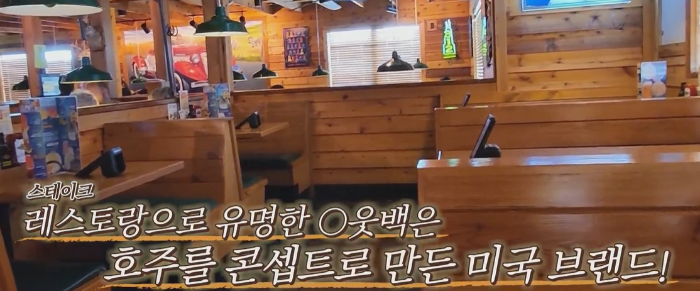
Authenticity, perfect precisely because it was “fake,” is the core of Outback’s marketing. Surprisingly, Outback was founded in Florida, not Australia, by Americans who had never even visited Australia. They sold not the real Australia, but “Australia as fantasy,” typified by the movie “Crocodile Dundee.” The pinnacle of this strategy is the “Bushman Bread.”
This bread shares only its name with “bush bread,” a traditional Australian Indigenous food, but its ingredients and taste are entirely different. While Indigenous bread is a product of the rugged wilderness, Outback’s bread is a product perfectly engineered for commercial appeal, with honey and molasses added to suit American palates.
💡 Strategic Insight: Faux-Authenticity Outback built its brand identity through a “fake story” more appealing than reality. By borrowing primitive and romantic imagery while strictly adhering to popular taste in flavor, they succeeded in achieving the ideal positioning of a “commercial product with a story.”
2. Engineered Hunger: Economics & Physiology That Open Wallets
The bread that wins over customers’ hearts now begins to conquer their stomachs. Here, the bread transitions from a “gift” to an “invisible salesperson.” This is where the loss leader strategy and physiological principles are skillfully combined.
Strategy 1: Loss Leader
This is a textbook example of the “bait” strategy. The cost of providing free bread is an investment for selling high-margin items like steaks – in other words, a marketing expense. Instead of spending billions on TV ads, they attract customers to the store at a low cost and create immediate goodwill.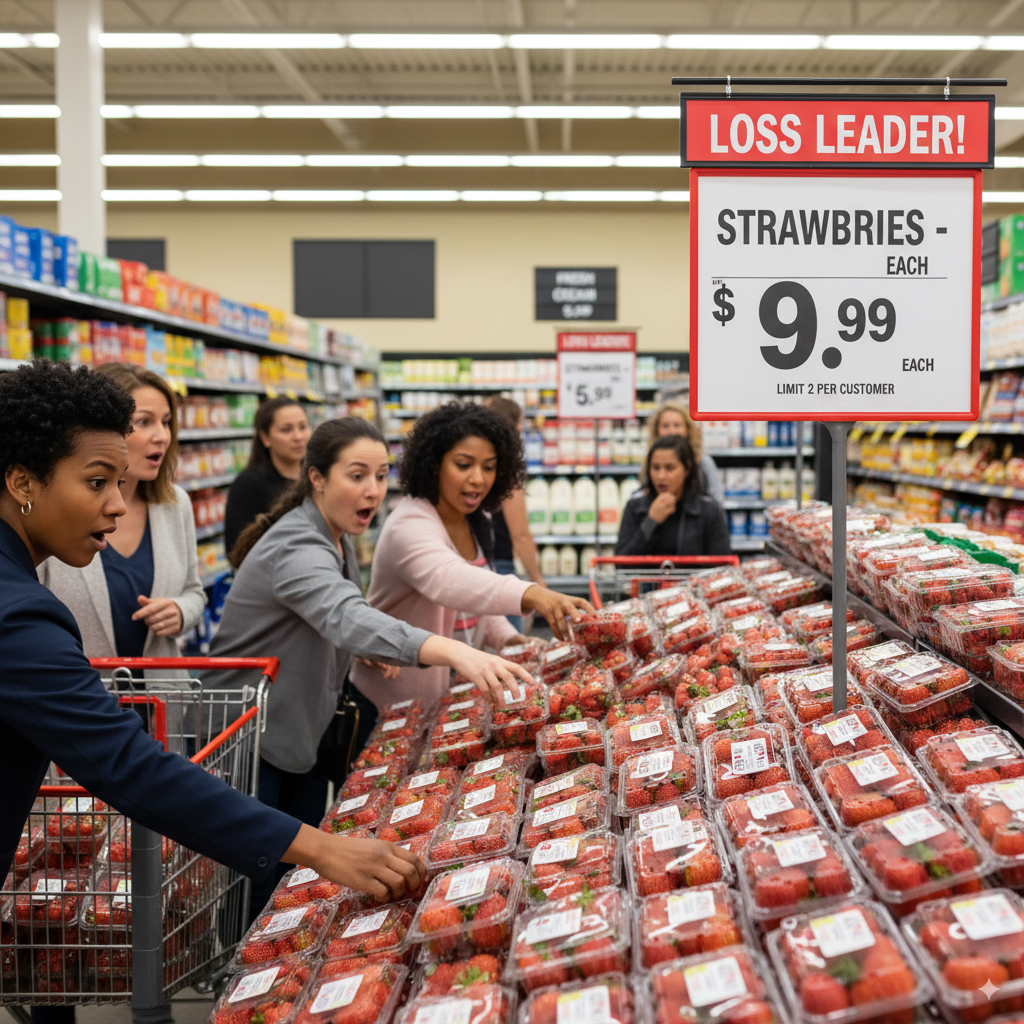
Strategy 2: Blood Sugar Spike
But the real engineering happens inside our bodies. The free bread, Bushman Bread, made with honey and molasses, rapidly raises blood sugar levels. Our bodies secrete insulin to lower the rapidly rising blood sugar, and as a result, blood sugar plummets again, inducing intense hunger and a craving for other foods.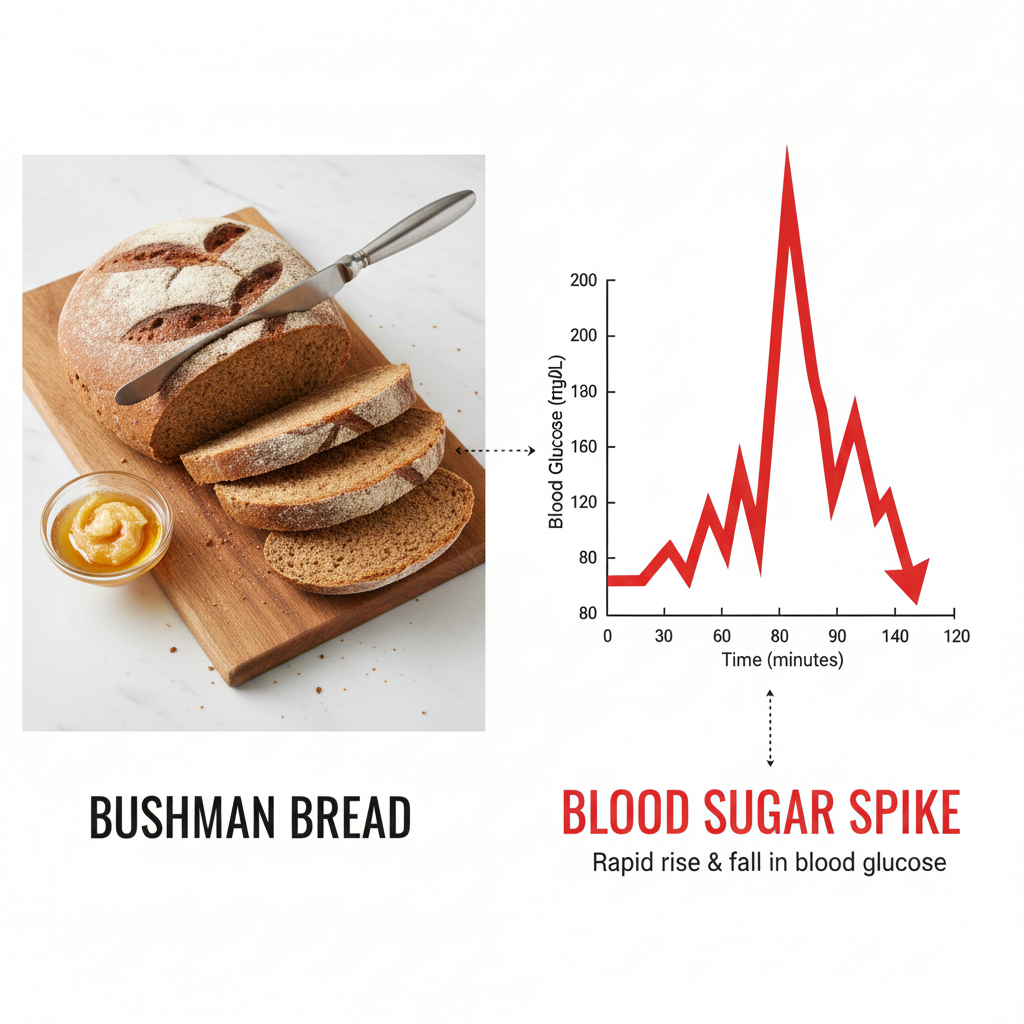
⚠️ Warning: Your Appetite is Being Manipulated The strong hunger you feel after eating the bread may not be natural appetite. It could be “engineered hunger,” physiologically induced by the “free bread” you just consumed. It is at this very moment that the expensive steaks on the menu appear most enticing.
3. The Invisible Contract: Psychology That Creates Indebtedness
Bushman Bread now speaks directly to your brain. It establishes an invisible contract between the customer and the restaurant by utilizing one of humanity’s most fundamental social instincts: the law of reciprocity.
According to psychologist Robert Cialdini, humans feel “indebted” when they receive a favor and feel a strong pressure to repay that debt. Outback’s free bread is provided in the form of a perfect “gift” that customers can neither refuse nor pay for. This transforms the relationship between customer and restaurant from a mere commercial transaction into a social one of exchanging favors.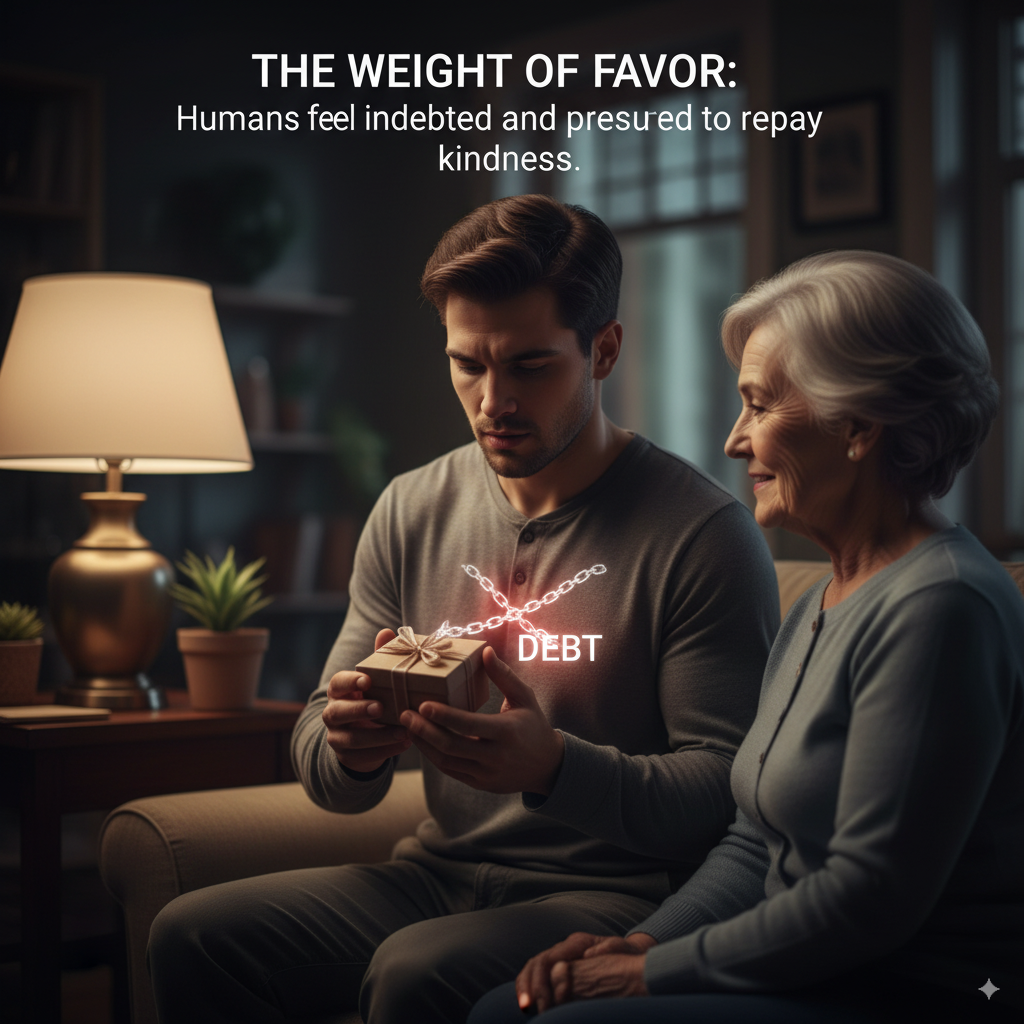
This “social debt” stimulates consumer psychology and is repaid in the following ways:
- More Generous Orders: “The service is good, so why not order a more expensive menu item?”
- Higher Tolerance: Minor mistakes are overlooked with leniency.
- More Generous Tips: Acknowledging the favor received by tipping the server more.

4. The Best Marketer is the Customer: A Viral System That Creates Word-of-Mouth
Finally, all these positive experiences spread outside the restaurant, completing a self-propagating marketing system.
The Magic of “Insider Tips”: Social Currency
Outback has designed multiple layers of “secrets” for customers to discover and share: Outback Insider Tips.
- Level 1: Bread is refilled infinitely.
- Level 2: You can ask for bread to go, for free.
- Level 3: “In-the-know” customers can request secret sauces (chocolate, blue cheese).
The moment you share this “insider information” with a friend, you transform from a mere customer into the most trusted marketer, spreading the brand’s value. This forms a powerful viral loop for Outback, generating new customers without spending a penny.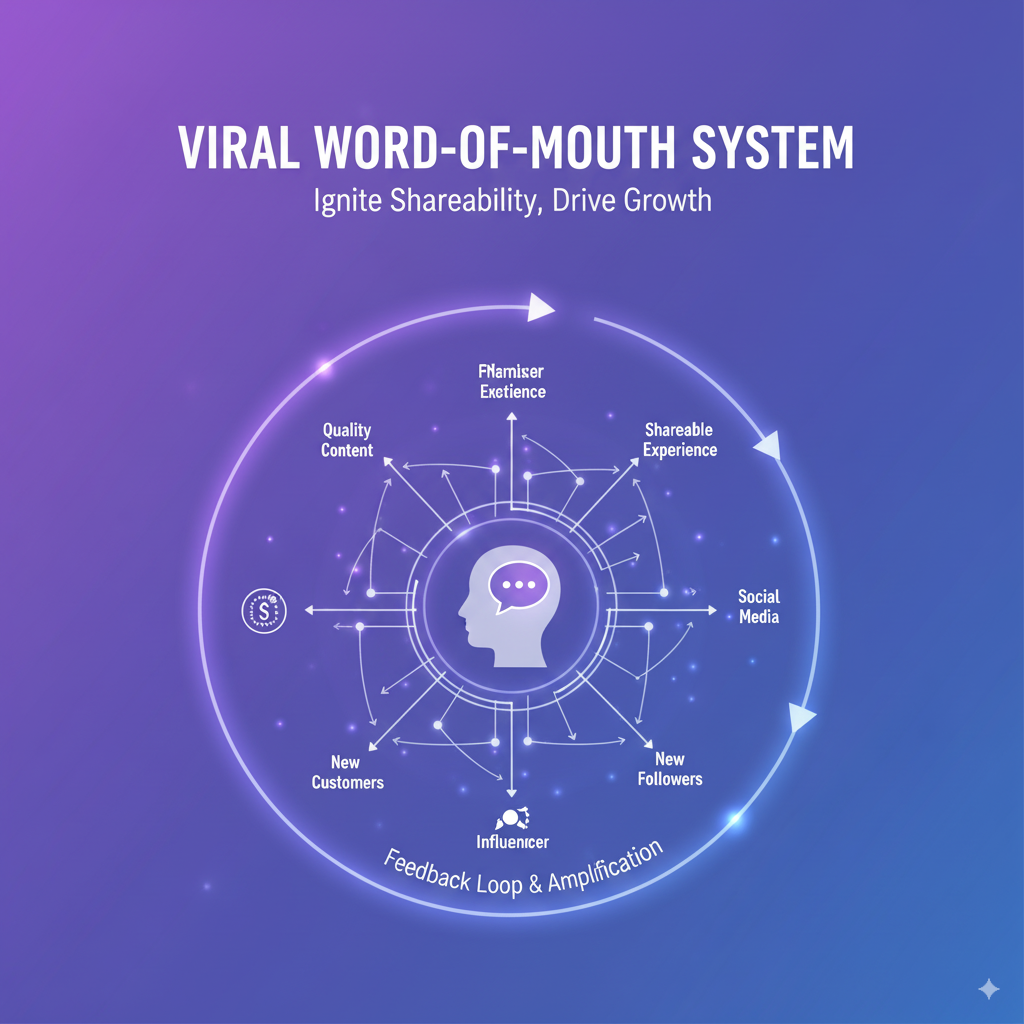
You Didn’t Consume Bread, You Consumed a “Well-Crafted Experience”
The Outback Bushman Bread case poses a crucial question about the essence of modern business. Successful companies don’t just sell products; they design the entire customer experience journey like a meticulously crafted script.
- Win with a System: Branding, economics, psychology, and virality didn’t operate in isolation but formed a perfect “system” that reinforced each other.
- Design Experience Beyond Service: They provided a holistic experience by considering customers’ emotions, behaviors, and even physiological responses.
- The Best Investment is ‘Generosity’: Calculated generosity was proven not to be a cost, but the most profitable investment in forging customer bonds and generating long-term profits.
The next time you encounter warm bread at Outback, you will know the truth. What you hold in your hand is not a combination of flour and honey, but a “masterpiece” containing the meticulous strategy that propelled a company to the top and a deep insight into human nature.
References
- Cialdini, R. B. (2007). Influence: The Psychology of Persuasion. HarperCollins. Link
- Health Chosun. (2024). ‘Why you shouldn’t eat all the appetizer bread before steak’. Link
- Ewha Brand Communication. (2016). ‘Word-of-mouth marketing: Outback Steakhouse’. Link
- Dailyan. (2015). ‘Why does Outback give Bushman Bread for free?’. Link