
Once a giant that dominated the semiconductor market, we delve into the greatest crisis Intel faces and its bold gamble for survival.
- The three core reasons Intel has fallen into its biggest crisis since its founding
- How AMD, Apple, and NVIDIA threatened Intel’s throne
- Everything about Intel’s survival strategy ‘IDM 2.0’ and its uncertain future
Cracks in the Empire Built on Sand
Remember the era when a single ‘Intel Inside’ sticker guaranteed the trust of computers? The name Intel was synonymous with semiconductor technology. However, in 2024, a 60% stock drop, a quarterly loss of $16.6 billion, and over 15,000 layoffs signaled that glory had become a thing of the past. This story transcends the decline of a once-strong company; it is an epic tale born from technological arrogance and strategic failures.
How did the throne built on the sand of semiconductors become so precariously shaken? Where did the first crack of that massive downfall begin?
Chapter 1: The Tragedy of 7nm - Intel’s Halted Innovation
Every great collapse has a starting point. The cracks in the Intel empire began in the very foundation of technology, which should have been the strongest.
The Stalled ‘Moore’s Law’ and Strategic Failures
The prologue to Intel’s downfall stemmed from the catastrophic failure in introducing 10nm and 7nm processes. When Intel finally launched its 10nm products after years of delays, competitor TSMC was already mass-producing 7nm and preparing for 5nm. It was the moment when the heart of Intel, which had led ‘Moore’s Law’ for decades, came to a halt.
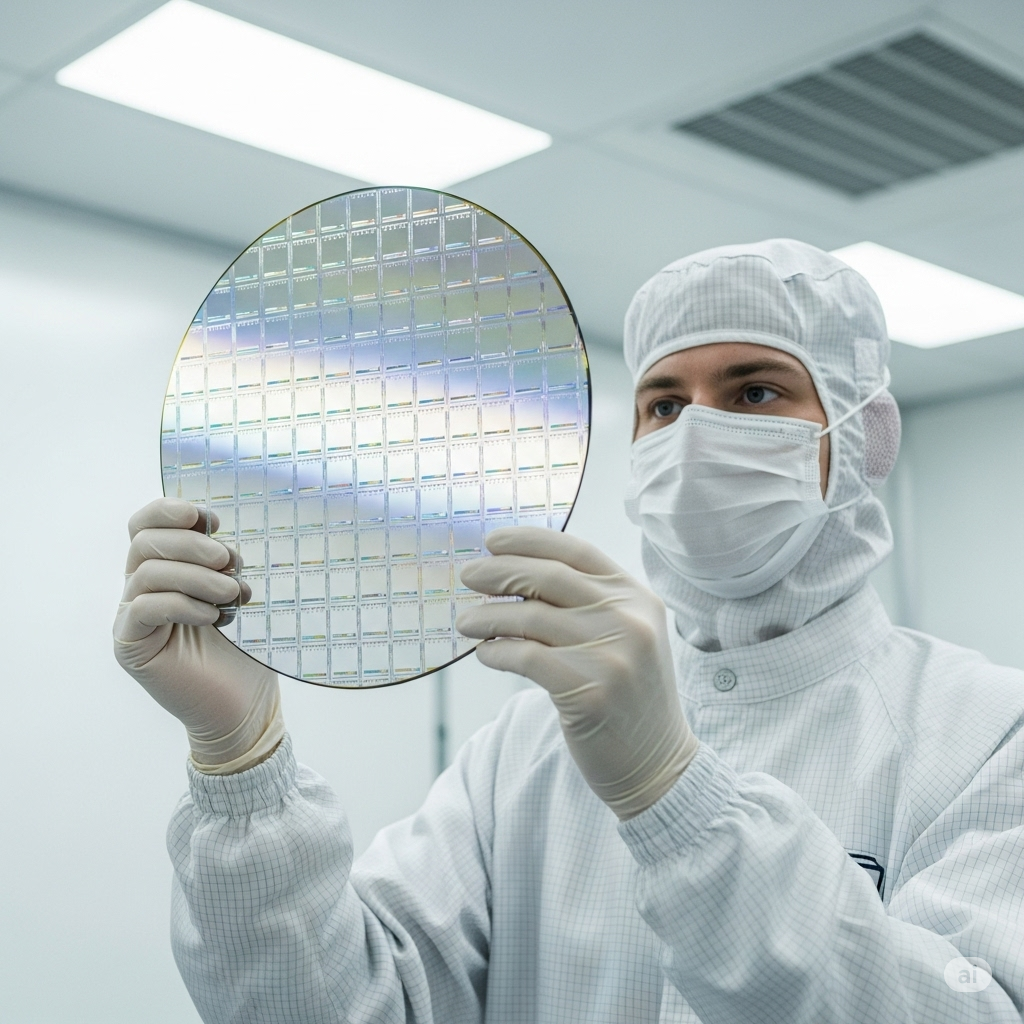
Behind this lay a management philosophy that prioritized short-term profitability and a lack of bold investment for the future. Particularly, the hesitation to adopt Extreme Ultraviolet (EUV) lithography equipment, which is crucial for miniaturization, proved fatal. While TSMC and Samsung raced ahead with massive capital investments in EUV technology, Intel found itself trapped by past technologies and fell behind.
Customers Turned Away: AMD’s Counterattack and Apple’s Independence
The loss of technological leadership led to a collapse of market trust.
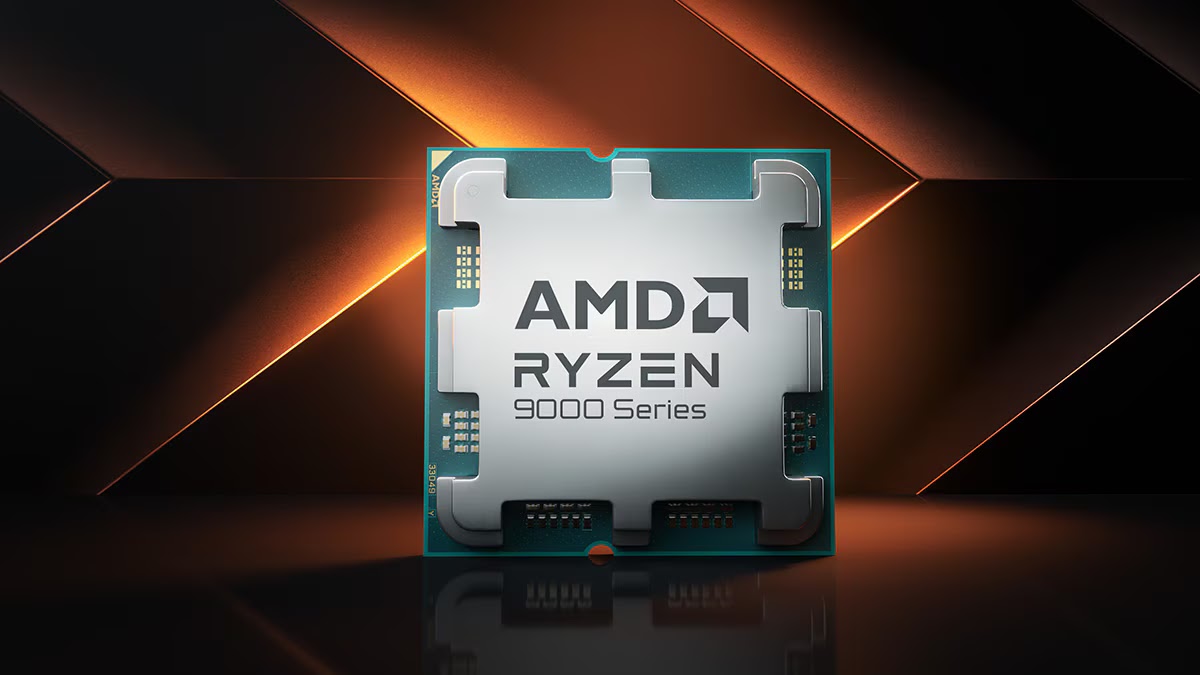
The perennial second-place holder, AMD made a spectacular comeback with its ‘Ryzen’ CPU backed by TSMC’s technology. Ryzen aggressively eroded Intel’s CPU market share, even surpassing Intel in some markets. In the latest gaming performance tests, AMD’s Ryzen 7 9800X3D outperformed Intel’s i9-14900K by an average of 26%, shattering the formula of ‘Intel for performance’.
An even bigger shock was the declaration of separation from Apple, a 15-year partner. Disappointed by Intel’s slow technological development, Apple made a complete transition to its own designed ‘M1’ chip. With this one decision, Intel not only lost $2 billion in annual revenue but also received a public ‘vote of no confidence’ at the pinnacle of the technological ecosystem.
Chapter 2: Intel as a Bystander in the AI Revolution
The technological cracks quickly spread to other fronts. While struggling in the CPU market, Intel missed the massive AI revolution right in front of it.
Missing the Golden Age: NVIDIA and the CUDA Ecosystem
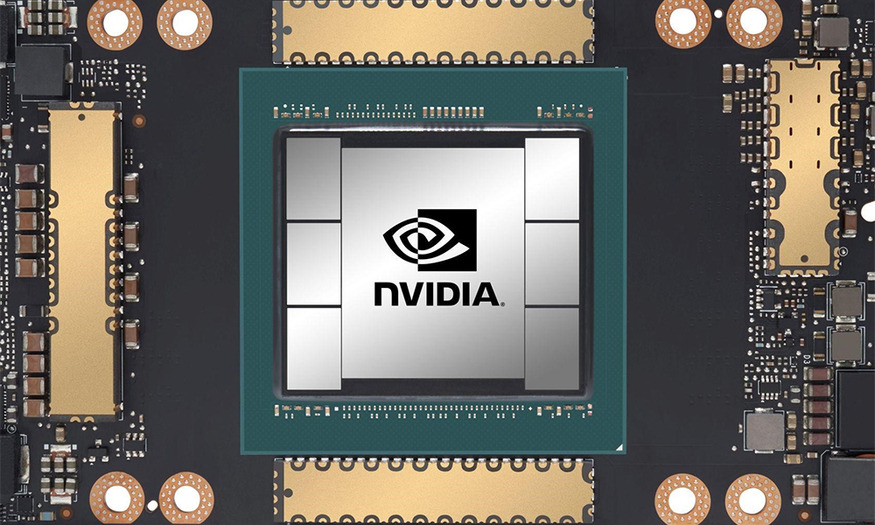
NVIDIA has emerged as the new ruler, dominating over 80% of the data center chip market with GPUs optimized for AI learning. Although Intel launched an AI accelerator called ‘Gaudi 3’, the market response was tepid.
NVIDIA’s true strength lies not in hardware but in the software platform ‘CUDA’, built over 20 years. CUDA, used by 4 million developers worldwide, only operates on NVIDIA GPUs, creating a powerful ’lock-in’ effect that makes it difficult for developers to leave. While Intel fought with hardware, NVIDIA had already ended the war with its software ecosystem.
Financial Collapse and Painful Restructuring
Technological and strategic failures led to an unavoidable financial disaster. In the third quarter of 2024, Intel recorded its worst quarterly loss of $16.6 billion in history. Ultimately, the company had to undergo painful restructuring, laying off over 15,000 employees and selling off assets.
Chapter 3: The Prodigal’s Gamble, Intel IDM 2.0
In the despairing empire, the savior, engineer Pat Gelsinger, returned as CEO. He announced a bold survival strategy called ‘IDM 2.0’ that would determine the empire’s fate.
IDM (Integrated Device Manufacturer) was Intel’s identity of doing everything from design to production in-house. IDM 2.0 maintained this identity while utilizing competitors like TSMC when necessary and even opening Intel’s factories to enter the foundry business in a Copernican shift.

To this end, Gelsinger announced an astronomical investment plan of over $100 billion in the U.S. and Germany. However, due to funding issues, the construction of the Ohio factory has been postponed until after 2030, causing the plans to stumble from the start.
| Region/Location | Announced Investment | Key Goals and Status |
|---|---|---|
| U.S. Arizona | Over $20 billion | Production of cutting-edge processes (2nm/1.8nm), construction in progress |
| U.S. Ohio | $28 billion | Aiming to be the world’s largest AI chip production hub, seriously delayed (after 2030) |
| Germany Magdeburg | $17 billion | Building a European manufacturing hub, planning and early stages |
| Europe (10 years) | €80 billion | Aiming to establish a complete semiconductor ecosystem in Europe |
Chapter 4: Struggles on Three Fronts and the Leader’s Departure
Pat Gelsinger’s gamble led Intel into three battlefields: the CPU defense war, the foundry, and the AI siege. However, each front was challenging.
Foundry War: Intel Challenging Giants
Despite aiming to become the second-largest foundry by 2030, Intel’s market share in Q1 2025 fell below 1.0%. With TSMC holding 67.6% and Samsung at 7.7%, catching up proved insufficient. Intel aimed to gain a technological edge with its 1.8nm (18A) process, but Samsung and TSMC had already announced roadmaps for the 1nm range, moving further ahead.
An Ongoing Duel and the Captain’s Departure
In the CPU market, Intel continues to struggle against AMD’s pursuit, with market share continuously declining. Compounding this, CEO Pat Gelsinger suddenly announced his resignation in December 2024, leaving the future of the IDM 2.0 strategy shrouded in uncertainty.
Comparison: Giants in the Foundry Market
The foundry market Intel has entered is already occupied by strong competitors. In terms of technology and market share, Intel still has a long way to go.
| Company | Market Share (Estimated Q1 2025) | Key Technologies and Roadmap |
|---|---|---|
| TSMC | 67.6% | 3nm (FinFET), 2nm (GAA), 1.6nm announced |
| Samsung | 7.7% | 3nm (GAA), 2nm (SF2Z) planned for 2027 |
| Intel (IFS) | < 1.0% | 1.8nm (18A) planned for 2024/2025 |
Conclusion
Intel’s story illustrates how a small crack born from technological arrogance can escalate into a massive crisis that shakes the entire empire. Now, Intel stands at a crossroads between the most dramatic corporate revival drama in history and the fall of its most glorious empire.
Key Summary:
- Loss of Technological Leadership: The failure of the 7nm process was the starting point of all crises.
- Strategic Missteps: Allowed AMD’s resurgence and missed the massive wave of AI.
- Uncertain Future: The bold plan of IDM 2.0 is adrift due to the sudden departure of its leader.
The giant’s struggle is not over yet. Will Intel succeed in making a comeback against all odds?