

Recently the price of a “bunch of green onions” was a real commotion. You could almost hear the sighs of shoppers. Was this just a simple weather anomaly or a distribution problem?
But if you dismiss this phenomenon as a “temporary issue only in Korea,” we miss the bigger picture. In fact, this is part of a global, massive phenomenon — a small cross-section of what I want to call the ‘Empty Plate Paradox’.
What is the ‘Empty Plate Paradox’? On paper, economic indicators say the world is getting wealthier and progressing, yet why are our dinner tables getting more expensive, nutritionally questionable, and supply-unstable? This is not mere inflation. It is a highly complex crisis that exposes structural flaws in the modern food system.
There is not a single reason our tables have become meager. In this article I’ll untangle that complicated web one thread at a time: starting with what the statistics tell us, the invisible hands that shake our tables, the bill climate change has sent, the quiet decline in food “quality” we eat, and the enormous waste hidden in this abundance. Finally, I’ll explore faintly shining hopes — alternative models — within this overall mess.
Chapter 1. This is not a “feeling”: reality as the data shows
“Table prices are too expensive.” This complaint is no longer just a subjective impression. This is an objective reality proven by cold, hard data.
1.1 Everything rises except paychecks: the fear of agflation
Wages stay the same while grocery prices skyrocket. This is ‘Agflation’. Most of you have experienced it.
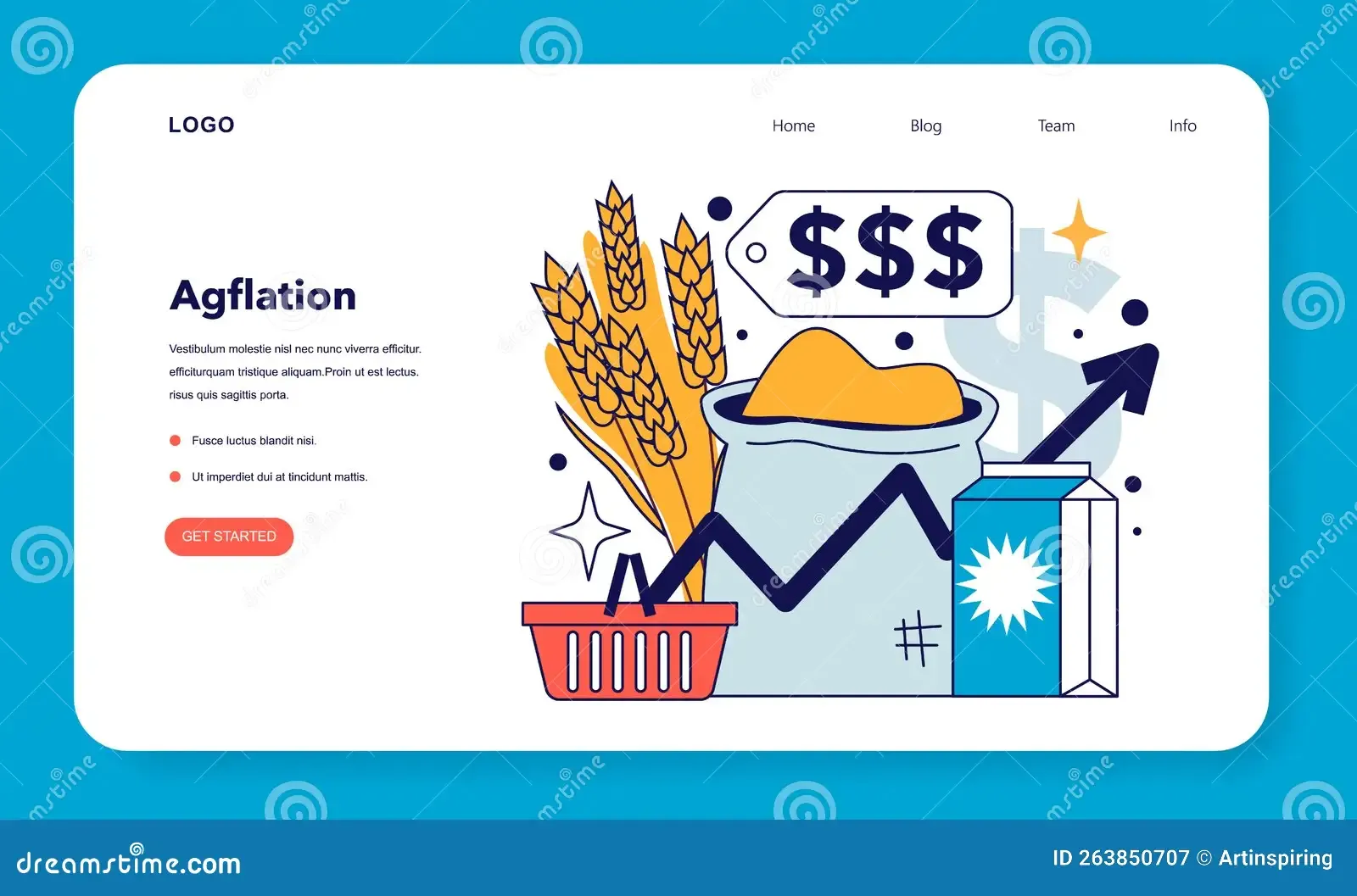
The statistics show this reality precisely. In early 2024, apple prices — wow — surged 71.0% year-on-year. Mandarins, pears — all defied common sense. This isn’t a problem limited to a few items. Over the past five years (2020–Q1 2024), while the overall Consumer Price Index rose 16.0%, food prices jumped a whopping 25.0%. Because food is unavoidable, it became a major factor eroding our real incomes.
Even the FAO’s March 2025 Food Price Index showed a further rise of 6.9% from an already-high previous year, indicating persistent global pressure.
What’s interesting is that two inflations coexist. The official inflation rate the government reports can appear relatively managed. But the “felt inflation” we experience daily — especially food prices — is far more destructive. There’s a reason why the price of a bunch of green onions becomes a political issue.
1.2 OECD No.2? Korea’s peculiar table reality
Worse still, it’s not just a global trend; Korea is particularly hard hit. Compared internationally, Korea’s food prices are among the highest in the world. Including the latest 2025 data, OECD figures show Korea’s food and non-alcoholic beverage price level is, after Switzerland, effectively 2nd highest among 38 OECD countries.
In real purchasing power terms (OECD average = 100), Korea sits in the high 140s, higher than Japan, Germany, and even pricier Northern European countries.
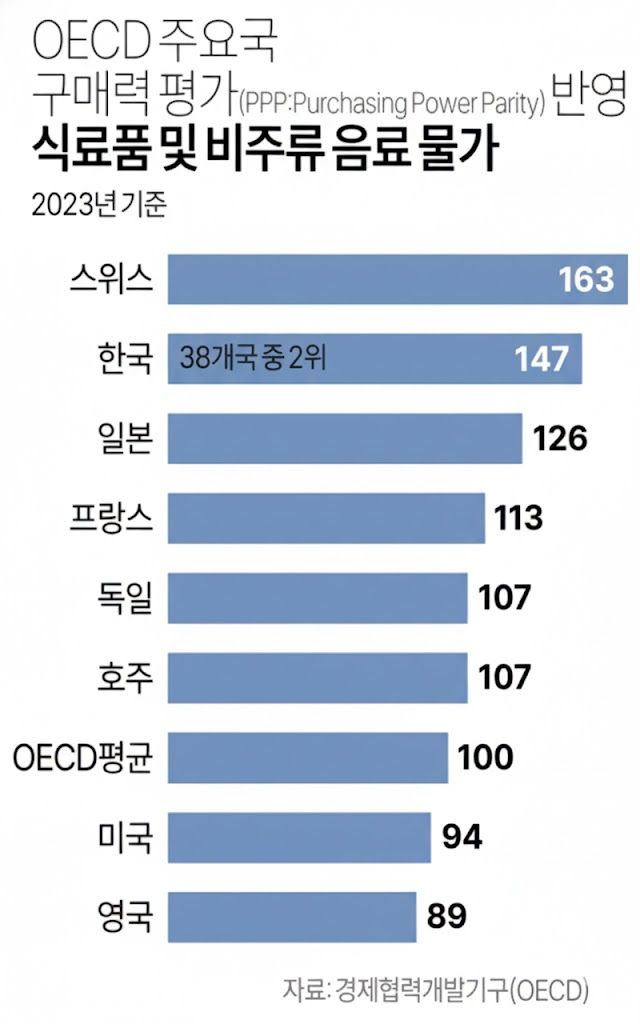
Honestly, isn’t this odd? Interestingly, public service prices like electricity, water, and housing are much lower than the OECD average. In other words, Korea keeps public utility prices under control, but pays world-class prices for the most basic — food.
This is a clear signal that our food system — agricultural policy, complex distribution, high import dependence — has developed deep-rooted structural problems.
Chapter 2. The invisible hand: who designs our table?
Our ’empty plate’ is not simply a domestic market problem. Our table sits at the tail end of a huge system linked to the other side of the planet.
2.1 Have you heard of ‘ABCD’?
Have you heard of ‘ABCD’?

These four companies — with unfamiliar names — control about 80% of the global grain market. They are literally the ‘invisible hand.’ Their scale rivals some national economies. Cargill recorded a record $177 billion (about 240 trillion won) in revenue for fiscal 2023.
They dominate every stage from production, storage, transport, processing to distribution. Such an oligopoly concentrates price-setting power in the hands of a few. A single managerial decision by them can shake global food prices, and the process is not transparently revealed to us.
2.2 Table or casino: financialization of food
Food is no longer just something to eat. It has become a Wall Street financial product. Food becomes a target for speculation in derivatives markets like grain futures, regardless of actual consumption.
There are claims that this ‘financialization of food’ distorts prices. More precisely, there is fierce debate that speculative capital, such as hedge funds, turns the market into a ‘casino.’ Of course, there are counterarguments that speculation provides liquidity to markets.
What matters is not the debate itself but the fact: for better or worse, our plates are now tied to the global financial system. Interest rates, exchange rates, and flows of international capital can shake our tables regardless of on-the-ground farm conditions.
2.3 Korea’s Achilles’ heel
And where these global structural problems hit hardest — yes, Korea.
As of 2024, Korea’s grain self-sufficiency rate is around 20%. Excluding rice, it’s dismal. Wheat (self-sufficiency 0.7%) used in bread and noodles, and corn (self-sufficiency 0.8%) used mainly for feed — essentially almost entirely imported.
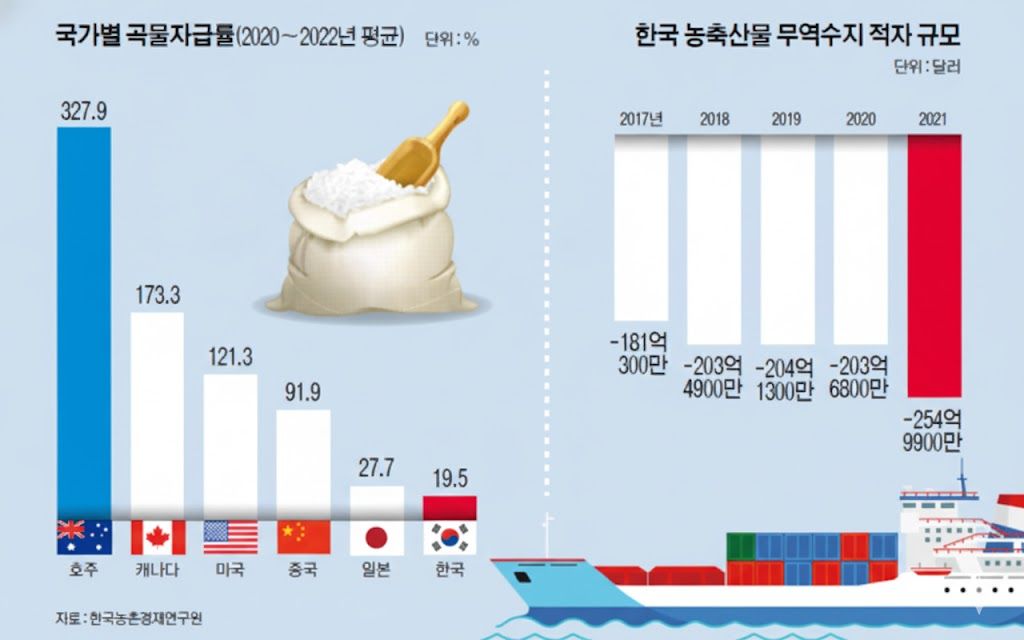
This reality makes us ‘price takers’. If ABCD or the Chicago Board of Trade sets prices, we just accept them. The global system’s ’efficiency’ becomes our ‘vulnerability’ — a paradox.
Chapter 3. The bill climate change has sent
The ‘Empty Plate Paradox’ cannot be explained by economic logic alone. This is the bill for decades of environmental neglect arriving on our table.
3.1 The cries of coffee and cocoa
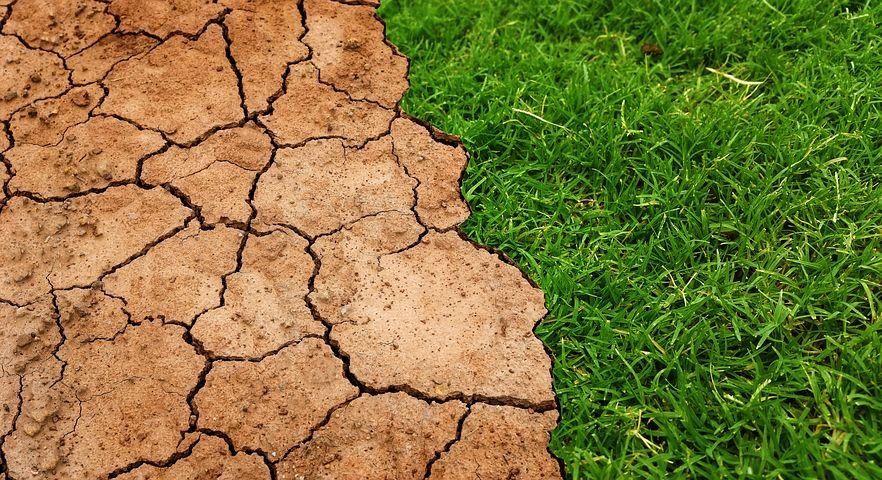
This is truly serious. The most dramatic examples of climate change affecting our tables are coffee and cocoa.
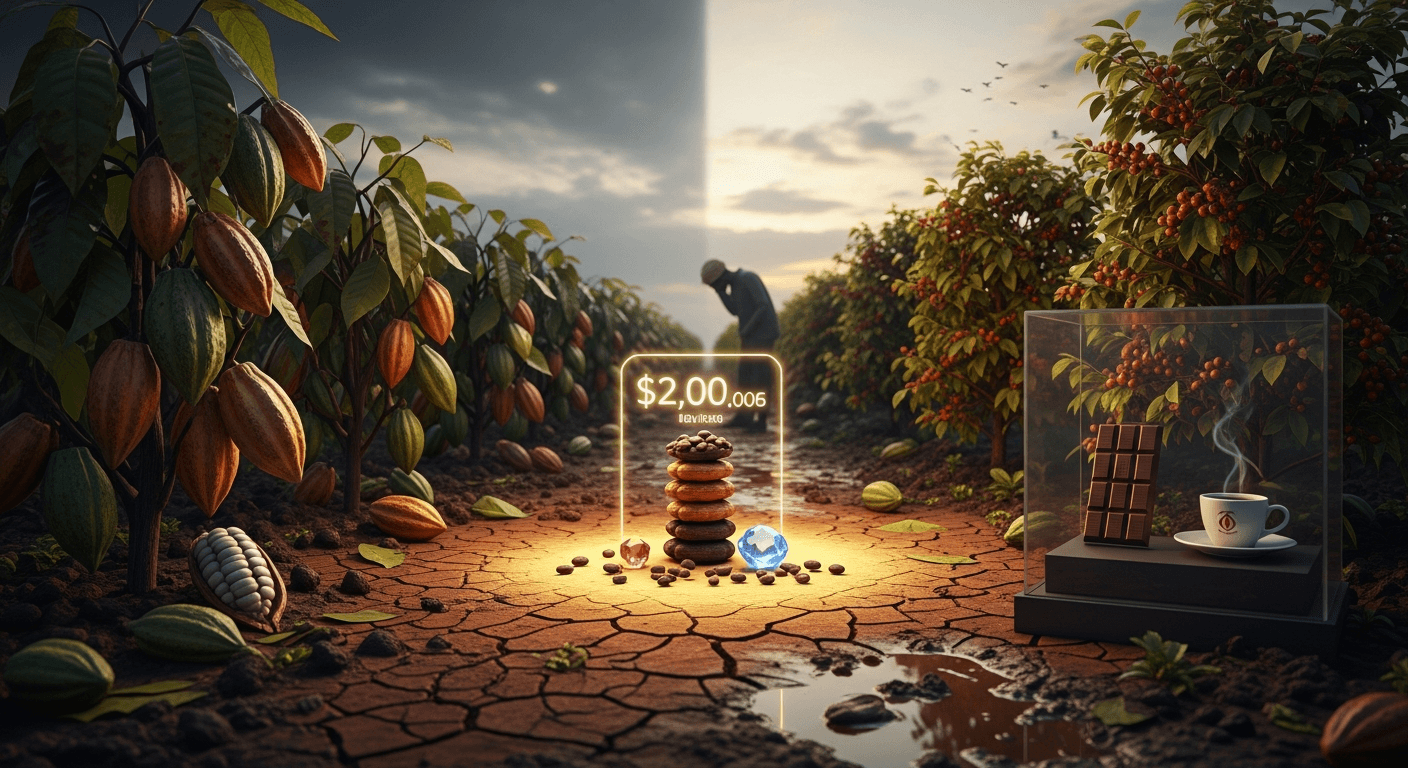
Remember the ‘cocoa crisis’ at the end of 2024? West Africa, which produces 70% of the world’s cocoa, suffered severe droughts, heavy rains, and pests, causing production to plummet. Cocoa futures more than doubled in a year. Experts say recovery will take at least five years. This is only the beginning of chocolate price hikes.
The same applies to coffee. High-quality Arabica grows only in cool highlands, and global warming is rapidly shrinking these zones. Some studies suggest Ethiopia’s coffee-growing areas could decline by 60% by 2070. Moreover, diseases like coffee leaf rust find ideal conditions to spread.
The price of the cup of coffee we drink every morning already reflects the costs of climate change.
3.2 What the ‘Blood Avocado’ tells us
But environmental damage is not only climate change. There are darker, more complex stories. Consider Mexico’s ‘Blood Avocados’ case.
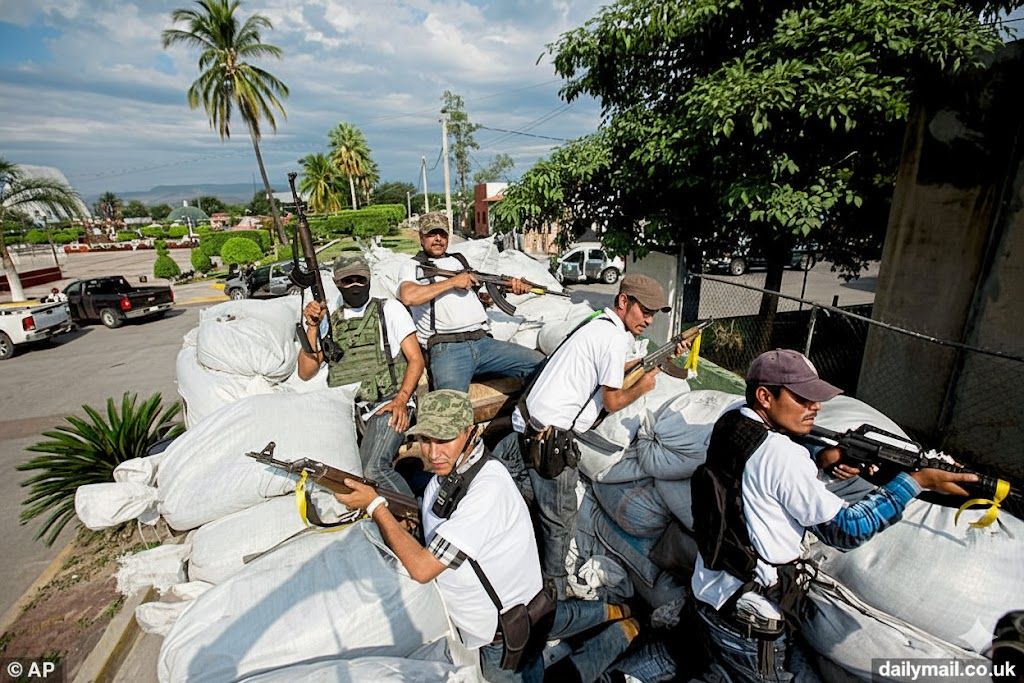
The global health-food craze turned avocado into ‘green gold.’ But behind it there was a terrible price. Drug cartels intervened in the industry to grab these huge profits. Extortion, violence, and murder were rampant.
Environmental destruction was severe as well. Illegal deforestation to create avocado plantations led to forest loss (reports say 80% of farms in Michoacán were illegal). Avocados consume huge amounts of water, depleting groundwater, and pesticides contaminated drinking water sources.
The pretty avocado price tag in the supermarket excludes these ’externalized costs’ — environmental destruction, community collapse, human rights abuses — at zero. But these costs do not disappear. They accumulate as a debt we will eventually all pay together.
Chapter 4. Hollow shells: why do fruits these days only have “taste”?
The ‘Empty Plate Paradox’ includes a quality dimension we often miss. Plates may be filled, but the food can be nutritionally inferior to what our parents ate.
4.1 The decline of major nutrients
If you say the tomatoes or apples you ate as a child tasted much “richer” than now… am I sounding old?
But this may not be just nostalgia. Over the past decades, agriculture had clear goals: more yield, faster growth, greater resistance. Those goals succeeded, but with unintended consequences.
It has a technical name: the ‘Genetic Dilution Effect.’ Simply put, size (yield) was increased while the inner content (nutrients) was neglected. One study found that across 43 crops, protein fell by 6% and key vitamins decreased by 15–38%. In pursuit of bigger, sweeter fruits, inherent nutritional value was lost.
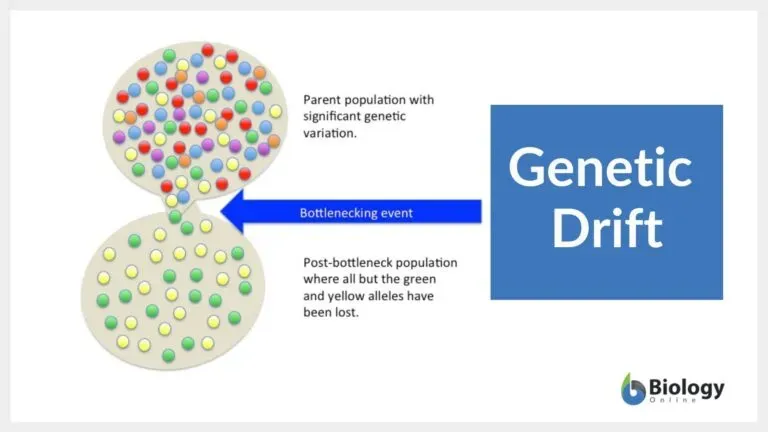
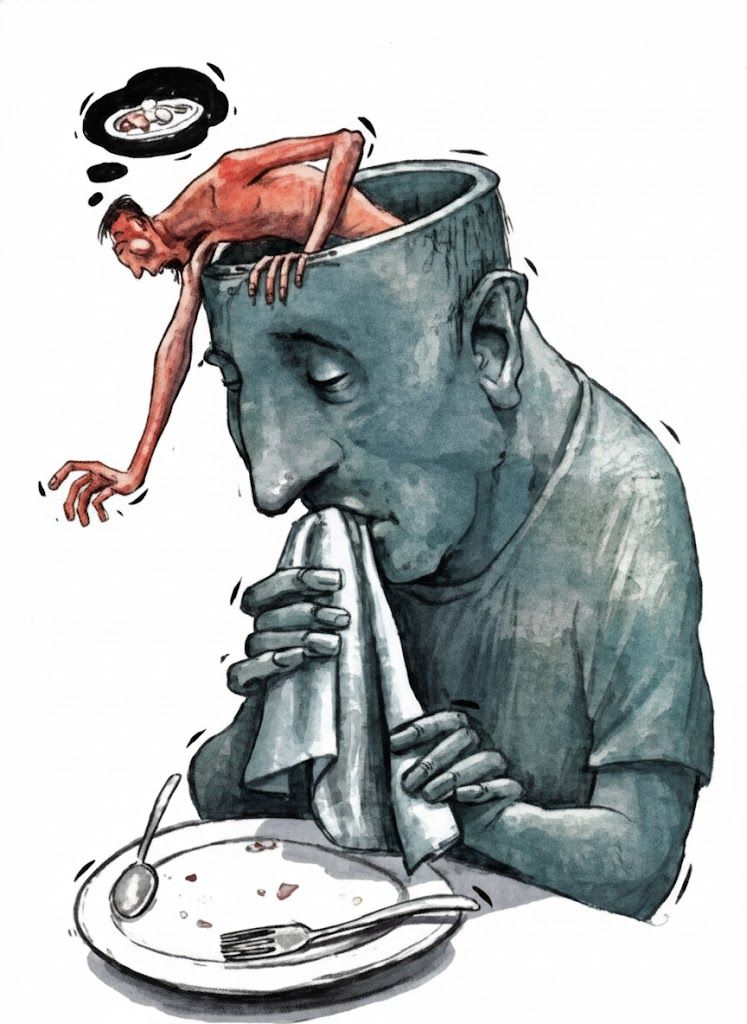
This leads to the terrifying paradox of ‘hidden hunger’. People consume sufficient calories but lack essential micronutrients. You can be full yet malnourished. Perhaps modern obesity is in part due to this: the body craves more food to compensate for lacking nutrients.
Chapter 5. The greatest contradiction: wasting a third while people are hungry
The biggest contradiction of the modern food system is that hunger, high prices, and unimaginable waste coexist.
5.1 The 1.05 billion ton scandal
The UNEP’s ‘2024 Food Waste Index Report’ is… truly shocking. In 2022, the world wasted 1.05 billion tonnes of food.
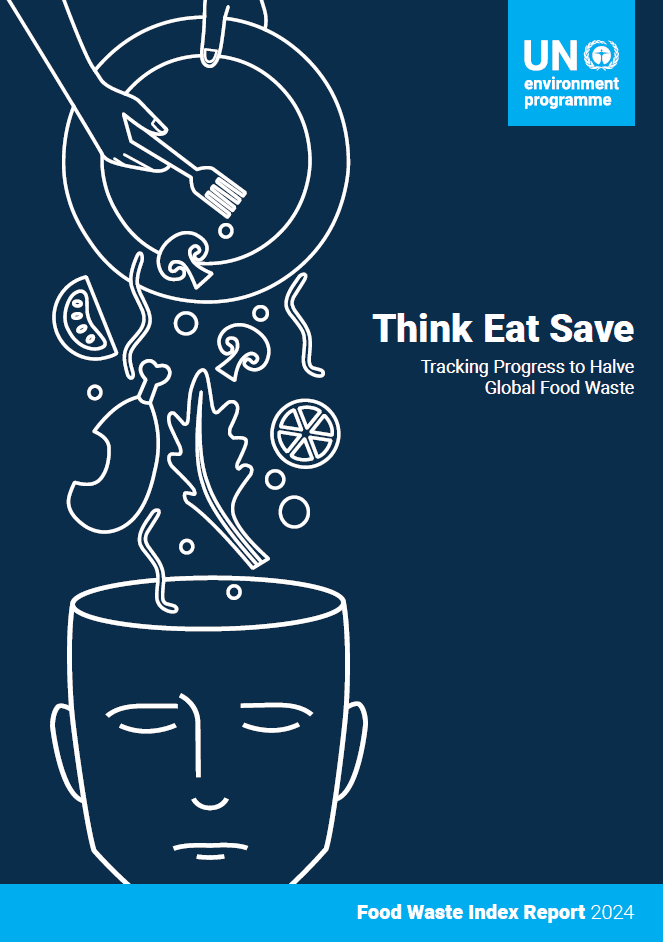
That means 19% (one-fifth) of the total food available for consumption was simply thrown away. Add the 13% lost during harvest and distribution, and almost one-third of the food we produce never makes it to the table.
Even more astonishing: 60% (631 million tonnes) of this waste comes not from restaurants or retail but from households. Globally, per capita annual food waste is 79 kg. That’s the equivalent of 1 billion daily meals going into the trash every day.
This waste creates serious environmental problems. Food loss and waste account for 8–10% of global greenhouse gas emissions — five times the entire aviation sector.
5.2 The “invisible waste tax” and the imperfect produce paradox
Korea is no exception. Food accounts for 29% of household waste, and 70% of that comes from homes and small eateries.
This discarded waste carries treatment costs and environmental burdens that ultimately come back to us through taxes and product prices. Supermarkets even factor expected spoilage into prices in advance. We pay an “invisible waste tax.”
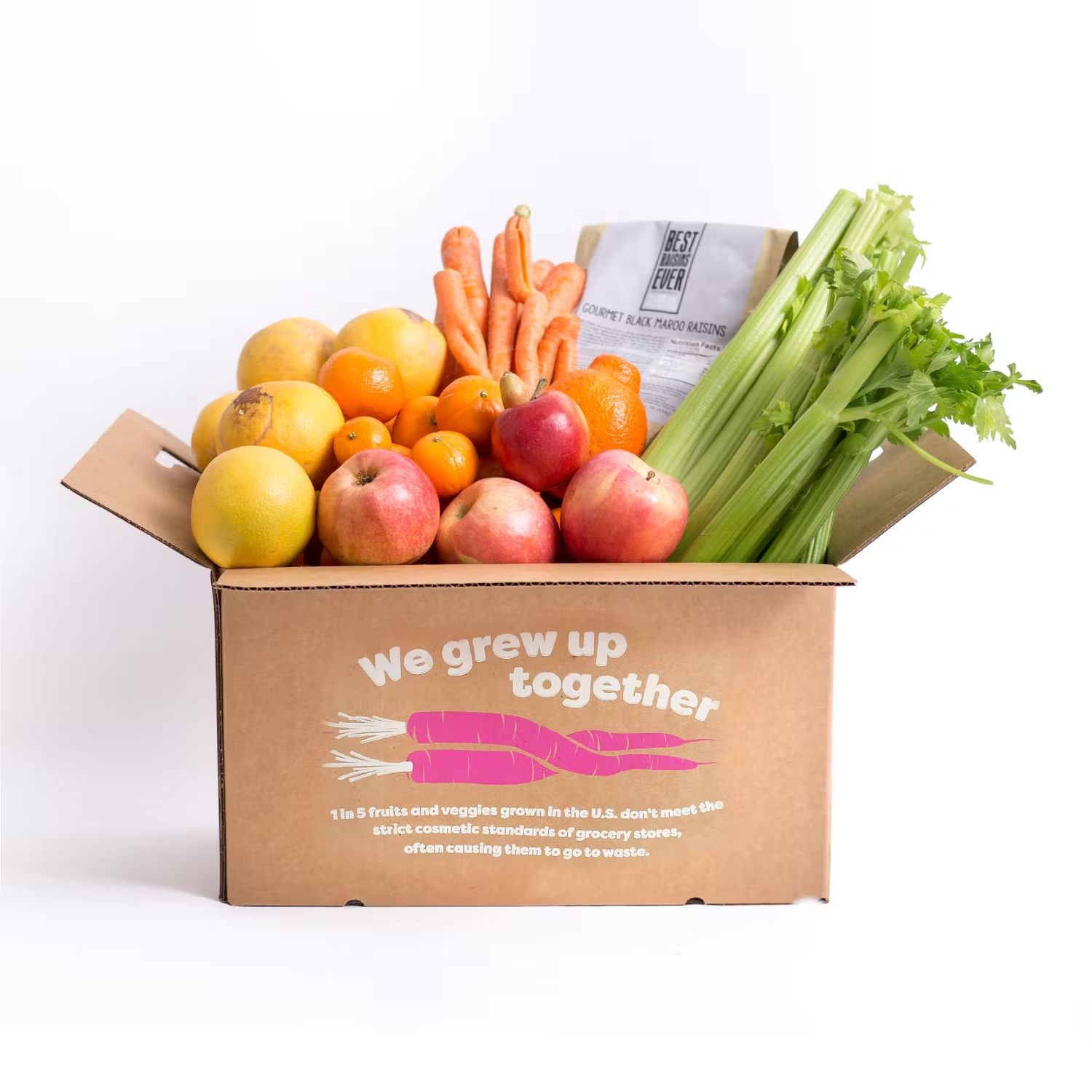
And then there’s the imperfect-produce issue. Modern retail demands perfect shape and blemish-free surfaces. Even if nutrition is identical, numerous agricultural products are discarded in the field simply because they look ugly. What a comedy.
Chapter 6. Is there no hope? (The counterattack of small seeds)
So far this sounds bleak. Does that mean there are no solutions?
Fortunately, there is hope — not grand slogans, but realities that have already proven successful.
6.1 The power of proximity: lessons from Wanju local food
One case that impressed me is the Wanju local food model in Jeonbuk. Started by Yongjin Nonghyup, this movement dramatically shortened the distance between producers and consumers.
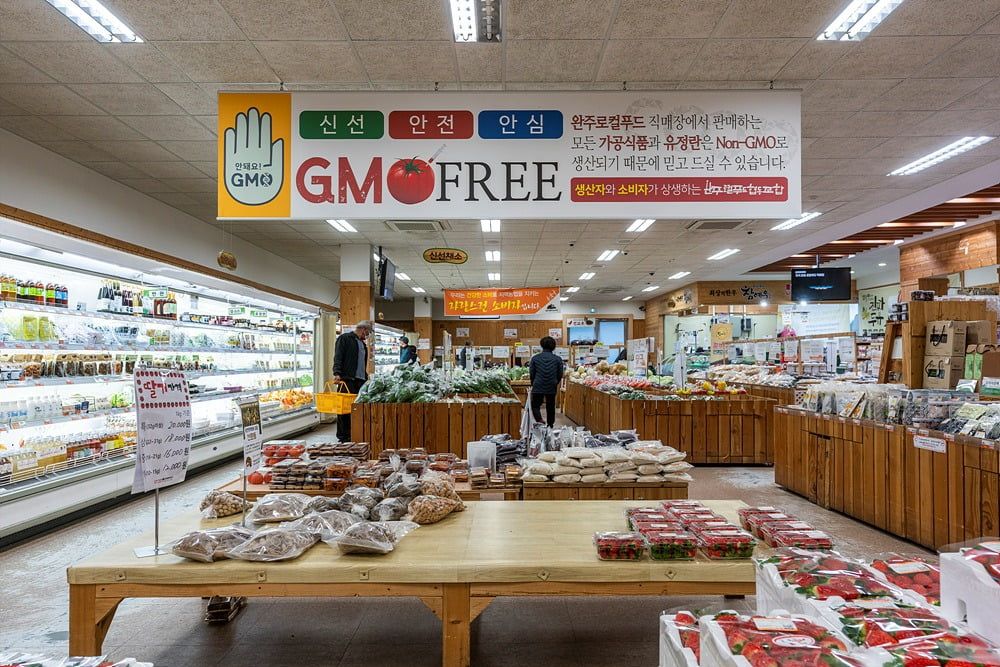
Wanju’s success is reflected in the numbers. In December 2024, it won the regional food index award for five consecutive years, and since its first store in 2012, cumulative sales exceeded 700 billion won as of November 2024.
The key is simple. Eliminate complex middlemen and have local farmers sell same-day harvested produce directly at 13 direct-sale stores. Consumers buy fresh food with a known producer — like “Juni’s strawberries” — at reasonable prices. Farmers get fair value.
This is more than a value chain. Money circulates within the region, trust builds between people, and shorter transport distances reduce environmental impact — a ‘value web’.
6.2 Green shoots in the concrete jungle
If Wanju is a rural solution, what about cities? Even in concrete jungles, sprouts emerge: Urban Agriculture.
Paris’ ‘AGRIPOLIS’ is representative. They operate 11 rooftop farms, including a 14,000$m^2$ space on the Paris Expo exhibition hall roof (the largest in Europe). Produce goes directly to local residents and nearby restaurants, making food miles nearly zero. Using hydroponics and aeroponics, they recycle 90% of their water.
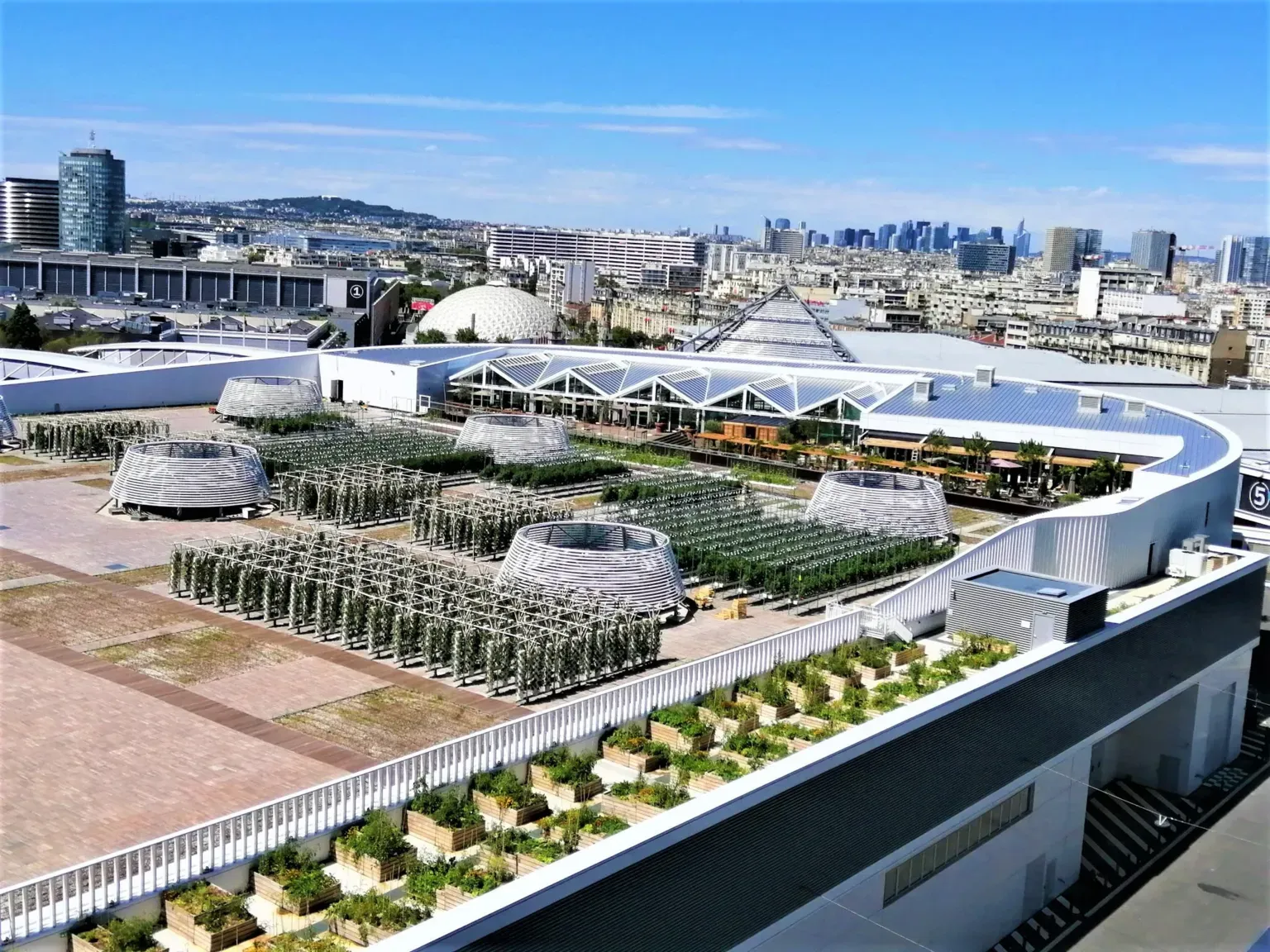
The Rural Development Administration of Korea also estimated urban agriculture’s value at about 5.2367 trillion won per year. Beyond food production, it reduces urban heat islands and restores community — huge benefits.
These examples prove a clear point: the old formula “efficiency = scale” is being challenged. Distributed, localized systems can be efficient and sustainable.
Conclusion: beyond the empty plate
Let’s return to the initial ’empty plate.’
None of these problems are accidental. They are the inevitable outcomes of a food system designed to maximize yield and profit at the expense of nutrition, environment, and people.
Solving this requires more than tweaking the existing model. A fundamental paradigm shift is needed.
The path is… no, our direction is clear. We must grow a more diverse, distributed, and resilient ‘food web’. Support local systems like Wanju Local Food, invest in urban farms like Paris’ rooftops, reduce household food waste tonight, and demand greater transparency from the giant corporations that control our plates.
The challenge is enormous, but the solutions are concrete. Filling the ’empty plate’ is not simply about securing more calories. It’s about ensuring better, fairer, and more sustainable nutrition for all of us.
Rebuilding the table is rebuilding our future and the planet’s future. We can no longer postpone it.