
A Bold Gamble on a Nation’s Destiny: Summarizing Three Years of Records.
- The background of El Salvador becoming the first country in the world to adopt Bitcoin as legal tender.
- The reasons behind the failure of the government-led electronic wallet ‘Chivo’ and the actual reactions of the citizens.
- The pressure from the international community, the retreat of policies, and the lessons that remain.
Everything About El Salvador’s Bitcoin Experiment
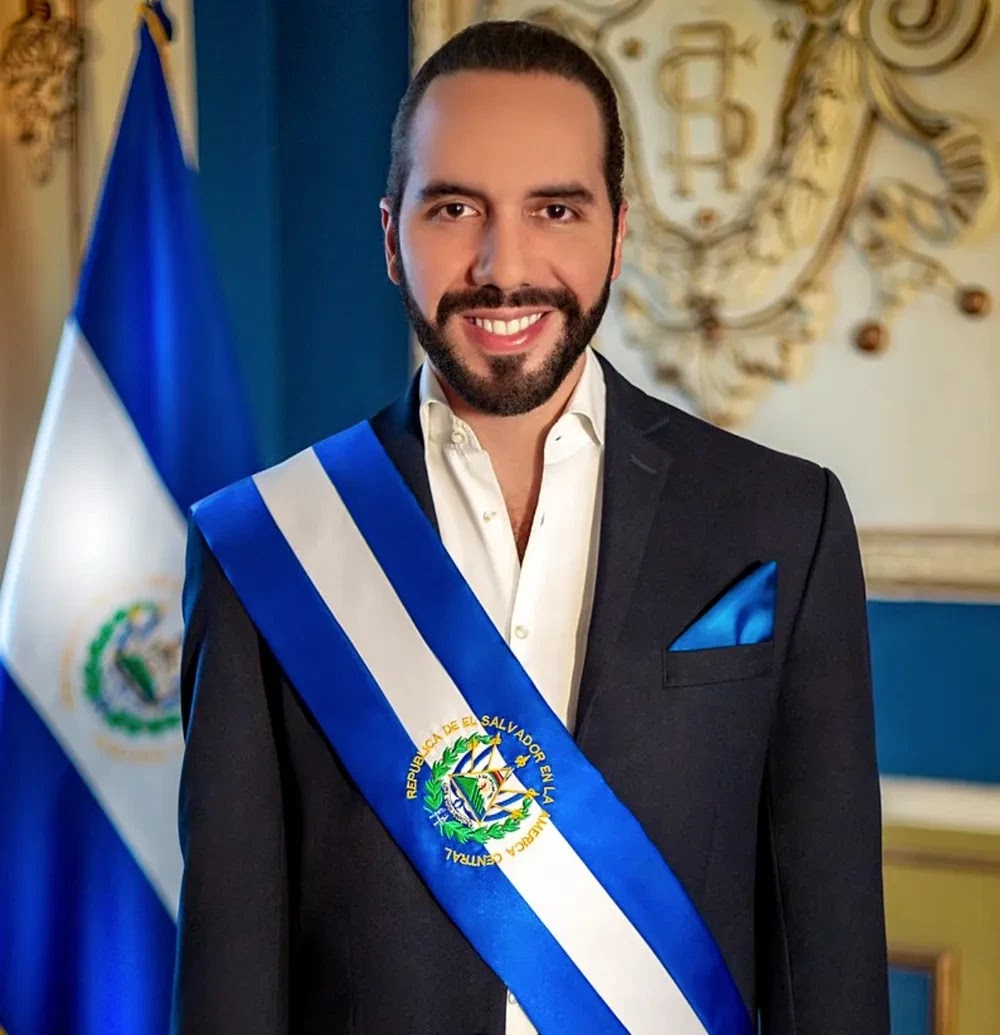
In 2021, the world focused on the bombshell announcement from the young and charismatic Nayib Bukele, President of El Salvador. He declared that he would designate Bitcoin as the country’s legal tender. When I first heard this news, I doubted whether it was a realistic proposition. This decision promised a rosy future of financial inclusion, reduced remittance fees, and attracting investments, but it also marked the beginning of a massive gamble on the fate of a nation.
1. The Beginning of a Dream: Why Did El Salvador Choose Bitcoin?
El Salvador’s bold choice stemmed from its unique economic situation.
A Country Without Monetary Sovereignty, Under the Shadow of the Dollar
In 2001, El Salvador abandoned its national currency, the ‘Colón’, to adopt the US Dollar as legal tender to address severe inflation. This decision alleviated immediate crises but created a state of ’economic colonialism’, where it could not implement independent monetary policies like interest rate adjustments or liquidity supply. Ironically, this inability to conduct its own monetary policy led to a focus on the unprecedented alternative of Bitcoin.
The Lifeblood of the National Economy: Remittances
Another pillar of El Salvador’s economy is remittances from citizens living abroad, which account for over 20% of GDP. However, the high fees associated with remittances have been a chronic issue. President Bukele claimed that Bitcoin would be a ‘magic wand’ to solve this problem by allowing money to be sent without intermediaries.
The Starting Point: El Zonte’s ‘Bitcoin Beach’
This grand national experiment began in a small surfing town called ‘El Zonte’. The ‘Bitcoin Beach’ project, initiated in 2019 through anonymous donations, experimented with a circular economy where residents lived solely on Bitcoin, inspiring President Bukele.
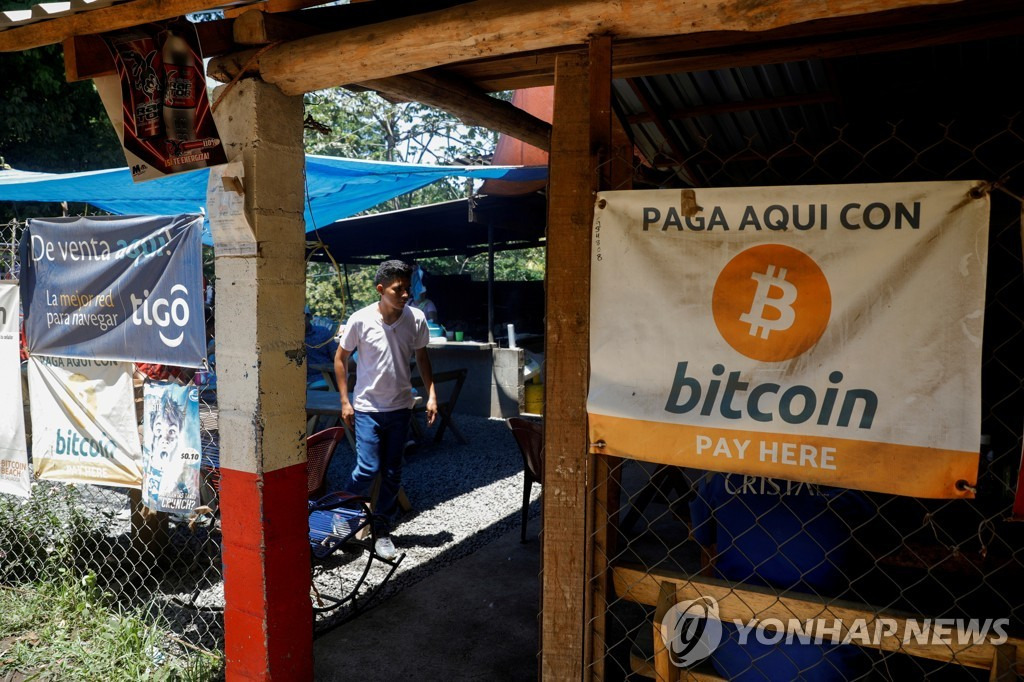
However, attempting to legally enforce a successful model from a small community onto a population of 6.5 million was fundamentally flawed. This foreshadowed how technology policies can fail when they ignore social and technical foundations.
2. The Wall of Reality: Ghost Wallets and Disappearing Money
On September 7, 2021, the Bitcoin law came into effect, and the government’s official electronic wallet ‘Chivo’ was launched, but it started off on the wrong foot.
The $30 Bait and the Nightmare of Identity Theft
The government offered $30 worth of Bitcoin upon app download, but this led to terrible side effects. Many citizens unknowingly had their ID (DUI) numbers stolen, leading to account creation and the disappearance of bonuses. This incident fueled deep-rooted distrust in the government system.

Neglected Technology, Empty Wallets
The reality was grim. Most users cashed out the $30 bonus into dollars and deleted the app immediately. A 2024 survey revealed that only 8 out of 100 citizens had experience making payments with Bitcoin in the past year. For the 70% of the population without bank accounts, digital finance was unfamiliar, and high internet costs coupled with low smartphone usage created a massive barrier known as the ‘digital divide’.
| Major Issues with Chivo Wallet | Description |
|---|---|
| Identity Theft and Fraud | Accounts opened without user consent, leading to theft of the $30 bonus |
| Transaction Failures and Delays | Transactions not processed or delayed during remittances and payments |
| Disappearing Funds | Funds in wallets disappearing without explanation |
| Account Lockouts | Users’ accounts locked without specific reasons, making them inaccessible |
| Technical Defects | Frequent system errors, including server downtime and app failures |
| Poor Customer Support | Difficulty connecting with customer service and unresolved issues |
3. The President’s Gamble: ‘Buying the Dip’ with Public Money
While citizens turned away from Bitcoin, President Bukele began purchasing Bitcoin directly with national funds. He broadcasted on X (formerly Twitter) every time the price dropped, saying “Buying 150 more today (Buying the dip)”, appearing more like a ‘gambler’ enjoying risk than a national leader.
Between Bust and Boom: A Thrilling Roller Coaster
El Salvador’s Bitcoin portfolio experienced a thrilling roller coaster ride. During the 2022 ‘crypto winter’, it recorded a staggering $61 million (approximately 85 billion KRW) in unrealized losses, raising fears of national bankruptcy.
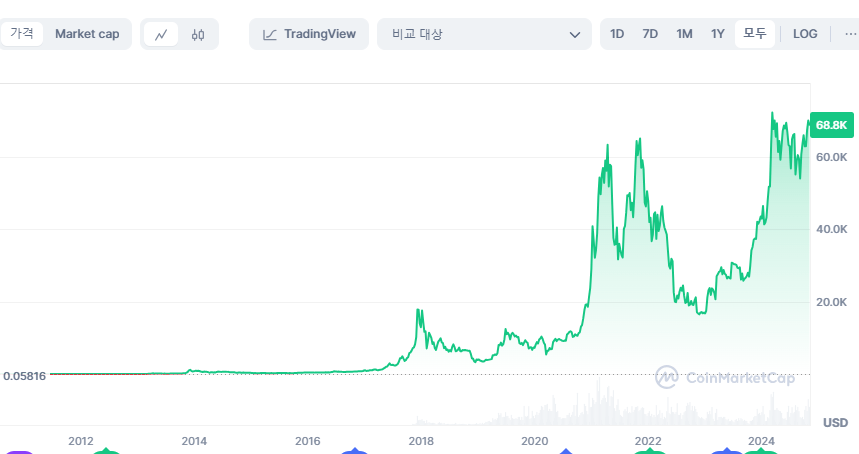
However, as Bitcoin prices surged in 2024, the situation reversed, with reports of a temporary $443 million (approximately 620 billion KRW) profit. Yet, this was merely ‘unrealized profit’ since the extreme volatility itself was criticized as a fatal flaw for national assets. Ultimately, this ‘paper profit’ undermined financial stability and contradicted the original goal of making Bitcoin a practical currency.
4. The International Community’s Counterattack and the Great Retreat
El Salvador’s experiment faced strong resistance from the international financial order from the beginning.
Warnings from the IMF and World Bank
The International Monetary Fund (IMF) strongly urged the withdrawal of Bitcoin as legal tender due to fiscal stability concerns, while the World Bank rejected requests for technical support, isolating El Salvador from the international community.
El Salvador Surrenders
Ultimately, by the end of 2024, El Salvador agreed to a $1.4 billion bailout with the IMF in the face of a fiscal crisis. In exchange, they removed the mandatory clause that required all businesses to accept Bitcoin, effectively discarding the most critical aspect of the experiment. Bitcoin was left with only the name of ’legal tender’.
The Light and Shadow of El Salvador’s Bitcoin Experiment
| Positive Aspects (Light) | Negative Aspects (Shadow) |
|---|---|
| Increased National Brand Awareness | Most Policy Goals Failed (financial inclusion, remittance innovation, etc.) |
| Attraction of Cryptocurrency Tourists | Rejection and Distrust from the Majority of Citizens |
| Temporary Investment Profits | Increased Fiscal Risks Due to Extreme Volatility |
| Precedent for Digital Currency Experiments | Isolation from the International Community and Declining Credibility |
Conclusion: A Cautionary Tale of the Bitcoin Republic
El Salvador’s Bitcoin experiment is clearly a ‘failure’ when evaluated by the standards promised by the government. However, this costly experiment has left several important lessons for the world.
-
Key Takeaways
- Limits of Technological Utopianism: No matter how innovative a technology is, it cannot succeed without social, cultural, and technical foundations.
- Risks of Top-Down Policies: Top-down policies without sufficient social consensus only lead to resistance and rejection from the populace.
- Robustness of Existing Financial Orders: It is nearly impossible for a single country to change the dynamics of the existing international financial system.
President Bukele’s high approval ratings are due to the security stability achieved through gang suppression, not Bitcoin. This shows that the public is excited about other achievements enough to overlook the failures of economic policy. Today, in El Salvador, a few tourists buy coffee with cryptocurrency while the majority of citizens make a living with old dollar bills. This contradictory landscape encapsulates the complex reality of this bold gamble that cannot simply be summarized as ‘jackpot’ or ‘bust’.
What do you think about a country adopting cryptocurrency as legal tender?
References
- Chosun Ilbo Other than that, I envy El Salvador for Bitcoin
- Hankyoreh World Bank Rejects El Salvador’s Request for Support on ‘Bitcoinization’
- Global Economic El Salvador’s Bitcoin Legal Tender Two Years… The Experiment Failed
- Korea Daily Why Did El Salvador Embark on a Reckless Experiment of ‘Making Bitcoin Currency’?
- Americas Quarterly In El Salvador, Bitcoin’s Retreat Left Valuable Lessons
- Wikipedia Bitcoin in El Salvador
- KDI Economic Information Center A Huge Economic Experiment, the Bitcoin Project
- PwC El Salvador’s Law: A Meaningful Test for Bitcoin
- Bruegel El Salvador’s Great Crypto Experiment