
An in-depth analysis of China’s grand ambitions to change the geopolitics of Asia using water as a weapon and the hidden risks behind it.
- The engineering achievements and hidden dangers of two Chinese mega dams, the Three Gorges Dam and the Medog Dam.
- How China exerts geopolitical influence (water hegemony) through rivers.
- Realistic responses from the international community to mega dam projects.
Two Dams, Two Fears
The story begins with two massive rivers and the two dams that block them. One is the world’s largest dam, the Three Gorges Dam. During the record floods of 2020, satellite images showing the dam’s deformation fueled rumors of a ‘collapse.’ The Chinese government denied this, but the incident revealed the public’s deep anxiety about the hidden dangers beneath such structures and humanity’s arrogance in trying to control nature.
The other is the Medog Dam being constructed deep in the Himalayas on the Yarlung Tsangpo River. This dam is not just a power plant. Downstream country India refers to it as an “existential threat” and a type of “water bomb.” This is because China, controlling the upstream, could intentionally release or withhold water, wielding it as a geopolitical weapon that could determine the fate of downstream nations. This article traces the colossal clash of forces that shakes the future of Asia through these two dams.
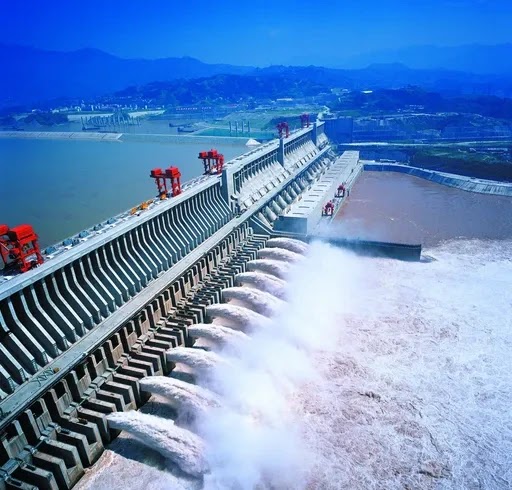
Three Gorges Dam: The Light and Shadow of Glory
The Three Gorges Dam symbolizes the Chinese Communist Party’s philosophy of conquering nature and seeking national development. It embodies both clear light and shadow as immense as its scale.
Great Vision: Flood Control, Power Generation, and Inland Development
The primary justification for the construction of the Three Gorges Dam was to control the destructive floods of the Yangtze River. In fact, after its completion, it protected 15 million people and vast agricultural lands, preventing enormous economic losses.
The second goal was massive power generation. As the world’s largest hydroelectric power station with a capacity of 22,500 MW, it has become a cornerstone of China’s energy security, replacing millions of tons of coal.
Lastly, the dam has become a key driver of the ‘Western Development’ strategy, creating a vast canal connecting inland cities like Chongqing to Shanghai, reducing logistics costs and developing the underdeveloped western regions.
Ecological Bill: A Chain Reaction of Destruction
However, the cost of taming nature has been severe. The dam blocked the migration routes of fish, leading to a 90% decline in the populations of major commercial fish species, ultimately driving species like the Yangtze River dolphin (Baiji) to extinction.
The slowed river water has accumulated pollutants, threatening to turn the reservoir into a ‘giant cesspool,’ while trapping massive amounts of sediment each year, causing serious problems. The filtered ‘hungry water’ erodes the riverbed downstream and devastates the coastline of the Shanghai delta, leading to long-term ecological bankruptcy. What surprised me most during my research was the choice to undermine the long-term ecosystem for short-term gains.
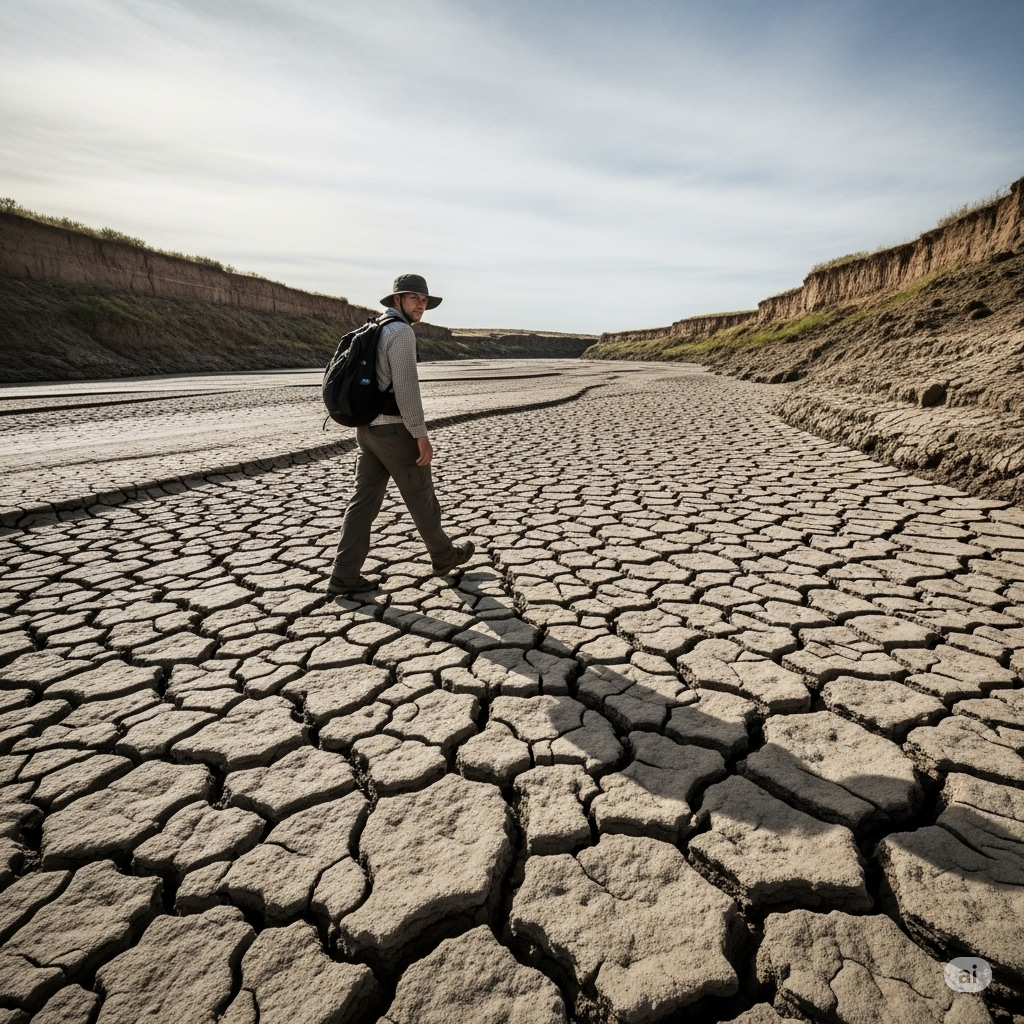
The Cost to Humanity and Shaky Foundations
At least 1.3 million people had to leave their homes for the dam’s construction. Insufficient compensation and corruption plunged the displaced into deeper poverty, and resistance was harshly suppressed.
Moreover, the enormous weight of the reservoir, amounting to 39.3 billion cubic meters, has pressed down on the crust, giving rise to a new risk known as ‘Reservoir-Induced Seismicity (RIS).’ Analyses indicate that seismic activity increased thirtyfold after the dam’s completion, constantly raising concerns about geological instability and the structural safety of the dam.
Medog Dam: The Geopolitical ‘Water Bomb’ of the Himalayas
If the Three Gorges Dam was a product of domestic ambition, the Medog Dam under construction in the Himalayas is a far more dangerous game that extends that ambition beyond borders.
An Unimaginable Scale
The planned capacity of the Medog Dam is 60 GW, nearly three times that of the Three Gorges Dam. The expected annual power generation is equivalent to the total electricity consumption of the entire United Kingdom. This project, set to become one of the most expensive infrastructure projects in human history, was officially approved in December 2024, aiming for commercial operation by 2033.
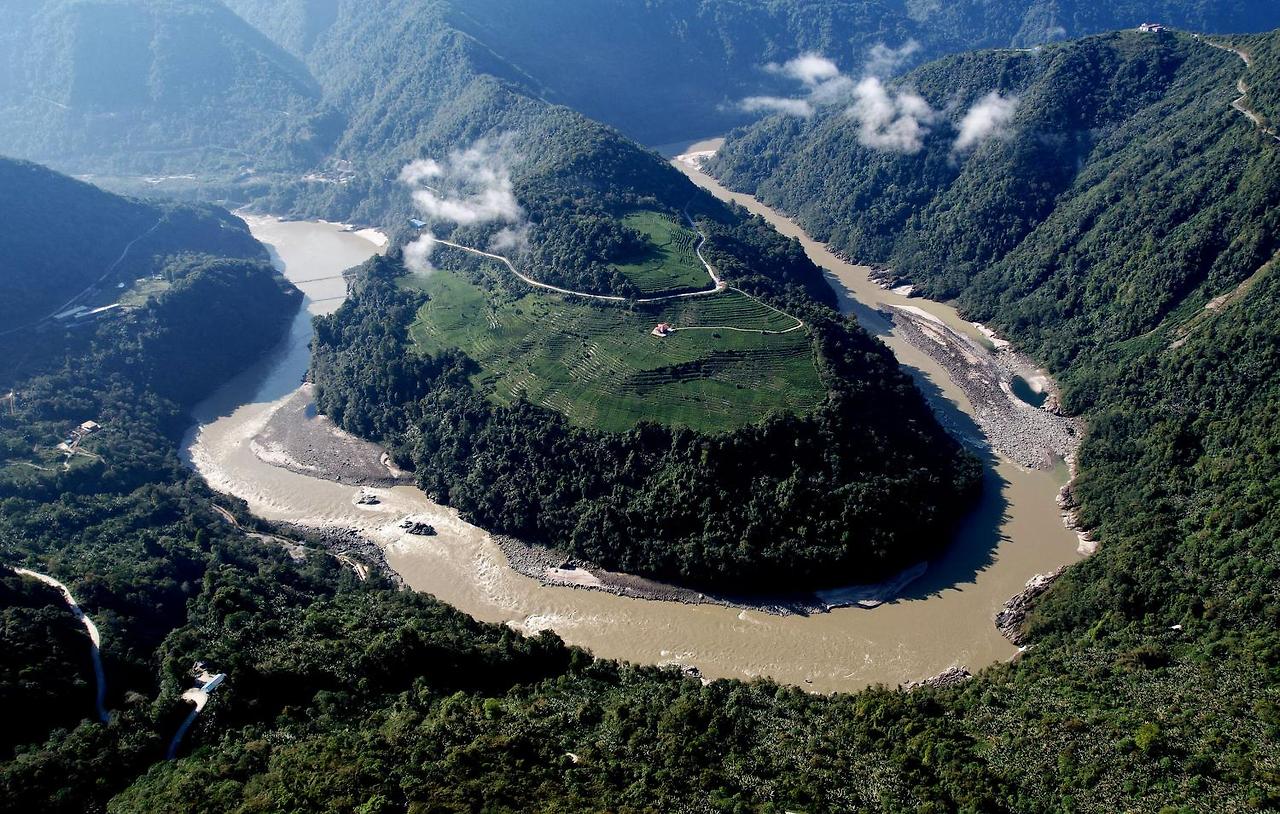
‘Building on Tofu’
The site of the Medog Dam is where the Indian and Eurasian plates collide, making it one of the most geologically active areas on Earth. One expert criticized it as “like building on tofu.” The risk of landslides due to earthquakes is extremely high, and if the dam were to collapse, the disaster would become an international catastrophe affecting India and Bangladesh.
A Side-by-Side Comparison: Three Gorges Dam vs. Medog Dam
The two dams show fundamental differences in scale and risk. While the issues of the Three Gorges Dam primarily remain within China, the Medog Dam’s influence crosses borders.
| Feature | Three Gorges Dam | Medog Hydropower Station |
|---|---|---|
| Location | Yichang, Hubei Province (Domestic River) | Medog County, Tibet Autonomous Region (International River) |
| Geopolitical Context | Domestic Energy/Flood Control | Cross-Border, Conflict-Prone Areas |
| Capacity | 22.5 GW | 60 GW |
| Annual Generation | About 100 TWh | 300 TWh |
| Major Risks | Earthquakes/Landslides from Reservoir | Tectonic Plate Boundaries, Extreme Earthquake/Landslide Risks |
| Consequences of Failure | National Catastrophe | International Catastrophe (Including India and Bangladesh) |
Using Rivers as Weapons: China’s ‘Water Hegemony’ Strategy
China’s dam construction is not merely an infrastructure project but part of a strategy of ‘water hegemony’ aimed at securing geopolitical influence by controlling river flows. This strategy has already been realized on the Mekong River.
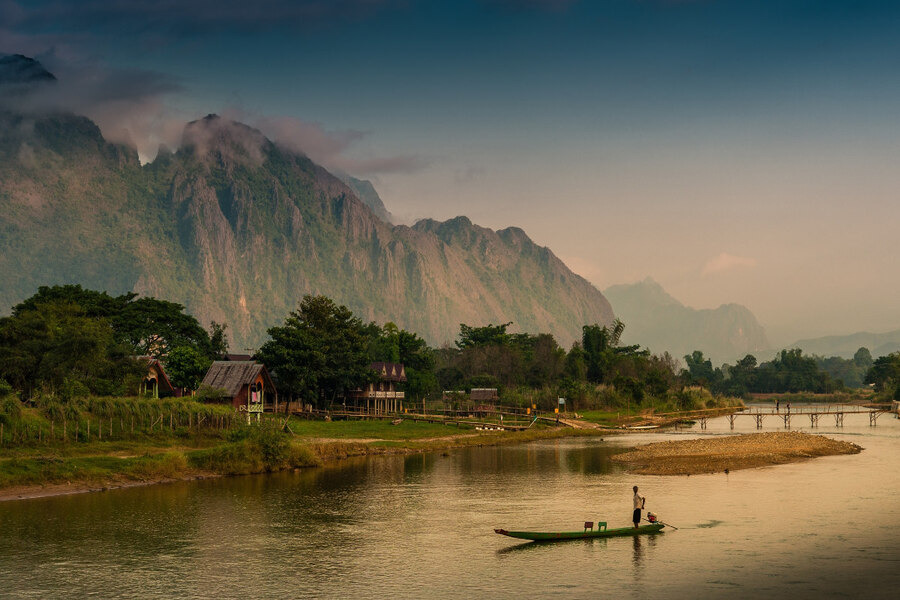
China has built over 12 dams upstream on the Mekong River, controlling the flow of water. In 2019, when China blocked water upstream, downstream countries like Thailand and Cambodia experienced severe droughts. This precedent clearly illustrates the threat the Medog Dam could pose to India and Bangladesh. India is attempting to build counter-dams, but this leads to a ‘dam dilemma’ where they must bear enormous costs and environmental destruction.
Dams and the Belt and Road Initiative: Expanding Influence through Debt
China’s mega dam projects are deeply connected to President Xi Jinping’s global strategy, the ‘Belt and Road Initiative (BRI).’ The technology and capital accumulated through the Three Gorges Dam are now being exported worldwide via the BRI.
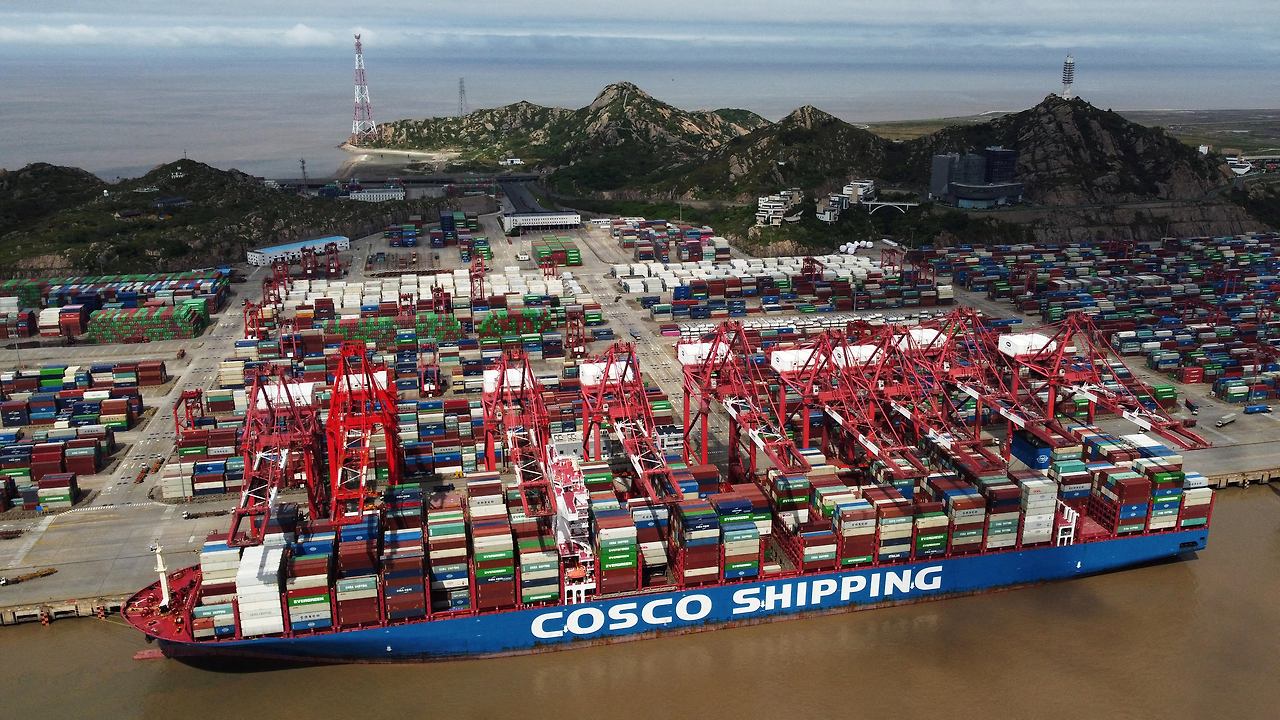
However, this often traps partner countries in a ‘debt trap.’ Laos, in its attempt to become ’the battery of Asia,’ has found itself buried in debt, while Ecuador had to sell its oil assets at a loss to pay for dam construction costs. This shows a consistent pattern of China pursuing its economic and strategic interests through infrastructure.
How to Stand Against the God of Rivers: A Three-Step Response Strategy
The likelihood of China halting the Medog Dam is slim. With climate change as an additional variable, the risks are further amplified. So how should downstream countries and the international community respond? What can we do in this massive flow?
- We must monitor and expose. Like the Stimson Center’s ‘Mekong Dam Monitor,’ we should independently monitor dam activities using satellite technology and transparently disclose data to exert international pressure.
- We must unite and strengthen legal frameworks. India and Bangladesh should collaborate to demand a legally binding water-sharing treaty and diplomatically push for China to join the UN Water Convention.
- We must invest in our own resilience. If we cannot stop China’s actions, we must focus on mitigating their impacts. This includes building counter-dams, improving flood management systems, developing drought-resistant agricultural technologies, and restoring delta ecosystems.
Conclusion: Stopping a Zero-Sum Game
China’s mega dam projects are not merely energy or flood control initiatives but a complex geopolitical game. The key points of this game are as follows:
- Key Summary 1: China’s mega dams symbolize an ambition to control nature, but they come with a costly bill of serious ecological destruction and social sacrifice.
- Key Summary 2: The Medog Dam represents the pinnacle of the ‘water hegemony’ strategy, which seeks to weaponize water to determine the fate of neighboring countries, potentially leading to international catastrophe.
- Key Summary 3: Rather than military confrontation, transparent data disclosure, pressure through international law, and building resilience among downstream countries are the most realistic paths to confront this massive challenge.
This issue is no longer confined to specific countries or regions. The flow of rivers knows no borders. I hope this article helps to understand the seriousness of the Chinese mega dam issue and serves as an opportunity to reflect on the role of the international community in achieving a sustainable future.
References
- Lowy Institute China’s Medog county mega-dam is bad news for India and…
- Hindustan Times Explained: Why is China’s largest dam in Tibet a potential ‘water bomb’ for India?
- YouTube China and India Start Construction on World’s Largest Dam on the Border, China’s Water Hegemony W…
- Korea Institute of Construction Technology Three Gorges Dam
- Institute for Foreign Affairs and National Security Controversies Surrounding the Three Gorges Dam and China’s Response
- Wikipedia Three Gorges Dam
- Shindonga Visiting the World’s Largest Chinese Three Gorges Dam
- PMC Dams trigger exponential population declines of migratory fish
- Seoul Economic Daily China’s ‘Three Gorges Dam Ecological Destruction Serious’
- Copernicus Publications Sedimentation in the Three Gorges Dam and the future trend of Changjiang (Yangtze River) sediment flux to the sea
- Yonhap News “The city most affected by China’s Three Gorges Dam is Shanghai”
- ResearchGate Resettlement for China’s Three Gorges Dam: socio-economic impact and institutional tensions
- Human Rights Watch The Three Gorges Dam in China: Forced Resettlement, Suppression of Dissent and Labor Rights Concerns
- PMC Anticipation of Migration and Psychological Stress and the Three Gorges dam project, China
- Weekly Chosun Repeated Earthquakes and Landslide Warnings… Is the Three Gorges Dam Safe?
- ResearchGate Induced seismicity by impoundment or hydraulic fracturing operation? A case study…
- The Economic Times Tibet dam construction begins: How China’s mega project could irreversibly change a fragile area
- Wikipedia Medog Hydropower Station
- The Guardian China starts building world’s biggest hydropower dam
- ISDP ‘Building on Tofu’: Medog Another Project Damming Tibet’s environment
- Columbia Climate School China Authorizes Controversial Hydropower Project in Landslide…
- The Diplomat Y Nithiyanandam on the Risks of China’s Ambitious Yarlung Tsangpo Project
- Brahma Chellaney China’s super-dam is a disaster waiting to happen
- Stimson Center New Evidence: How China Turned Off the Tap on the Mekong River
- Drishti IAS India-China Water Tensions- The Brahmaputra Factor
- The Times of India Dam gamble on Siang: China moves ahead with its mega project…
- FAO Country profile – Bangladesh
- Wikipedia Belt and Road Initiative
- Newneek Almost Everything About the Belt and Road Initiative
- TEARLINE China’s BRI in Latin America: Case Study – Hydropower in Ecuador
- Chosun Ilbo The Three Gorges Dam released 500 million tons of water due to the worst drought in 60 years