
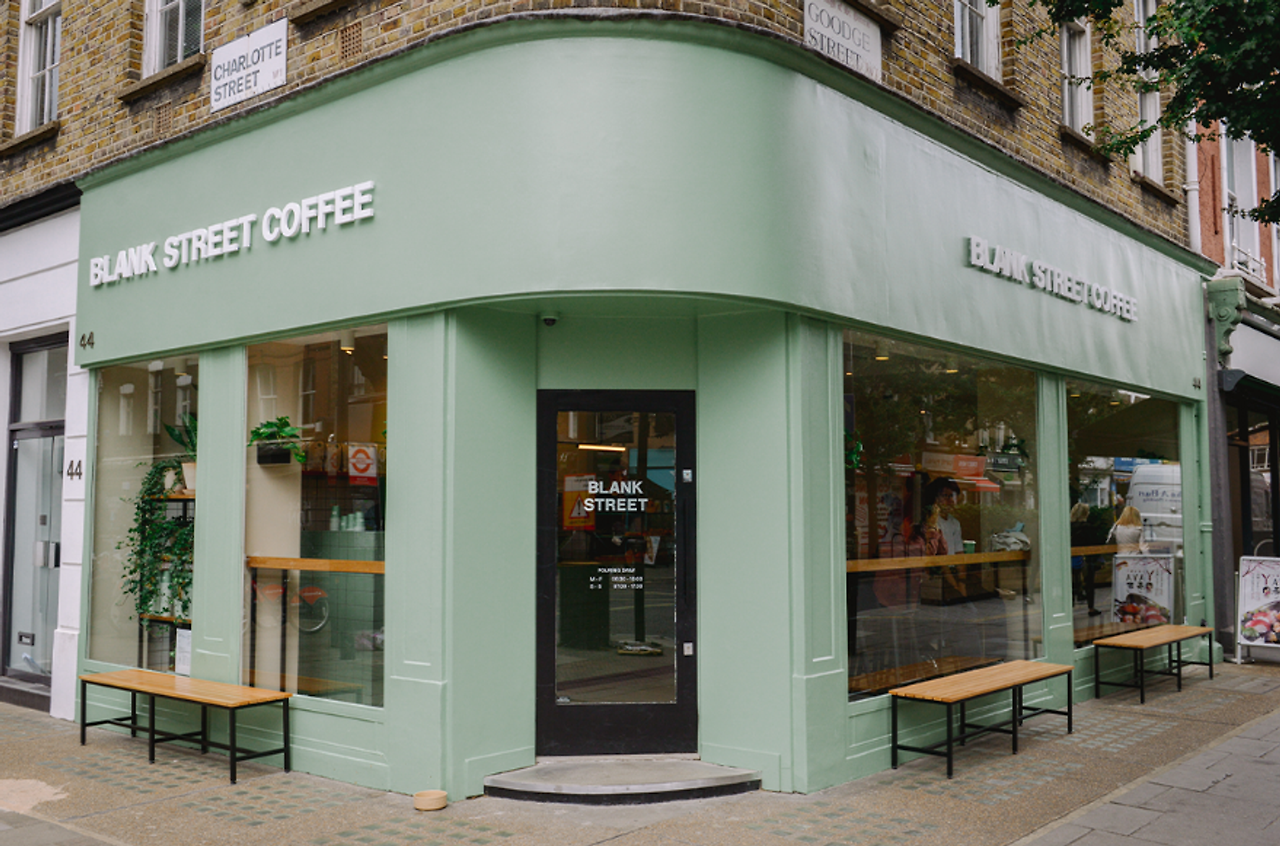
Every morning, we hold a cup of coffee in our hands. Did you know that this small cup contains immense technology, capital, and the desires of the era? Today, we will delve into a very special story that is changing the paradigm of the coffee market, the ‘Fifth Wave’. Let’s gain insights into the future through ‘Blank Street Coffee’, which stands at the forefront of this massive wave.
The future is already here. It just hasn’t spread evenly yet.
How Did Coffee Come to Us?
To understand the new wave, we need to take a moment to look back at the path we’ve walked. Our relationship with coffee has changed over time.
First Wave: “Anytime, Anywhere!” - The Age of Accessibility
Once upon a time, coffee was just a black liquid to chase away sleep. The advent of instant coffee allowed us to drink coffee anywhere, whether at home, in the office, or on a mountaintop, as long as we had hot water. Although we sacrificed some taste, the convenience of being able to drink it ‘anytime, anywhere’ dominated the era.
Second Wave: “Not Just Coffee, But Space!” - The Age of Experience
Then came Starbucks, proclaiming, “This is not just a place to buy coffee; it’s your third space.” We willingly opened our wallets to consume ‘spaces’ with comfortable sofas, soothing music, and Wi-Fi. Coffee finally became ‘culture’.
Third Wave: “Coffee is Fruit!” - The Age of Quality
At some point, people began to tire of uniform coffee flavors. “Where do the coffee beans I drink come from?” Brands like Blue Bottle emphasized the story of the farms where the beans grew, highlighting ’terroir’ and offering specialty coffee brewed with care by baristas. This was the moment coffee finally entered the realm of ‘gastronomy’.
Fourth Wave: “Perfection Through Data!” - The Age of Science
However, human hands could not achieve perfection. We wanted to resolve the subtle differences in taste between yesterday’s coffee and today’s. Thus, ‘science’ emerged. By turning everything into data—bean weight, water temperature, extraction time—we aimed to create coffee that is ‘always perfectly delicious’. This was the final warm-up for the Fifth Wave.
| Category | First Wave | Second Wave | Third Wave | Fourth Wave |
|---|---|---|---|---|
| Core Value | Accessibility, Convenience | Brand Experience, Space | Quality, Craftsmanship | Consistency, Objectivity |
| Representative Brands | Nescafé, Dongseo Foods | Starbucks | Blue Bottle, Intelligentsia | - |
| Core Limitation | Sacrifice of Quality | Uniformity of Coffee | Low Scalability | Difficulty in Mass Application |
And Finally, the Fifth Wave: A New Era that Mixes Everything
The Fifth Wave is an era that takes all these values, puts them in a giant blender, and reassembles them with the powerful force of ’technology’. Three major forces are driving this change.
Force 1: The Emergence of New Consumers, the MZ Generation
Today, the protagonists of the coffee market are the MZ generation. They have very particular and clear tastes.
- Healthy Pleasure: “I want to take care of my health!” Decaf and oat milk are now standard options.
- Small Luxury: “For my daily coffee, I want the best!” They seek a valuable cup, not just an expensive one.
- Market Polarization: “I don’t want anything mediocre!” They look for either very cheap or clearly premium options.
Force 2: The Command of Smart Robots
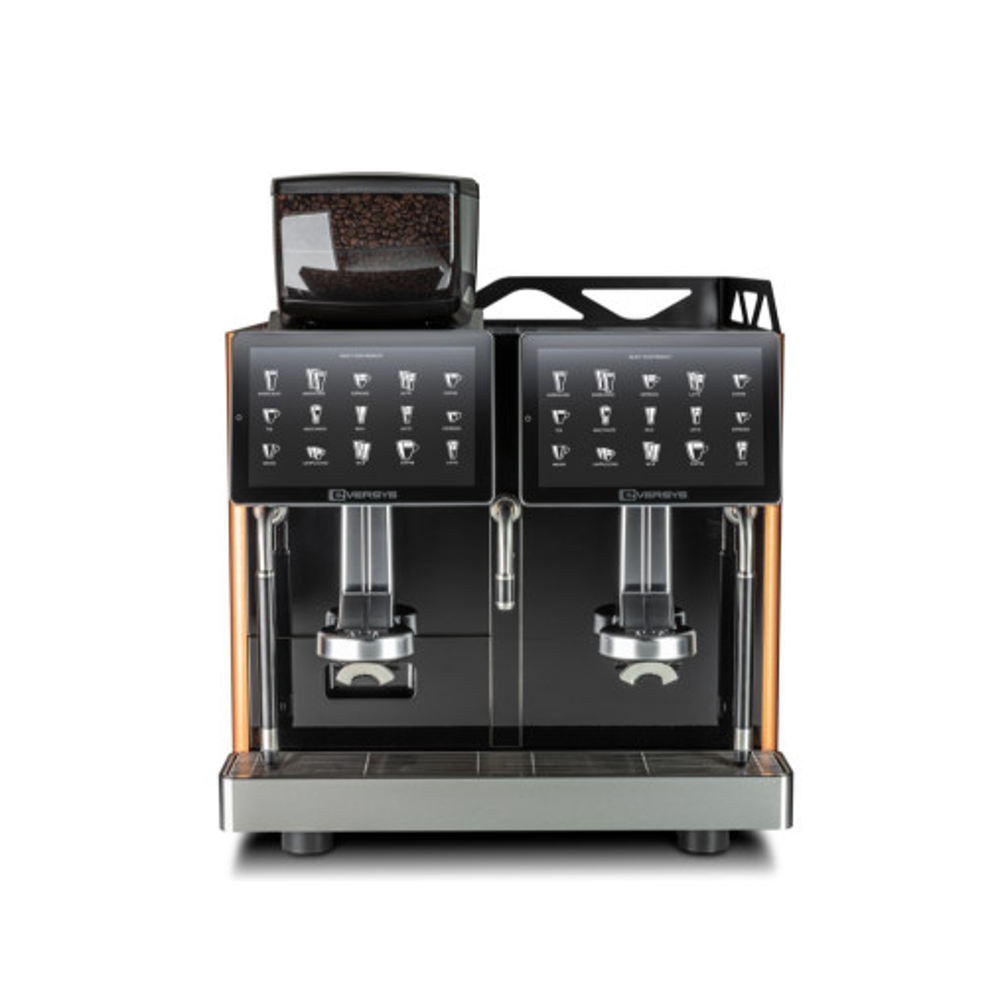
Rising labor costs have made ‘automation’ a necessity rather than a choice. State-of-the-art fully automatic machines have created a new value of ‘absolute taste consistency’ that goes beyond merely replacing humans. They produce a perfect cup every time, without fluctuations based on the barista’s condition.
Force 3: Unbundling of Cafés
Think about it. We were actually paying for the expensive rent of large stores along with the price of Starbucks coffee. But now, many people order via mobile and just pick up their coffee. The Fifth Wave has dug into this point. “Is it necessary to sell expensive space to everyone?” They have boldly eliminated unnecessary real estate and focused solely on delivering ’the highest quality coffee’ at the fastest and most reasonable price.
The Icon of the Fifth Wave, Blank Street Coffee
The perfect textbook that embodies all these changes is ‘Blank Street Coffee’.
Different from the Start
The founders of this company were not coffee artisans. They were venture capitalists who sought to identify and solve problems in the market. Their question was simple: “Why is delicious specialty coffee always expensive and requires a long wait?” They viewed coffee not as an art but as a ‘system’ that needed optimization.
Three Keys to Success
Blank Street promises three things.
- Quality: The top-notch Swiss automatic machines produce perfect shots without any margin of error.
- Affordability: With a small store of less than 10 pyeong and only 1-2 employees, they save on high rent and labor costs, allowing them to lower coffee prices.
- Convenience: They open stores in high-traffic areas, and with pre-orders via an app, there’s no need to wait even a second.
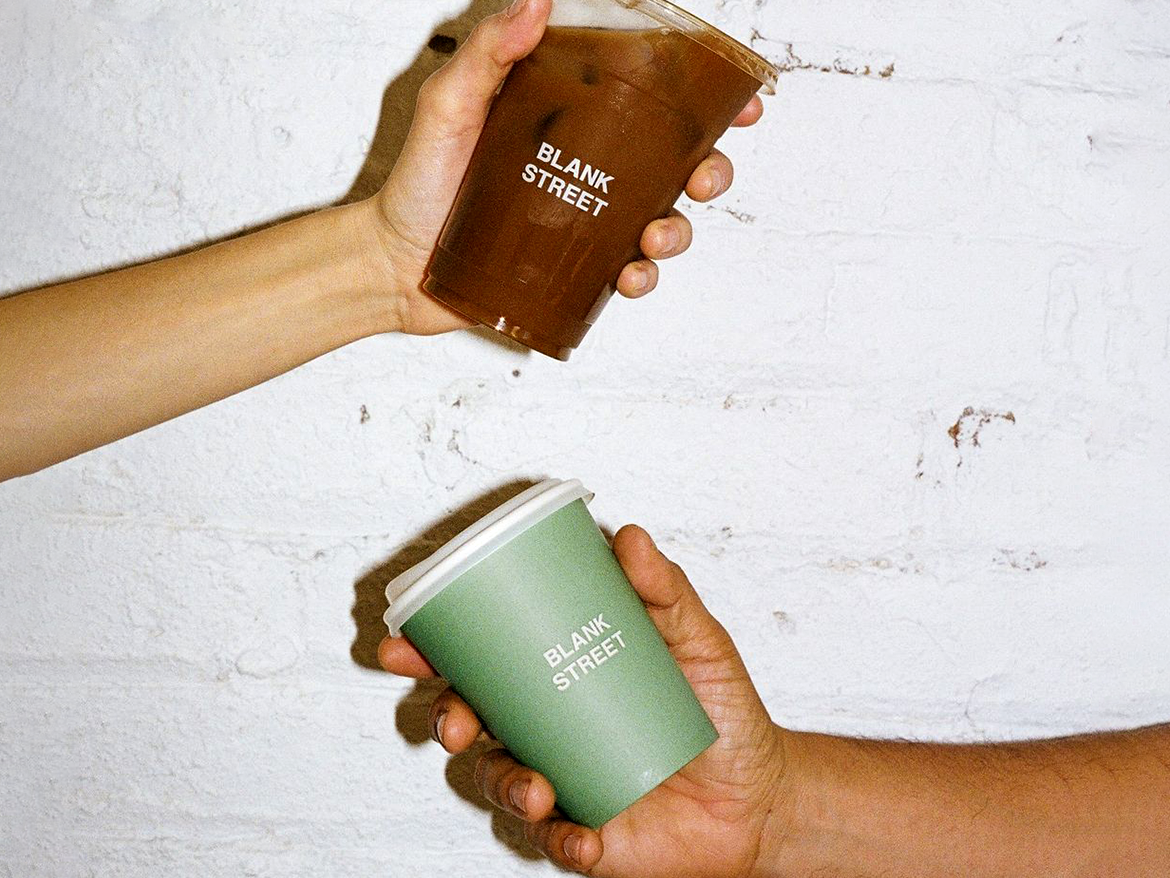
They also know exactly how to capture the hearts of Gen Z. The pretty green cups that make you want to post on Instagram have become the best marketing tool in themselves.
What They Really Sell
However, the surprising fact is that the reason investors poured billions into this company is not simply because of the taste of the coffee. What they truly invested in was the ’low-cost, high-efficiency store model that can be instantly replicated and expanded’ itself.
Dazzling Success, But Shadows Behind It
However, this dazzling success has also attracted cold criticism for lacking ‘soul’.
- Sustainability Issues: As a takeout specialty store, it inevitably generates a massive amount of disposable cup waste.
- Alienation of Humans: In the pursuit of efficiency, employees are said to be reduced to mere operators of machines and suffer from excessive workloads.
- Destruction of Local Businesses: There are criticisms that they threaten small local cafés with massive capital and cleverly imitate their emotional appeal.
Perhaps Blank Street’s biggest weakness is the ’lack of emotional connection’. A relationship built solely on price and convenience can easily turn away when a cheaper and more convenient competitor appears.
What Kind of Coffee Will We Drink?
The massive wave of the Fifth Wave has just begun. How can we survive on this wave?
# For New Challengers (Aspiring Entrepreneurs) Learn from Blank Street’s efficient system. But you must find opportunities in the ‘soul’ they are missing. Use the time saved by technology to genuinely communicate with customers and create a unique story for your neighborhood that large capital cannot imitate.
# For Existing Giants (like Starbucks) Hastily following them could mean discarding the value of ‘space’, which is your greatest weapon. Instead, focus on making the beverage preparation process faster and more perfect with technology, while using the saved workforce to provide customers with a more touching ‘spatial experience’.
Ultimately, the winner in the future coffee market will not be the company with the best robots. It will be the company that enables people to focus on more human tasks thanks to technology, balancing efficiency with warm emotions.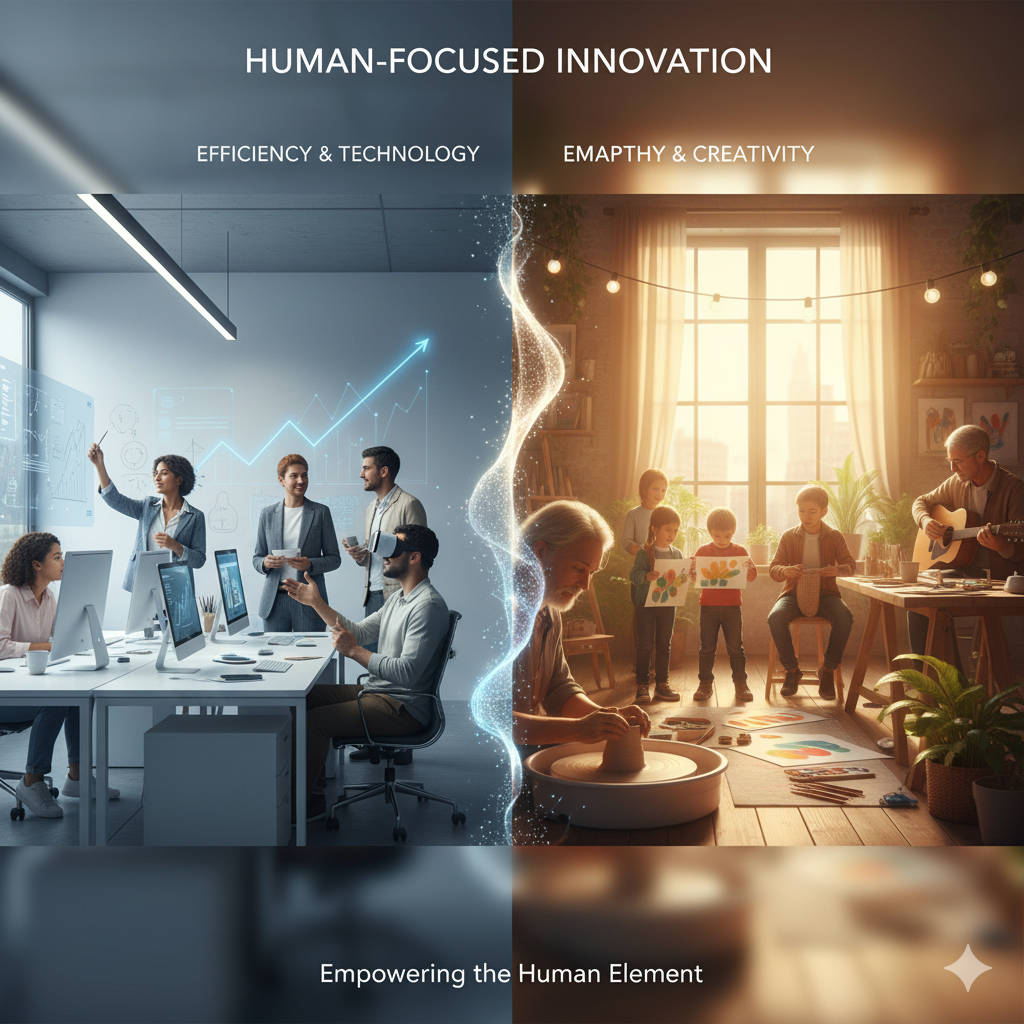
Finding the best way for the best robot baristas and the best human baristas to collaborate beautifully. That is the real question the Fifth Wave poses to us.